The 2026 Europe heat wave has arrived with ferocious intensity, pushing temperatures past 40 degrees Celsius across Spain, France, Britain, and Germany. This is the continent second major extreme heat event of the year.
A ferocious Europe heat wave 2026 is sweeping across the continent, pushing temperatures past 40°C (104°F) and triggering extreme weather warnings from Britain to Germany.
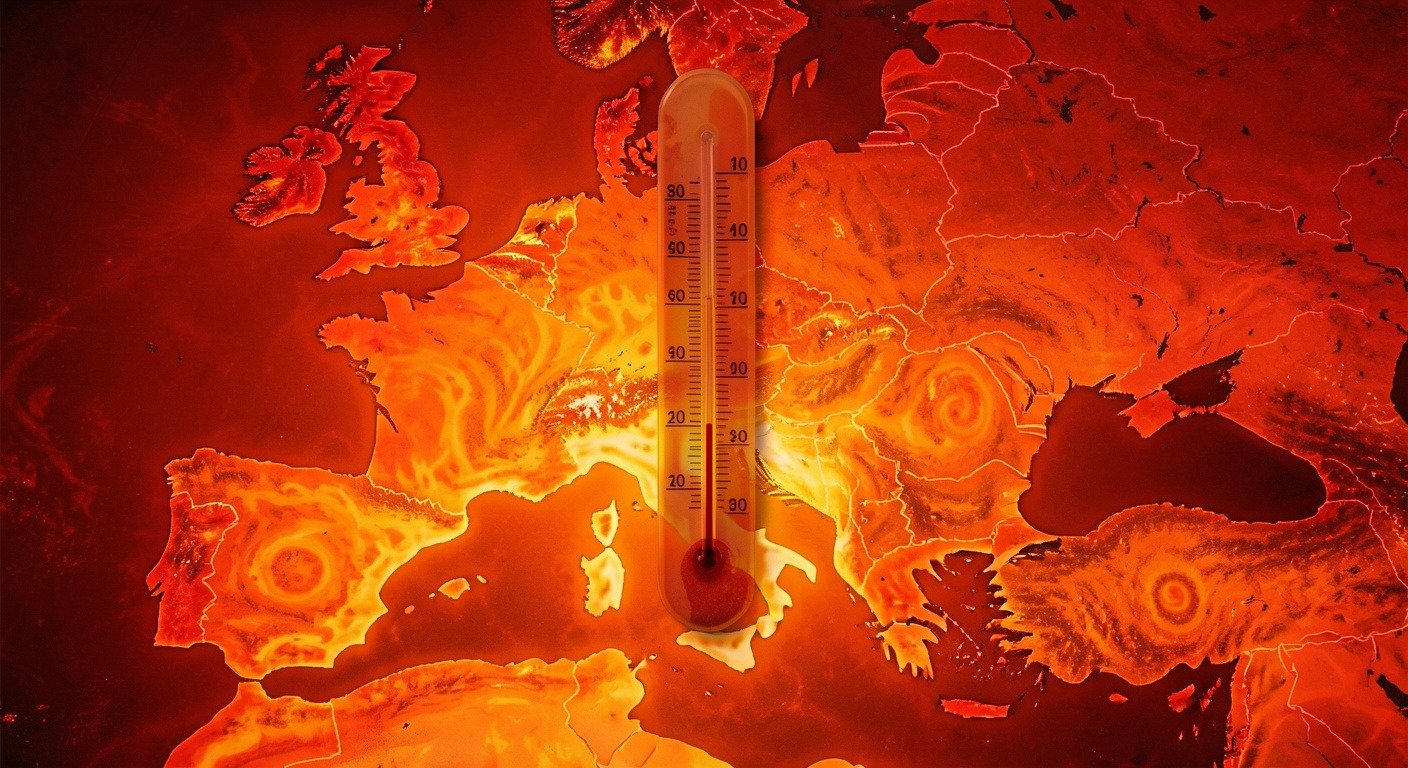
PARIS. A ferocious heat wave is sweeping across Western Europe, pushing temperatures past 40 degrees Celsius (104 Fahrenheit) in parts of Spain and France and triggering high-level weather warnings from Britain to Germany. The extreme heat, which intensified through Monday, marks the continent’s second major heat wave of 2026.
The UK Met Office issued its highest-level extreme heat warning early Monday, forecasting “severe” weather impacts across England and Wales. Meteo France placed more than half the country’s departments under orange heat alerts, while Spain’s AEMET warned that temperatures in the Guadalquivir Valley could exceed 43 C (109 F) by midweek. Germany and the Low Countries activated emergency heat-response plans, opening cooling centers and distributing water to unhoused populations.
“This is not just a hot summer day. What we are seeing is a weather event supercharged by a warming planet, and it is arriving earlier and more intensely than we would have considered normal even a decade ago.”
, Dr. Friederike Otto, climate scientist at Imperial College London
Europe Heat Wave 2026: By the Numbers
| Country | Max Temp | Alert Level |
|---|---|---|
| Spain | 43°C (109°F) | 🔴 Red , Guadalquivir Valley |
| France | 40°C (104°F) | 🟠 Orange , 50+ departments |
| United Kingdom | 36°C (97°F) | 🔴 Red , England & Wales |
| Germany | 35°C+ (95°F+) | 🟠 Heat advisory , Rhine-Ruhr |
What Happened
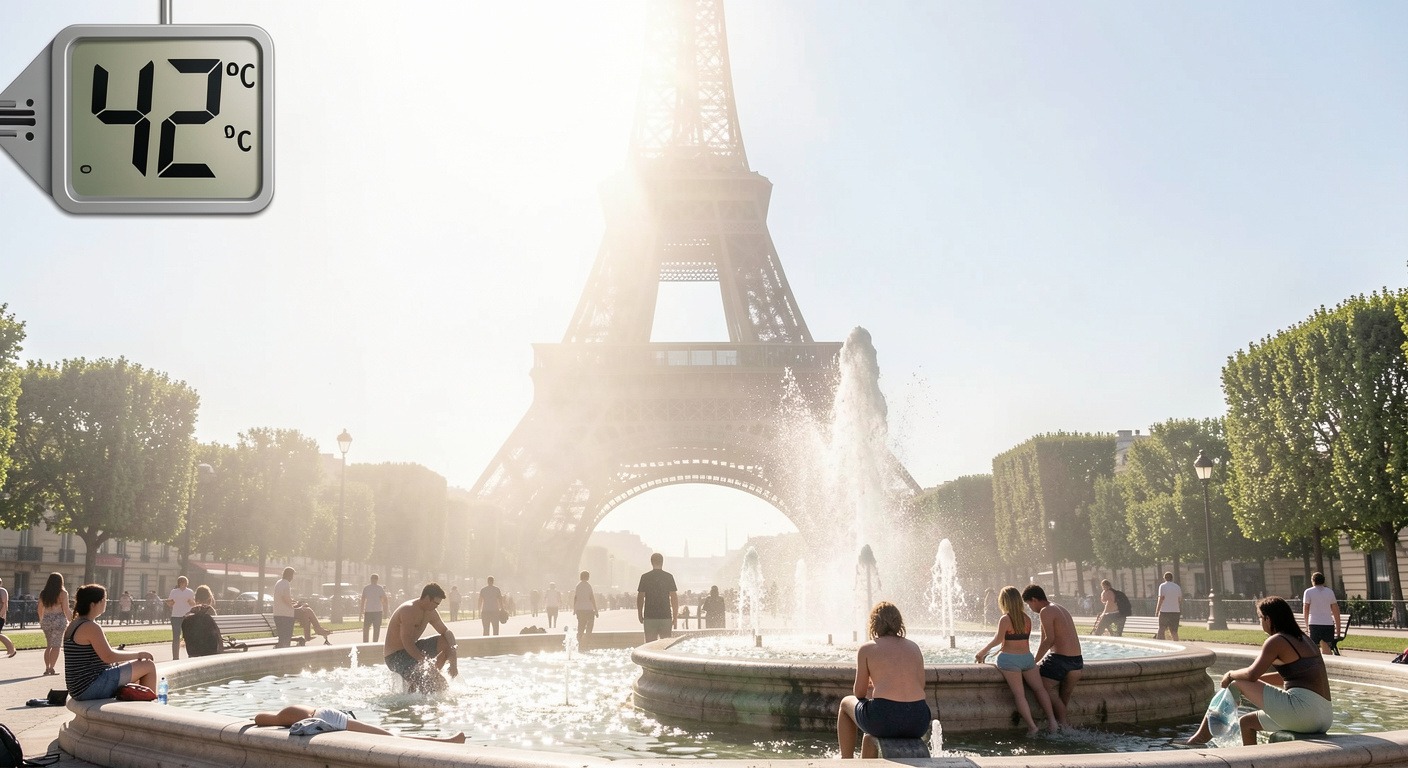
The heat wave has placed a vast portion of Western Europe under exceptional thermal stress. By Monday afternoon, Paris recorded its highest June temperature in recorded history, and authorities ordered public swimming pools to stay open hours past normal closing times. In cities from London to Berlin, residents sought refuge in air-conditioned shopping centers and libraries while outreach teams checked on elderly residents and rough sleepers.

Why It Happens
The immediate driver is a persistent heat dome, a high-pressure system that traps hot air over a region and blocks cooler air from moving in. For a detailed scientific breakdown, see our companion article on what is a heat dome. These systems form when high pressure becomes stationary and compresses warm air downward, creating a feedback loop that sustains extreme temperatures for days or weeks. Ongoing El Nino conditions can amplify the effect; see our complete guide to El Nino for more.
Climate scientists are clear, however, that the primary driver is the background warming caused by fossil fuel emissions. According to the World Weather Attribution initiative, European heat waves are now at least 10 times more likely because of human-caused climate change. What was once a rare, once-in-a-generation event in the preindustrial era has become something Europeans can expect with alarming regularity. Since 2000, Europe has warmed at roughly twice the global average rate.
How It Affects People
The human cost is immediate. Heatstroke and dehydration pose the greatest risk to elderly people, young children, outdoor workers, and those with cardiovascular conditions. Hospitals across affected regions have reported a spike in heat-related emergency visits. Public health agencies are urging residents to drink water steadily, avoid outdoor activity during peak hours, and check on neighbors who live alone.
Infrastructure is also under severe strain. Railway operators in Britain and France have imposed speed restrictions, warning that steel rails can buckle in extreme heat , a “sun kink” , raising derailment risk. Eurostar warned travelers to expect delays, and several regional lines cut schedules. Power grids face surging demand as air-conditioning units run at full capacity, raising the specter of localized blackouts.
In agriculture, farmers across France and Spain report acute crop stress as soil moisture evaporates far faster than seasonal norms. The EU’s crop monitoring service has downgraded yield forecasts for wheat and maize, and livestock producers are struggling to keep animals cool and hydrated.
Why It Matters Now
The frequency of these events defines the current moment. In the past five years, Europe has endured multiple record-shattering heat waves, including the devastating 2022 event that killed more than 60,000 people, according to a study in Nature Medicine. The question is no longer whether extreme heat will arrive, but how prepared cities are when it does.
“The conversation has shifted from adaptation as a future priority to adaptation as an immediate necessity. We used to plan for heat waves as rare emergencies. Now we need to design our cities around the assumption that these temperatures will arrive every summer.”
, Dr. Ana Nunez, public health researcher at the University of Barcelona
The World Meteorological Organization has warned that 2026 is on track to rank among the hottest years ever recorded globally, driven by the combination of long-term warming and the El Nino cycle. For European policymakers, the current heat wave is a stark reminder that adaptation investments cannot wait for another deadly summer.
What We Can Learn
Urban planners are increasingly turning to cooling strategies: expanding tree canopy, installing reflective “cool roofs” and permeable pavements, and building networks of public cooling centers. Paris, devastated by the 2003 heat wave, has invested heavily in green corridors and misting stations. Barcelona has pioneered “climate shelters” in schools and libraries where residents can find relief during the hottest hours.
For individuals, the guidance is straightforward and life-saving:
- Hydrate consistently. Drink water throughout the day. Avoid alcohol and caffeine, which accelerate dehydration.
- Limit outdoor activity. Stay indoors between 11 a.m. and 4 p.m. when the sun is strongest.
- Dress for the heat. Wear loose, light-colored clothing. Use hats and sunscreen outdoors.
- Never leave anyone in a parked car. Interior temperatures become lethal within minutes.
- Cool your space. Close curtains on sun-facing windows. Use cool showers and damp cloths on neck and wrists.
- Know the warning signs. Confusion, hot dry skin, rapid pulse, or loss of consciousness indicate heatstroke , call emergency services immediately.
- Check on others. Elderly neighbors, young children, and people with chronic conditions are at highest risk.
The heat wave is expected to begin easing by Thursday as the high-pressure system drifts eastward, but forecasters caution that relief will be gradual and overnight temperatures will stay uncomfortably high for several more nights. For millions of Europeans, the days ahead will test endurance, infrastructure resilience, and the lessons absorbed from past summers that arrived with similar ferocity.