Reading time: 4 min
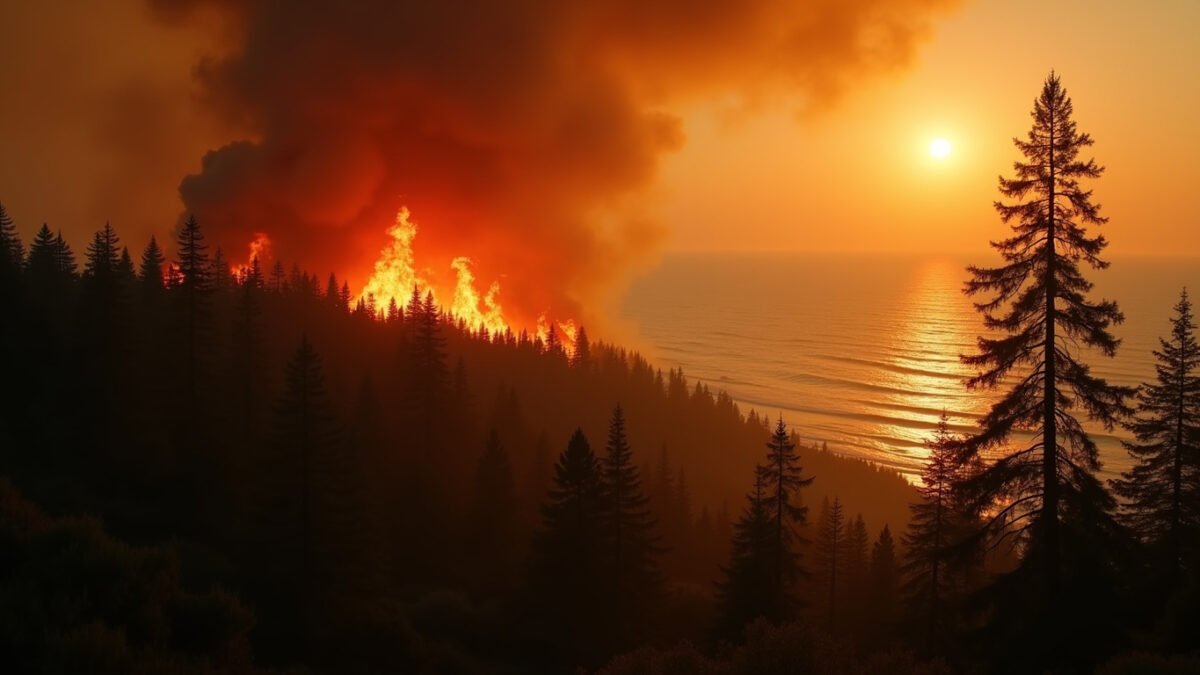
On Wednesday night, the flames appeared on the horizon like a second sunset. By Thursday morning, 20,000 people had been ordered to leave everything behind. The Cap Ferret peninsula, one of France’s most beloved Atlantic escapes, was suddenly a no-go zone, its winding coastal roads filled not with summer tourists but with fire trucks and military vehicles.
The France wildfires July 2026 crisis reached a new peak on July 23 when a fast-moving blaze erupted near Lège-Cap-Ferret in the Gironde department, burning through more than 2,400 hectares (5,900 acres) of coastal pine forest in under 24 hours. The fire forced the evacuation of between 10,000 and 20,000 residents and vacationers, shut down access to the entire peninsula, and mobilized more than 800 firefighters alongside hundreds of gendarmes and soldiers in what local officials described as “tinder-box conditions.”
What Happened
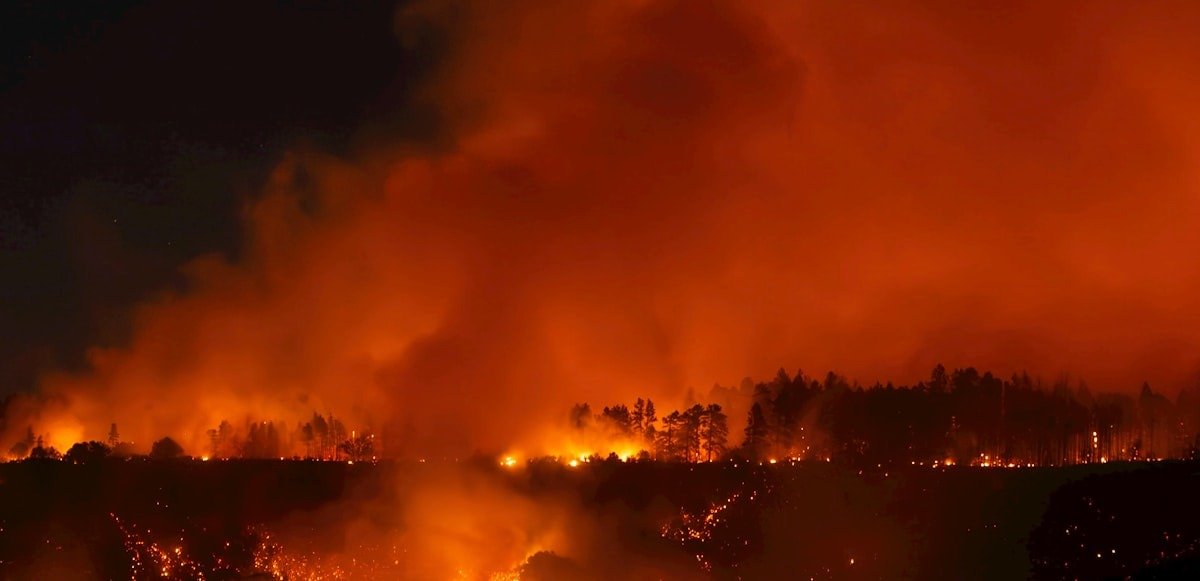
The fire ignited on Wednesday, July 22, and exploded overnight into Thursday under hot, dry conditions that have plagued southwestern France for weeks. The Gironde prefecture reported that the flames spread across more than 2,000 hectares, roughly the size of 3,700 football fields, fueled by parched pine forests and shifting winds. The access road to the upscale Cap Ferret peninsula was shut entirely, cutting off the narrow strip of land that juts into the Atlantic Ocean between the Bay of Arcachon and the sea.
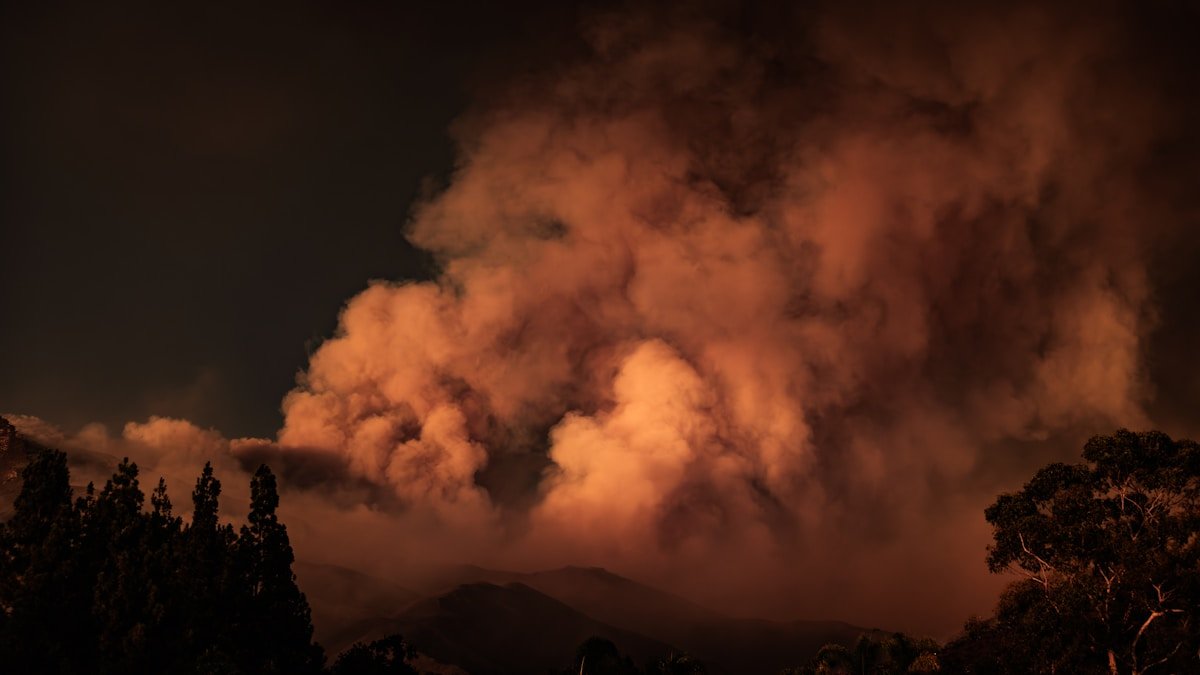
According to the Associated Press, approximately 500 firefighters were initially deployed, with reinforcements bringing the total to over 800. Firefighting aircraft, Canadair water bombers, flew repeated sorties from the Atlantic, scooping seawater and dumping it on the advancing flames. Despite the scale of the evacuation, no injuries had been reported as of Thursday afternoon.
Why the France Wildfires July 2026 Happened
The France wildfires July 2026 outbreak did not emerge from a single spark. It is the product of a long-building combination: a record-hot European summer, months of below-average rainfall, and a drought that has turned forests into kindling.
The Reuters described the conditions as “tinder-box,” a phrase that has become grimly familiar across southern Europe this summer. Scientists now understand that hotter air does more than just dry out vegetation faster. It pulls moisture from the soil at an accelerating rate, creating a phenomenon researchers call “hot drought,” where the thirst of the atmosphere, not just the absence of rain, determines fire risk. In plain terms: the air itself is drinking the landscape dry.
This is the same dynamic that fueled the deadly Los Gallardos wildfire in Spain just two weeks earlier, which killed 12 people and became the third deadliest wildfire in Spanish history. It is also what drove the evacuation of more than 20,000 people from wildfires in Portugal, Greece, plus southern France this month alone. The July 2026 global heat event is not a collection of isolated incidents. It is a single story playing out in different languages.
How It Affects People
For the 20,000 people evacuated from Lège-Cap-Ferret and surrounding communities, the disruption is immediate and total. Summer holidays were cut short. Hotels emptied. Campsites cleared out. Rental homes went dark in hours. The Cap Ferret peninsula normally hums with tourists in late July, its oyster shacks, sand dunes, and pine-shaded bike paths drawing families from across France and Europe. On July 23, the only traffic moving was heading the other way.
For the local economy, the timing could not be worse. July and August account for the majority of annual tourism revenue in the Gironde coastal region. Every day the peninsula remains closed represents lost income for restaurants, markets, boat operators, and the thousands of seasonal workers who depend on the summer season. And for the firefighters and soldiers on the ground, the work is exhausting and unrelenting, part of a fire season that started earlier, burns hotter, and refuses to quit.
Why It Matters
The Lège-Cap-Ferret fire matters because it is no longer unusual. In 2022, wildfires in the same Gironde region burned more than 20,000 hectares and forced 36,000 people to evacuate. In 2026, the season arrived earlier and with more intensity. European wildfires have now burned more land in 2026 than the annual average of the past two decades, according to DW. This is not a spike. It is a shift.
The scientific term for what is happening is “vapor pressure deficit,” basically the gap between how much moisture the air can hold and how much it actually has. When that gap widens, plants lose water faster. Forests become fuel. The simple explanation: a hotter atmosphere is a thirstier atmosphere, and a thirstier atmosphere creates fire conditions that did not exist when these forests evolved.
What We Can Learn
The Lège-Cap-Ferret evacuation succeeded because French authorities moved early. They did not wait for the fire to reach the town. They ordered evacuations while the flames were still advancing through forest, giving residents and tourists time to leave safely. That lesson, evacuate early, not when the smoke is at the door, is one that emergency managers everywhere are learning from Europe’s worsening fire seasons.
For the millions of people planning summer travel to southern Europe, the message is practical: check local fire conditions before heading into forested coastal areas. Have an evacuation plan. Know the emergency number. In France, the emergency alert system sends phone notifications, make sure your phone is set to receive them. The fire may not give you much warning, but the systems designed to protect you are getting better. They only work if you are listening.
Key Facts
- Location: Lège-Cap-Ferret, Gironde department, southwestern France (west of Bordeaux)
- Date ignited: July 22, 2026; major spread July 23
- Area burned: 2,400+ hectares (5,900+ acres)
- People evacuated: 10,000–20,000
- Firefighters deployed: 800+ plus gendarmes and soldiers
- Casualties: None reported
- Cause: Drought and heatwave conditions creating extreme fire weather
- Context: Part of the broader 2026 European wildfire season which has burned more area than the 20-year annual average
Sources: Associated Press, Reuters, Al Jazeera, DW