A fast-moving wildfire tore through an expat community in southern Spain on July 9, 2026, killing at least 12 people and leaving 23 others missing. The Los Gallardos wildfire Spain 2026, which erupted in Almeria province, became the deadliest wildfire in Andalusia and the third deadliest in Spanish history.
What Happened
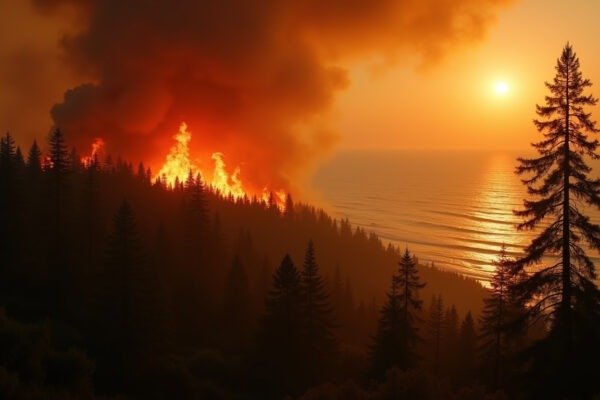
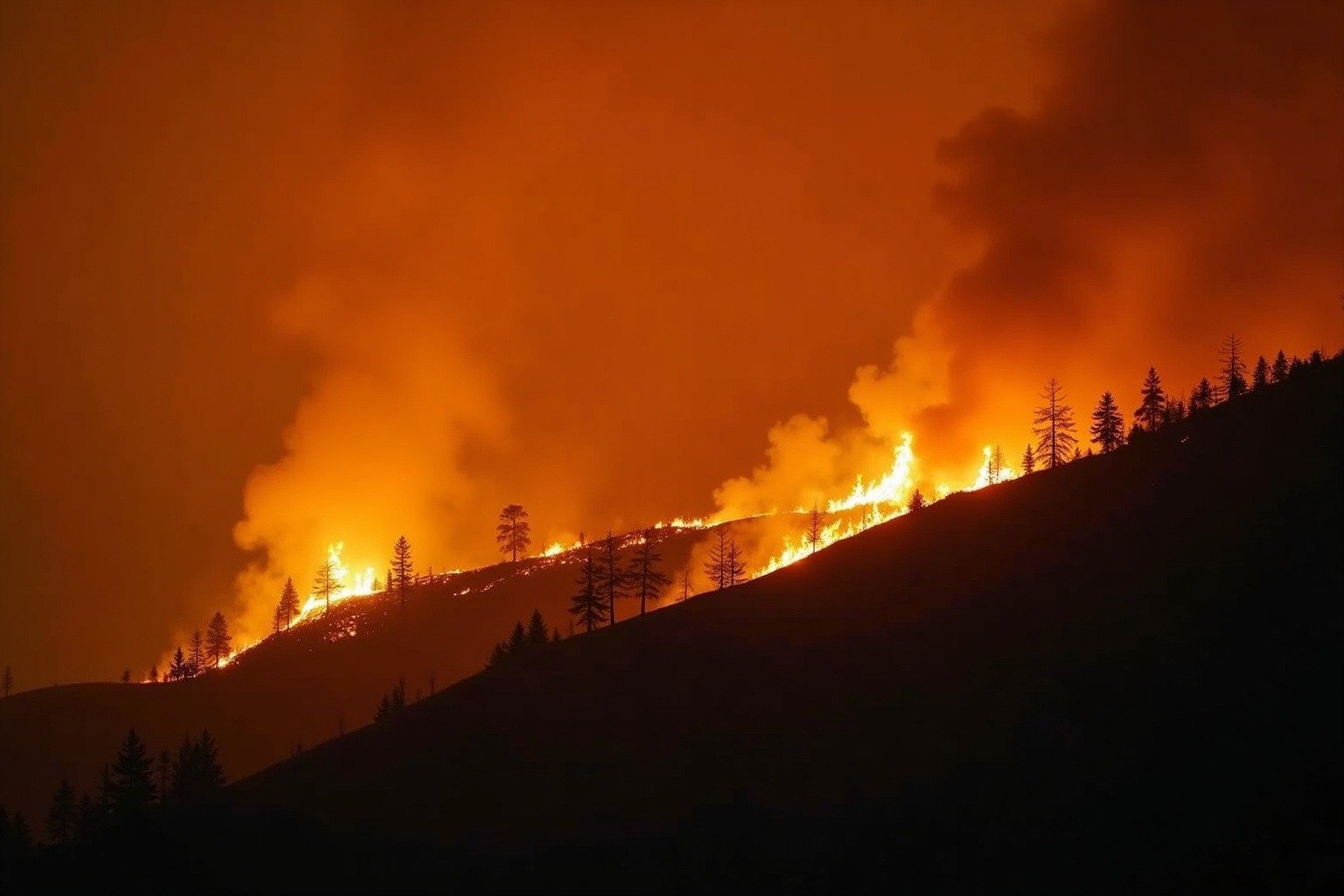
The fire ignited Thursday evening, July 9, near Los Gallardos, a small municipality in Spain’s southeastern Almeria province. Fanned by strong winds and fueled by vegetation dried to tinder by a brutal heatwave, the flames spread with terrifying speed through the Sierra de Los Filabres mountain range.
Within hours, the fire had engulfed the towns of Bedar, Antas, Lubrin, and surrounding communities, forcing the evacuation of more than 1,600 residents. Many victims were caught trying to flee the flames in cars and on foot along narrow mountain roads. At least eight people were hospitalized with injuries.
Emergency services deployed aircraft, ground crews, and military units to battle the blaze. By the time containment efforts gained traction, approximately 7,000 hectares, roughly 17,300 acres, had burned. The fire’s speed overwhelmed early warning systems and left communities with minutes to react.
According to provisional official counts, 12 people were confirmed dead and 23 remained unaccounted for. Authorities cautioned that some of the missing may have been evacuated, injured, or among the deceased without identification.
Why the Los Gallardos Wildfire Spain 2026 Happened
The Los Gallardos wildfire faced what fire scientists call the worst possible combination of conditions.
A wet winter and spring across southern Spain had spurred vigorous plant growth. Then came the summer of 2026, and with it, Europe’s second severe heatwave. Temperatures pushed past 40 degrees Celsius (104 degrees Fahrenheit) across Almeria province.
All that vegetation, which had grown thick during the rainy months, transformed into dry fuel across a vast landscape. The conditions that created the Los Gallardos wildfire Spain 2026 were primed by months of weather whiplash: too wet, then too hot, then too dry.
When an ignition source, early reports suggest a fallen power line, met that fuel under strong winds, the result was a fire that moved faster than people could run.
Guillermo Rein, a fire scientist at Imperial College London, described it bluntly: “The Los Gallardos wildfire in Almeria appears to have faced the worst possible combination: a point of ignition in a vast landscape of extremely dry vegetation, strong winds, and a nearby community that was unprepared.”
This is the fire-weather feedback loop scientists have been warning about. Climate change brings hotter, longer summers. Those summers dry out vegetation. When fires ignite, they burn hotter, spread faster, and become harder to stop. Southern Europe is now experiencing fire seasons that start earlier and produce increasingly destructive blazes.
How It Affects People
The human toll of the Los Gallardos fire extends beyond the death count.
Communities shattered. The fire struck a remote expat community. Many residents had chosen the area for its peaceful mountain setting, a quiet corner of southern Spain far from the coast. Entire homes were reduced to ash. Survivors described fleeing through walls of smoke on winding roads, unsure whether the people behind them had made it out.
Health impacts. Beyond the 12 dead and 8 hospitalized, thousands of residents breathed heavy smoke for days. Wildfire smoke contains fine particulate matter that penetrates deep into the lungs and bloodstream. For the elderly, young children, pregnant women, and people with respiratory conditions, the invisible health damage can outlast the visible flames.
Economic damage. The fire destroyed homes, vehicles, farmland, and local infrastructure across four municipalities. Olive groves, almond orchards, and small farms in the region suffered damage that will take years to recover from. Spain’s agricultural sector, already strained by drought and heat, absorbed another blow.
Psychological trauma. Survivors of fast-moving wildfires frequently report symptoms of post-traumatic stress. The speed of this fire gave residents only minutes to decide between flight and shelter. Communities that lose neighbors and homes to fire face recovery timelines measured in years, not weeks.
Tourism impact. Almeria province relies on tourism, particularly from northern Europe. Images of burned landscapes and evacuation scenes reached global audiences almost immediately. The damage threatens both the region’s immediate summer season and its reputation as a safe destination.
Why It Matters Now
The Los Gallardos fire is not an isolated tragedy. It sits inside a larger pattern.
The same conditions would soon force 20,000 evacuations from wildfires on France’s Cap Ferret peninsula.
The same week, the United States was grappling with a record heat dome that subjected more than 100 million Americans to dangerous temperatures. Across the Mediterranean, Greece, Italy, and Turkey all faced elevated fire risk. European heatwave wildfires are now a recurring summer crisis rather than an occasional disaster. Southern Europe’s fire season now routinely extends from May through October, nearly doubling in length compared to three decades ago. Scientists warned in early 2026 that the year would bring massive wildfires across multiple continents.
The Los Gallardos fire now ranks as Spain’s third deadliest. The country’s most lethal wildfire killed 21 people in Lloret de Mar in 1979. This Spain deadly wildfire is part of an accelerating pattern. In 2017, a wildfire in neighboring Portugal killed 66 people in Pedrogao Grande. The trendline is unmistakable: Europe’s wildfires are becoming more frequent and more lethal.
Scientists attribute the intensification to a warming atmosphere. For every degree Celsius of global temperature rise, the atmosphere holds about 7 percent more moisture. That moisture is pulled from soil and vegetation, leaving landscapes primed to burn. When fires ignite, they burn with more energy and spread faster than they would have a generation ago.
Spain’s experience is a preview of what southern Europe, and fire-prone regions worldwide, can expect as the planet continues to warm.
What Happens Next
In the immediate aftermath, Spanish authorities are focused on three tasks: identifying the dead, locating the missing, and supporting the survivors. Emergency shelters have been set up across the affected region. The regional government of Andalusia has pledged reconstruction aid for the communities that lost homes and infrastructure.
The broader challenge is preparation. Fire scientists and climate researchers are calling for three systemic changes: better early warning systems in fire-prone rural communities, stricter building codes in the wildland-urban interface, and managed vegetation programs that reduce fuel loads before fire season begins.
The European Union’s Copernicus Emergency Management Service has been activated to provide satellite-based damage assessment. The burned area at 7,000 hectares will need ongoing monitoring. Post-fire risks include flash floods and debris flows in the months ahead, as burned soil loses its ability to absorb water.
For the families of the 12 dead and the communities still searching for 23 missing neighbors, the coming weeks are about grief and survival. For the rest of the world, Los Gallardos is a warning: the fires are getting faster, and the window to prepare is getting shorter.