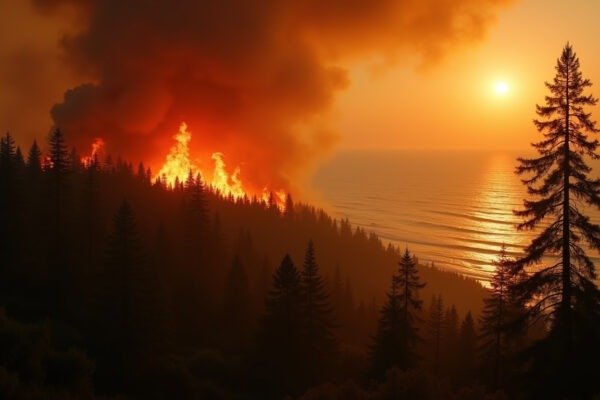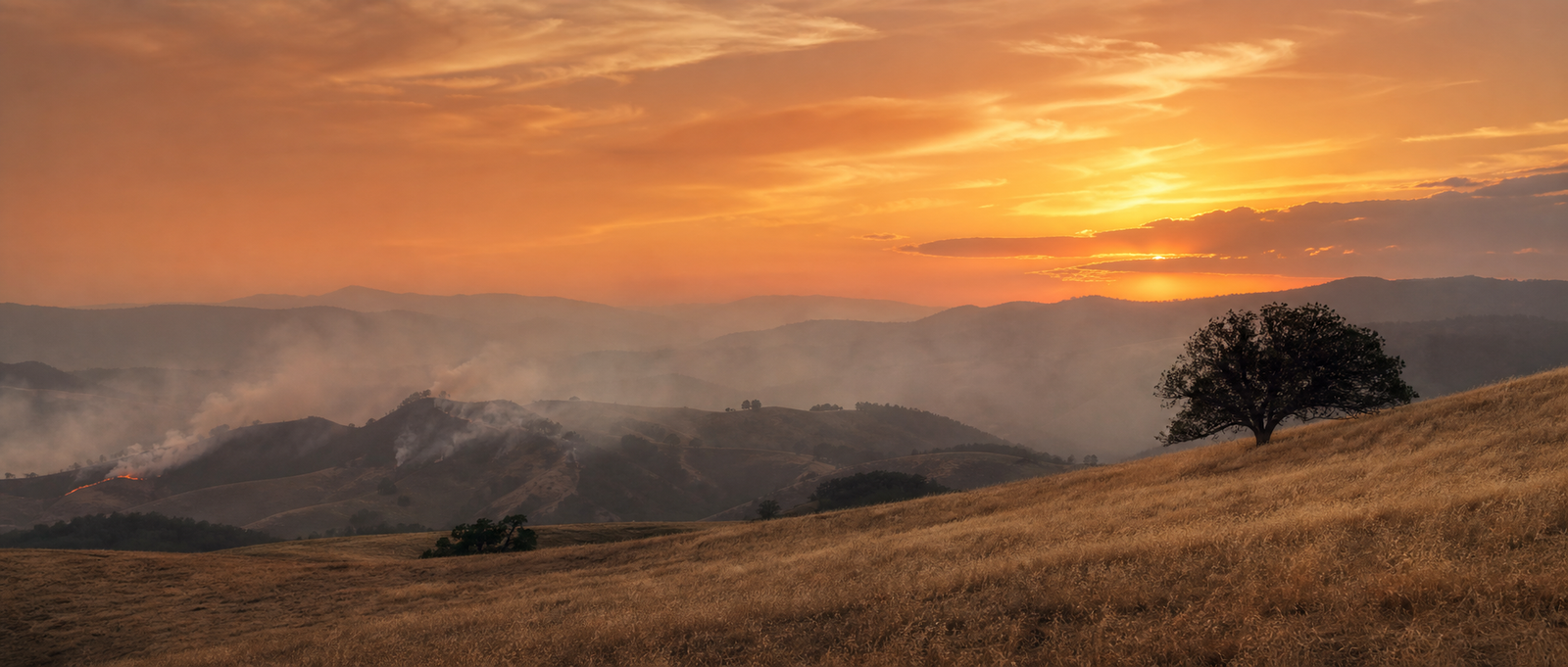
The 2026 wildfire season is already breaking records before summer officially begins. Across the western United States and the Southeast, hot, dry conditions are fueling fires weeks ahead of schedule. Here is what is driving this year’s extreme fire risk, and the practical steps that can protect your home and your family.
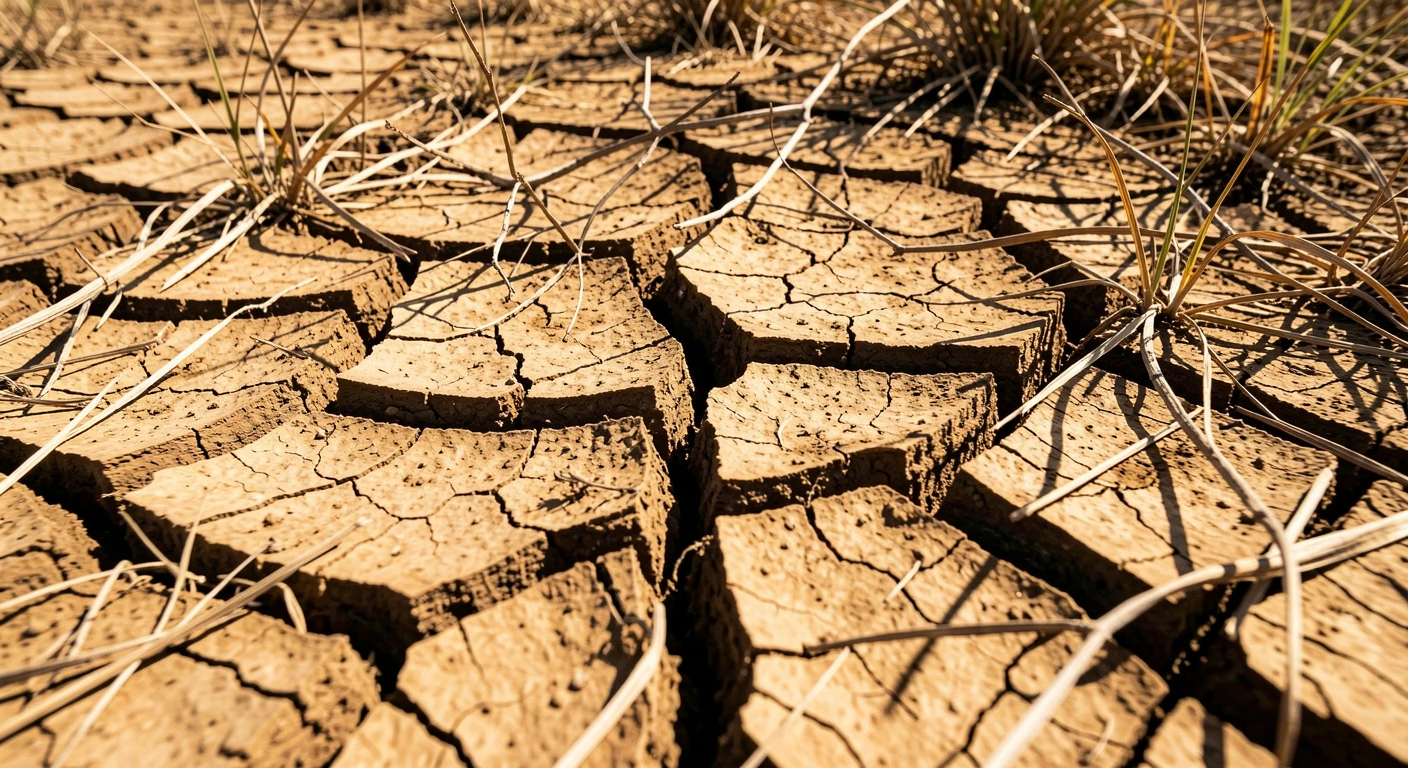
The Heat Is Already Here
June 2026 is not even over yet, and fire agencies across the western United States are already on high alert.
In Oregon, officials issued burn bans in mid-June as hot, dry, and gusty conditions settled over the region. Down in the Southeast, tens of thousands of acres have already burned across Georgia and Florida, fueled by one of the worst early-season droughts in years.
“Drought is the driving force behind this fire risk. Widespread drought has left fuels extremely dry.”
Brandon Buckingham, AccuWeather Meteorologist
This is not a normal start to fire season. And scientists say it is about to get worse.
Why 2026 Is Different
Two big forces are colliding this year, and neither one is subtle.
First, the planet is simply hotter than it used to be. The BBC reports that many extreme weather events, heatwaves, droughts, wildfires, floods, are becoming more frequent and more intense because of rising global temperatures. Longer, hotter heatwaves dry out vegetation faster. That creates more fuel. More fuel means bigger fires.
Second, 2026 marks the arrival of a new El Nino. And this one is being described by some scientists as a potential super El Nino.
What El Nino Actually Does
El Nino is the warm phase of a natural climate pattern in the Pacific Ocean. It shifts weather patterns across the entire planet. For a complete explanation, read our El Nino complete guide.
During El Nino years, some regions get much drier. Others get drenched. The tropics often get hit hardest, but North America feels it too. The western and southeastern US tend to experience hotter, drier conditions during El Nino summers. That is exactly what is happening right now.
DW News reports that the combination of El Nino and human-caused warming could trigger extreme fires across multiple continents this year.
In other words, the natural cycle is amplifying an already-warm planet. The result: a longer fire season, larger fires, and more communities at risk.
The Numbers Tell the Story
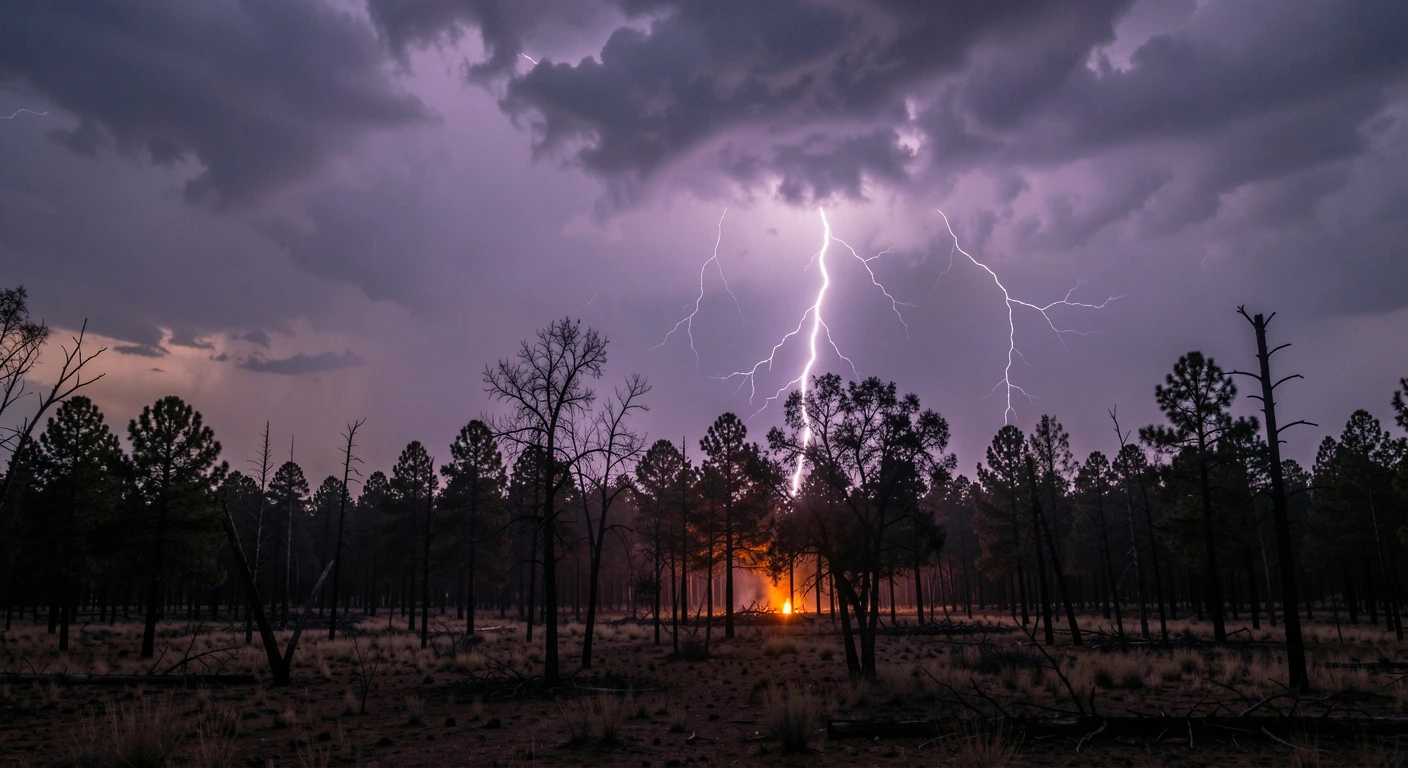
Lightning alone strikes the United States roughly 25 million times per year, according to the National Weather Service. Most of those strikes happen during summer thunderstorms, the same storms that often roll through dry landscapes with very little rain.
A single lightning strike on bone-dry grass can start a blaze that grows to thousands of acres within hours.
And it is not just lightning. Human activity, campfires, cigarettes, power lines, even a spark from a lawnmower hitting a rock, ignites the majority of wildfires in the US.
In 2026, with drought gripping large parts of the country, every spark is more dangerous than usual.
2026 Wildfire Risk Factors
| Factor | Impact |
|---|---|
| US lightning strikes | 25 million per year |
| Human-caused fires | ~85% of all US wildfires |
| El Nino effect | Hotter, drier West and Southeast |
| Early-season drought | Fuels already extremely dry |
| Heat dome frequency | Increasing with global temps |
How to Protect Yourself and Your Home
You do not need to live in fear. But you do need a plan. Here are practical steps that actually make a difference:
Create Defensible Space Around Your Home
- Clear Zone 1 (0-5 feet). Remove all dead plants, leaves, and flammable debris from this zone. Use gravel or stone instead of mulch.
- Maintain Zone 2 (5-30 feet). Keep grass mowed to 4 inches or shorter. Trim tree branches so they are at least 10 feet from your chimney and other trees.
- Manage Zone 3 (30-100 feet). Remove dead vegetation. Thin trees so canopies do not touch. Move firewood piles at least 30 feet from the house.
Have an Evacuation Kit Ready
- Pack essentials now. Medications, important documents, phone chargers, N95 masks, water, change of clothes. Keep it somewhere you can grab in 60 seconds.
- Include pets. Food, leash, carrier, and vaccination records.
- Store digitally. Take photos of important documents and save them to a secure cloud folder.
Know Your Zone and Your Route
- Find your zone number. Many counties use “Know Your Zone” evacuation systems. Look up yours at Ready.gov.
- Plan two routes out. At least two ways out of your neighborhood. Practice the drive once.
- Do not wait. When an evacuation order comes, leave immediately. Waiting to see the flames is the most common fatal mistake.
Stay Informed, Not Overwhelmed
- Download the FEMA app. Free real-time emergency alerts at fema.gov.
- Follow local fire departments. Social media accounts often post faster than news outlets.
- Check the Fire Weather Outlook. The Storm Prediction Center issues daily fire weather forecasts.
The Bottom Line
2026 is shaping up to be a tough wildfire year. The combination of drought, heat, and a strengthening El Nino means conditions are primed for fast-moving fires, especially in the western and southeastern United States.
But preparation works. Creating defensible space, having an evacuation plan, and staying informed are not just smart moves, they save homes and lives.
The science is clear on what is coming. What you do with that information is up to you.
Written by NatureWeatherHub, your simple guide to weather, nature, and the planet.
Sources: AccuWeather; BBC News Climate; DW News; National Weather Service Lightning Safety; Ready.gov; NOAA Fire Weather Outlook.