July 23, 2026. On Wednesday morning, a fire crew in southern France walked into a burning pine forest near Le Porge. By nightfall, two of them were dead. Six hundred miles away in Sicily, another firefighter fell as flames overran his position. Across three countries and a dozen fire fronts, the Europe wildfires July 2026 crisis reached its deadliest day yet.
What Happened
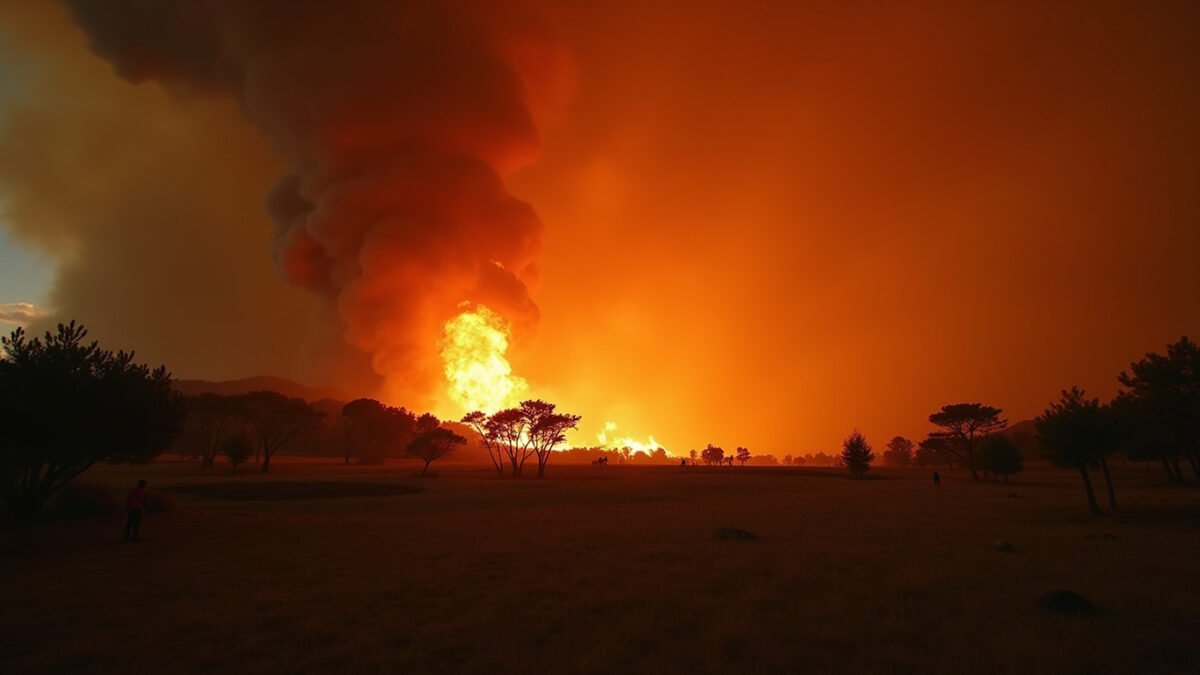
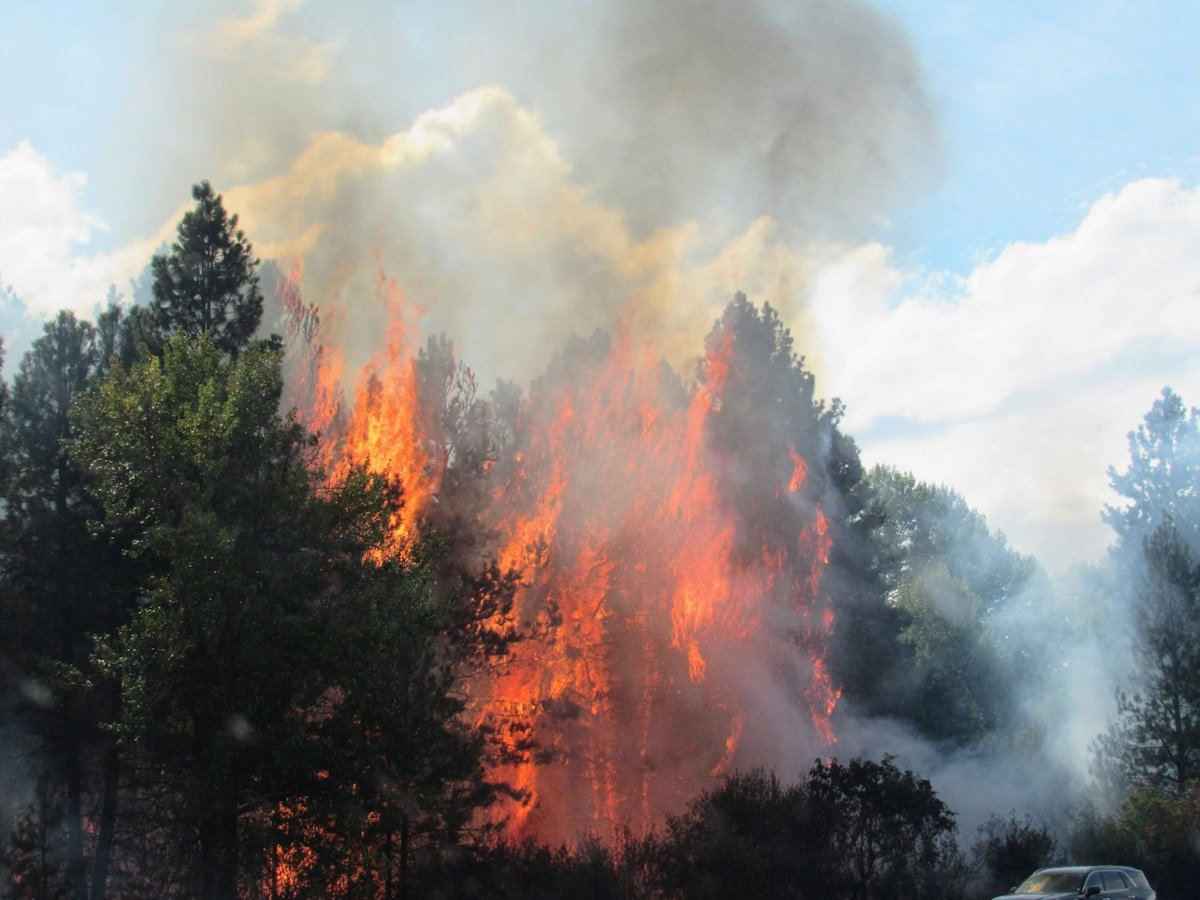
Wildfires swept across southern France, Italy, and Spain on July 23, 2026, killing three firefighters and forcing at least 12,000 people from their homes. The blazes, fueled by extreme heat and parched vegetation, tore through pine forests, coastal communities, and rural farmland from the Atlantic coast to the Mediterranean.
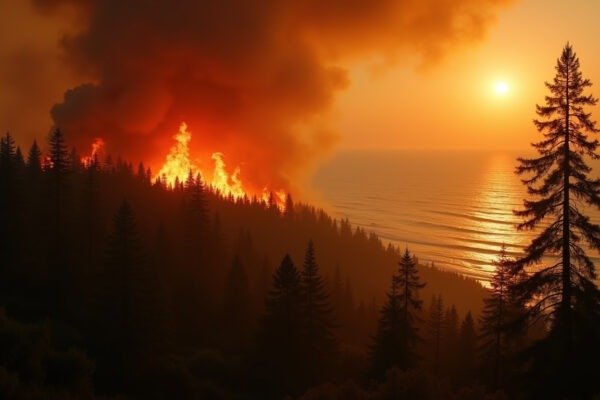
In France, wind-whipped flames consumed thousands of acres near Le Porge and the Cap Ferret peninsula, an area already scarred by fires earlier in the month. Two French firefighters died while battling the blazes in the Gironde region. Local authorities expanded evacuation orders as flames jumped firebreaks and advanced on residential areas. The crisis mirrors what 2026 has become globally for wildfires.
In Sicily, wildfires erupted across the island’s eastern and central regions, killing one firefighter and threatening villages in the provinces of Messina and Palermo. Temperatures on the island climbed past 42°C (108°F), turning hillsides into fuel. Italy’s civil protection agency deployed additional aircraft as ground crews struggled to contain multiple fronts.
In central Spain, fires near Toledo and Ciudad Real forced hundreds to evacuate. Firefighters worked through the night to protect homes on the outskirts of several towns, as strong winds pushed flames toward populated areas.
Why the Europe Wildfires July 2026 Are So Severe
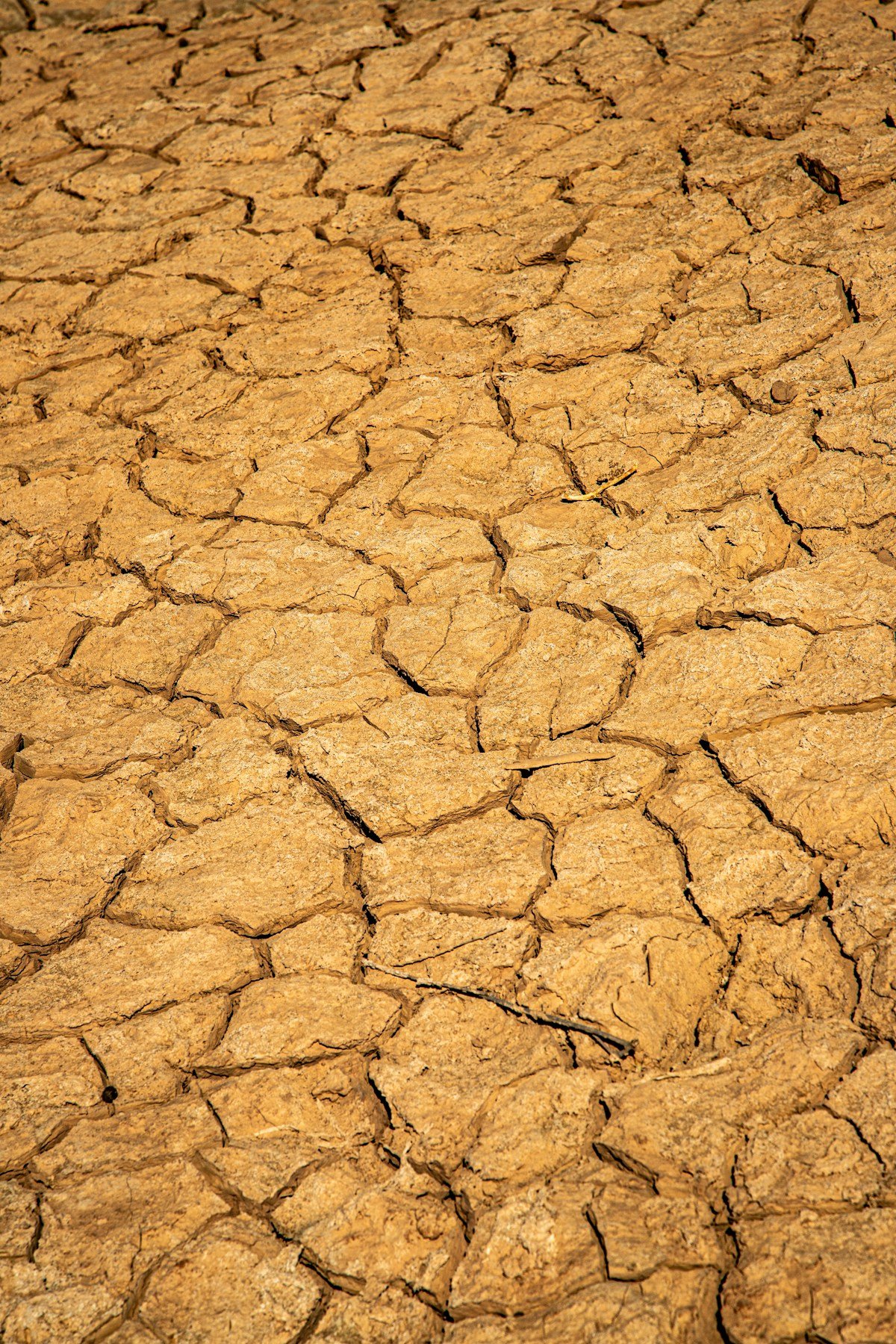
The Mediterranean has become a tinderbox. A punishing sequence of heatwaves has baked southern Europe since June, leaving soils and vegetation drier than in any comparable period over the past two decades. When winds pick up, a single spark from a power line, a cigarette, or dry lightning can ignite a fire that spreads faster than firefighters can respond.
According to the European Forest Fire Information System (EFFIS), 2026 fires have already burned more land across the continent than the two-decade average for an entire year. And the summer is only half over. The heatwave that settled over the Mediterranean this week pushed temperatures above 40°C (104°F) across France, Italy, and Spain, creating what meteorologists call “fire weather.” That is the dangerous intersection of high heat, low humidity, and strong winds. These are the same conditions that produce the heat domes now trapping hot air over entire regions.
Climate scientists describe this as part of a broader pattern. The Mediterranean region is warming 20% faster than the global average, according to the European Environment Agency. Longer, hotter summers mean the fire season now stretches from May through October. That is double what it was a generation ago. The Europe wildfires July 2026 are not an anomaly. They are what a hotter continent looks like.
How It Affects People
The human toll reaches beyond the three firefighters who died. In the Gironde region of France, families packed cars with belongings and pets, unsure if their homes would still be standing when they returned. “We left with the smoke in the rearview mirror,” one evacuee told reporters. “You don’t know if you’re saying goodbye forever.”
In Sicily, farmers watched olive groves and vineyards burn. These were livelihoods that took decades to build, consumed in hours. The island’s agricultural sector, already strained by water shortages, now faces millions of euros in fire damage. Rural communities in Spain reported similar losses, with livestock lost and grazing land reduced to ash.
The health impact is also mounting. Wildfire smoke carries fine particulate matter (PM2.5) that penetrates deep into the lungs. It worsens asthma. It triggers bronchitis attacks. It strains hearts already weakened by the heat. Hospitals in Bordeaux and Palermo reported increases in respiratory emergency visits as smoke drifted into urban areas.
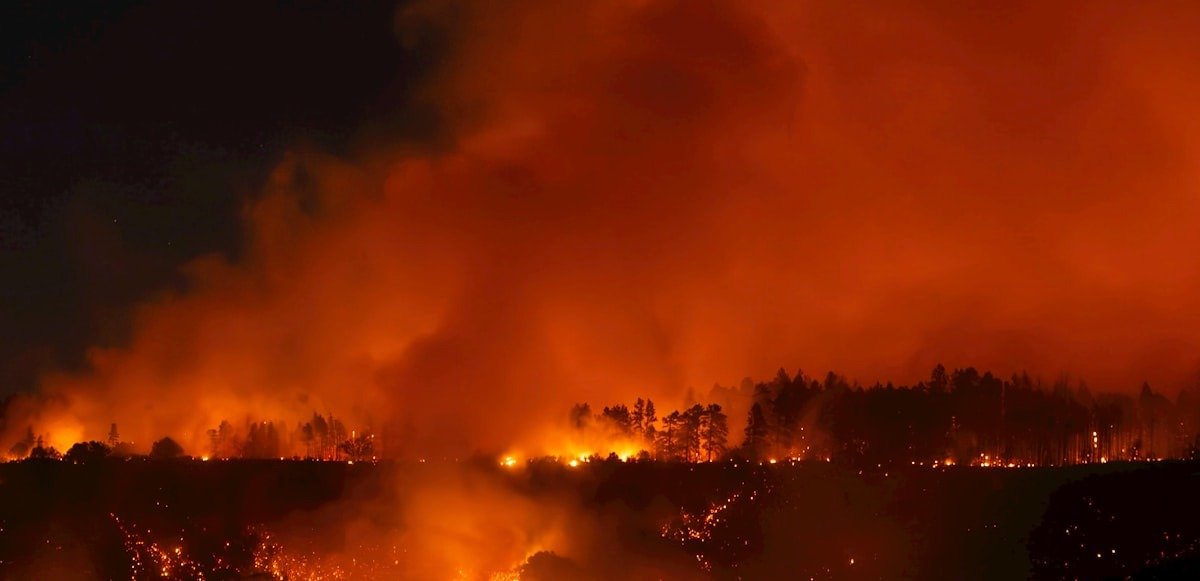
Tourism, the economic backbone of Mediterranean summer, has taken a direct hit. Beaches near Le Porge were closed. Campgrounds evacuated. The images of orange skies and burning forests broadcast worldwide are already affecting bookings for August, according to local tourism boards.
Why It Matters
These are not isolated fires. They are part of a pattern that has become Europe’s new summer reality. The European Environment Agency has warned that the continent is the fastest-warming on Earth, and wildfire risk is increasing faster than adaptation measures can keep up. Countries that once viewed wildfires as a Mediterranean problem now see them regularly. Germany, Sweden, and the United Kingdom have all faced their own destructive blazes in recent years.
Firefighting resources are stretched thin. The European Union’s rescEU fleet of firefighting aircraft has been deployed across multiple countries simultaneously, something the system was not designed to do at this scale. When France, Italy, and Spain all need the same planes on the same day, hard choices get made about which fires to fight and which communities to leave exposed.
What We Can Learn
Every destructive fire season teaches the same lesson, and every year it becomes harder to ignore. The conditions that produce catastrophic wildfires are the direct result of a warming climate. Extreme heat, prolonged drought, and dry vegetation form the chain. Fire agencies across Europe are shifting resources from seasonal response to year-round preparedness, but the scale of the challenge is outpacing the response.
The firefighters who died this week were doing what their profession has always done. They stand between fire and community. As fire seasons lengthen and intensify, that stand grows more dangerous. Supporting wildland firefighters with better equipment, earlier detection systems, and community-level evacuation planning is no longer optional. It is the price of living in a hotter world. The Europe wildfires July 2026 have made that price painfully clear.
Key Facts
- 3 firefighters killed: 2 in France (Gironde region), 1 in Italy (Sicily)
- 12,000+ people evacuated across France, Italy, and Spain
- Temperatures above 42°C (108°F) recorded in Sicily during the fires
- 2026 European wildfire acreage already exceeds the two-decade annual average
- Mediterranean warming 20% faster than the global average
- Multiple countries competing for EU firefighting aircraft simultaneously
Sources
- UPI: Southern Europe wildfires kill 3 firefighters, force 12,000 evacuations
- France 24: Wildfires ravage Spain, France and Italy
- Euronews: Wildfires rage across parts of France, Spain and Italy
- DW: Europe wildfires prompt evacuations in France, Spain, Italy
- European Environment Agency: Mediterranean climate data