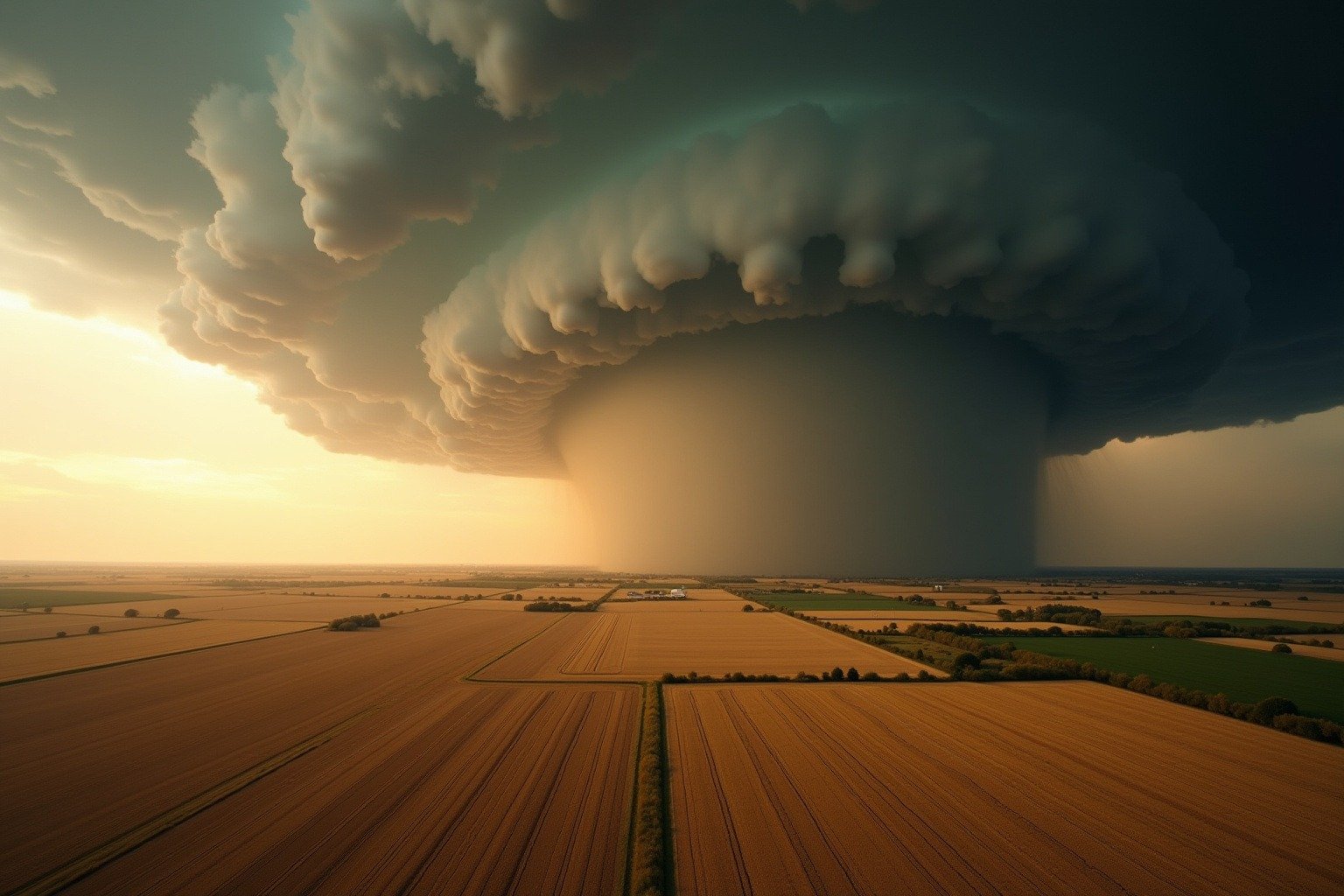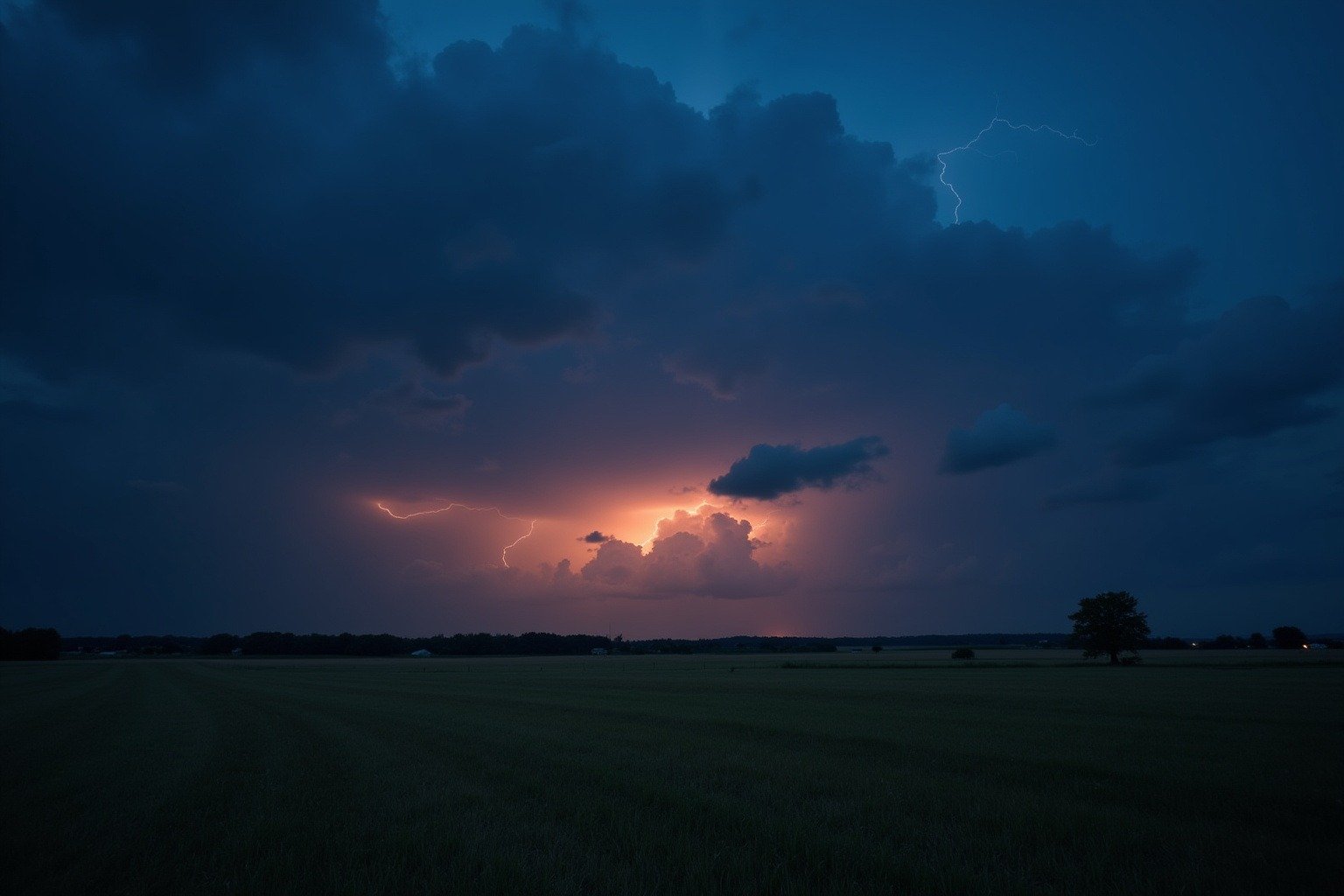
The summers feel hotter, the rain hits harder, and winters do not stay cold the way they once did. If you have noticed these shifts but never quite understood what connects them, this article is for you.
Most people have heard the term climate change. Far fewer can explain what climate change is in simple terms, or how it connects to the weather outside their window.
This guide walks through it step by step: what climate change means, what causes it, how it changes rain and heat and storms, why it matters right now, and what we can actually do about it. No science background needed.
1. How to Explain What Climate Change Is
The first thing to understand is the difference between weather and climate. They are not the same thing.
Weather is what is happening right now, or this week.
Is it raining? Is the sun out? Will tomorrow be windy?
Weather is short-term. It changes hour to hour, day to day.
Climate is the long-term pattern. It is what the weather does over decades, typically 30 years or more.
Climate tells you what kind of winters to expect where you live. Climate tells you whether your region gets most of its rain in spring or fall.
Here is a way to think about it. Climate is your wardrobe. Weather is what you wear today.
Your wardrobe represents the full range of clothing you own because of the climate you live in. Choosing a jacket this morning because it is cold outside is a weather decision.
Climate change means that over time, you need an entirely different wardrobe than your grandparents needed.
This distinction matters because it clears up a common misunderstanding. A single cold day in July does not mean global warming stopped. That is weather.
But if July temperatures in your city have risen by 2 degrees over the past 50 years, that is climate change.
In simple terms: Climate change is a long-term shift in the average weather patterns that define Earth’s local, regional, and global climates. Right now, those shifts are happening faster than at any point in recorded history, and human activity is the main driver.
If you need to explain what climate change is to someone in one sentence, that is it.
So what exactly is driving it? That brings us to the greenhouse effect.
2. What Causes Climate Change
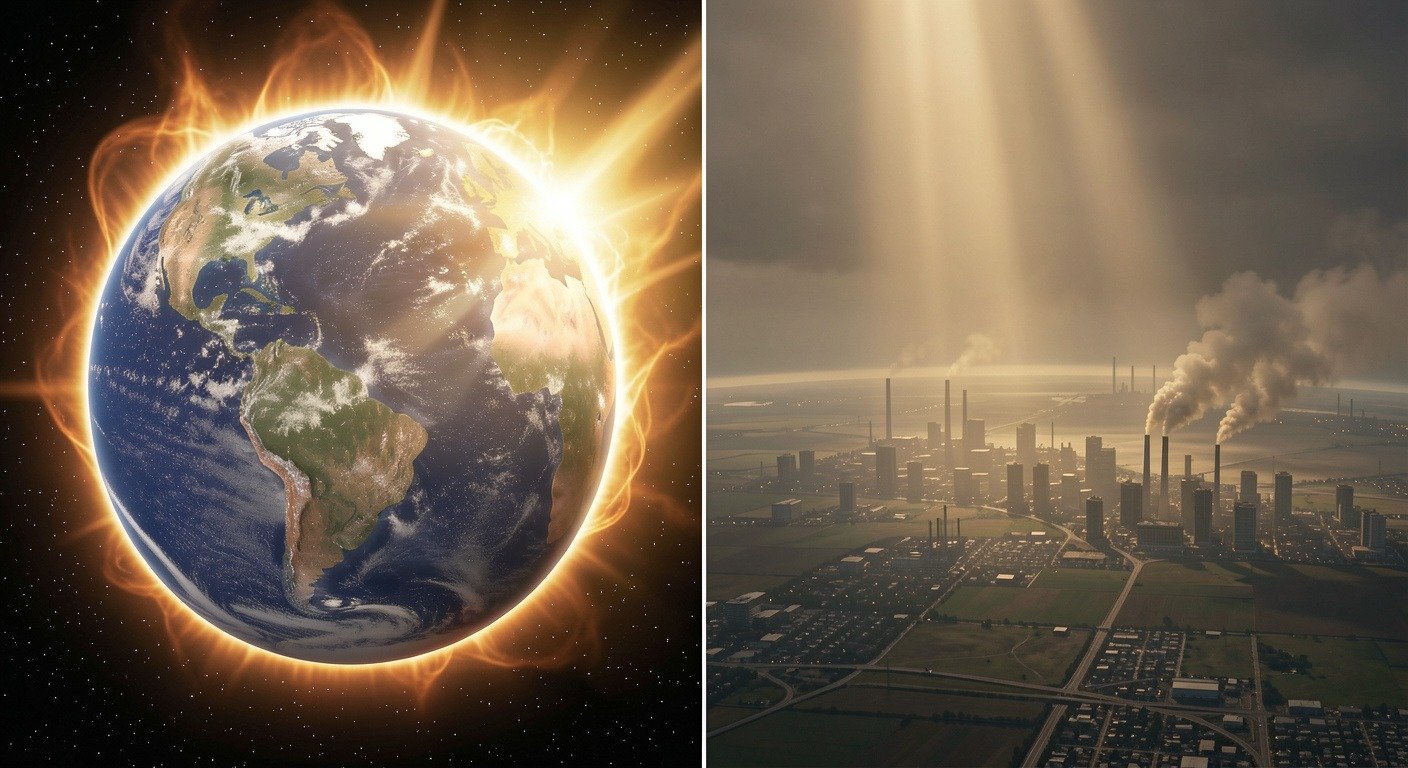
The Earth stays warm enough for life because of a natural process called the greenhouse effect. Here is how it works.
Simple explanation: The atmosphere acts like a blanket around the planet. Sunlight passes through and warms the ground and oceans. Some of that heat tries to escape back into space, but certain gases in the atmosphere trap a portion of it.
This keeps Earth at a comfortable average temperature. Without this natural blanket, the planet would be a frozen ball of ice.
The term: This is called the greenhouse effect, named because it works like a greenhouse. Glass lets sunlight in and traps heat inside, keeping the interior warmer than the outside air.
Real-world example: Think of a car parked in the sun on a warm day. Sunlight goes through the windows and heats the seats, the dashboard, the steering wheel. But that heat cannot escape easily.
Within minutes, the inside of the car is much hotter than the air outside. Earth’s atmosphere does the same thing, just with invisible gases instead of glass.
The natural greenhouse effect is a good thing. It is why life exists on Earth. The problem is that humans have been adding extra thickness to the blanket.
Simple explanation: By burning coal, oil, and natural gas for energy, and by clearing forests that would otherwise absorb carbon dioxide, humans are pumping additional heat-trapping gases into the atmosphere. This extra layer traps too much heat, and the planet warms beyond what is natural.
The term: Scientists call this the enhanced greenhouse effect, or anthropogenic climate change. “Anthropogenic” simply means caused by humans.
Real-world example: Imagine sleeping under a thick winter blanket on a mild spring night. One blanket keeps you comfortable. But if someone adds a second heavy blanket on top, you quickly get too hot.
That second blanket is what the extra greenhouse gases are doing to Earth.
The main gas responsible is carbon dioxide, or CO2. In May 2026, the CO2 concentration measured at Mauna Loa Observatory in Hawaii reached 432.34 parts per million.
Before the Industrial Revolution, around 1750, it was roughly 280 parts per million. That means CO2 levels are now about 50 percent higher than they were before humans started burning fossil fuels at scale.
Other greenhouse gases include methane, which comes from agriculture and landfills, and nitrous oxide from fertilizers. Water vapor is also a greenhouse gas, but it acts as a feedback loop: as the atmosphere warms, it holds more water vapor, which traps more heat, which warms the atmosphere further.
Social Media Highlight:
“Climate is your wardrobe. Weather is what you wear today. Climate change is when you need an entirely different wardrobe than your grandparents did.”
3. How Climate Change Affects Weather
If the atmosphere is getting warmer, what does that actually do to the weather we experience? The link between global warming and rain is one of the most direct and well-understood connections in climate science.
Heavier Rain and Stronger Storms
Warmer air holds more water. This is not a theory. It is a physical law called the Clausius-Clapeyron relation.
Simple explanation: Think of the atmosphere as a sponge. A cold sponge can hold a little bit of water. Warm it up, and it soaks up much more.
When you squeeze that warm, saturated sponge, a lot more water comes out. The atmosphere works the same way. For every 1 degree Celsius of warming, the air can hold about 7 percent more moisture.
The term: This is the Clausius-Clapeyron relation, a principle of thermodynamics that governs how much water vapor air can contain at different temperatures.
Real-world example: A cold towel holds only a small amount of water. Put it in the dryer and warm it up, and suddenly it can absorb far more. When the conditions are right for rain, a warmer atmosphere has more water available to dump, so storms become heavier and more intense.
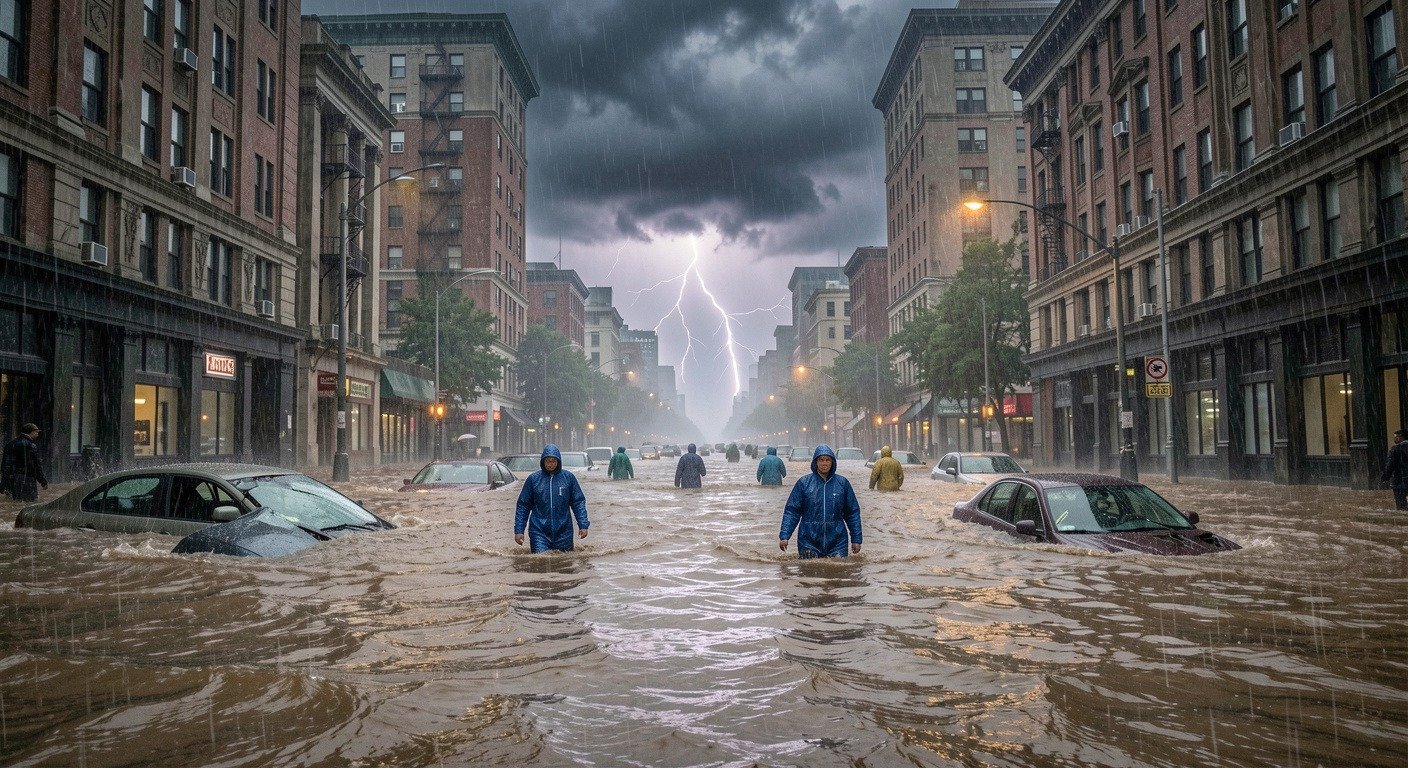
This is why, in a warming world, rainstorms are getting more extreme. When it rains, it pours. According to research published in the journal Nature in March 2026, in a world warmed by 2 degrees Celsius, heavy precipitation over populated areas is projected to increase by 4 to 15 percent.
Wetter Gets Wetter, Dry Gets Drier
Climate change does not affect every place equally. It intensifies existing patterns.
Simple explanation: Think of a garden with one patch that is naturally damp and another that is naturally dry. If you turn up the sun and add more heat energy, the damp patch stays damp but gets more intense bursts of rain from stronger evaporation.
The dry patch, meanwhile, bakes harder and loses moisture faster. The contrast between the two grows wider.
The term: Scientists call this precipitation pattern intensification. Areas that already receive a lot of rain tend to get more. Areas that are already dry tend to get even drier.
This means some communities face more frequent and severe flooding, while others face longer, deeper droughts. These climate change weather patterns are already being observed across the United States and around the world.
Hotter, Longer Heat Waves
A warmer baseline means heat waves start from a higher temperature and last longer. According to NASA and NOAA, 770 million people worldwide experienced record-breaking heat in 2025 alone. The EPA projects that extremely hot days will occur more often across the United States in the coming decades.
These are not just uncomfortable hot days. Extreme heat strains power grids, damages crops, worsens air quality, and poses direct health risks, particularly to older adults, children, and outdoor workers.
For a deeper look at how these changes are already playing out in real weather patterns around the world, read our companion piece: How Climate Change Rewrote the Rules of Weather.
Social Media Highlight:
“For every degree of warming, the air holds 7 percent more water. That is not an opinion. It is a law of physics.”
4. Why It Matters Now
Climate change is not a future problem. It is happening right now, and the pace is accelerating.
According to the IPCC, the United Nations body that assesses climate science, human activities have already caused approximately 1.1 degrees Celsius of warming above pre-industrial levels. The Indicators of Global Climate Change 2025 report, published in June 2026, found that warming has now reached roughly 1.37 degrees Celsius.
The World Meteorological Organization reports that the years 2015 through 2025 were the hottest 11 years ever recorded. Global sea level in 2025 was about 11 centimeters higher than in 1993, driven by melting ice and the thermal expansion of warming ocean water.
Here is a fact worth sitting with: more than 99 percent of peer-reviewed scientific papers agree that climate change is real and caused by human activity. This is not a debate within the scientific community. The consensus is as strong as the consensus that smoking causes lung cancer.
Every fraction of a degree matters. The difference between 1.5 degrees of warming and 2 degrees is not small. It means more intense heat waves, more destructive storms, greater stress on food and water systems, and higher costs for communities everywhere.
The IPCC’s 2023 synthesis report stated plainly that urgent climate action can still secure a livable future for all, but the window for action is narrowing.
5. What We Can Do
The scale of the problem can feel overwhelming. But the same science that explains the challenge also points to solutions. Here are practical actions at two levels.
Individual Choices
The largest sources of greenhouse gas emissions come from how we produce energy, how we move around, what we eat, and how we use land. Individual choices alone will not solve climate change, but they matter.
They send market signals. They build habits that spread through communities.
At home: Use less energy where you can. Switch to LED bulbs. Turn off lights and electronics when not in use.
When appliances need replacing, choose energy-efficient models.
How you move: Walk, bike, or take public transit when practical. If you drive, combining errands into fewer trips helps. For longer distances, consider trains over flights when possible.
What you eat: Reducing food waste is one of the most effective individual climate actions, according to Project Drawdown. Eating more plant-based meals and less red meat lowers your personal carbon footprint. Even one or two meat-free days per week makes a difference.
Talk about it: Research shows that most people underestimate how many others care about climate change. Simply talking about it with friends and family, sharing what you have learned, normalizes the conversation and builds social momentum for bigger changes.
Collective Action
The biggest levers are systemic. Supporting policies that accelerate the transition to clean energy, protect forests, and invest in climate-resilient infrastructure moves the needle far more than any individual action alone.
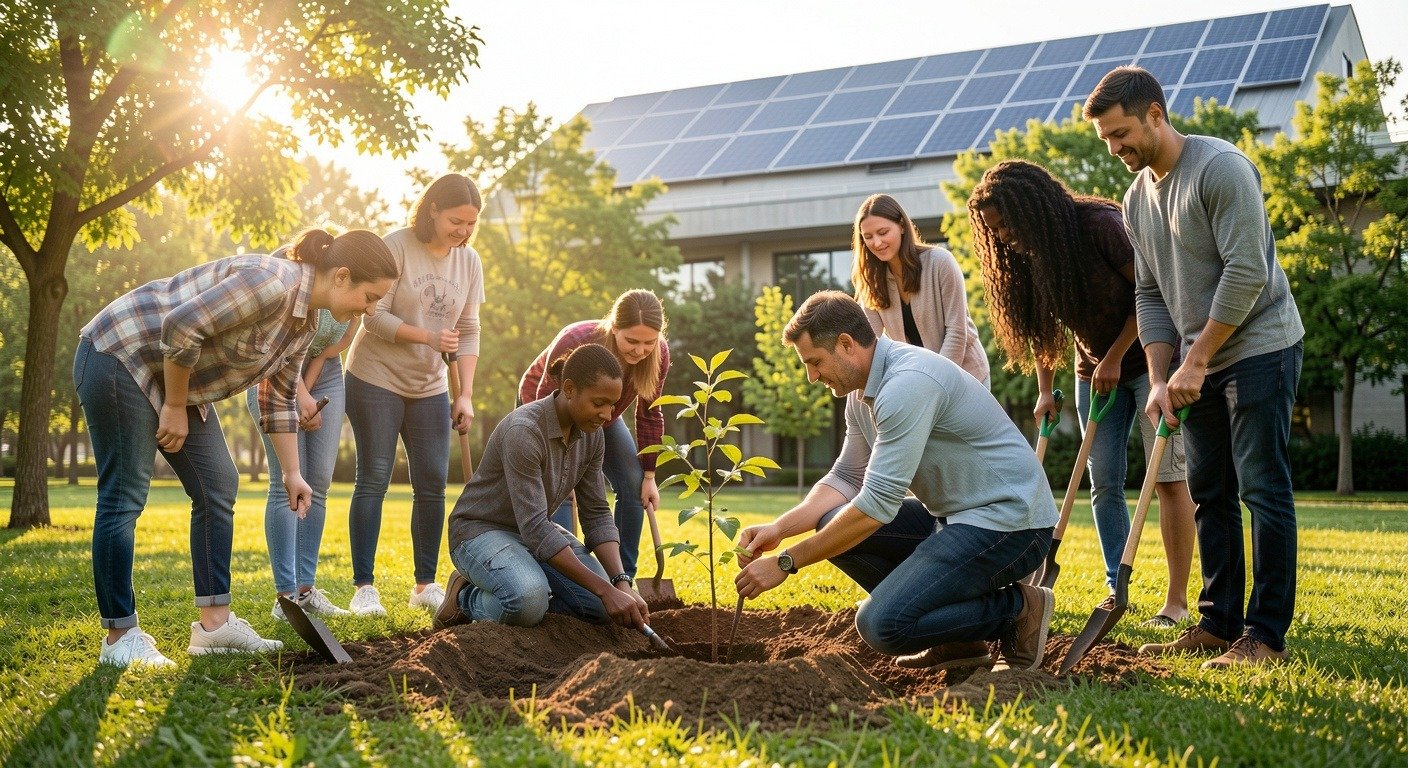
Vote. Support organizations doing credible work. Encourage the companies you buy from to adopt real sustainability practices, not just marketing claims.
The IPCC is clear: the path to limiting warming exists. It requires rapid, sustained cuts in greenhouse gas emissions across all sectors.
It is a big challenge. But it is not a hopeless one.
Final Call to Action
“The science is not a debate. Over 99 percent of climate scientists agree: the planet is warming, and human activity is the main cause. The question now is what we do with that knowledge.”
You now have the tools to explain what climate change is in simple terms: what it means, why it happens, how it changes the weather you experience every day, and why this moment matters. That understanding is the first step. The next one is up to you.
Sources Used
- NASA: Global Climate Change
- NOAA: Climate
- IPCC: Intergovernmental Panel on Climate Change
- WMO: World Meteorological Organization
- EPA: Climate Change
- United Nations: Climate Action
- BBC: What Is Climate Change?
- World Resources Institute
- Nature: Climate Change Research
- Berkeley Earth: Temperature Data
- NOAA: Mauna Loa CO2 Trends
- ESSD/Copernicus: IGCC 2025 Report
- NOAA Climate.gov