Tornado Science: How They Form, Why the Alley Is Shifting, and Staying Safe
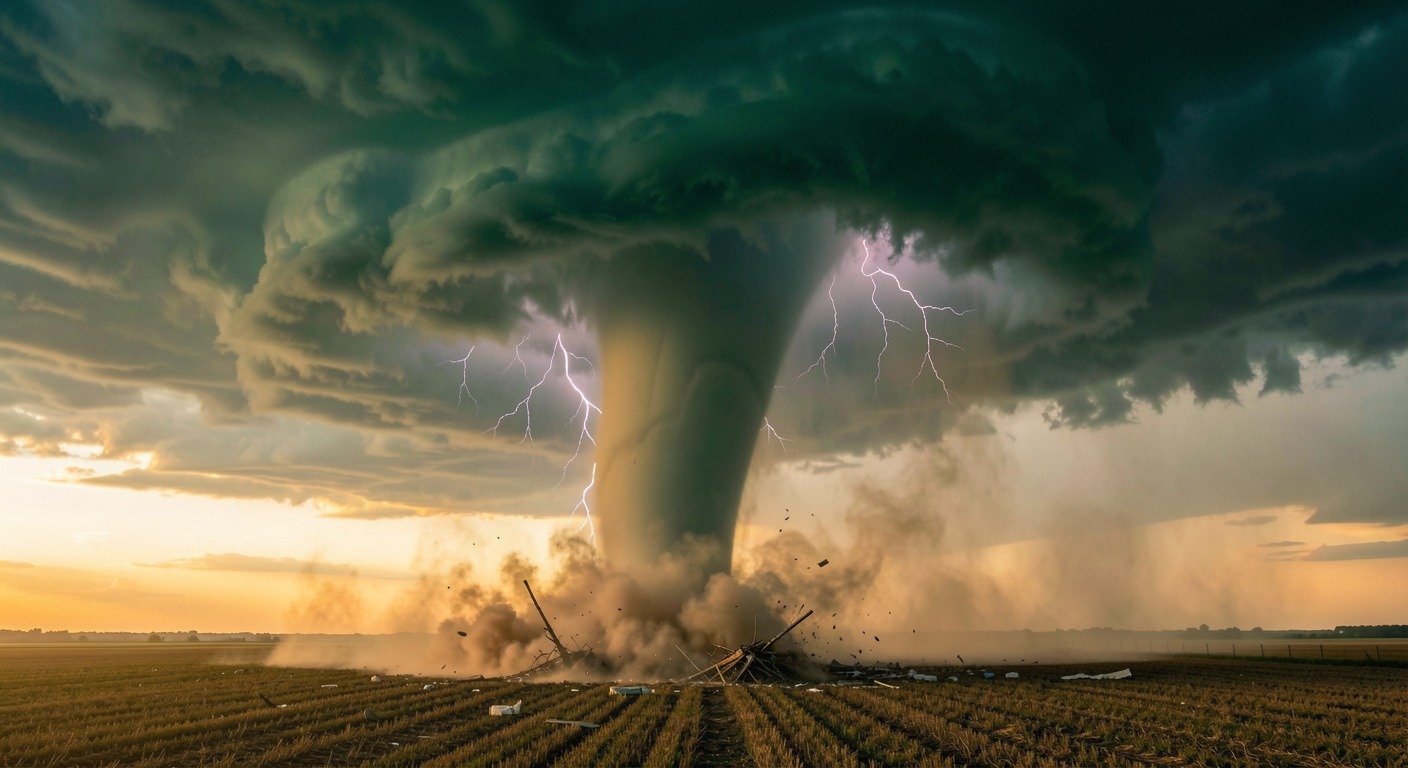
Learn how tornadoes form from supercell thunderstorms, why Tornado Alley is shifting east into the Southeast, and the safety steps that save lives when warnings sound.

Weather explainers and phenomenon portraits — the science behind nature’s most fascinating events, told as stories.
Learn how tornadoes form from supercell thunderstorms, why Tornado Alley is shifting east into the Southeast, and the safety steps that save lives when warnings sound.

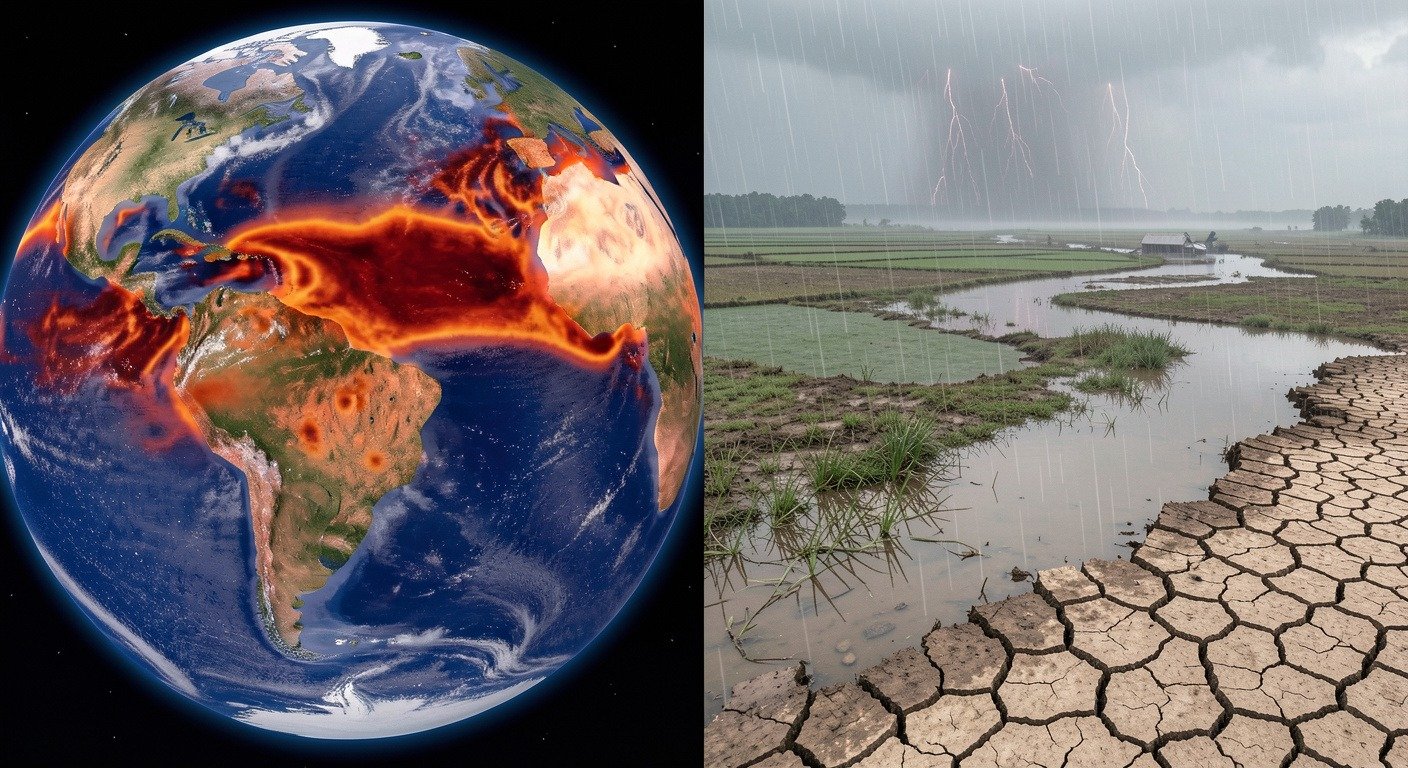
El Niño 2026 has officially arrived. NOAA gives it a 63% chance of becoming a historic event. This comprehensive guide explains what El Niño means for global weather, hurricane season, food prices, and your community.
Wet-bulb temperature is the metric that determines whether your body can survive extreme heat. New 2026 research shows deadly thresholds are being crossed now. Here is the science behind why humidity is the real killer and how to protect yourself.
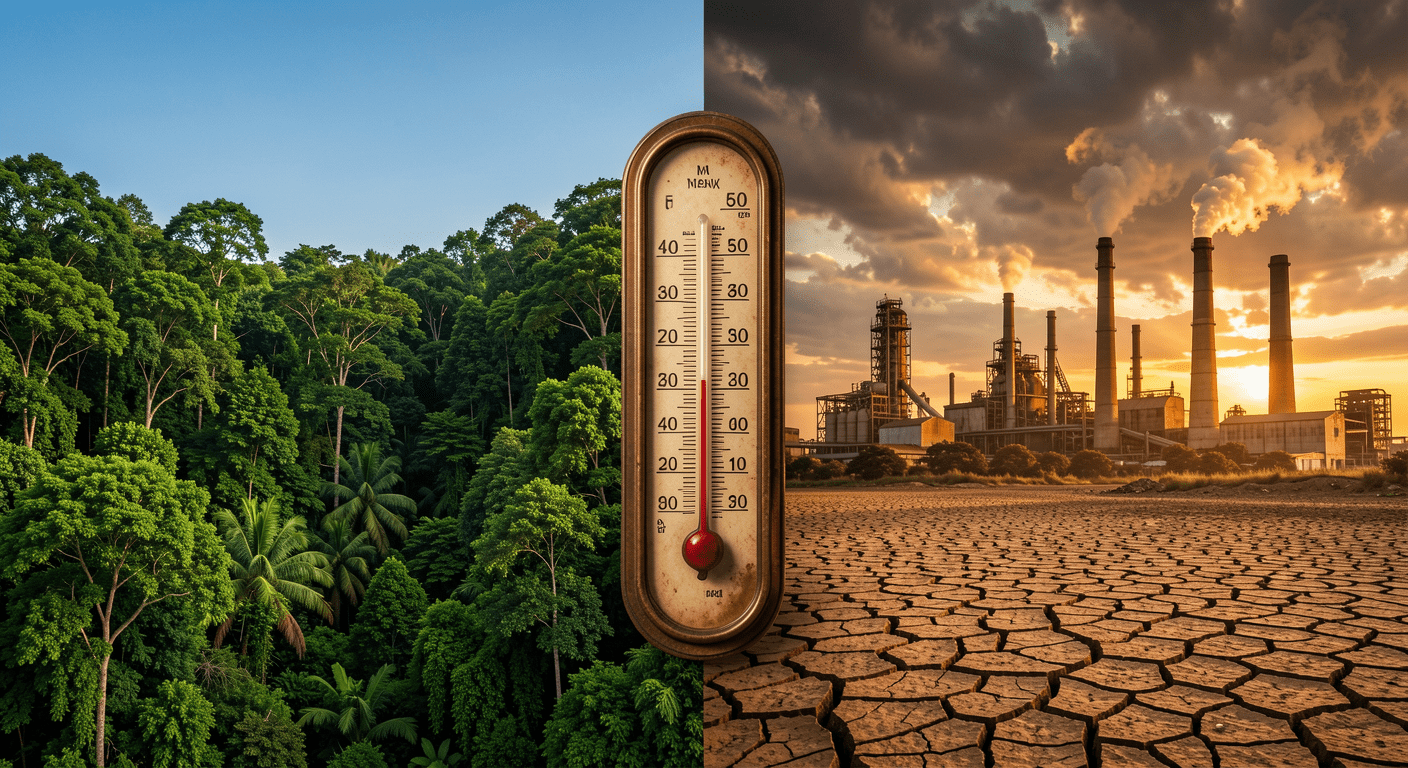
Understand climate change with the latest 2026 data. We explain the greenhouse effect, rising CO2 levels, record temperatures, and how warming affects your health, food, and home right now.
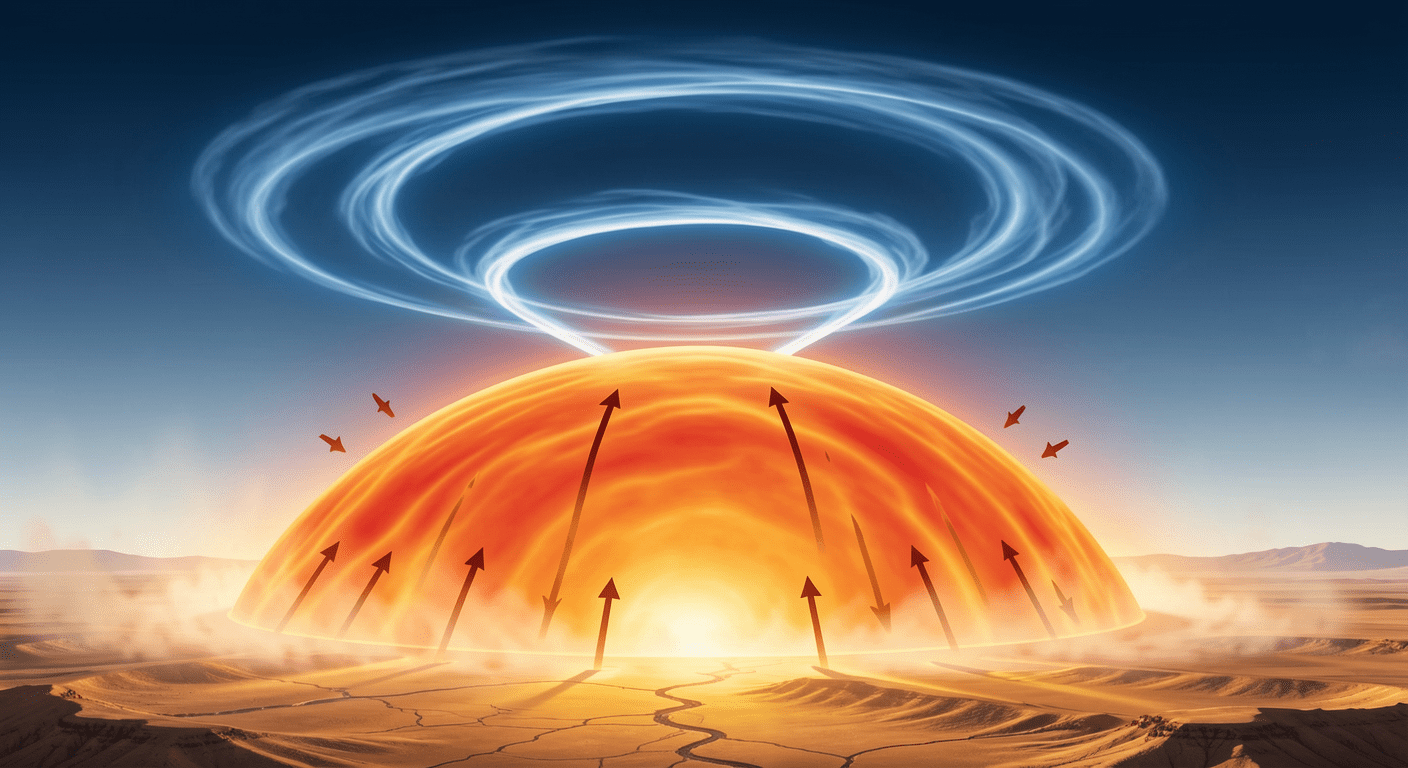
Discover what causes heat waves, how heat domes form, and why climate change is making extreme heat more frequent and deadly. A clear science explainer from NatureWeatherHub.
A heat dome has brought record temperatures to Britain, Spain, and France. Here is the science behind these extreme weather events and why they are intensifying
A complete guide to El Niño: what it is, how it forms, its worldwide impacts on food, health, and communities, and what the 2026 forecast means for you.
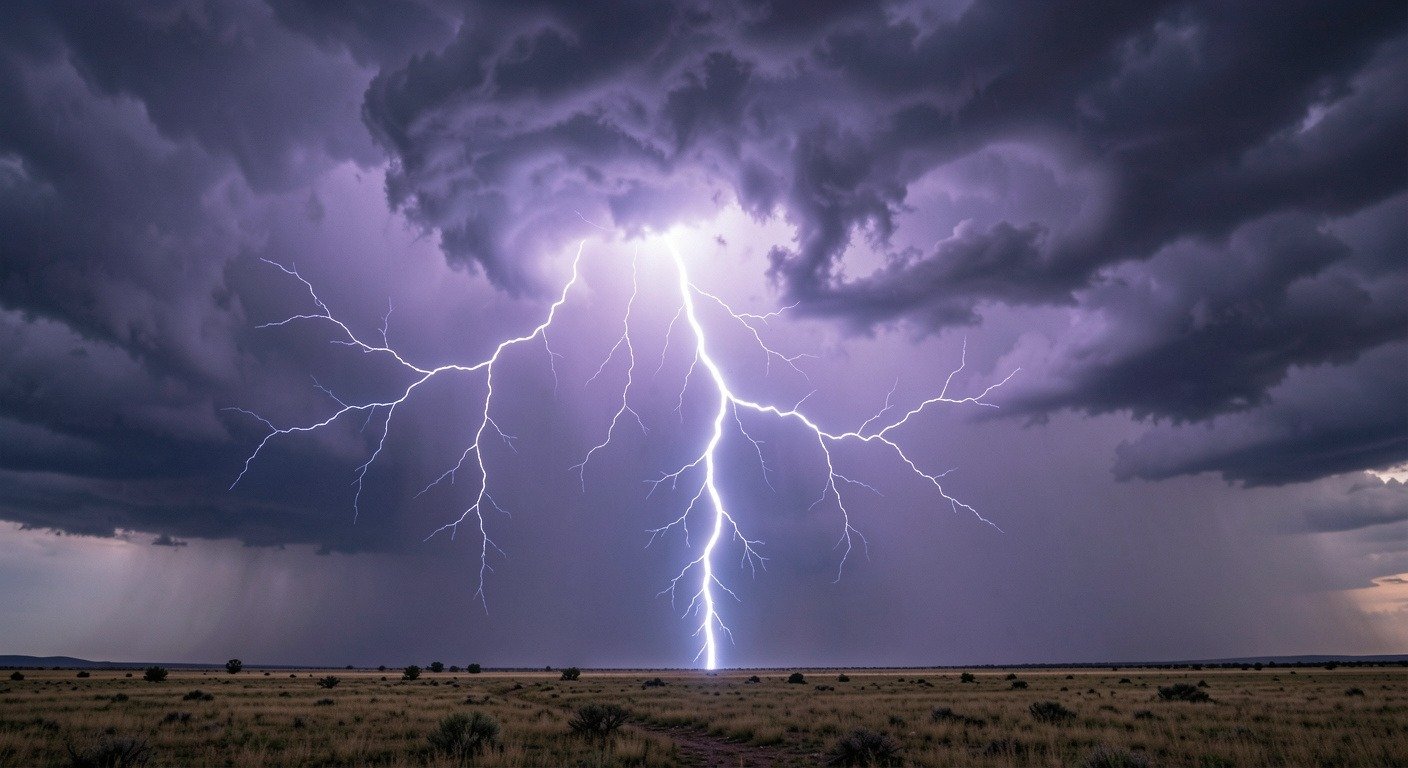
Discover the physics behind thunder’s deafening sound, from lightning superheating air to 50,000°F to why some thunder cracks while others rumble.
A heat burst is a rare weather event where the temperature suddenly spikes 20 to 30°F in minutes, almost always at night, and almost always when a thunderstorm is dying. You expect storms to cool things down. A heat burst does the opposite. In simple terms: When a thunderstorm collapses, rain evaporates in a dry … Read more