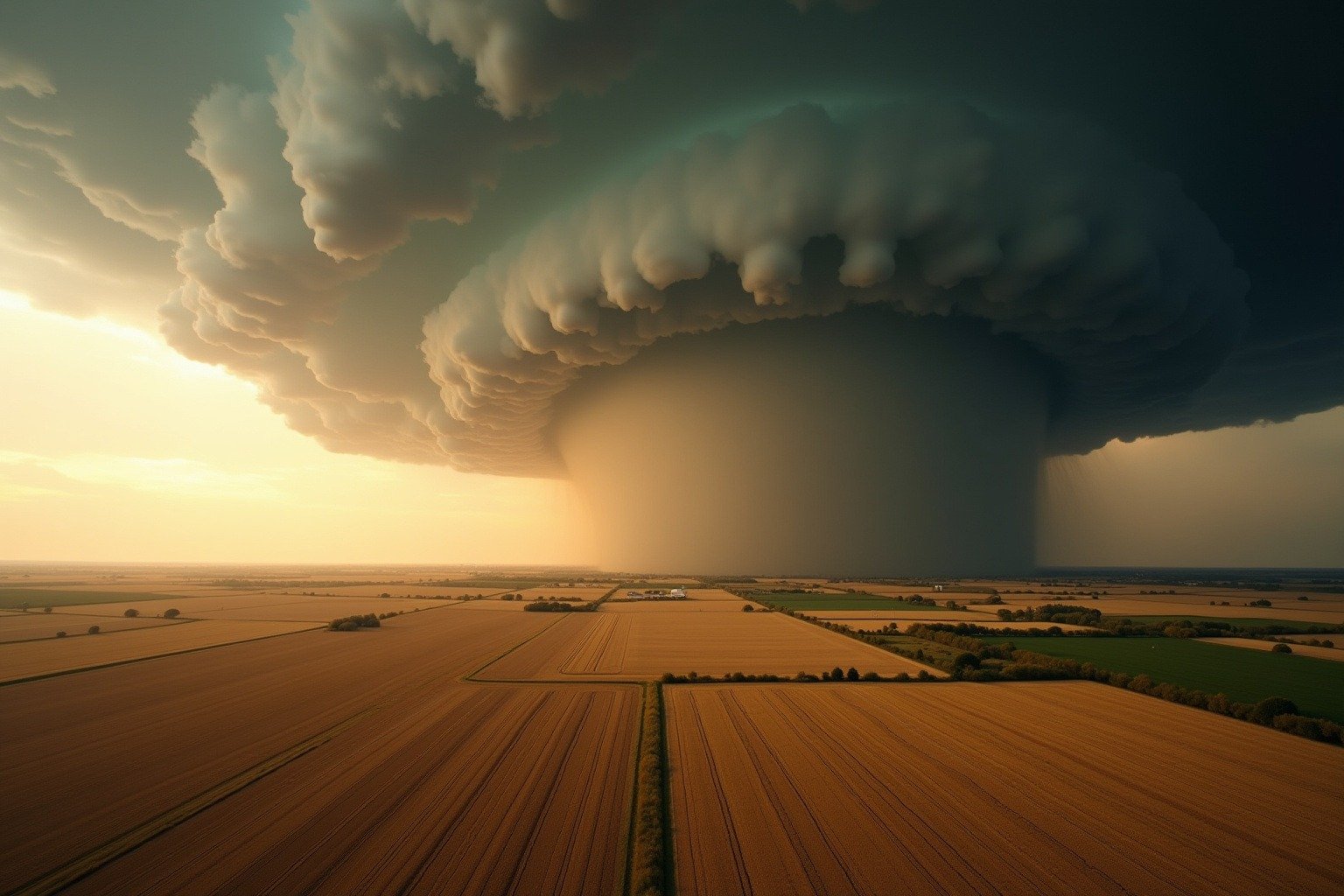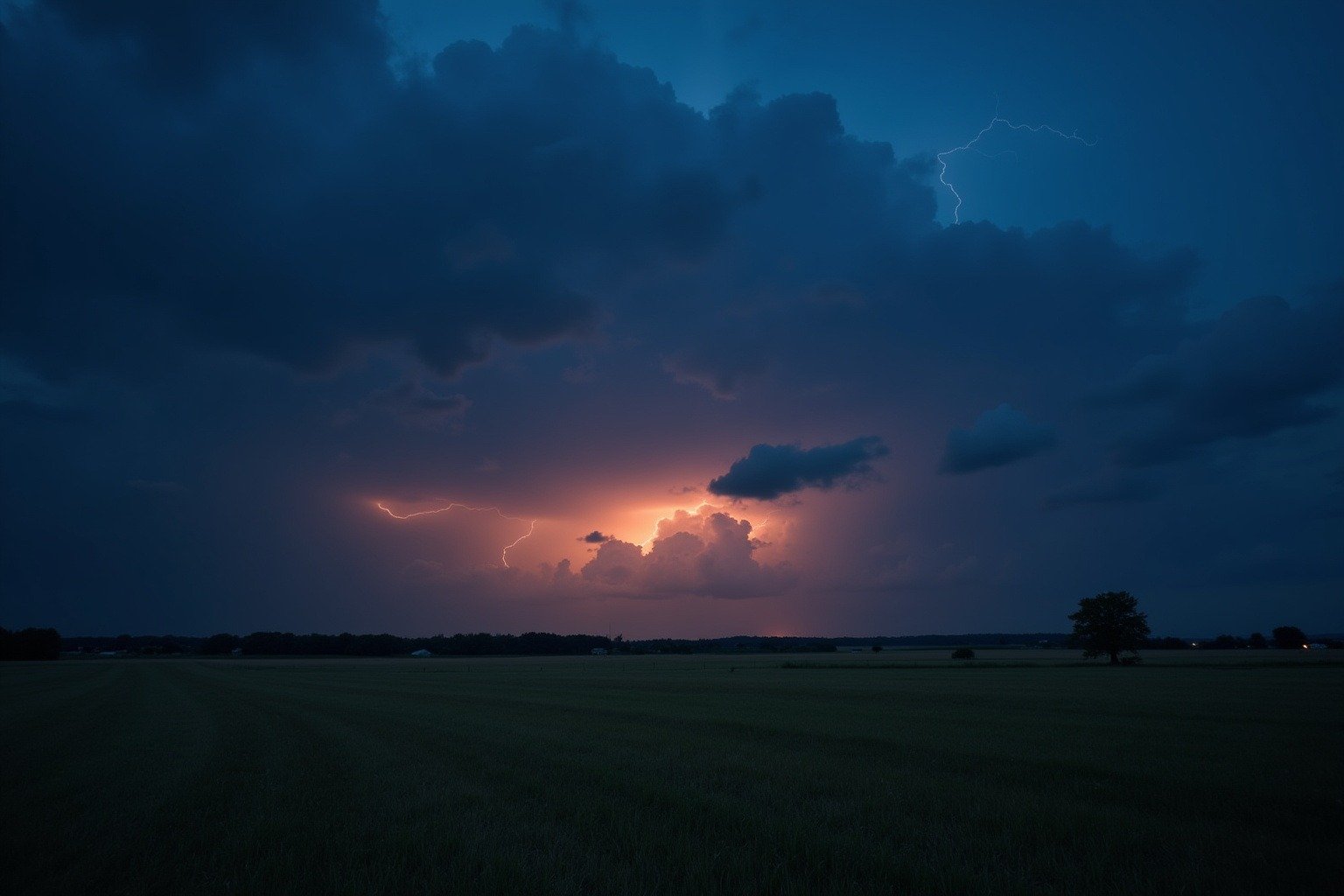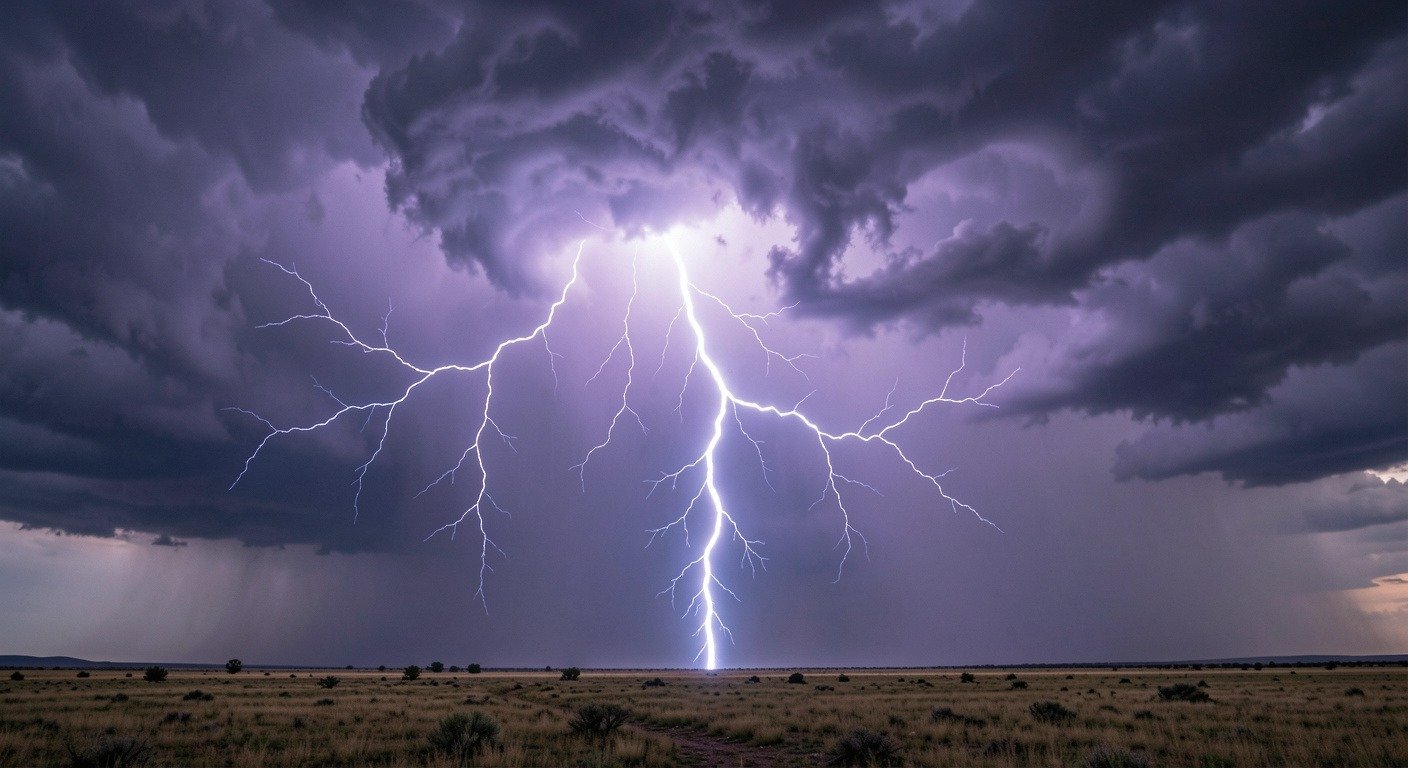
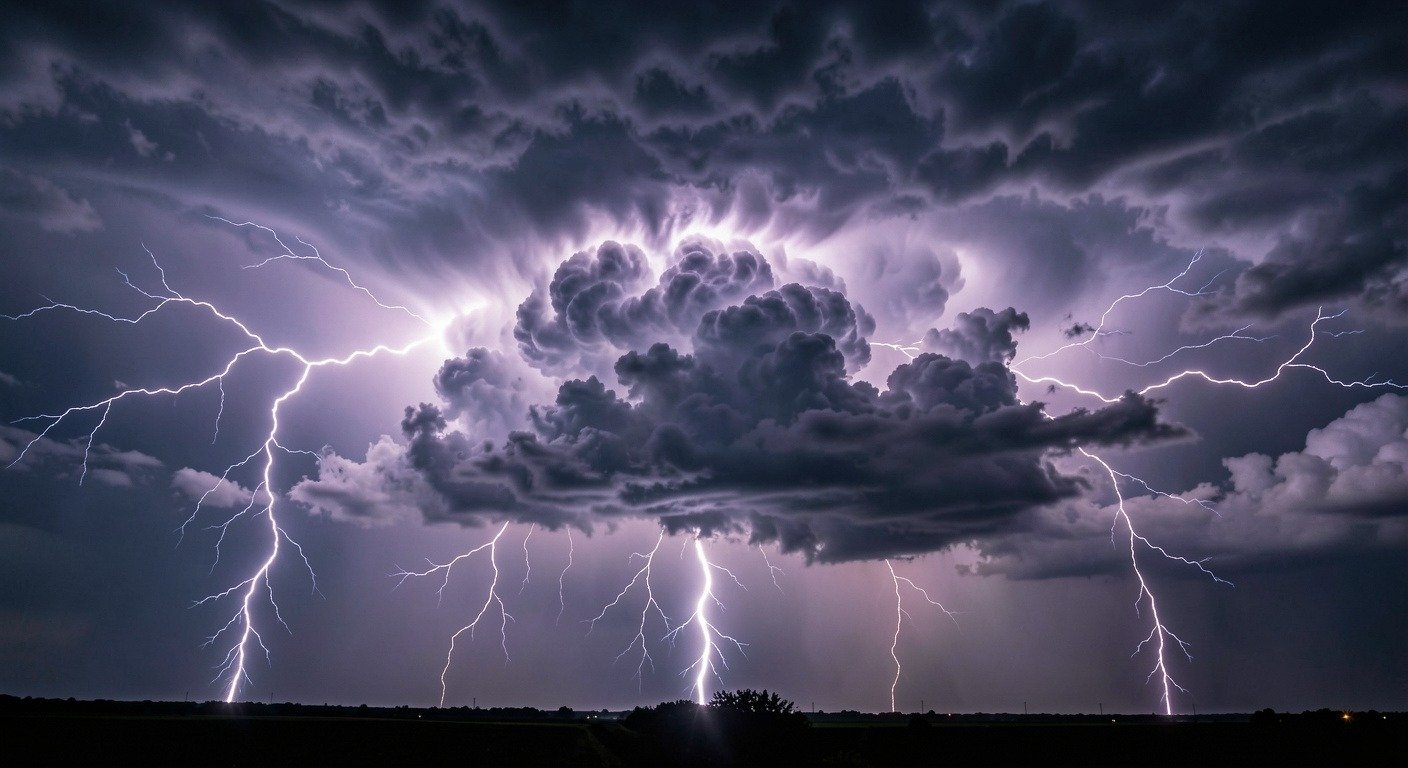
When the storms rolled across the Midwest during the second week of June 2026, the thunder did more than rumble. It cracked like a rifle shot. It boomed until windows shook. Over ten days, more than 1,200 severe storm reports poured in from Illinois, Indiana, Iowa, Kentucky, Ohio, and Wisconsin. Tornadoes touched down on farm fields and suburban streets. Baseball-sized hail shattered car windshields. And beneath every flash of lightning, thunder followed: sometimes a sharp bang, sometimes a long, rolling growl that seemed to echo for miles.
That variation is not random. The sound of thunder tells a story about distance, atmosphere, and the immense physical forces unleashed inside a storm cloud. Thunder is the acoustic signature of one of nature’s most extreme events: a lightning bolt heating the air to a temperature five times hotter than the surface of the Sun.
The Physics of a Shock Wave
Lightning is not just bright. It is incomprehensibly hot. A single bolt can heat the air around its channel to roughly 50,000 degrees Fahrenheit in a fraction of a second, according to the National Oceanic and Atmospheric Administration. Air that hot does not expand gently. It explodes.
Scientists call this explosive expansion. The superheated air pushes outward so violently that it compresses the air ahead of it, forming an acoustic shock wave. That shock wave is thunder. The same physics produces the crack of fireworks and the sonic boom of a jet breaking the sound barrier. That explosive expansion is what makes thunder loud enough to rattle windows miles away.
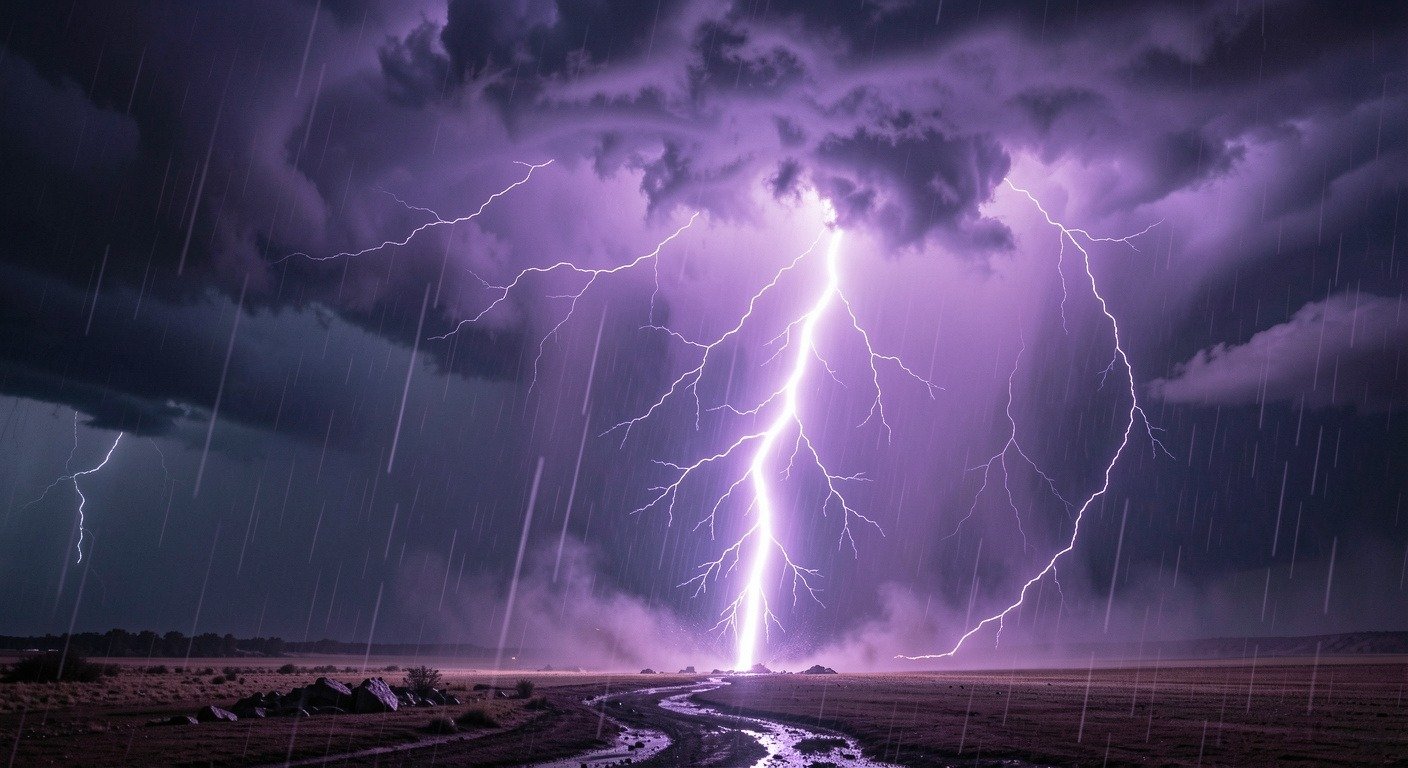
But a lightning bolt is not a single point. It is a channel that can stretch for miles, and shock waves form continuously along its entire length. The sound you hear depends on which part of the bolt is closest to your ear.
When lightning strikes nearby, within a mile or so, the first shock wave to reach you is still sharp and tight. It arrives as a sudden crack, bang, or snap. But shock waves from the distant portions of the same bolt have farther to travel. Over distance, those waves stretch, elongate, and distort. They arrive later, blended together, producing the deep, continuous rumble that rolls across the sky. Millions of overlapping shock waves from a single flash create what we recognize as the long boom of thunder.
Why Some Storms Sound Angrier Than Others
The atmosphere itself shapes what we hear. Sound travels faster in warm air than in cool air. On a typical day, temperature decreases with height, and thunder is normally audible up to about 10 miles. But when a temperature inversion occurs, meaning the air gets warmer with height instead of cooler, the physics changes.
During an inversion, sound waves bend back toward the ground rather than escaping upward. The effect can amplify thunder dramatically, making it sound louder and carry farther than it otherwise would. This is one reason a thunderstorm on a humid summer night can feel especially menacing: the air itself is funneling the sound toward you.
The type of lightning also matters. Intra-cloud lightning, which stays within the cloud and travels mostly horizontally, tends to produce prolonged rumbling because the channel is spread across a wide area. Cloud-to-ground lightning, with its vertical channel, often delivers a louder, sharper initial crack because portions of the bolt are closer to the listener.
What Hearing Thunder Means for You
Thunder is not just noise. It is a warning. The safety rule used by the National Weather Service is blunt and effective: When thunder roars, go indoors. If you can hear thunder, you are within striking distance of lightning, which can travel up to 10 miles from the storm center.
Thunder and Lightning: Key Facts
| Fact | Detail |
|---|---|
| Lightning temperature | ~50,000°F (5x Sun’s surface) |
| U.S. cloud-to-ground flashes/year | ~25 million |
| Annual U.S. lightning deaths | ~20 (10-year average) |
| Thunder audible range | Up to ~10 miles |
| Safety rule | When thunder roars, go indoors |
Lightning injuries are not rare, and they are not always survivable. The United States records roughly 25 million cloud-to-ground flashes every year. In 2025, 21 people were killed by lightning strikes. As of April 2026, one fatality had already been recorded, in Wisconsin. The ten-year average sits at 20 deaths per year. Men account for roughly 80 percent of victims, and the most common scenarios involve outdoor activities such as fishing, farming, sports, and construction.
Survivors often face long-term consequences. Lightning can cause lasting neurological damage, cardiac problems, and cognitive impairment. It is not simply an electrical burn; the current can scramble the body’s internal signaling systems in ways that persist for years.
Thunderstorms also damage homes and infrastructure. The June 2026 Midwest outbreak left more than 82,000 people without power. Lightning strikes can ignite house fires, fry electronics, and disrupt daily life for entire communities. For those who live through a close strike or a direct hit on their property, the psychological effect can be lasting. The sound of thunder, for some, never sounds the same again.
Why It Matters Now
Severe thunderstorms are not new, but the context is shifting. The June 2026 outbreak was part of a pattern. A May outbreak in the central United States produced an EF3 tornado with 160-mile-per-hour winds in Nebraska. In March, a single storm system placed 34 million people under tornado watches. These events are consistent with an atmosphere that is warmer and more moisture-laden, conditions that researchers are studying for links to a changing climate.
Florida remains the deadliest state for lightning historically, a function of its geography and its outdoor culture. But the risk is national. Every state in the continental United States sees thunderstorms, and every thunderstorm carries the same physics and the same warning embedded in the sound. Learning to track the weather before storms arrive gives you a head start on that warning.
What We Can Learn
The most practical takeaway from the science of thunder is simple and unchanged: respect the warning. If the sky darkens and the first rumble reaches your ears, go inside. Stay there for at least 30 minutes after the last thunderclap. The storm does not have to be directly overhead to be dangerous. And even a dying storm can surprise you: some collapse into a heat burst that spikes temperatures 30°F in minutes.
Understanding why thunder sounds the way it does, and what its different voices mean, is not just a matter of curiosity. It is a way of reading the storm. A sharp crack says the lightning is close. A long rumble says the bolt is spread across the sky, but still near enough to reach you. The atmosphere is speaking. Thunder is how it gets your attention.
Sources: NOAA, National Weather Service.