How to Read Clouds: What the Sky Is Telling You About Tomorrow’s Weather
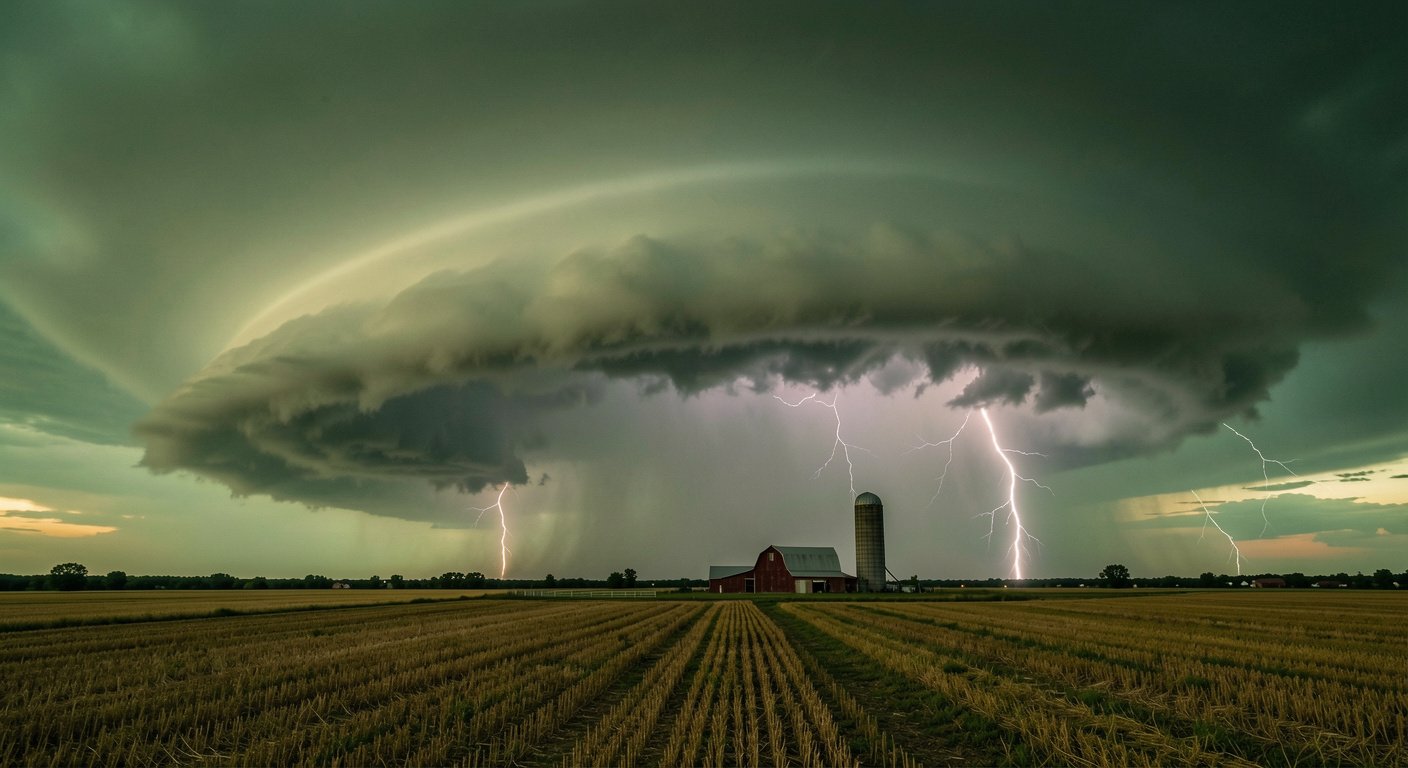
Learn the 10 main cloud types and what each one predicts about incoming weather. Master high, mid, low, and vertical clouds with simple visual cues and mem
Weather explainers and phenomenon portraits — the science behind nature’s most fascinating events, told as stories.
Learn the 10 main cloud types and what each one predicts about incoming weather. Master high, mid, low, and vertical clouds with simple visual cues and mem
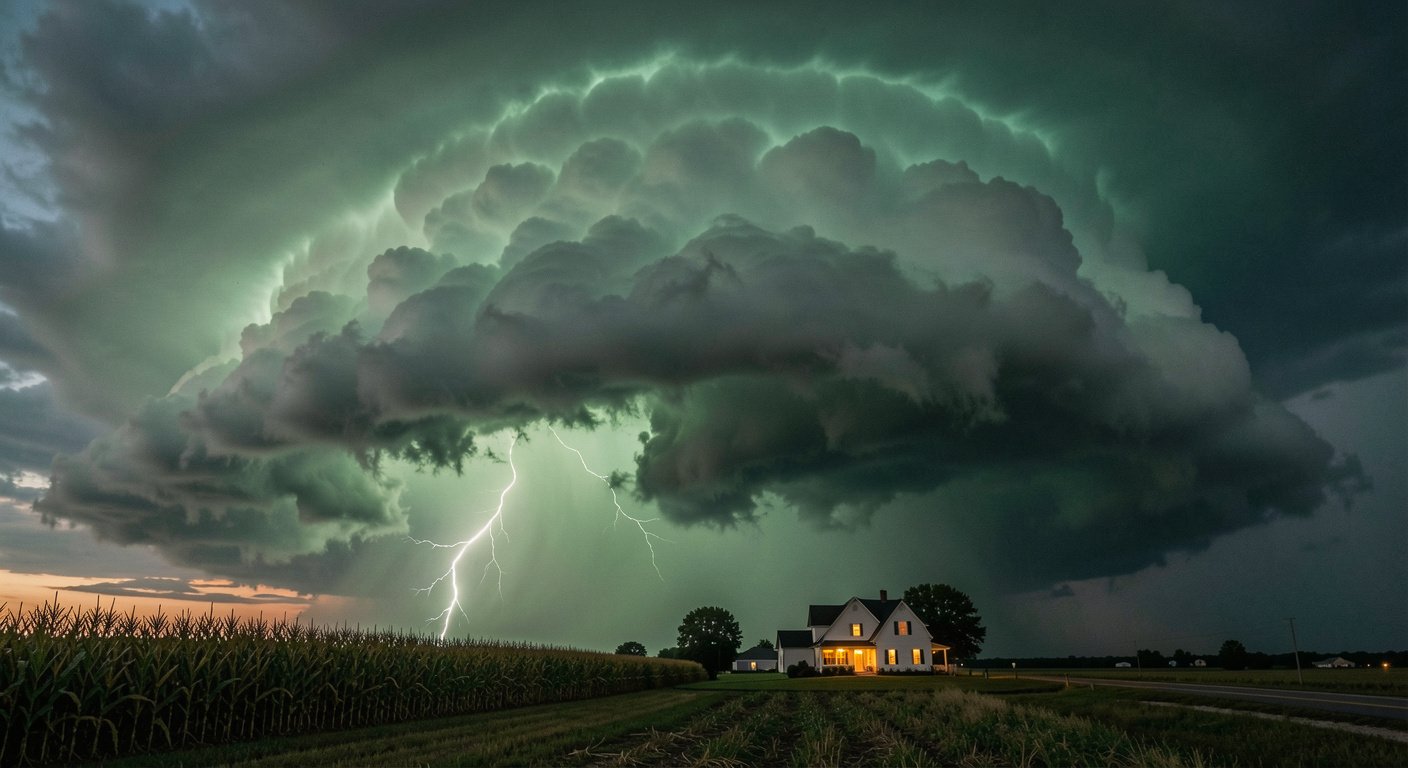
A derecho is a widespread, long-lived straight-line windstorm that can produce hurricane-force gusts across hundreds of miles, without any rotation. Often called an inland hurricane, the costliest thunderstorm in American history was the 2020 Midwest derecho that carved a 770-mile path and caused $11.2 billion in damage. In simple terms: A derecho is a wall … Read more

The summer solstice 2026 arrives on June 21 at 4:24 AM EDT, marking the moment the Northern Hemisphere tilts closest to the sun. It is the longest day of the year, and the science behind why it happens, and why the hottest days still lie weeks ahead, reveals the elegant physics of our spinning, tilted … Read more
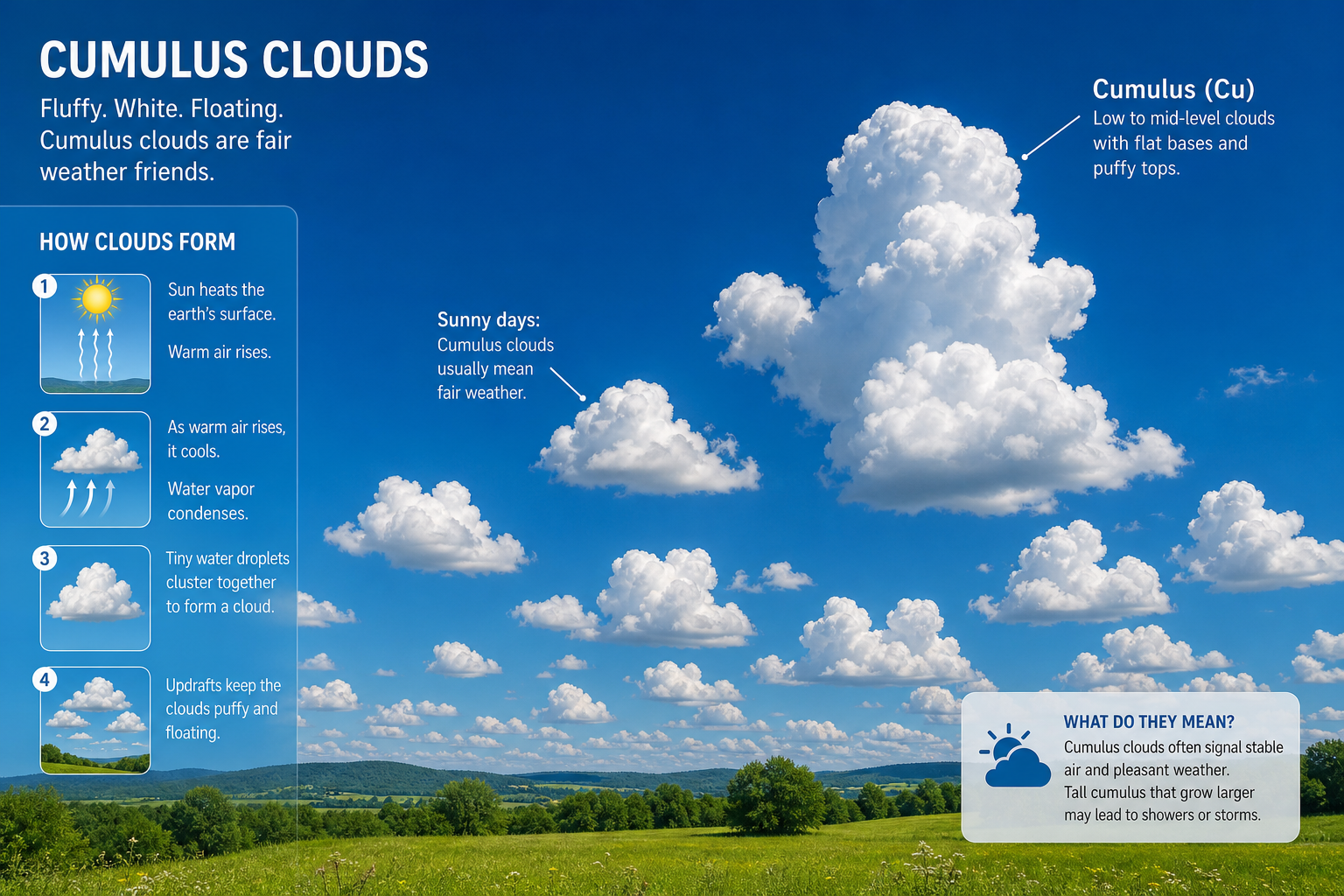
How clouds form is one of the simplest and most useful weather prediction tools available. Look up. The clouds above you right now are not random, they are telling you something. Every cloud has a story. It tells you what the air is doing, how much moisture is up there, and, if you know what … Read more
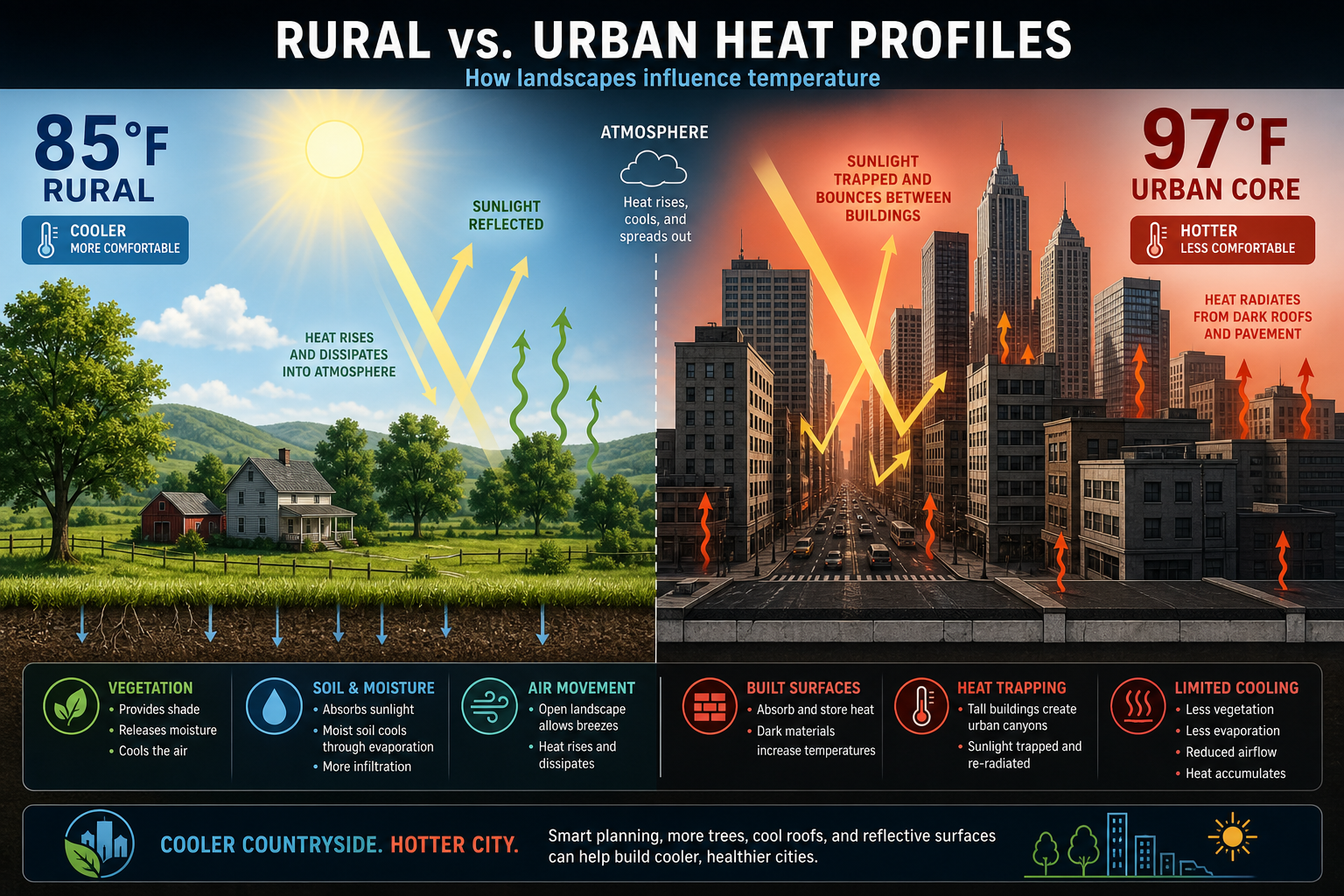
Cities can be 5 to 15°F hotter than rural areas. Learn the science behind urban heat islands, why they matter, and practical cooling solutions.
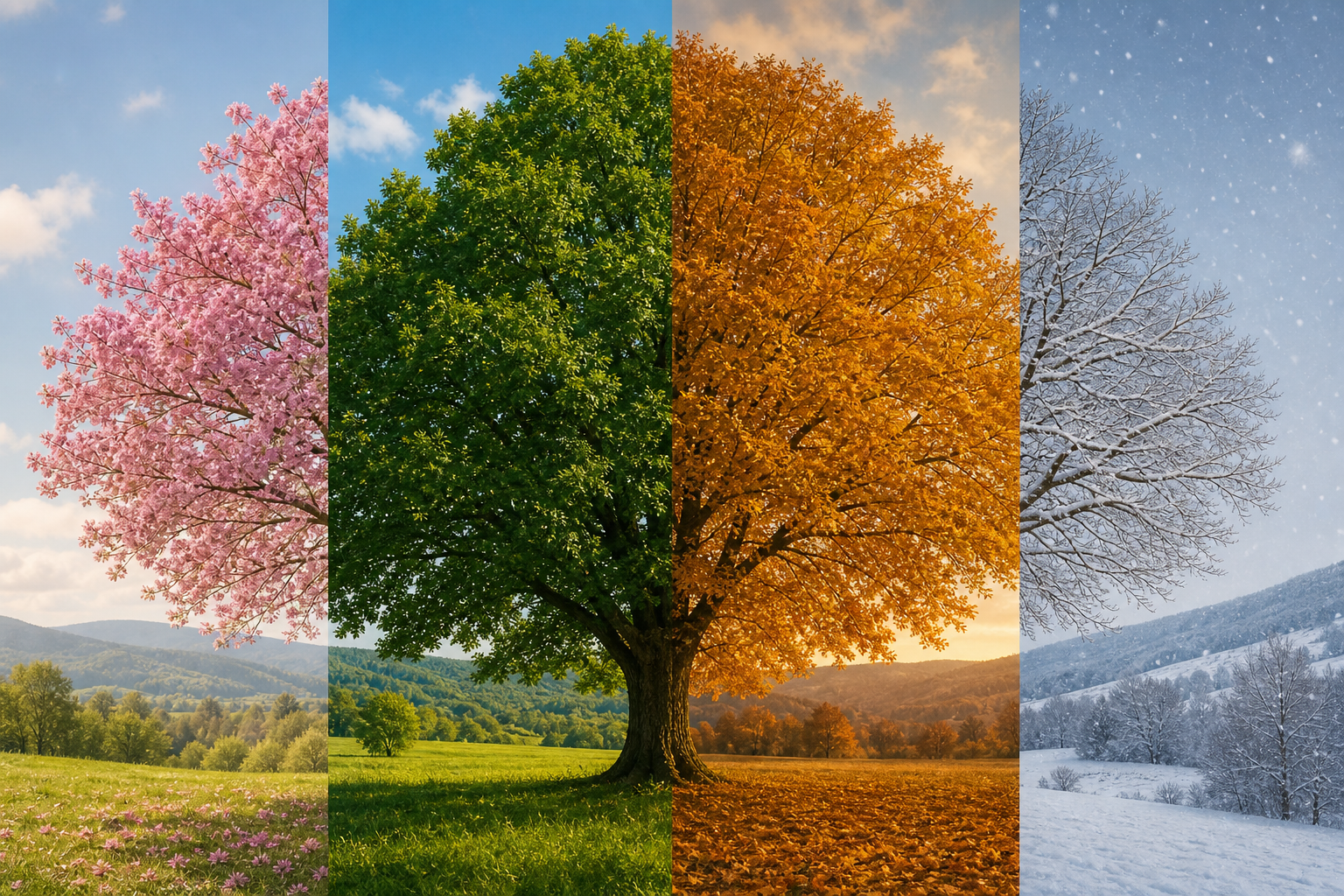
Seasons exist because of one number: 23.5 degrees, the angle of Earth’s axial tilt. This tilt stays pointed toward the North Star all year as Earth orbits the Sun, meaning different parts of the planet receive more or less direct sunlight depending on the time of year. It is not distance from the Sun that … Read more