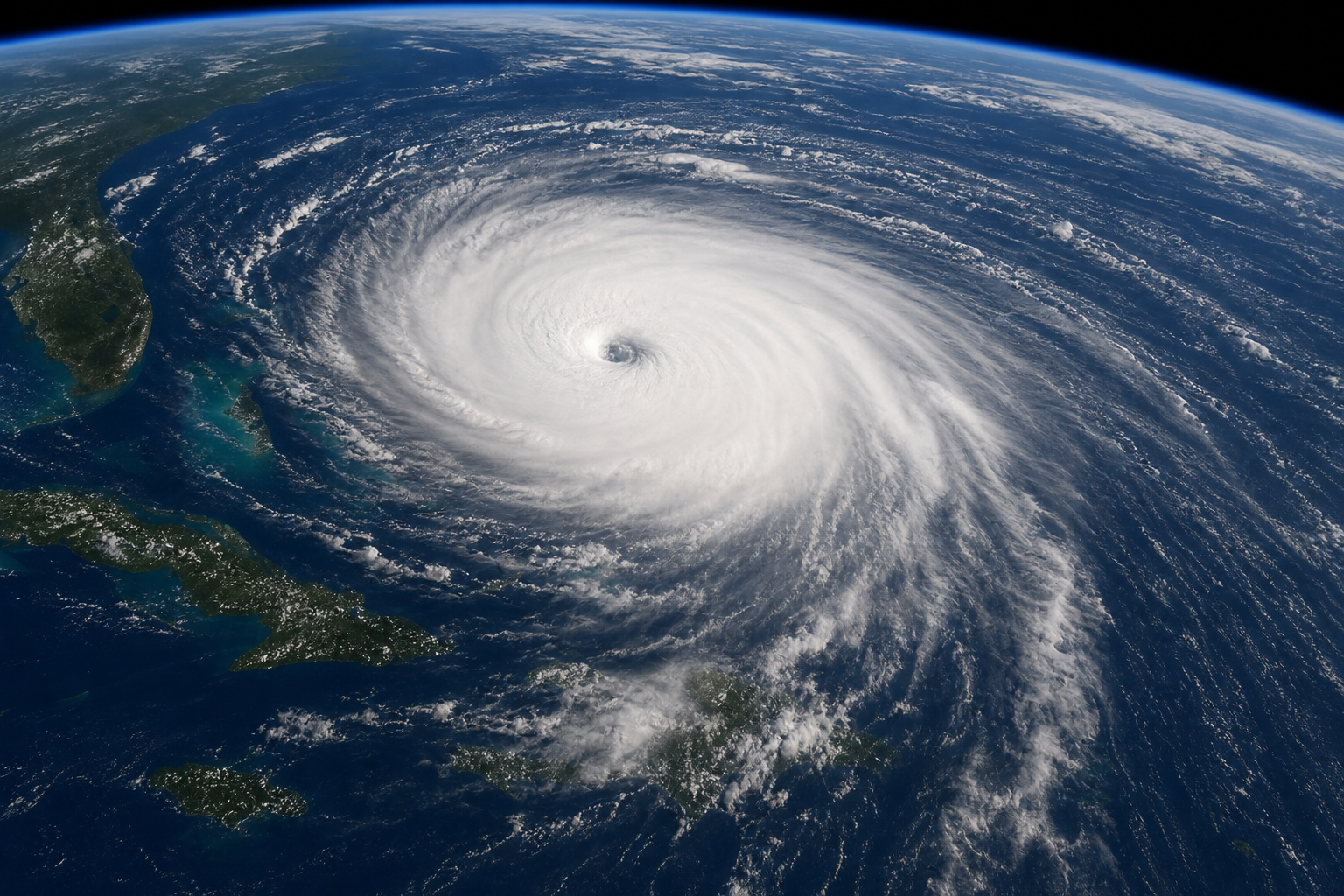
Hurricanes are among nature’s most powerful forces, capable of spanning hundreds of miles, packing winds over 150 mph, and reshaping coastlines in hours. Every year between June and November, warm water, moist air, and the Earth’s rotation combine to create these storms over the Atlantic. Here is the science behind how hurricanes form, why they spin, and the practical steps that can keep you safe.
How a Hurricane Is Born
Five ingredients are needed:
- Warm ocean water, at least 26.5 degrees C (80 degrees F). This is the fuel. Hurricanes only form over warm tropical oceans.
- Moist, unstable air. As warm ocean water evaporates, it creates humid air that rises rapidly.
- Low wind shear. If upper-level winds are too strong, they tear the storm apart before it can organize. Low shear lets it build.
- A pre-existing disturbance. Usually a cluster of thunderstorms, often a tropical wave coming off the coast of Africa.
- Coriolis force. The Earth’s rotation gives the storm its spin. This is why hurricanes rotate counterclockwise in the Northern Hemisphere and clockwise in the Southern Hemisphere.
The Life Cycle
Hurricanes do not appear fully formed. They build in stages:
- Tropical Disturbance: A cluster of thunderstorms with weak circulation.
- Tropical Depression: Winds below 63 km/h (39 mph). The system starts to organize.
- Tropical Storm: Winds 63-118 km/h (39-73 mph). The storm gets a name.
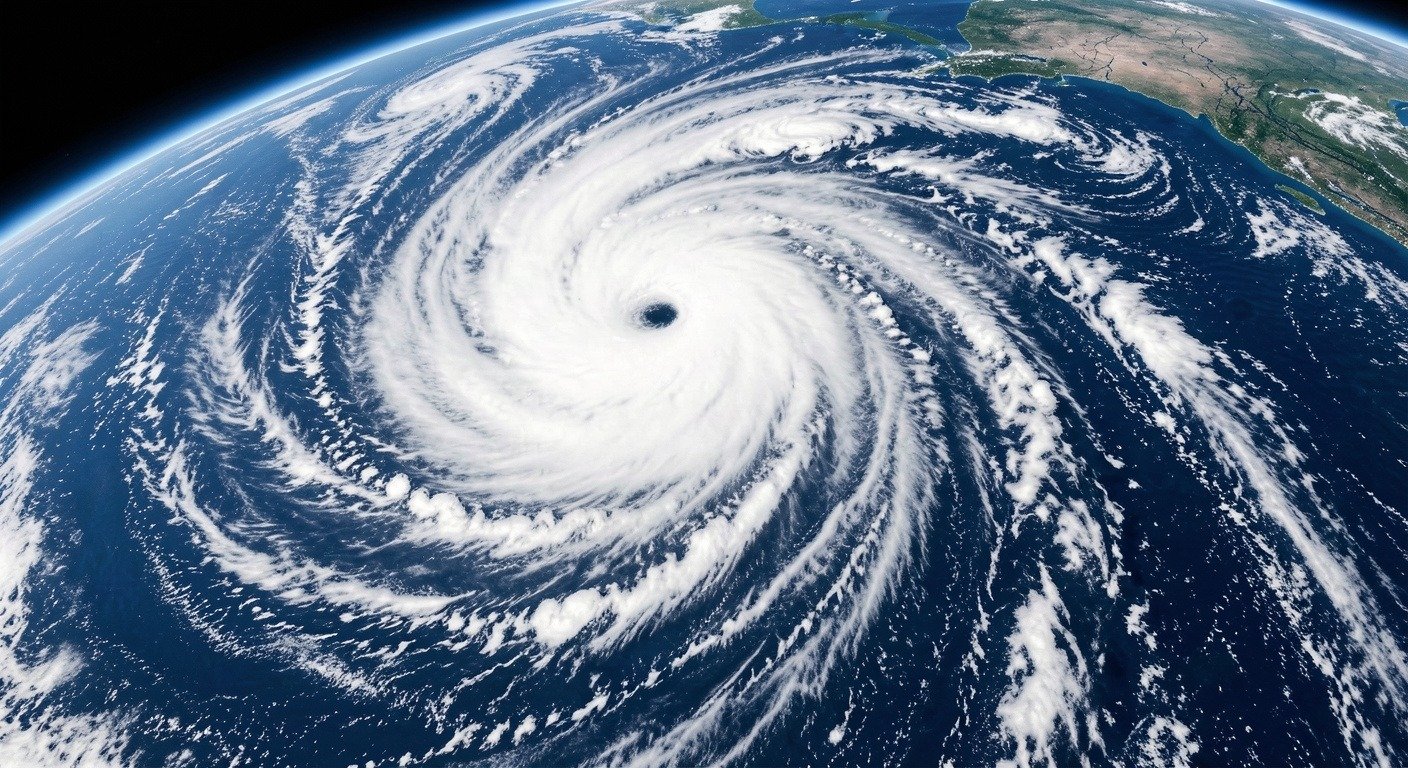
- Hurricane: Winds exceed 119 km/h (74 mph). A clear eye forms at the center.
- Major Hurricane (Category 3+): Winds exceed 178 km/h (111 mph). These storms cause the most damage.
Once a hurricane moves over land or cold water, it loses its fuel source and weakens rapidly. In the western Pacific, the same storms are called typhoons — Super Typhoon Bavi spun up 180 mph winds and forced two million evacuations in July 2026.
The Anatomy of a Hurricane
A mature hurricane has three main parts:
- The Eye: The calm center. Skies can be clear, winds light. It is deceptive, the worst is yet to come.
- The Eyewall: A ring of the most intense thunderstorms surrounding the eye. The strongest winds and heaviest rain are here.
- Rainbands: Spiral bands extending outward. These bring bursts of heavy rain and gusty winds.
“Storm surge is the deadliest hazard, a wall of water that can reach 6 meters (20 feet) or more. Water causes most hurricane deaths, not wind.”
NOAA National Hurricane Center
What Makes Hurricanes Dangerous
Wind gets the headlines. But water causes most of the deaths. Here are the four main threats:
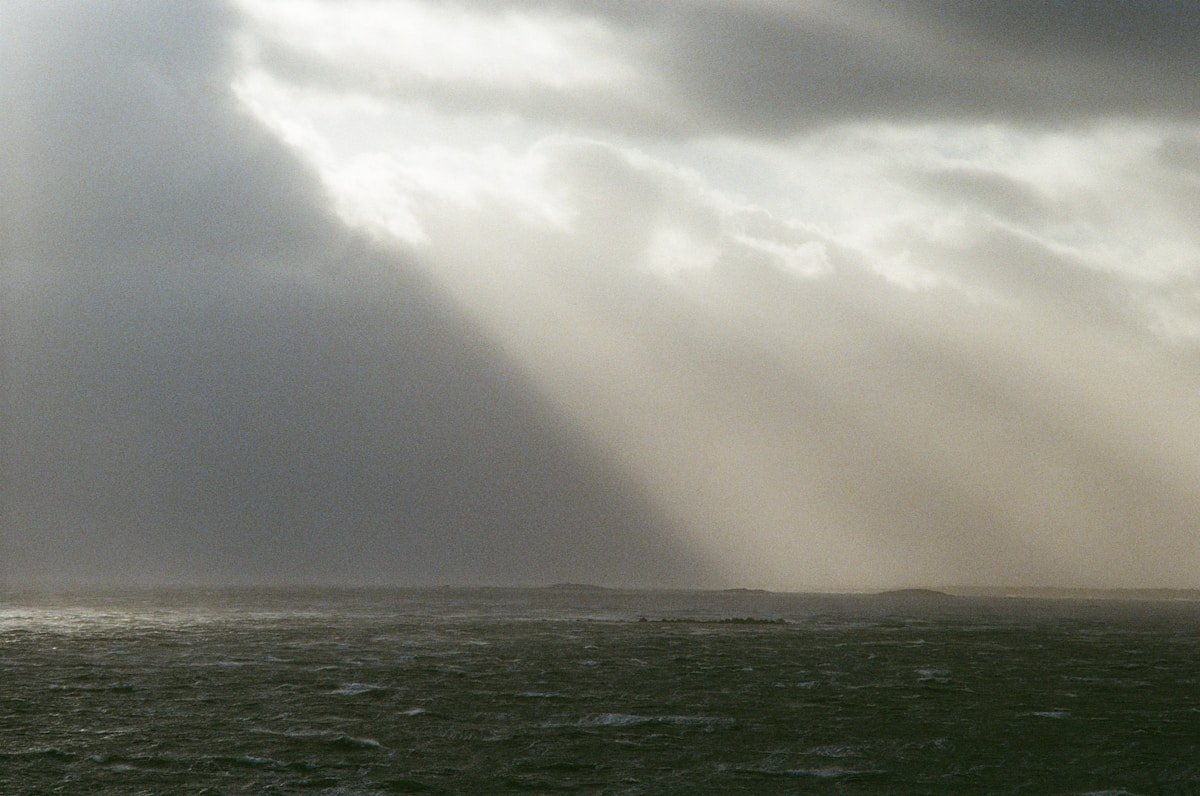
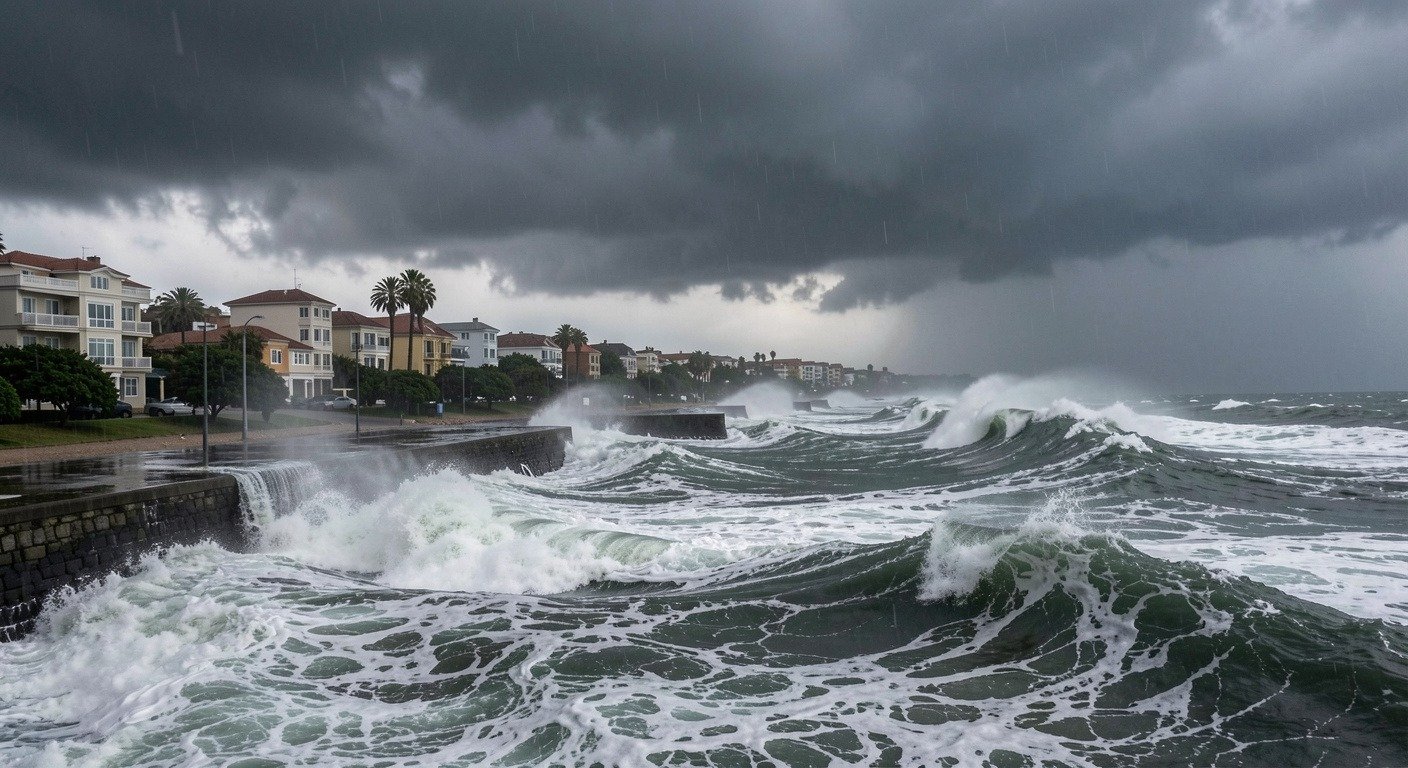
- Storm surge: Ocean water pushed ashore by the hurricane’s winds. This is the deadliest hazard, a wall of water that can reach 6 meters (20 feet) or more.
- Heavy rainfall and flooding: Hurricanes can dump massive amounts of rain far inland, causing flash floods days after landfall.
- Wind damage: Strong enough to destroy buildings, down power lines, and turn debris into projectiles.
- Tornadoes: Hurricanes often spawn tornadoes in their outer rainbands.
Hurricane Categories at a Glance
| Category | Wind Speed | Damage |
|---|---|---|
| 1 | 74-95 mph (119-153 km/h) | Some damage; power outages |
| 2 | 96-110 mph (154-177 km/h) | Extensive; roof and tree damage |
| 3 | 111-129 mph (178-208 km/h) | Devastating; major structural damage |
| 4 | 130-156 mph (209-251 km/h) | Catastrophic; most trees down, power out for weeks |
| 5 | 157+ mph (252+ km/h) | Total destruction; areas uninhabitable for months |
The 2026 Outlook
This year’s hurricane season is complicated. Normally, an El Nino, which we are currently experiencing, reduces Atlantic hurricane activity because it increases wind shear. But sea surface temperatures in the Atlantic are also unusually warm, which favors storms. Read our 2026 hurricane season forecast for the full analysis.
Forecasters call this a competing factors season. The outcome is uncertain, but even a below-average season can produce a devastating storm if it hits a populated area. Preparation matters regardless of the seasonal forecast. For detailed storm tracking guidance, see our hurricane tracking guide.
What to Do If You Live in a Hurricane Zone
- Know your evacuation zone. Find it before hurricane season starts at Ready.gov. If officials say evacuate, leave immediately.
- Prepare a go-bag: Water, non-perishable food, medications, flashlight, batteries, important documents, cash.
- Secure your home: Storm shutters or plywood for windows. Bring outdoor furniture inside.
- Have multiple ways to get warnings: Radio, phone alerts, NOAA Weather Radio. Do not rely on just one source.
- Do not focus on the category alone. A Category 1 hurricane can still produce deadly flooding. The Saffir-Simpson scale measures wind, not water.
Written by NatureWeatherHub, your simple guide to weather, nature, and the planet.
Sources: NOAA National Hurricane Center; Ready.gov Hurricane Preparedness; NOAA Weather Radio; Saffir-Simpson Hurricane Wind Scale.