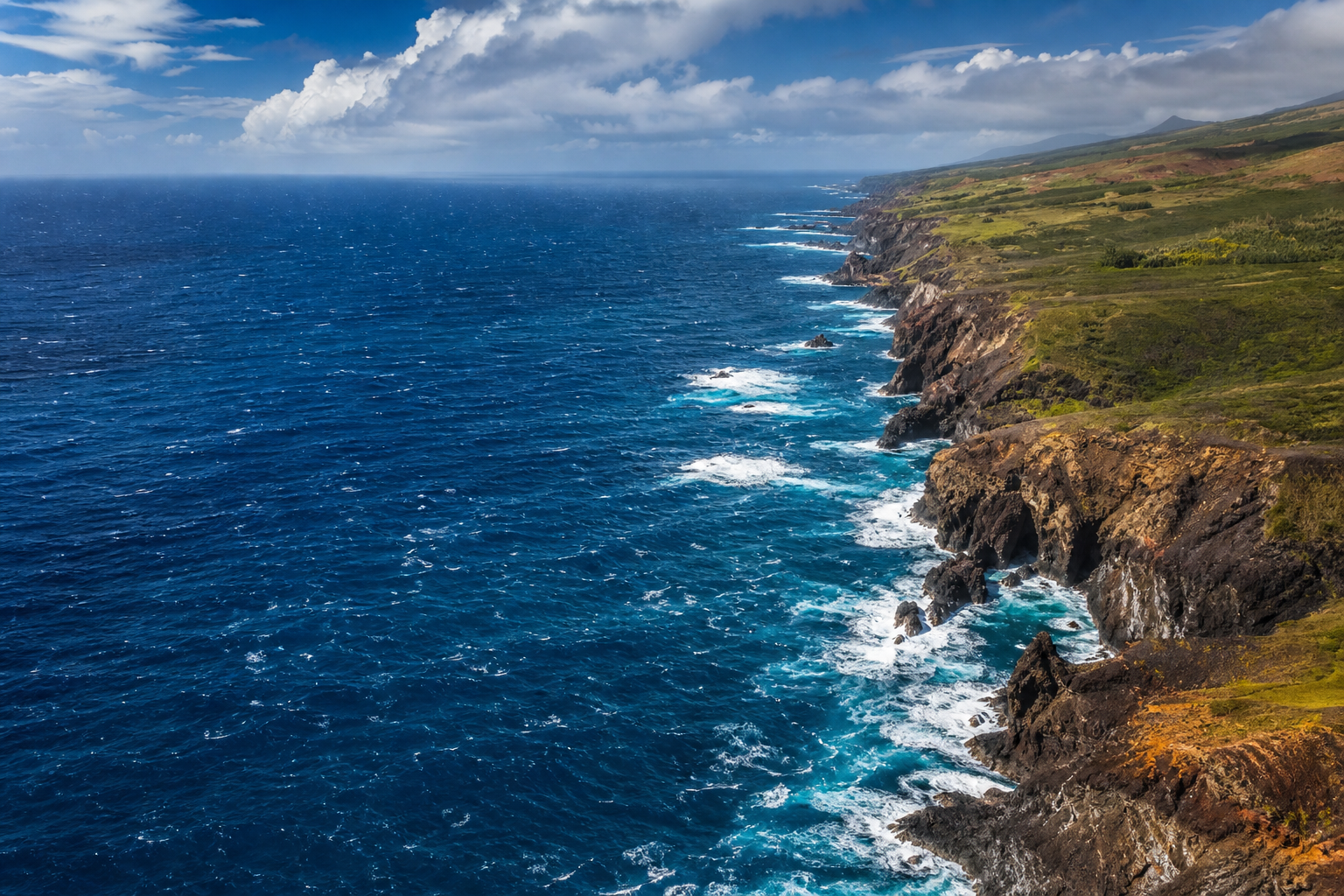
Oceans are the hidden engine of Earth’s weather and climate, absorbing over 90% of the excess heat trapped by greenhouse gases. Covering 71% of the planet’s surface, the ocean acts as a giant heat battery, drives the global conveyor belt of currents, and powers phenomena like El Nino that reshape weather patterns worldwide.
When you think about what controls the weather, you probably think about the atmosphere, clouds, wind, pressure systems. But the real engine sits below the surface.
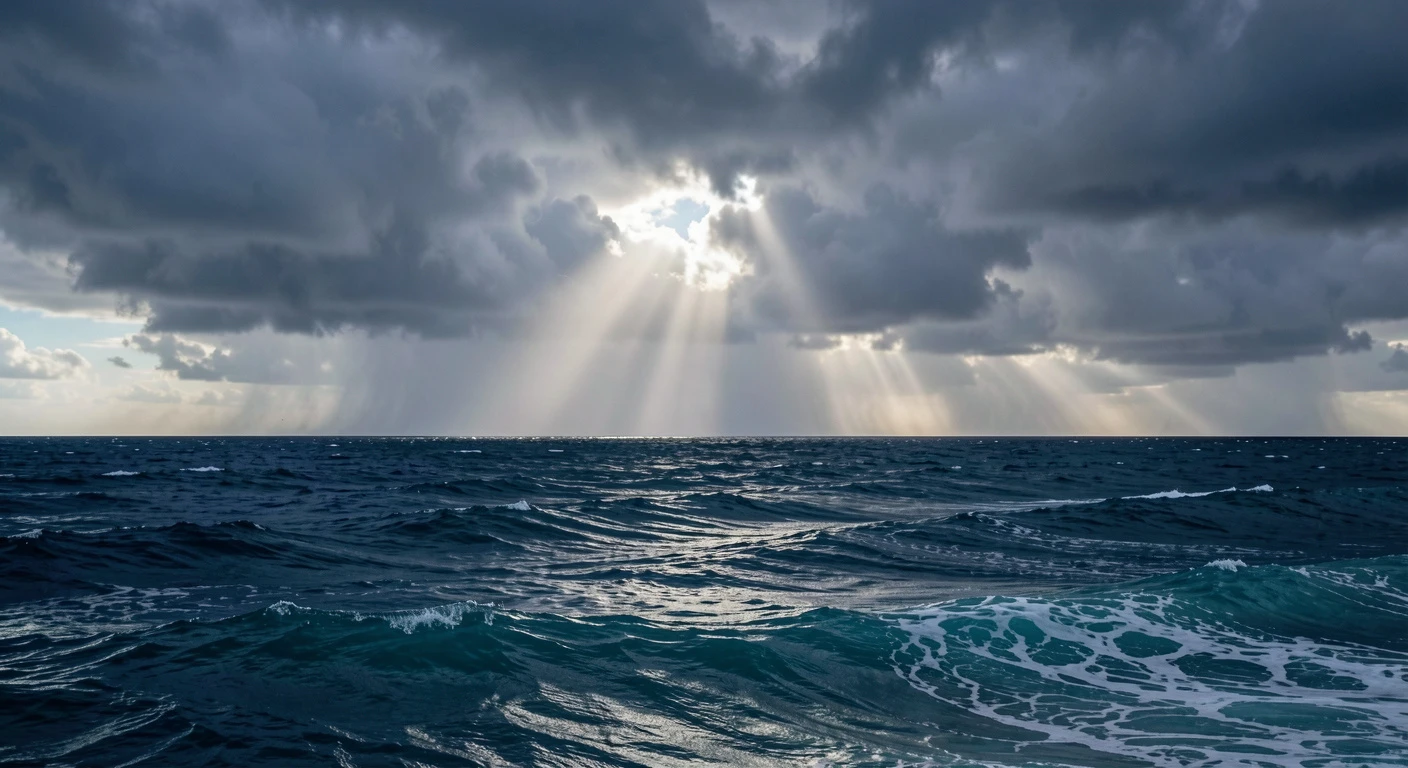
Oceans cover 71% of the Earth’s surface. They absorb, store, and move more heat than the atmosphere ever could. If you want to understand tomorrow’s weather, or the next decade’s climate, you need to understand what is happening in the water.
The Ocean as a Heat Battery
Water is remarkably good at absorbing heat. It takes about four times more energy to raise the temperature of water than air by the same amount. This means the ocean acts like a giant heat battery. It absorbs energy from the sun during the day and through the summer. Then it releases that heat slowly, warming the air above it at night and through the winter.
This is why coastal cities have milder weather than inland cities at the same latitude. San Francisco rarely freezes. Kansas City gets harsh winters. The Pacific Ocean moderates San Francisco. Kansas City has no such buffer.
Ocean Currents: A Global Conveyor Belt
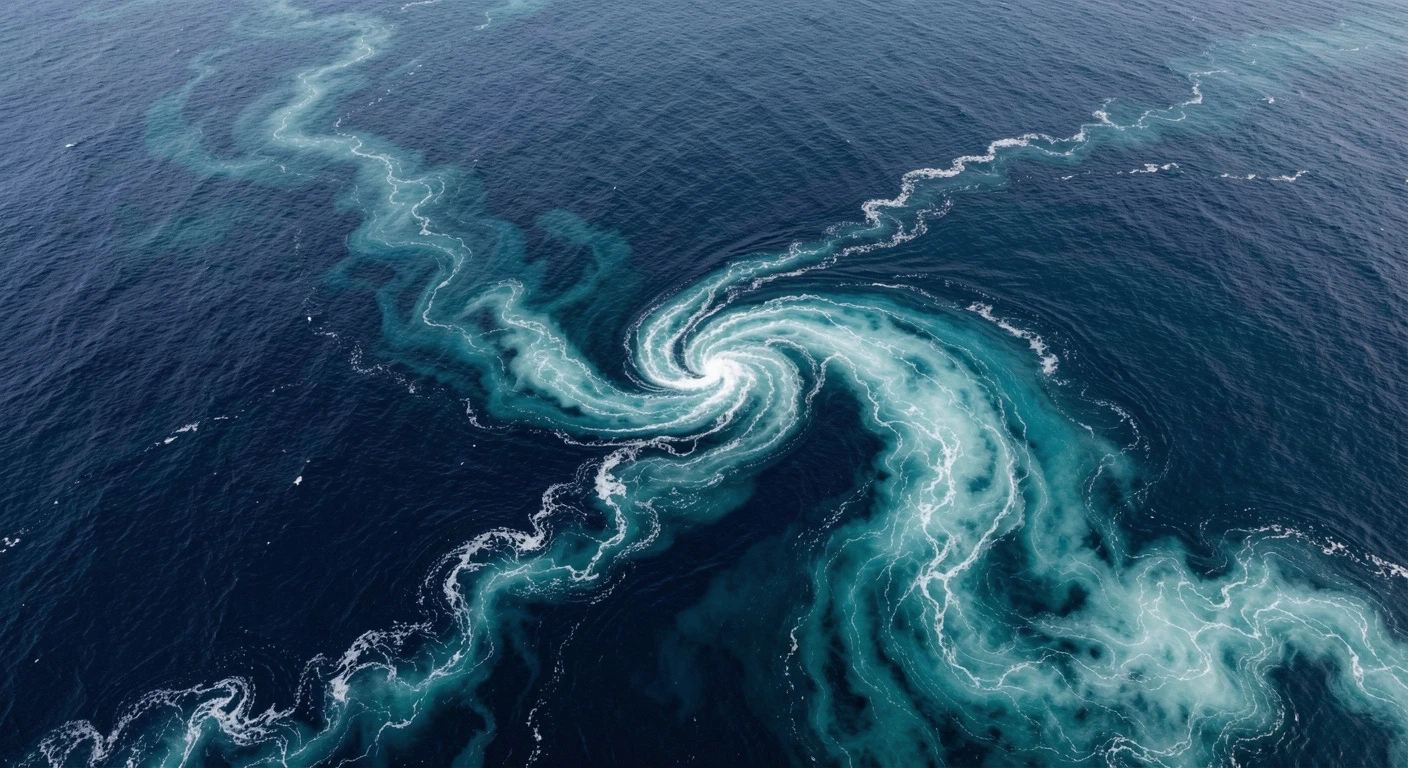
Surface currents, driven by wind, move warm water from the equator toward the poles and cold water back toward the equator. This Great Ocean Conveyor Belt redistributes heat around the planet. The Gulf Stream is the most famous example. It carries warm water from the Gulf of Mexico across the Atlantic to Western Europe. That is why London, at the same latitude as frigid Newfoundland, has relatively mild winters.
El Nino and La Nina
Every few years, the Pacific Ocean flips between two modes. El Nino: warm water sloshes east toward South America. Global temperatures spike. Rainfall patterns shift. La Nina: the opposite. Cold water dominates the eastern Pacific. The 2015-2016 El Nino contributed to record global temperatures, massive coral bleaching, drought in Africa, and floods in South America. In 2026, we are entering another El Nino phase.
Why Ocean Warming Matters
Since the 1970s, the oceans have absorbed over 90% of the excess heat trapped by greenhouse gases. The atmosphere gets the headlines, but the ocean takes the hit. This means stronger hurricanes fueled by warm water, sea level rise from thermal expansion, more frequent marine heatwaves that kill coral reefs, and evidence that the Atlantic Meridional Overturning Circulation is slowing.
What You Can Actually Observe
You cannot see the global conveyor belt. But you can observe the ocean’s influence on weather right where you live: afternoon sea breezes at the coast, San Francisco’s famous summer fog from the cold California Current, and lake-effect snow that buries Buffalo and Sapporo every winter.
The ocean is not separate from the weather. It is the weather, just slower and deeper.
Sources: NOAA Ocean & Climate; NASA Global Climate Change; IPCC.