Reading time: 5 min
The Pacific Northwest wildfires 2026 outbreak began July 15 when 15,000+ lightning strikes hit drought-parched forests across Oregon and Washington, according to the NOAA Storm Prediction Center, igniting over 100 fires in 48 hours. Over 100,000 acres burned, hundreds fled, and five homes were destroyed. Here is what happened, why dry lightning turned the Northwest into a tinderbox, how communities are responding, and what this means for the West’s expanding fire season. On the night of July 15, more than 15,000 strikes hit the parched forests of eastern Oregon and Washington in just a few hours. A single bolt carries enough energy to power a small town for a day. The landscape, primed by drought, ignited like a matchbook.
By morning, dozens of fires were racing across the landscape. Homes were destroyed. Hundreds of families fled. Within 48 hours, over 100,000 acres had burned and firefighting resources across two states were stretched to their limit.
What Happened: The Pacific Northwest Wildfires 2026 Lightning Outbreak
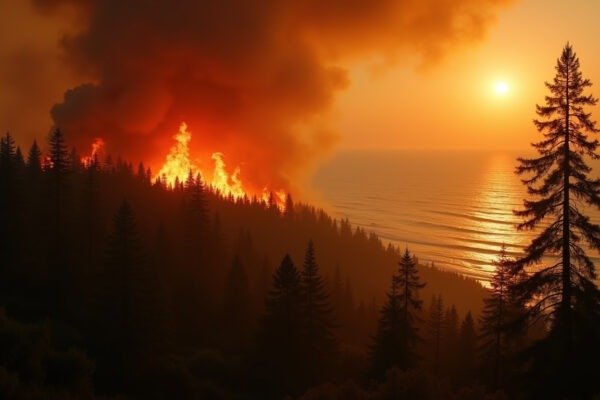
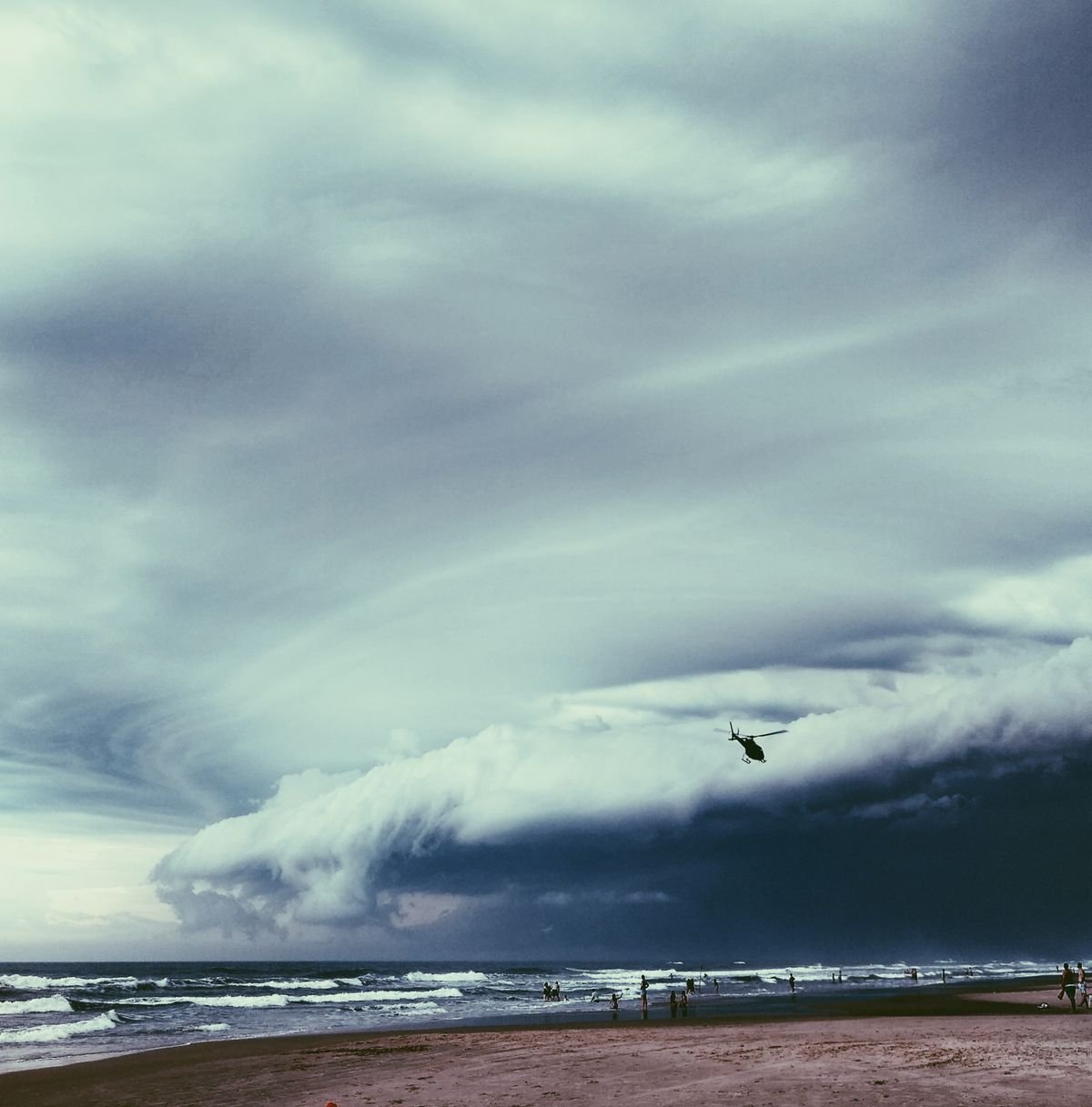
An unusually strong thunderstorm system moved across the Pacific Northwest on July 15 and 16, unloading what meteorologists call a lightning bust: a concentrated burst of cloud-to-ground strikes over a short period. At least 100 fires were burning across Washington and Oregon within 48 hours, according to fire officials tracking the outbreak.
The largest fire, the Kaiser Canyon Fire on the Colville Indian Reservation in Okanogan County, Washington, exploded to more than 37,000 acres after igniting on July 16. It forced immediate Level 3 evacuations near Nespelem. Approximately 200 firefighters engaged in direct attack with containment at zero percent. A separate blaze, the Lyons Ferry Fire, consumed 25,384 acres across three Washington counties after starting late on July 15.
In Oregon, the Lower Dry Creek Fire in Umatilla County burned through 6,753 acres with zero containment, destroying at least five homes and placing more than 1,650 people under evacuation orders. The East Evans Creek Fire in Jackson County claimed another 8,000 acres.
The Garred Road Fire near Sun Lakes in Grant County, Washington, burned roughly 3,500 acres and forced Level 3 evacuations. Oregon invoked its Emergency Conflagration Act three times this year. In central Oregon, the Akawa Butte Fire near Sisters became the latest front as critical fire weather settled over the region. The outbreak fits a pattern NWH has tracked throughout 2026: a wildfire season that started early and has not let up.
Why It Happened: Dry Lightning and Drought
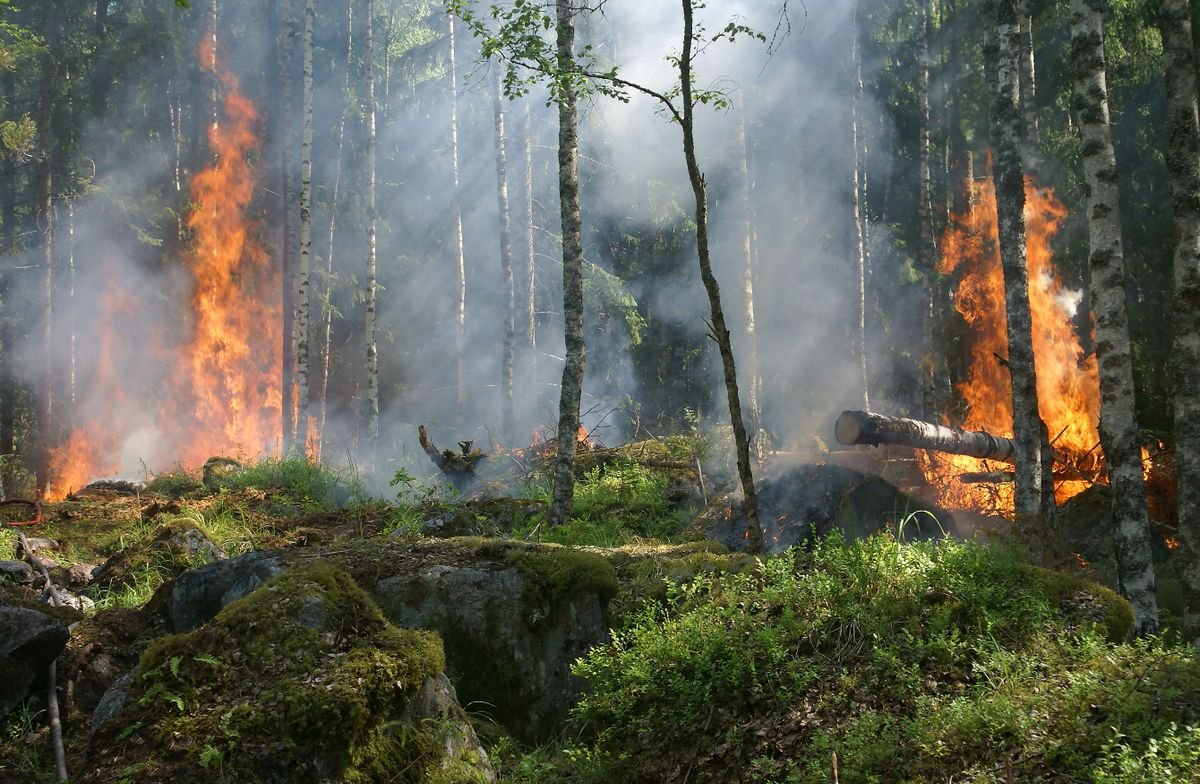
Dry lightning is the professional term for cloud-to-ground strikes that occur with little or no accompanying rainfall. Lightning science explains that in a typical thunderstorm, rain wets the ground beneath the cloud, reducing fire risk. When the air below the storm is dry, that rain evaporates before reaching the surface. The lightning hits vegetation that is already cured and flammable.
This is exactly what happened across the Northwest. The region entered summer 2026 under widespread drought conditions, according to the U.S. Drought Monitor. Grasses and timber that should have held spring moisture were instead ready to burn. The lightning provided the spark. The landscape provided the fuel.
Oregon’s peak wildfire season runs from July through September, and fire agencies had predicted an active year. Washington doubled its firefighting budget before the season started in anticipation of exactly this scenario. Even with those preparations, a concentrated lightning bust of this magnitude tests every system designed to catch fires while they are still small.
How the Pacific Northwest Wildfires 2026 Are Affecting Communities
For families in Nespelem, Umatilla County, and the Sun Lakes area, the fires arrived with little warning. Level 3 evacuation orders mean leave immediately. Hundreds of people loaded their cars and drove away from flames that were sometimes visible as an orange glow on the horizon. At least five families in Oregon returned to find their homes destroyed by the Lower Dry Creek Fire.
Beyond the evacuation zones, the fires sent smoke plumes across the region. Communities far from the flames woke to hazy skies and the smell of burning forest. For people with asthma or heart conditions, wildfire smoke is a genuine health threat. Fine particulate matter can penetrate deep into the lungs, and public health agencies consistently record spikes in emergency room visits during major fire outbreaks.
The firefighters face their own set of risks. The Kaiser Canyon Fire drew 200 personnel into direct attack on a zero-percent-contained blaze in rugged terrain. Wildland firefighting is among the most physically demanding jobs in the country. The convergence of multiple large fires across two states stretches crews thin and forces difficult decisions about which communities get defended first.
Why It Matters Now: A Fire Season in Transition
The Northwest has always had wildfire. But warmer temperatures, earlier snowmelt, and longer dry seasons have extended the fire season by weeks on both ends. Vegetation that once greened up with spring rain now cures to flammable status earlier and stays that way longer. The same dry conditions that fueled Ontario’s July fires are reshaping fire risk across the continent. Canada wildfire smoke from 850+ fires is now triggering air quality alerts across the US.
This July 2026 outbreak fits a pattern: large, simultaneous ignitions that overwhelm the initial attack system. When dozens of fires start in the same night, fire managers must triage. Some fires are left to grow. Those become the next day’s headlines. The National Interagency Fire Center (NIFC) tracks these patterns nationally, and the trend line is unmistakable: fire seasons are getting longer and more intense across the West.
Washington’s decision to double its firefighting budget reflects a new reality. The geography of American wildfire is expanding, and the Pacific Northwest wildfires 2026 season demonstrates that communities once considered low-risk are now on the front lines. The lightning bust of mid-July is a warning of what the peak months of August and September may bring.
What We Can Learn
Preparedness is not about living in fear. It is about living with awareness. For communities in fire-prone regions, that means knowing evacuation routes before they are needed, signing up for emergency alerts, and maintaining defensible space around homes. For everyone else, it means understanding that wildfire smoke travels far beyond the fire line. The air quality alerts from the Northwest fires are part of a continental story about how a changing climate connects distant communities through shared smoke and shared risk.
Key Facts at a Glance
- 15,000+ lightning strikes recorded across Oregon and Washington, July 15-16, 2026
- 100+ fires ignited within 48 hours, burning 100,000+ acres
- Kaiser Canyon Fire: 37,000+ acres (WA), 0% contained, 200 firefighters deployed
- Lyons Ferry Fire: 25,384 acres (WA), Level 2 evacuations
- Lower Dry Creek Fire: 6,753 acres (OR), 0% contained, 5 homes destroyed
- 500+ people evacuated in Oregon; hundreds more under evacuation orders in Washington
- Oregon invoked Emergency Conflagration Act 3 times in 2026; Washington doubled its firefighting budget
Sources: National Interagency Fire Center (NIFC), InciWeb, Oregon State Fire Marshal, Washington Department of Natural Resources, U.S. Drought Monitor, Associated Press.