Reading time: 5 min
On Thursday afternoon, July 24, 2026, the people of Sisters, Oregon, gathered in their high school gymnasium. Governor Tina Kotek stood before them. She had driven three hours from Salem to deliver a message no community wants to hear: the Akawa Butte Fire, burning 13 miles northeast of town, is now the number one priority wildfire in the United States. The Oregon wildfires 2026 season, already outpacing all of 2025 in acres burned, is entering its most dangerous phase. And the weekend forecast, with hot temperatures, dry air, and gusty winds, promises no relief.
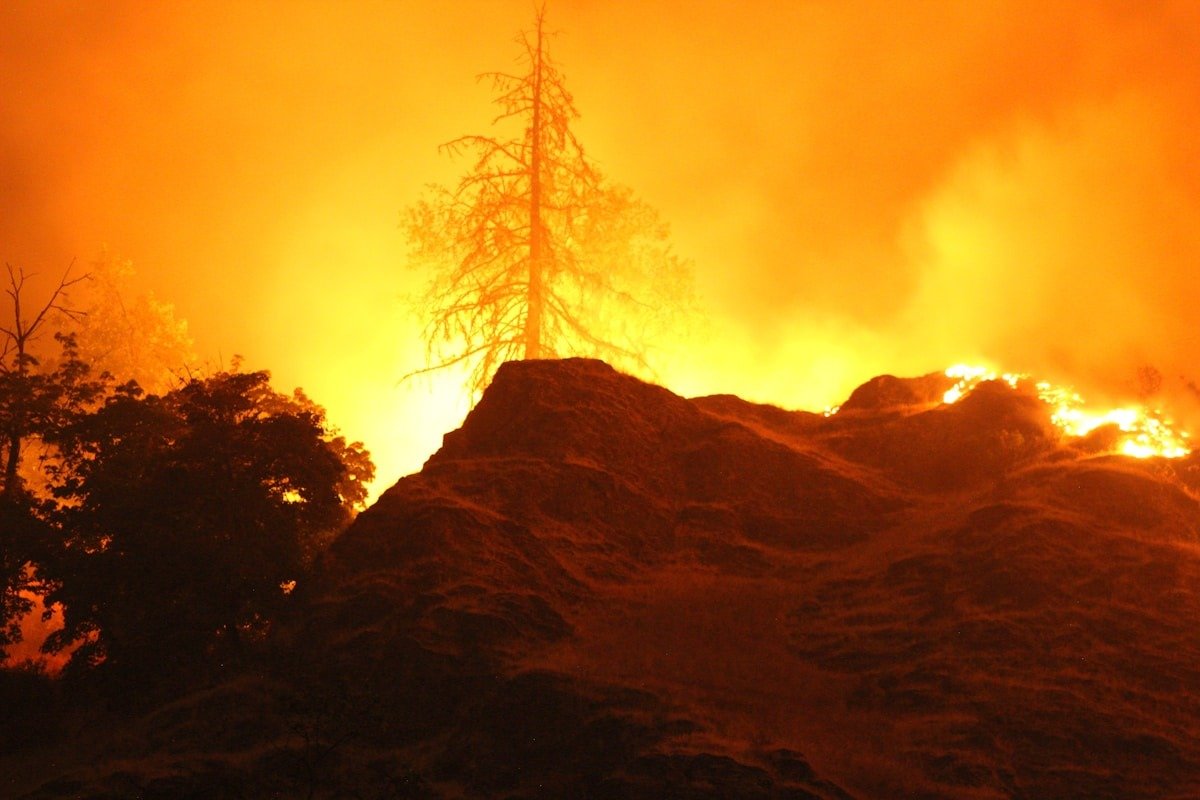
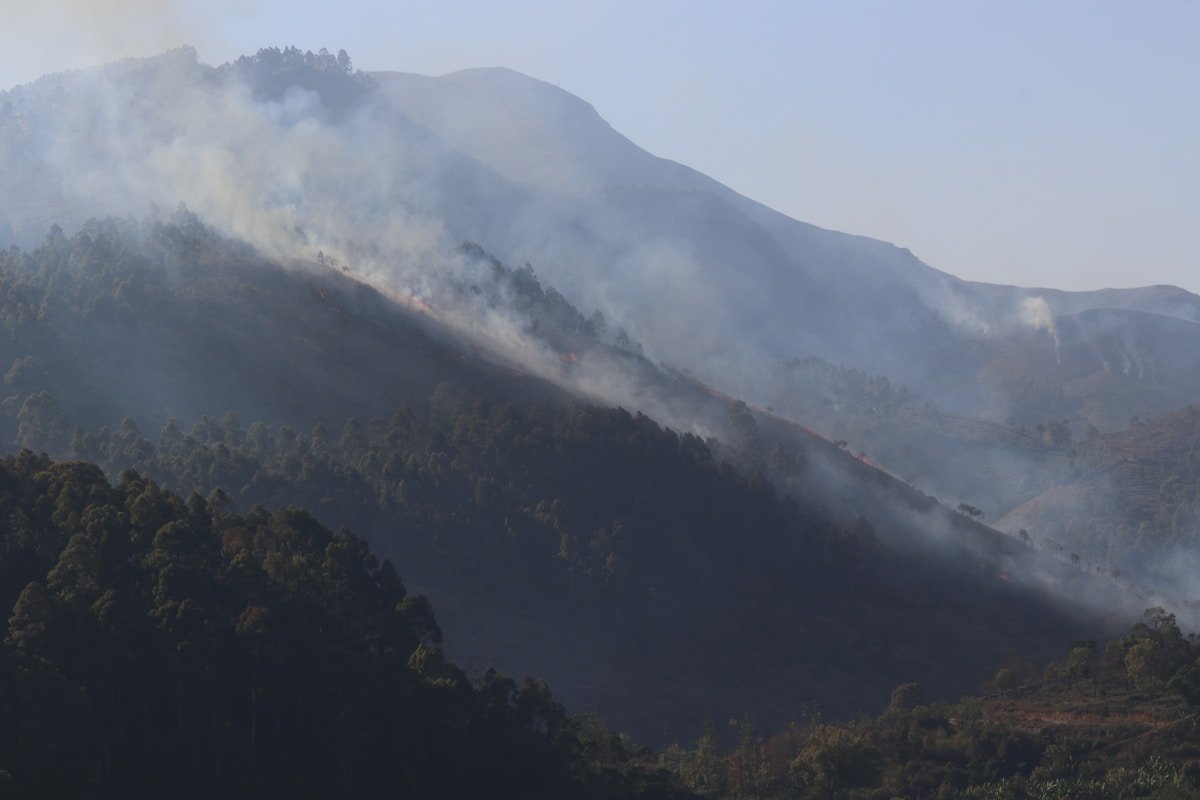
A week earlier, on July 16, a single lightning bolt struck dry timber in the Deschutes National Forest. That bolt became the Akawa Butte Fire. It has since burned 27,287 acres, destroyed at least two homes, and forced evacuation orders across Deschutes and Jefferson counties. It is one of dozens of fires now burning across Oregon, part of an escalation that has pushed the state past 406,000 acres burned, far exceeding the 325,000 acres of all 2025.
What Happened: Oregon Wildfires 2026 Escalate in Late July
The Oregon wildfires 2026 season began with a lightning bust on July 15, when more than 15,000 strikes ignited over 100 fires in 48 hours across the Pacific Northwest. NWH covered that initial outbreak as it unfolded. But the situation has deteriorated sharply in the week since. The Central Oregon wildfires have been the hardest to contain, with the dry, high-desert landscape between Sisters and Prineville now the epicenter of the state’s fire crisis.
On July 22 and 23, another 2,000 lightning strikes hit central Oregon. According to KVAL, those strikes sparked 35 new fires. Firefighters who were already managing multiple large incidents suddenly had three dozen more to triage. The state’s firefighting resources, already stretched, are now at their limit.
The Akawa Butte Fire is the most threatening. Oregon Public Broadcasting reports that officials have designated it the number one priority wildfire in the nation. As of July 24, containment stood at just 5 percent. Two homes have been confirmed destroyed. The Deschutes County Sheriff’s Office continues to hold evacuation orders in place.
But the Akawa Butte Fire is only one piece of a much larger puzzle. The Box Springs Fire, burning just north of Prineville, has consumed more than 15,000 acres with zero containment. The Brewer Fire, to its west, has burned roughly 30,000 acres at 5 percent containment. Together, these three fires alone account for more than 72,000 acres of burned land, and the weekend weather threatens to push all of them further.
Why It Is Happening: Heat, Drought, and a Landscape Primed to Burn
The science behind the Oregon wildfires 2026 escalation is straightforward. The state entered summer under widespread drought conditions. The U.S. Drought Monitor shows much of central and eastern Oregon in severe to extreme drought. Grasses and timber that should hold spring moisture are instead dry enough to ignite on contact with a spark.
That spark arrived in the form of dry lightning. Meteorologists use the term to describe cloud-to-ground strikes that occur with little or no accompanying rainfall. The air beneath the thunderstorm is so dry that rain evaporates before reaching the surface. What does reach the ground, a lightning bolt carrying enough energy to power a small town for a day, hits vegetation that is already cured and flammable. The result is not one fire but dozens, all starting in the same night.
The heat dome parked over the western United States has compounded the problem. Heat domes act like a lid on a pot, trapping hot air over a region and preventing cooler systems from moving in. Under a persistent heat dome, vegetation dries further by the hour. The National Weather Service issued red flag warnings for critical fire weather across Oregon and Idaho through the weekend, according to the New York Times, with hot temperatures, single-digit humidity, and gusty winds combining to create what firefighters call extreme fire behavior.
How the Oregon Wildfires 2026 Are Affecting Communities
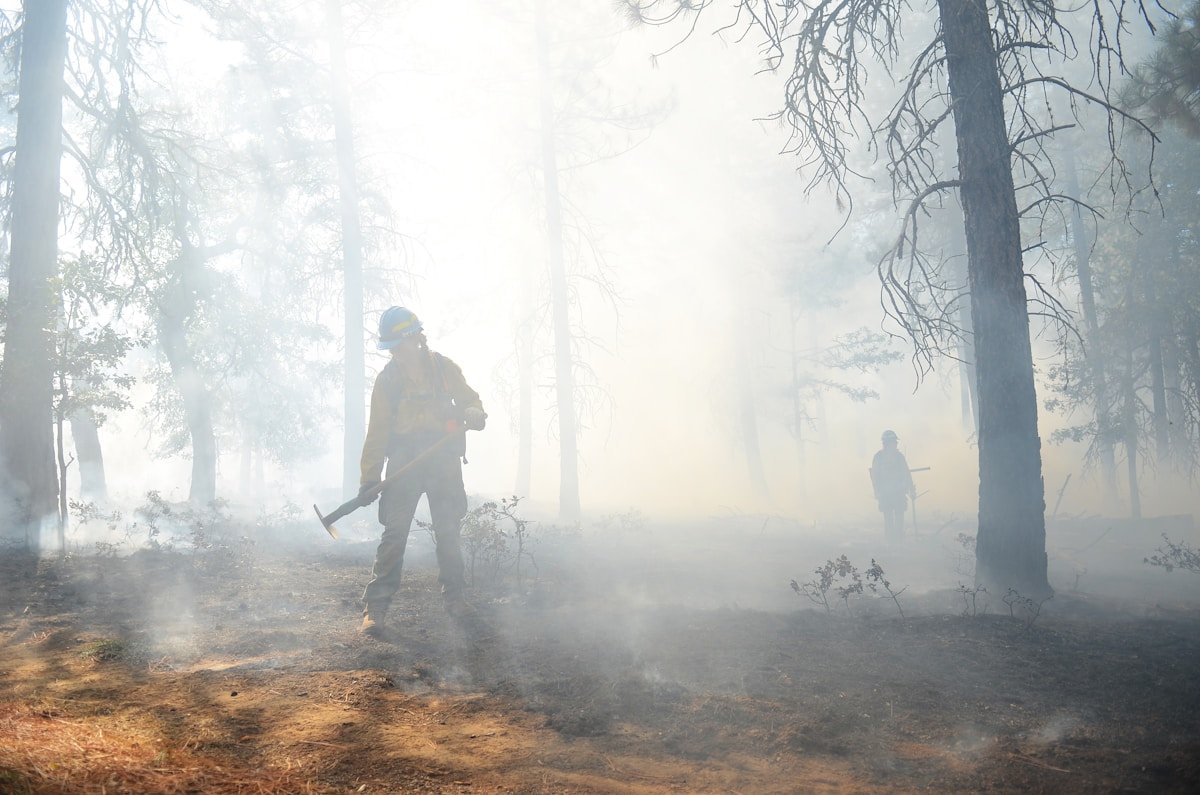
In Sisters, a town of roughly 3,000 people in the shadow of the Cascade Mountains, the Akawa Butte Fire has become an existential threat. The Sisters Oregon fire threat drew Governor Kotek herself to the community on Thursday, July 24. Residents packed the high school gymnasium to hear from fire officials. The message was sobering. Fire crews are building containment lines, but with a forecast of hot and dry conditions with gusty winds, those lines may not hold.
The health impact extends far beyond the evacuation zones. Wildfire smoke from Oregon’s blazes is drifting across the Pacific Northwest and beyond. Fine particulate matter, known as PM2.5, penetrates deep into the lungs. Public health agencies consistently record spikes in emergency room visits for respiratory distress during major fire outbreaks. For people with asthma, heart conditions, or compromised immune systems, the invisible threat of smoke can be as dangerous as the visible threat of flames.
The economic cost is mounting. Oregon has now experienced 42 large fires in 2026, according to NBC16, nearly twice the number at this point in the record-breaking 2024 season. Firefighting costs are escalating. The Oregon State Fire Marshal has deployed structural protection teams across multiple counties. Governor Kotek invoked the Emergency Conflagration Act, which allows the state to mobilize resources from outside the affected areas, multiple times this year.
Farmers and ranchers in central Oregon are watching their grazing land burn. Tourism in Sisters, which depends on summer visitors drawn to hiking, mountain biking, and the town’s renowned quilt show, has ground to a halt. The Three Sisters Wilderness, normally packed with backpackers in late July, is closed. The smell of smoke hangs over the entire region, a constant reminder that the fire is still out there, still growing, still hungry.
Why It Matters Now: A Fire Season Without Margins
What makes the Oregon wildfires 2026 escalation different from previous years is the lack of slack in the system. Fire crews are already exhausted from the initial July outbreak. Aircraft that drop retardant and water are in constant rotation with no downtime. When 35 new fires ignite in a single night from lightning, the math becomes brutal. Some fires must be left to grow while resources focus on protecting communities. Those left-behind fires become the next day’s emergencies.
Oregon’s peak fire season typically runs from late July through September. The fact that the state has already surpassed 2025’s total acreage in mid-July signals an Oregon fire season that is arriving earlier, burning hotter, and lasting longer. The July 2026 heat wave tracker documents simultaneous heat domes across North America, Europe, and Asia. The Oregon fires are not an isolated event. They are part of a global pattern of extreme fire weather driven by a warming atmosphere.
As OPB reported from the Sisters community meeting, officials told residents they simply do not have the margin for error. Every firefighter, every engine, every aircraft is already committed. If the weekend brings more lightning, as some forecasts suggest, the capacity to catch new fires while they are still small does not exist.
What Comes Next: Critical Fire Weather Through the Weekend
The National Weather Service’s red flag warnings extend through Saturday, July 25, and potentially into Sunday. Gusty winds, single-digit humidity, and temperatures in the upper 90s create the conditions for rapid fire spread. Fire crews are racing to build and reinforce containment lines before the weather turns against them.
For the communities near Sisters, Prineville, and the other fire fronts, the next 48 hours will determine whether containment lines hold or whether a new wave of evacuations becomes necessary. Fire managers describe the situation as dynamic and dangerous. The public should monitor local emergency alerts, know their evacuation routes, and be ready to leave on short notice.
The broader lesson of the Oregon wildfires 2026 season is one that communities across the American West are learning in real time. The fire season does not start later and end earlier anymore. It stretches. It intensifies. And the margin between containment and catastrophe grows thinner every year.
Key Facts at a Glance
- Akawa Butte Fire: 27,287 acres, 5% contained, caused by lightning July 16, 2 homes destroyed, threatening Sisters
- Box Springs Fire: 15,000+ acres, 0% contained, burning north of Prineville
- Brewer Fire: ~30,000 acres, 5% contained, west of Box Springs Fire
- 35 new fires ignited by 2,000 lightning strikes on July 22-23 alone
- 406,000+ acres burned across Oregon in 2026, exceeding all of 2025 (325,000 acres)
- 42 large fires in Oregon this year, nearly double the count at this point in 2024
- Governor Tina Kotek visited Sisters on July 24 as Akawa Butte Fire became the nation’s #1 priority wildfire
- Red flag warnings for critical fire weather across Oregon through the weekend
Sources: Oregon Public Broadcasting, KPTV, KVAL, The New York Times, NBC16, National Interagency Fire Center, U.S. Drought Monitor, National Weather Service.