Scientists have mapped three times more climate-resilient coral reefs than previously known, finding 165,922 square kilometers of reefs across 71 countries with the strongest potential to survive warming oceans. The discovery offers a rare dose of hope in the story of coral conservation.
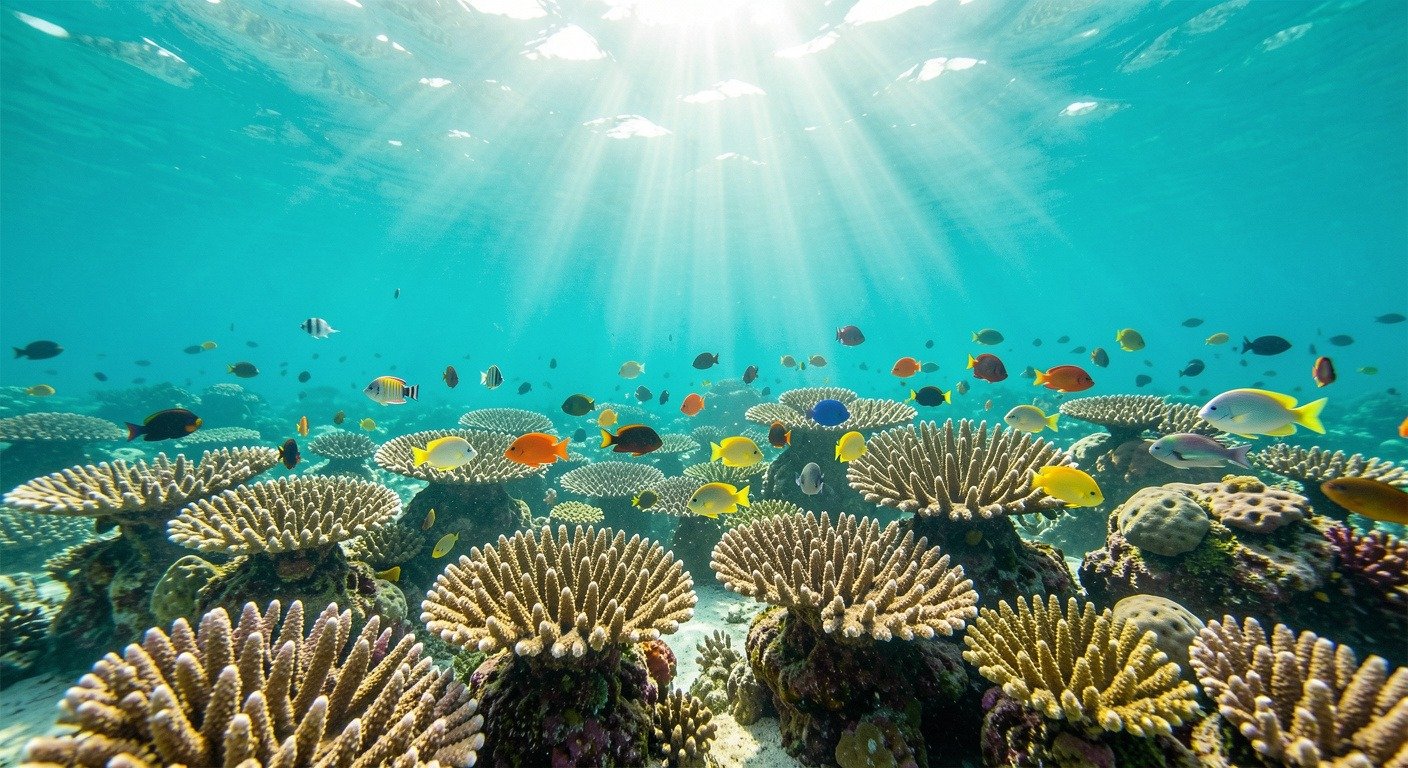
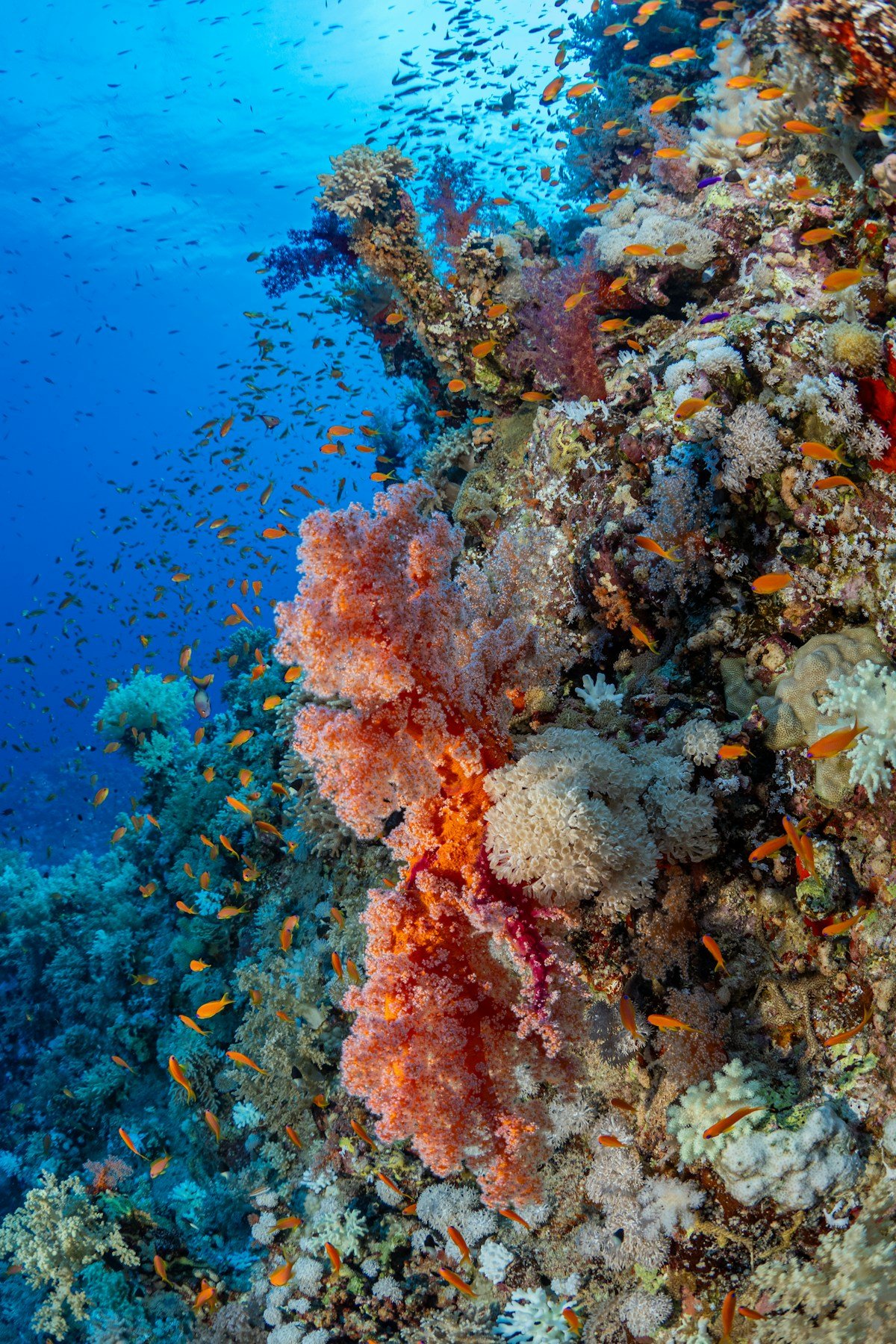
The first thing a diver notices on a healthy reef is the noise. Parrotfish scrape algae from rock. Shrimp crackle in the crevices. Fish dart between coral branches in flashes of blue and yellow. The reef is alive, and it is loud.
For years, the story of coral reefs has been told mostly in loss. Rising ocean temperatures have triggered bleaching events that turn vibrant underwater cities into white skeletons. Between 2023 and 2025, the world lived through its fourth global mass bleaching event, the largest ever recorded. But new research offers something that has been in short supply: hope.
A team led by the Wildlife Conservation Society and Macquarie University has mapped 165,922 square kilometers of coral reefs with the strongest potential to survive climate change. That is roughly three times more than previous estimates.
What Scientists Found
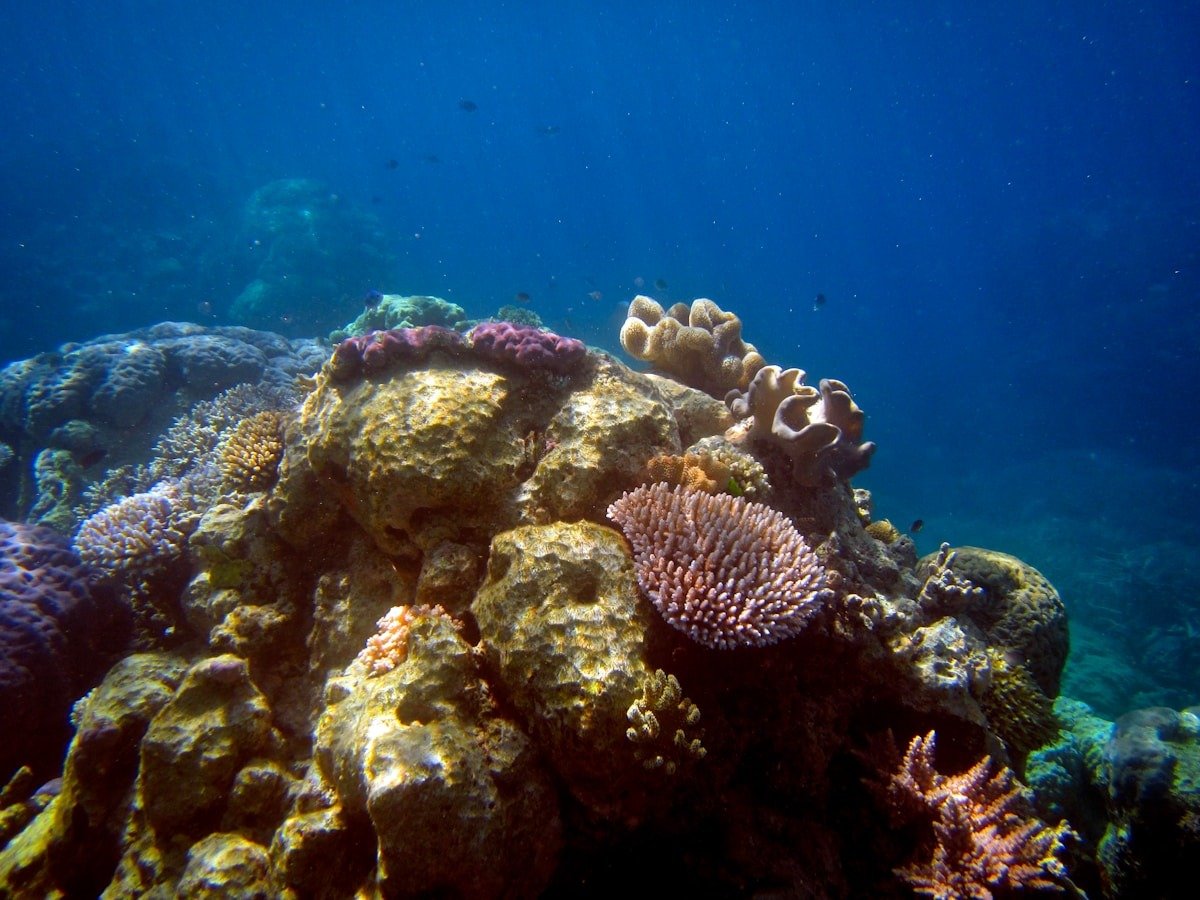
The research analyzed more than 45,000 coral reef surveys and decades of climate and ocean data. The resulting map, presented at the Our Ocean Conference in Kenya, is 10,000 times more detailed than any earlier version.
More than half of these climate-resilient reefs are concentrated in just five countries: Australia, the Bahamas, Cuba, Indonesia, and the Philippines. Important new areas were also found in the Caribbean, in places like Belize and Panama, which earlier assessments had overlooked.
“Coral reefs are often framed as ecosystems beyond saving. Our research shows that there are three times more reefs that may be capable of surviving the climate crisis than previously thought.”
Dr. Emily Darling, Wildlife Conservation Society
Despite the expanded map of resilience, fewer than 28 percent of these priority reefs currently sit inside protected or conserved areas. That leaves roughly 119,605 square kilometers of resilient reef habitat without formal safeguards against pollution, overfishing, or unregulated coastal development.
Why Coral Reefs Are in Trouble
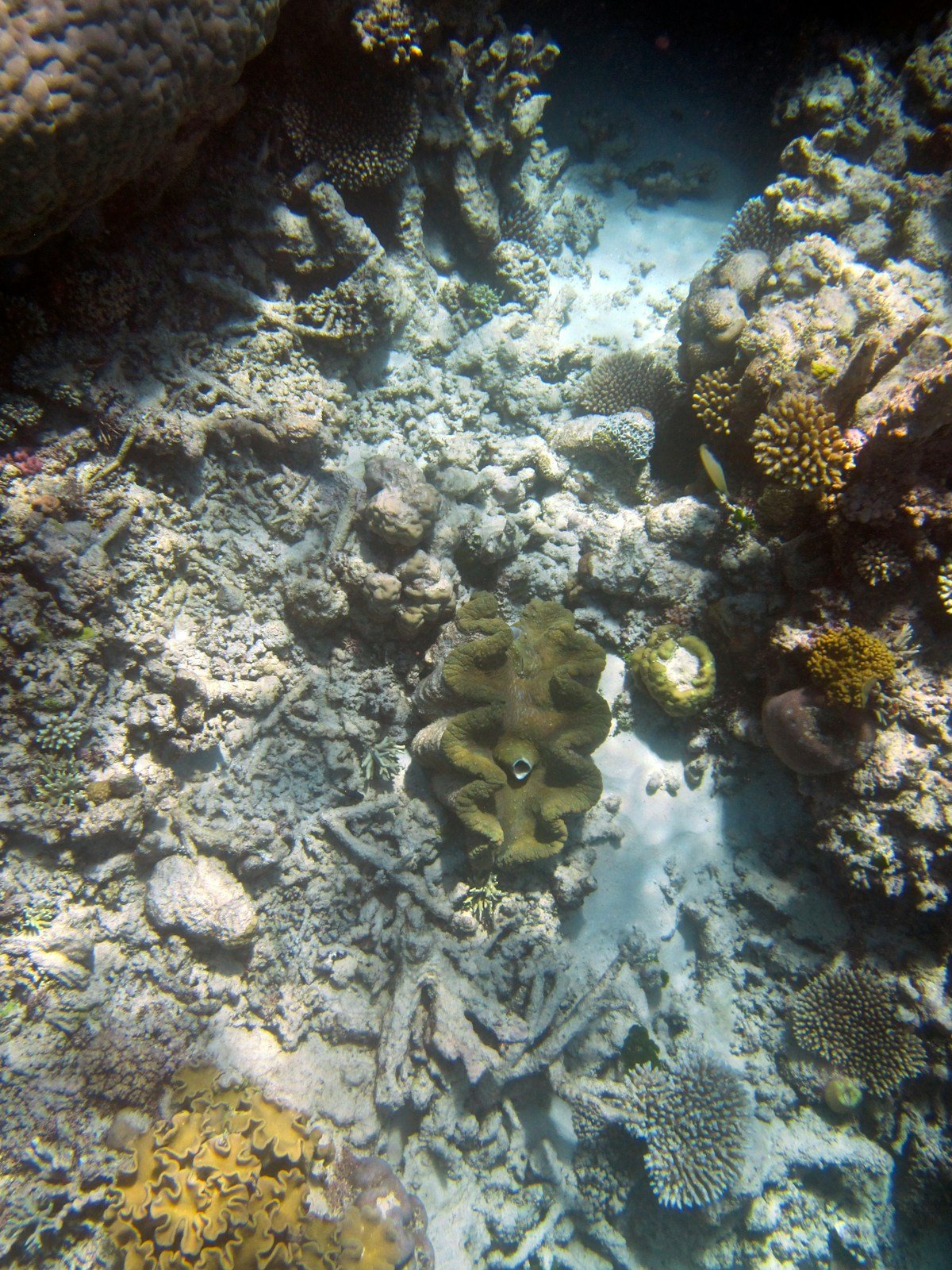
Coral reefs cover less than one percent of the ocean floor, yet they support at least 25 percent of all marine species, according to NOAA. A single reef can host thousands of species, all packed into a living structure built by tiny animals called coral polyps.
Those polyps depend on microscopic algae called zooxanthellae. When water temperatures rise too high, the algae produce toxins and the corals expel them, turning white. This is bleaching. Bleached coral is not dead. If temperatures return to normal within weeks, the algae can return. If the heat persists, the coral starves.
Between January 2023 and September 2025, bleaching-level heat stress affected nearly 84 percent of the world’s coral reef area, according to NOAA’s Coral Reef Watch. Mass bleaching was confirmed in at least 83 countries. According to the Global Coral Reef Monitoring Network, the world has lost approximately 14 percent of its corals since 2009.
How Reef Loss Affects People
Coral reefs are not just an aesthetic wonder. For nearly one billion people, they are a source of food, income, and physical protection.
Food. An estimated 500 million people depend on coral reef fisheries for protein, according to the United Nations. When reefs collapse, diets narrow and malnutrition can follow.
Income. Coral reefs generate an estimated $375 billion in goods and services each year through fisheries, tourism, and coastal protection, according to NOAA.
Safety. Healthy reefs act as natural breakwaters. According to The Nature Conservancy, a healthy reef can reduce wave energy by up to 97 percent.
Culture. For Indigenous communities across the Pacific, coral reefs are part of cultural identity and traditional knowledge. “For millions of people, coral reefs are not just an ecosystem; they are food, income, protection and identity,” said Dr. Gabby Ahmadia of WWF US.
Coral Reefs: Key Numbers
| Metric | Value |
|---|---|
| Climate-resilient reefs mapped | 165,922 sq km (3x previous) |
| Currently protected | Less than 28% |
| Global bleaching (2023–2025) | 84% of reef area affected |
| Coral lost since 2009 | ~14% |
| Annual economic value | $375 billion |
Why There Is Hope
The new research does not suggest climate change has stopped threatening reefs. What it offers is a map of where to act, quickly enough to make a difference.
The study identifies three pathways to resilience. Avoidance refugia sit in cooler water pockets, shielded from the worst heat stress. Resistance refugia host corals with genetic adaptations that help them survive bleaching. Recovery refugia can rebound quickly after disturbance if local conditions are healthy. Recovery depends on reproduction too, and the Great Barrier Reef’s 2026 mass spawning event is the reef’s best natural shot at regrowing damaged stretches.
Kyle J. A. Zawada of Macquarie University, the study’s lead author, described these reefs as “living seed banks” for wider ecosystem recovery. If protected, they could help repopulate degraded areas as conditions allow.
The study arrives as nations work toward the Kunming-Montreal Global Biodiversity Framework, which targets protecting 30 percent of coastal and marine areas by 2030.
What We Can Learn
The findings carry three clear lessons. First, targeted protection works. Reducing local pressures gives reefs a better chance of surviving climate-driven heat stress. Second, resilience is not random. It follows patterns that can be mapped and used to guide investment. Third, climate action remains essential. Every tenth of a degree of additional warming pushes reefs closer to the edge.
“The world above depends on the world below. These reefs are a second chance. The question now is whether we take it.”
The ocean has been giving warnings for years. Bleached reefs are one of them. But the new map offers something warnings alone cannot provide: a clear sense of where opportunity still lives. Beneath the waves, reefs are holding on. They are not beyond saving. They are waiting.