Forests do not just grow where it rains, they actively create rain through a process scientists call biotic pumping. A single large tree can release hundreds of liters of water into the air every day through transpiration. Multiply that by millions of trees, and a forest becomes a massive water pump that moves moisture across entire continents. Here is how the hidden connection between trees and weather works, and why it matters for every person on the planet.
Trees Are Flying Rivers
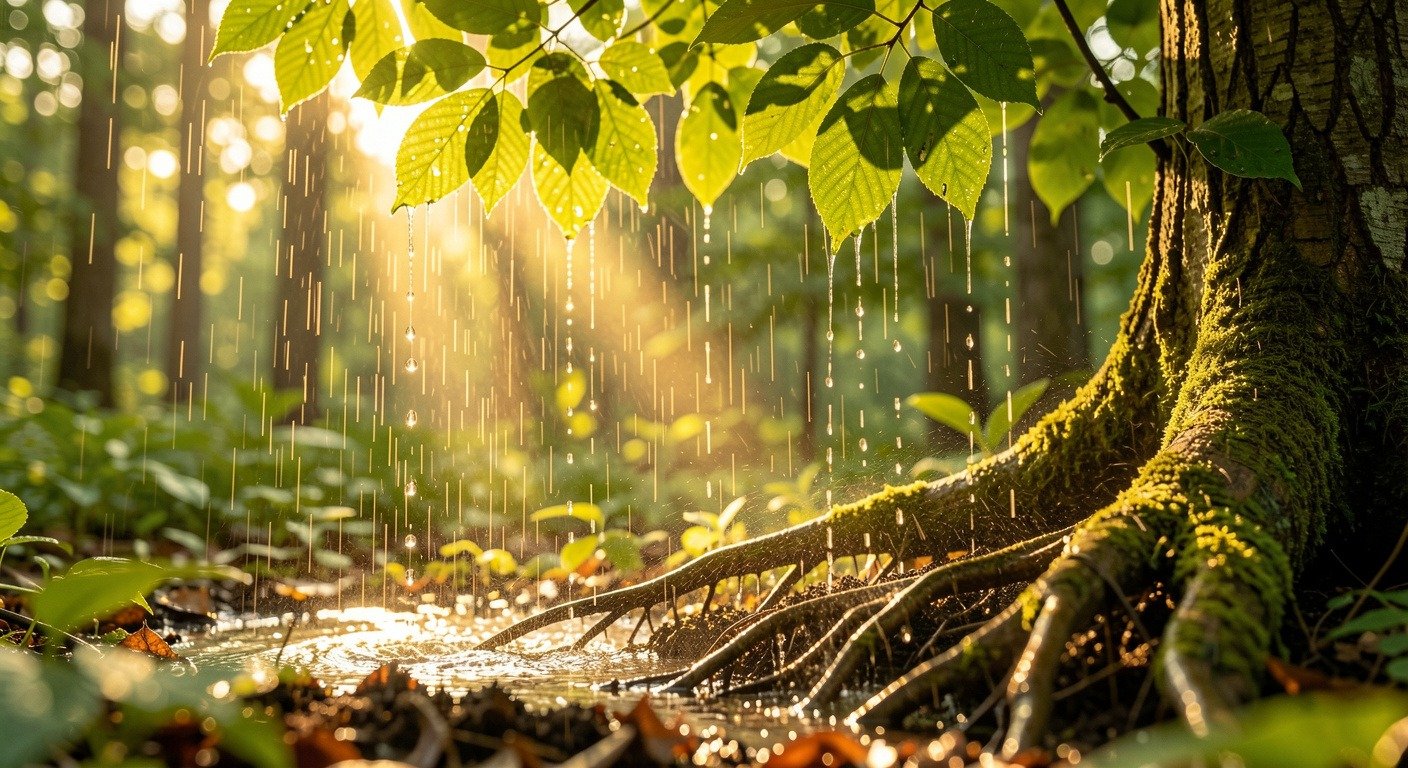
A single large tree can release hundreds of liters of water into the air every day through its leaves. This process is called transpiration. Multiply that by millions of trees, and a forest becomes a massive water pump.
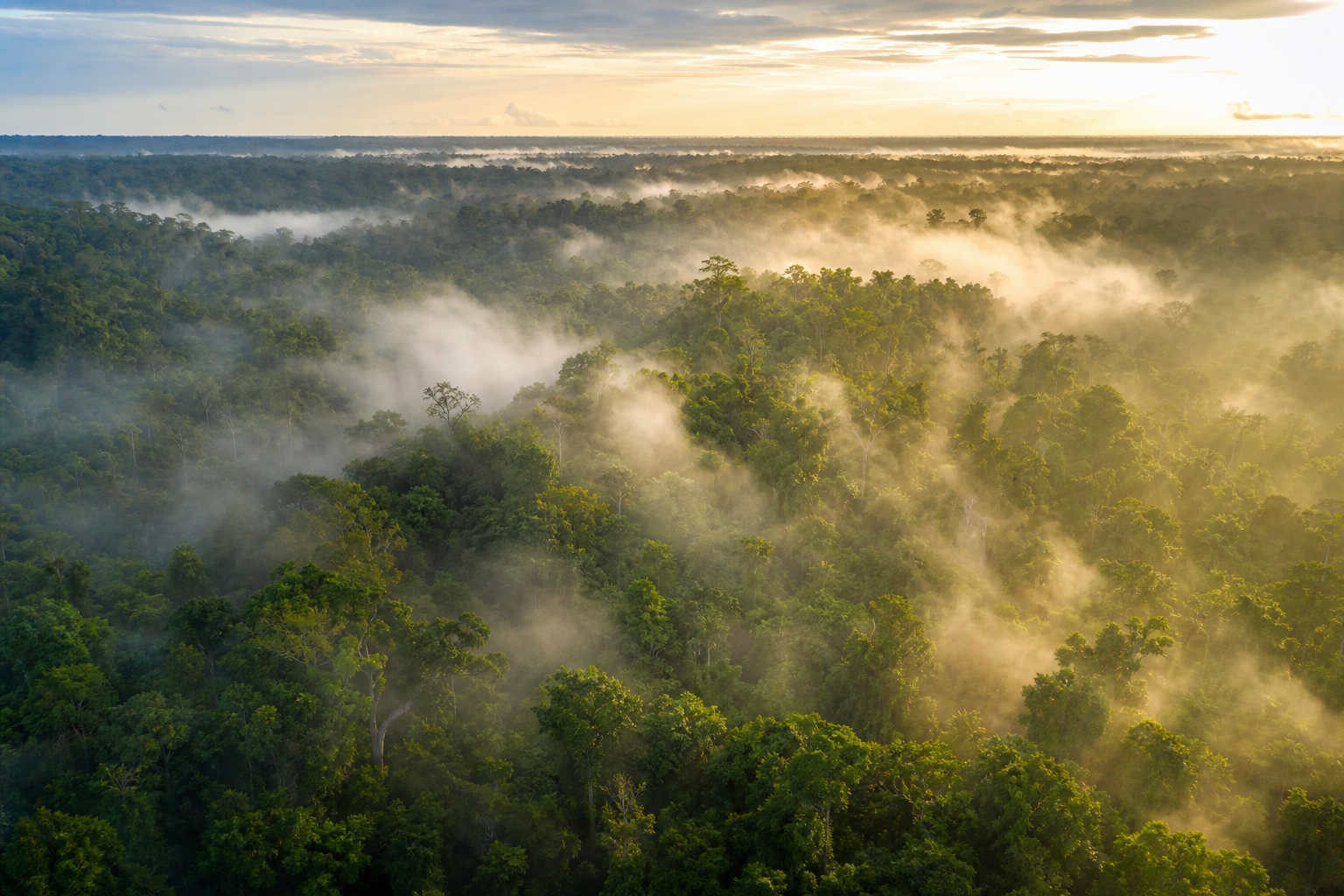
Scientists call these airborne water flows flying rivers. The Amazon rainforest alone pumps an estimated 20 billion tons of water into the atmosphere every day, more than the Amazon River itself carries. That moisture does not just stay above the forest. Winds carry it hundreds or even thousands of kilometers inland. Much of the rain that falls on farmland in Brazil, Argentina, and Paraguay started as water vapor released by trees in the Amazon.
The Proof: What Happens When Forests Disappear
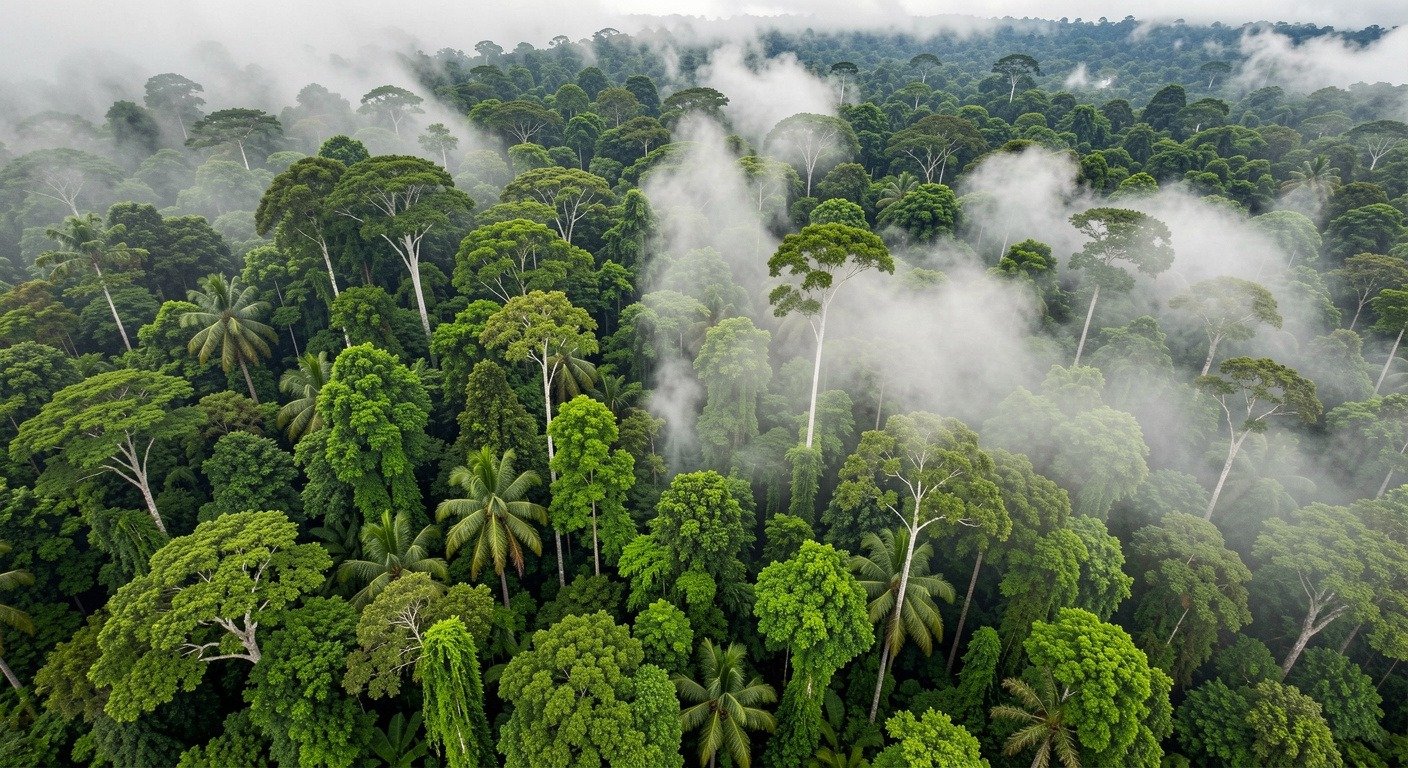
When large areas of forest are cut down, rainfall patterns change, sometimes dramatically:
- The Amazon: Studies show that deforestation has already reduced rainfall in parts of the Amazon basin. As the forest shrinks, the flying river weakens. Some regions now experience longer dry seasons and more frequent drought.
- West Africa: Research published in scientific journals has linked deforestation along the coast of West Africa to reduced rainfall further inland. The loss of coastal forests meant less moisture traveling to the interior.
- Australia: Large-scale land clearing in parts of Queensland and New South Wales has been connected to reductions in regional rainfall, especially during already-dry periods.
The pattern is consistent: fewer trees means less water in the air means less rain.
“The Amazon rainforest pumps an estimated 20 billion tons of water into the atmosphere every day, more than the Amazon River itself carries. This moisture supports agriculture across an entire continent.”
Antonio Nobre, National Institute for Amazonian Research (INPA)
Forests and Rain: Key Numbers
| Metric | Value |
|---|---|
| Water per tree per day | Hundreds of liters |
| Amazon daily water output | 20 billion tons |
| Water vs Amazon River flow | Atmospheric > River volume |
| Regions affected by forest loss | Amazon, West Africa, Australia |
| Feedback loop risk | Dieback tipping point |
How the Cycle Works
The process is a feedback loop, and it works both ways:
- Forests grow → more transpiration → more moisture in the air → more rain → more forest growth.
- Forests are cut down → less transpiration → drier air → less rain → dryer soil → remaining trees struggle → even less transpiration.
This second loop is dangerous. Once it starts, it can turn a lush region into a dry one faster than most people realize. Scientists call this the dieback risk, where a forest crosses a tipping point and cannot sustain itself anymore.
Why This Matters for Everyone
You might not live near a rainforest. But the food you eat probably depends on one. Rainfall from forest systems supports agriculture across entire continents. The Amazon affects farming in South America. The Congo Basin affects West and Central Africa. Southeast Asian forests affect rice production in Thailand, Vietnam, and beyond. Read our US drought coverage to see how disrupted water cycles affect communities worldwide.
Forests are not just the lungs of the Earth. They are its circulatory system, moving water from place to place, keeping entire regions alive.
What You Can Do
- Support reforestation projects. Not just planting trees, but protecting existing forests which are far more effective at regulating water cycles. Organizations like World Agroforestry (ICRAF) work on forest-water connections globally.
- Learn where your food comes from. Products like beef, soy, and palm oil are major drivers of deforestation in key forest regions. Global Forest Watch tracks deforestation in real time.
- Plant native trees where you live. Even small-scale tree cover contributes to local rainfall and cooling. Read about Scotland’s rewilding success for inspiration.
Written by NatureWeatherHub, your simple guide to weather, nature, and the planet.
Sources: World Agroforestry (ICRAF); Global Forest Watch; Antonio Nobre, INPA; Nature; Science.