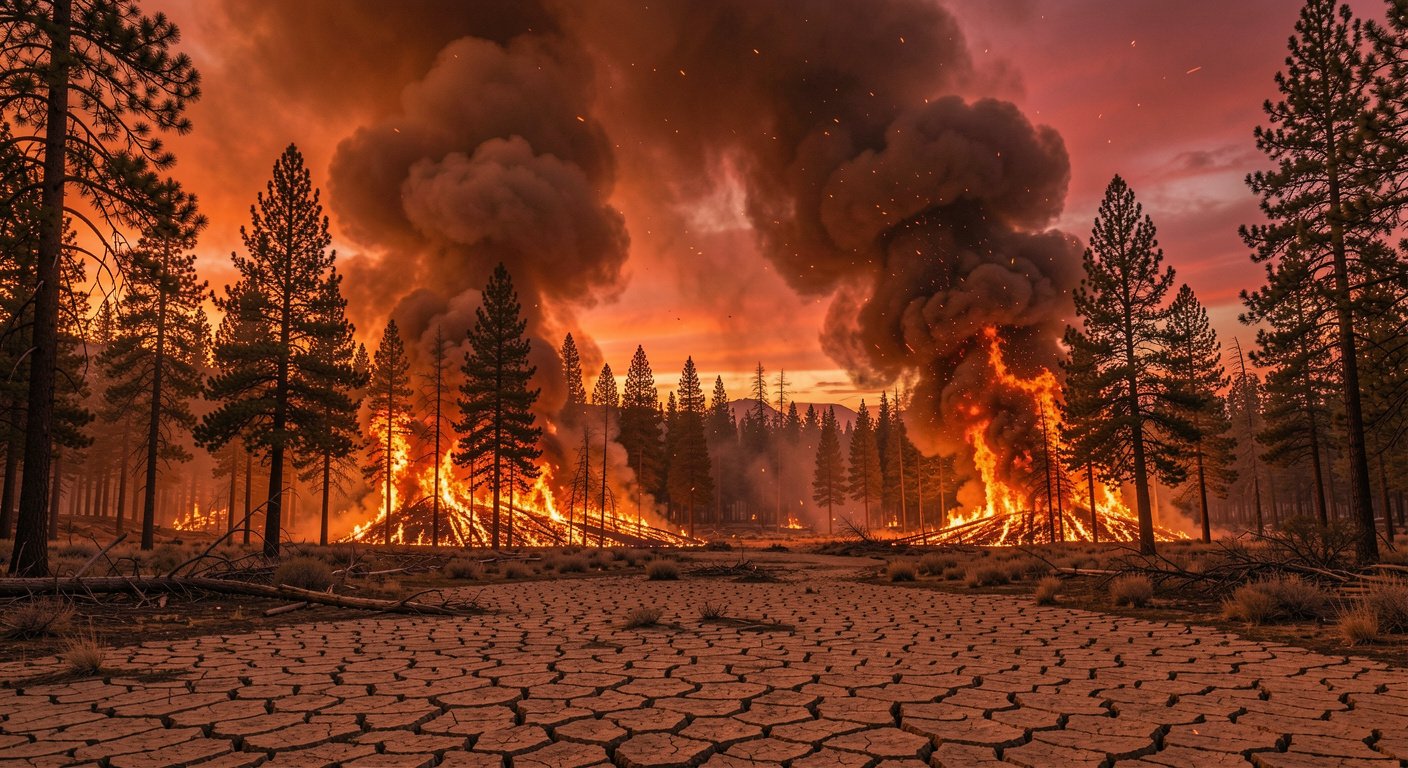
The old “fire season” is dead. In 2026, wildfire has become a year-round threat across the American West, with 30,000 fires burning 2.4 million acres before summer even started. The National Interagency Fire Center reports fire counts running 140% above the 10-year average, and agencies no longer use the phrase “fire season” they publish monthly wildland fire potential outlooks for every month of the year.
Thirty thousand fires. Two point four million acres burned. And summer hasn’t even started.
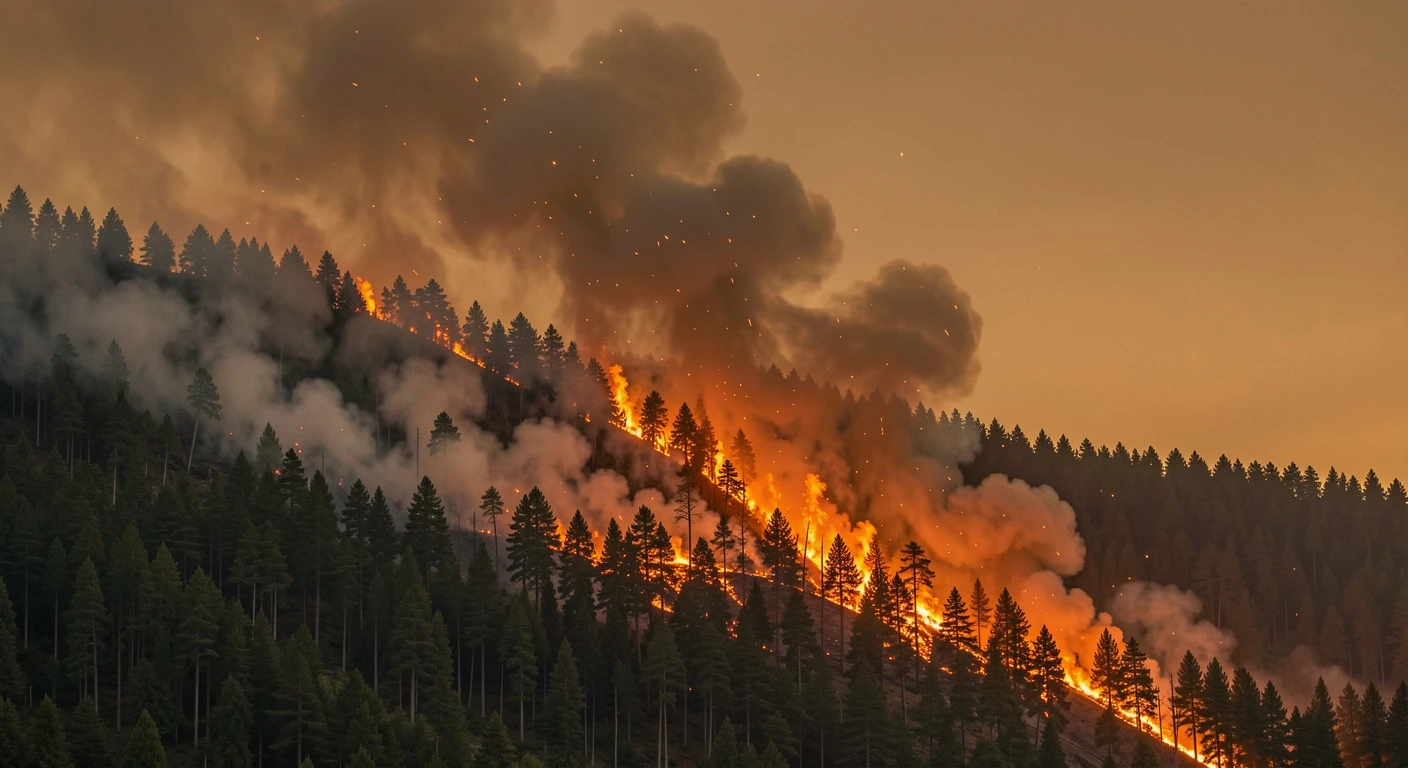
The numbers coming out of the National Interagency Fire Center this June are staggering. Through early June 2026, wildfire counts are running 140% above the 10-year average. Acreage burned? A hundred ninety-five percent of normal. The agency’s June 1 outlook doesn’t describe a “season” anymore. It describes a permanent condition.
“We’ve stopped using the phrase ‘fire season,'” one Forest Service regional director told reporters in early June. “Fire is now a year-round event in much of the West.”
What Changed
Three things broke the old fire calendar. First: drought. Sixty-one percent of the continental United States is currently in some level of drought. That includes nearly all of the West, much of the Plains, and swaths of the Southeast. When the ground is this dry for this long, fuels cure into kindling regardless of what month the calendar says.
Second: snowpack collapse. Snow measurements from western monitoring stations hit record lows this spring, 65% below the seasonal average, the worst readings since satellite tracking began in 2001. Without snowmelt to keep forests damp through early summer, fire risk spikes in April and May instead of July.
Third: a developing El Nino in the Pacific. An El Nino pattern typically brings wet periods that grow vegetation, fuel, followed by heat and drought that dry it out. The cycle creates what fire scientists call a “whiplash effect”: extra growth, then extra burn. With NOAA giving an 82% chance of El Nino conditions by late June, the whiplash is already visible on the ground.
The Spread Creek Signal
If you want a single fire that captures the new normal, look at the Spread Creek Fire in Wyoming’s Bridger-Teton National Forest. It ignited in May at 8,500 feet elevation and burned 254 acres, the largest May fire ever recorded in that forest. May fires at 8,500 feet should not happen. High-elevation forests typically stay snow-covered or damp well into June. That same week, a dry lightning outbreak rolled across the Texas Panhandle and torched more than 250,000 acres in five days.
Where the Smoke Goes
Wildfire smoke doesn’t stay in the West anymore. Fine particulate matter (PM2.5) from large fires travels thousands of miles. In June 2023, smoke from Canadian fires turned New York City’s sky orange and gave it the worst air quality on the planet for a day. A March 2026 study in Nature Geoscience projected that smoke from North American boreal forest fires will increase 25% by 2030 and 75% by century’s end.
The Capacity Problem
At the same moment fire risk is climbing, the federal firefighting workforce is shrinking. The U.S. Forest Service lost 5,860 employees in early 2025 through layoffs, resignations, and hiring freezes. Congress has proposed a new U.S. Wildland Fire Service with a $1.16 billion budget, but consolidation takes years, and fires are burning now.
What Communities Can Do
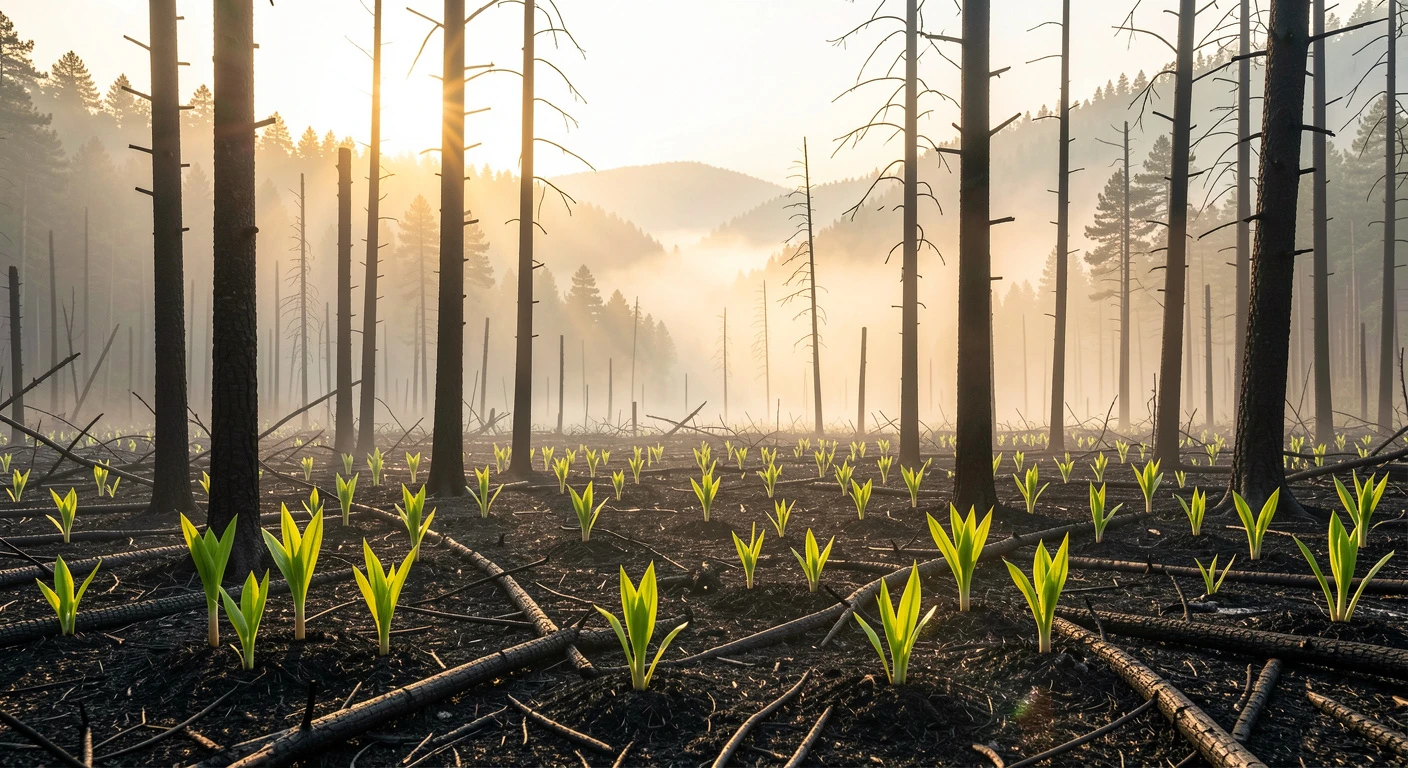
Fire years demand different preparation than fire seasons. Year-round defensible space is now continuous, because fire can arrive in December. Air quality readiness means every household should have a plan for smoke days with sealed windows, HEPA filtration, and N95 masks. Evacuation planning must happen before the alert, as fire behavior now outruns notification systems. And restoring natural fire cycles through controlled burns, managed ignitions, and beaver-based watershed restoration helps reduce fuel loads.
The Bottom Line
Agencies don’t issue “fire season outlooks” anymore. They publish “wildland fire potential outlooks” that cover every month of the year. The 2026 numbers are alarming, but they are not an anomaly. They are the continuation of a trend line that has been climbing for two decades, fueled by drought that now covers 61% of the country and amplified by a developing El Nino that shows every sign of making things worse before they get better.
Fire season is not getting longer. It disappeared. What is left is something communities, firefighters, and policymakers are still learning to live with.