
The Moment
You are seven years old. The porch light flickers. You count the seconds between the flash and the boom, like your grandfather taught you. One Mississippi, two Mississippi, three.
The thunder rolls across the sky and you feel it in your chest, a sound so big it takes up the whole world for a moment.
The answer to what makes thunder begins with lightning. It ends somewhere deeper.
What Makes Thunder?
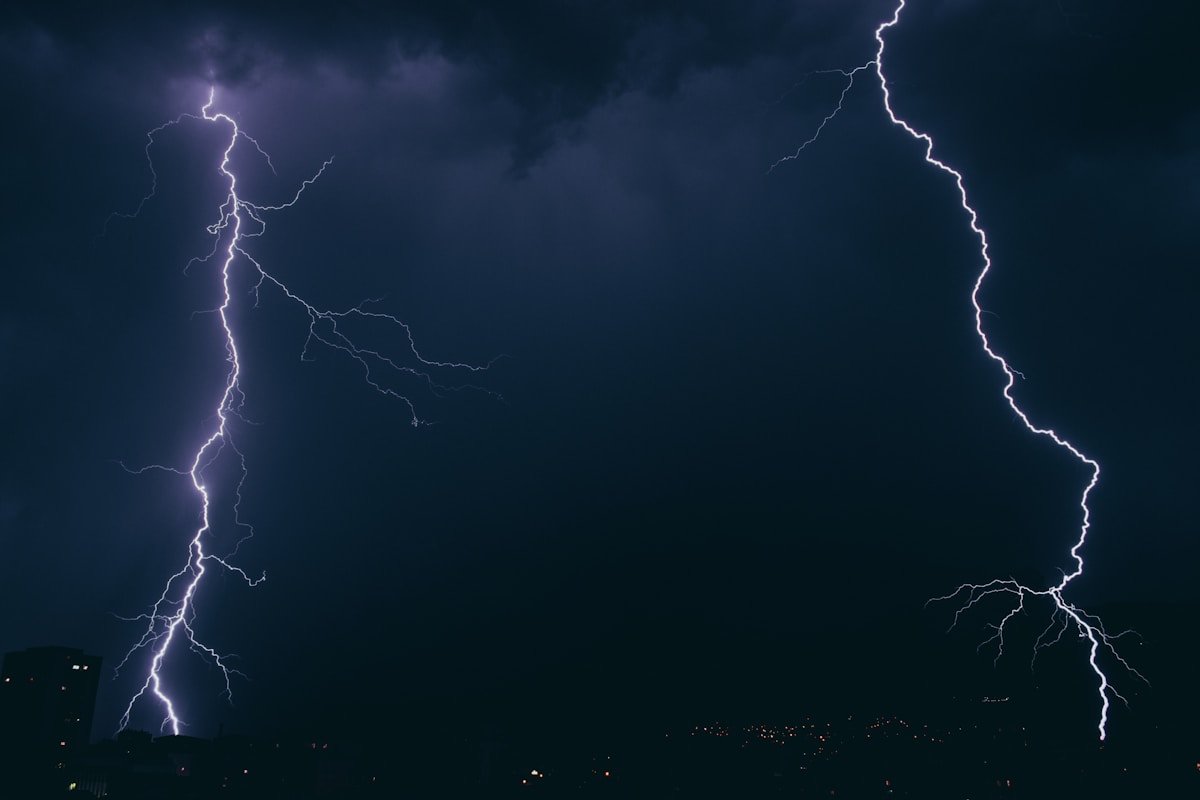
Thunder is not a separate event. It is lightning’s sound. Every bolt you see writes a sonic signature into the air.
What you hear depends on how close the strike is and how long the channel stretches. A sharp crack means the lightning hit nearby, maybe a few hundred feet away. A long, rolling rumble tells a different story.
The bolt cut a jagged path through the sky, sometimes miles long. Every point along that channel sends sound waves toward you at a slightly different moment. That is why thunder grumbles instead of banging once.
The farther you are from the strike, the more the sound spreads out and softens, according to the National Weather Service.
The Science: How Lightning Creates Thunder
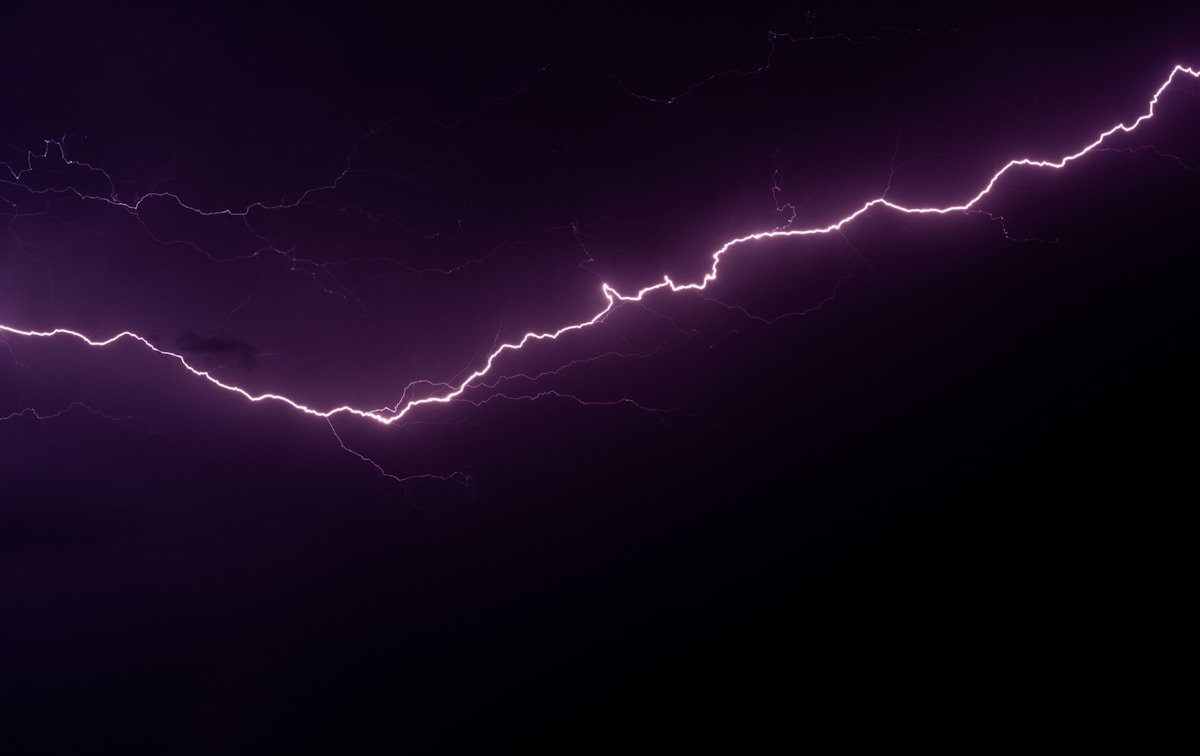
Lightning makes thunder the same way an explosion makes a boom. It heats the air so fast that the air has no time to get out of the way.
When a lightning bolt fires through the atmosphere, it raises the temperature of the surrounding air to roughly 50,000 degrees Fahrenheit. That is five times hotter than the surface of the Sun. This heating happens in milliseconds.
The air expands explosively, slamming outward faster than the speed of sound. That shockwave travels outward, and when it reaches you, it registers as thunder, as explained by NOAA’s JetStream program.
The scientific term for this is acoustic shockwave formation. The real-world example is simple.
Clap your hands. The air between your palms compresses suddenly.
Now imagine that same physics scaled up to 50,000 degrees. That is thunder.
If you want to understand the lightning that creates it, read our guide on how lightning forms.
The Meaning: What Thunder Tells You
You can use thunder to keep yourself safe. Sound travels at about 1,100 feet per second, far slower than light.
Light reaches you almost instantly. Sound takes its time.
Count the seconds between the flash and the boom, then divide by five. That number is how many miles away the lightning struck. If you count fewer than five seconds, the storm is close enough to be dangerous.
The National Severe Storms Laboratory notes that thunder is typically audible within about 10 miles of a strike. Beyond that distance, atmospheric conditions often bend the sound waves upward, away from your ears.
In elevated thunderstorms, where warmer air sits above cooler air near the ground, the sound may stay trapped above that layer.
You see the lightning but hear nothing. That silence does not mean the storm is far away. It means the sound never reached the ground.
If thunder follows the flash in under 30 seconds, you need shelter. The lightning is close enough to strike where you stand.
Knowing what kind of storm clouds produce lightning helps you spot danger before the first flash. Our guide on how to read clouds walks you through identifying storm clouds from a distance.
The Resonance
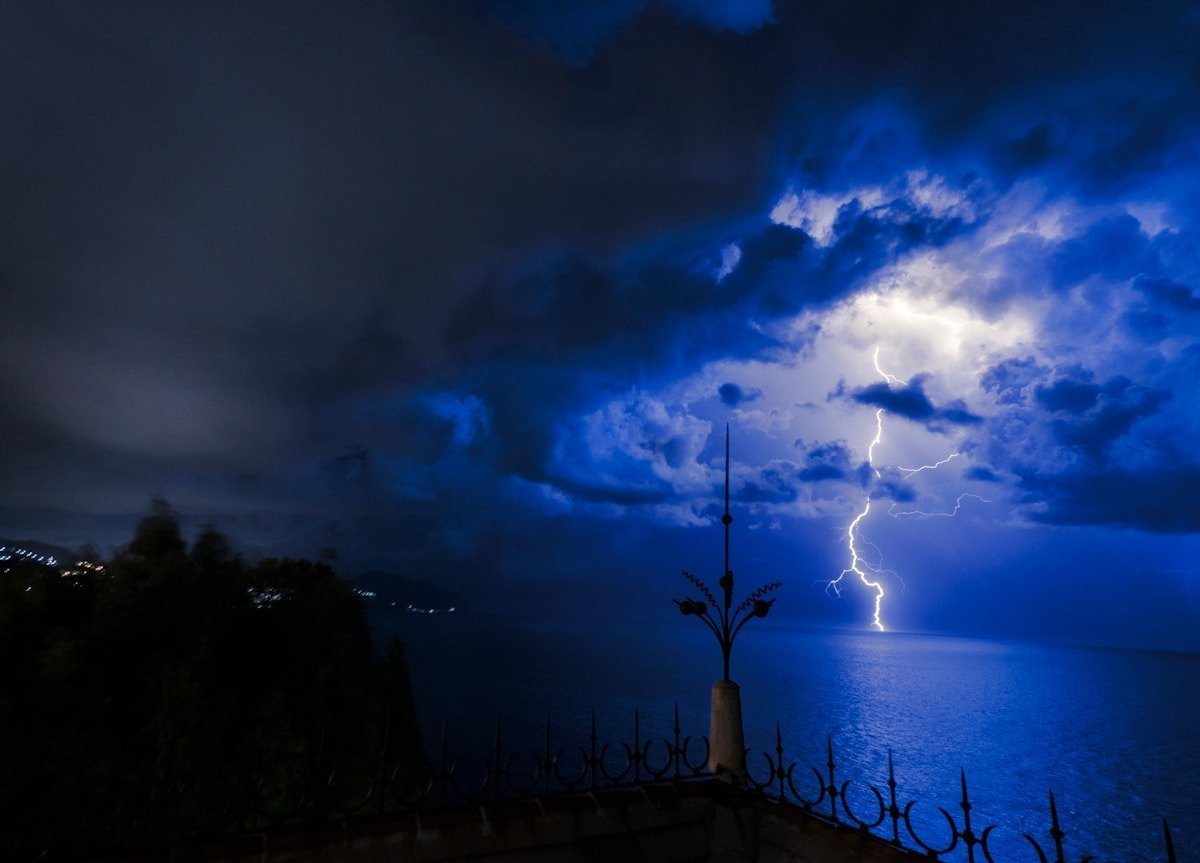
Thunder is the atmosphere’s way of reminding you what raw energy looks like, and sounds like, when it moves through the world. Every rumble is a snapshot of a lightning bolt’s shape and distance. Every crack is a warning.
Next time you stand on a porch watching a storm roll in, count the seconds. You are measuring the speed of sound with nothing but your ears and a heartbeat.
That is not just science. That is being alive in a world that still knows how to shake the ground beneath you.