On a January afternoon in 2023, Sarah Lindstrom stepped out of her office in Grand Forks, North Dakota, and looked up. Two bright, shimmering spots of light sat on either side of the sun, each glowing with faint bands of color. For a moment, she thought the cold was playing tricks on her eyes. She pulled out her phone and typed what are sundogs. She had just witnessed one of the atmosphere’s most beautiful optical illusions.
If you have ever glanced at a winter sky near sunrise or sunset and spotted what looked like two extra suns flanking the real one, you have already joined the millions of people who type what are sundogs into search engines every year. The answer blends ice crystals with sunlight and a trick of geometry that turns the sky into a prism. It is the kind of phenomenon that stops people in parking lots and makes drivers pull over. It fills camera rolls with a half-dozen nearly identical photos that do not quite capture what the eye saw.
What Are Sundogs? A Sky Trick Older Than Science
Sundogs, known to scientists as parhelia (singular: parhelion), are bright patches of light that appear on one or both sides of the sun. They sit at the same elevation as the sun, roughly 22 degrees to its left and right. When both appear together, the effect is uncanny: a trio of bright orbs stretched across the horizon, the outer two wearing pale rainbow colors. If you have ever searched what are sundogs after spotting them, you are in good company. The phenomenon has puzzled and delighted sky watchers for thousands of years.
The scientific name comes from the Greek para (beside) and helios (sun). The common name is even more evocative. Some linguists trace “sundog” to an old Norse story about a wolf chasing the sun. Others point to a Greek myth in which Zeus walked his two dogs across the sky, the bright spots marking where the dogs flanked their master.
Unlike rainbows, which always appear opposite the sun, sundogs sit right beside it. They belong to a family of atmospheric phenomena called ice halos, which includes 22-degree halos, sun pillars, and circumzenithal arcs. The same family of crystals that paints sundogs onto the sky also creates the ring of light sometimes seen encircling the sun, according to Atmospheric Optics researcher Les Cowley. What separates sundogs from their halo cousins is their placement, their brightness, and their tendency to show distinct color separation that can rival a rainbow in miniature.
People report seeing them most often on bitterly cold mornings, when the sun hangs low and the air is filled with the right kind of ice. The northern Great Plains, Scandinavia, and the Canadian prairies produce them with regularity. But sundogs have been photographed in every state in the continental United States and on every continent. The only requirements are the right clouds and the right angle of sunlight.
How Ice Crystals Paint Extra Suns Into the Sky
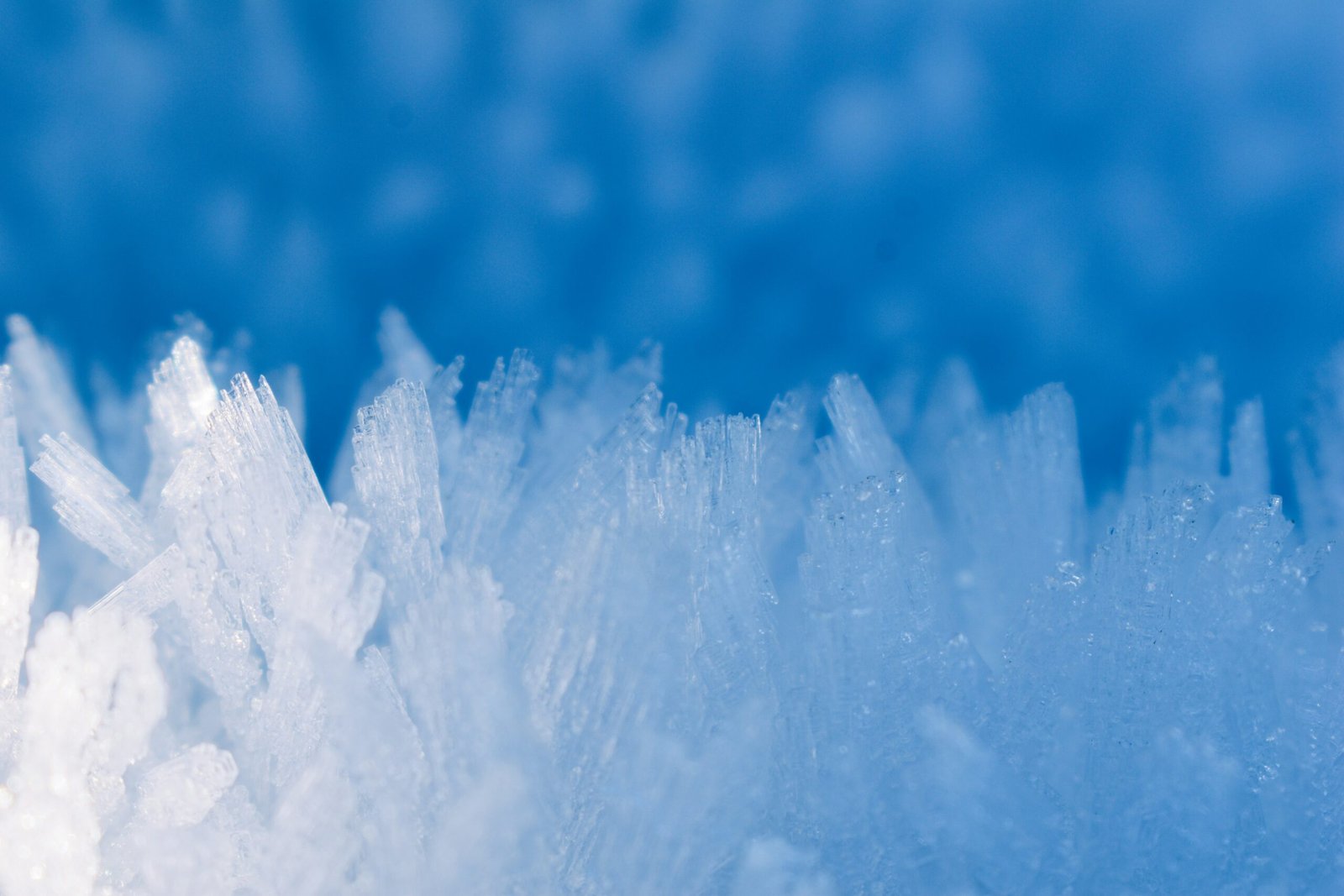
The physics behind sundogs is elegantly simple, and it answers the question what are sundogs at the molecular level. High in the atmosphere, in cirrus or cirrostratus clouds, millions of hexagonal plate-shaped ice crystals drift and fall. These crystals are flat, six-sided wafers no wider than a human hair. As they descend through still air, they tend to orient themselves horizontally, like tiny flying saucers. That horizontal orientation is the key to the whole illusion.
Sunlight enters one side face of a crystal, bends or refracts as it passes through, and exits through another face. Because the crystal is a hexagonal prism, the light bends at a minimum angle of about 22 degrees. This is why both sundogs and the more common 22-degree halo form at that same angular distance from the sun. But sundogs get their special character from the plate orientation. When crystals are randomly tumbled, the refracted light spreads into a full circle, producing a halo. When the crystals are flat and horizontal, the light concentrates into two bright spots, one on each side. That is the sundog, according to the NOAA National Environmental Satellite, Data, and Information Service.
Color separation happens because different wavelengths of light bend by different amounts as they pass through the ice. Red light bends the least, so it appears on the inner edge of the sundog, closest to the sun. Blue light bends the most and appears on the outer edge. The result is a small spectrum, red on the inside and blue on the outside, that looks like a detached piece of rainbow pinned to the sky. NASA scientists describe the process as essentially the same physics that produces rainbows in water droplets, transported to a colder, higher stage.
When and Where the Sky Puts on Its Best Show
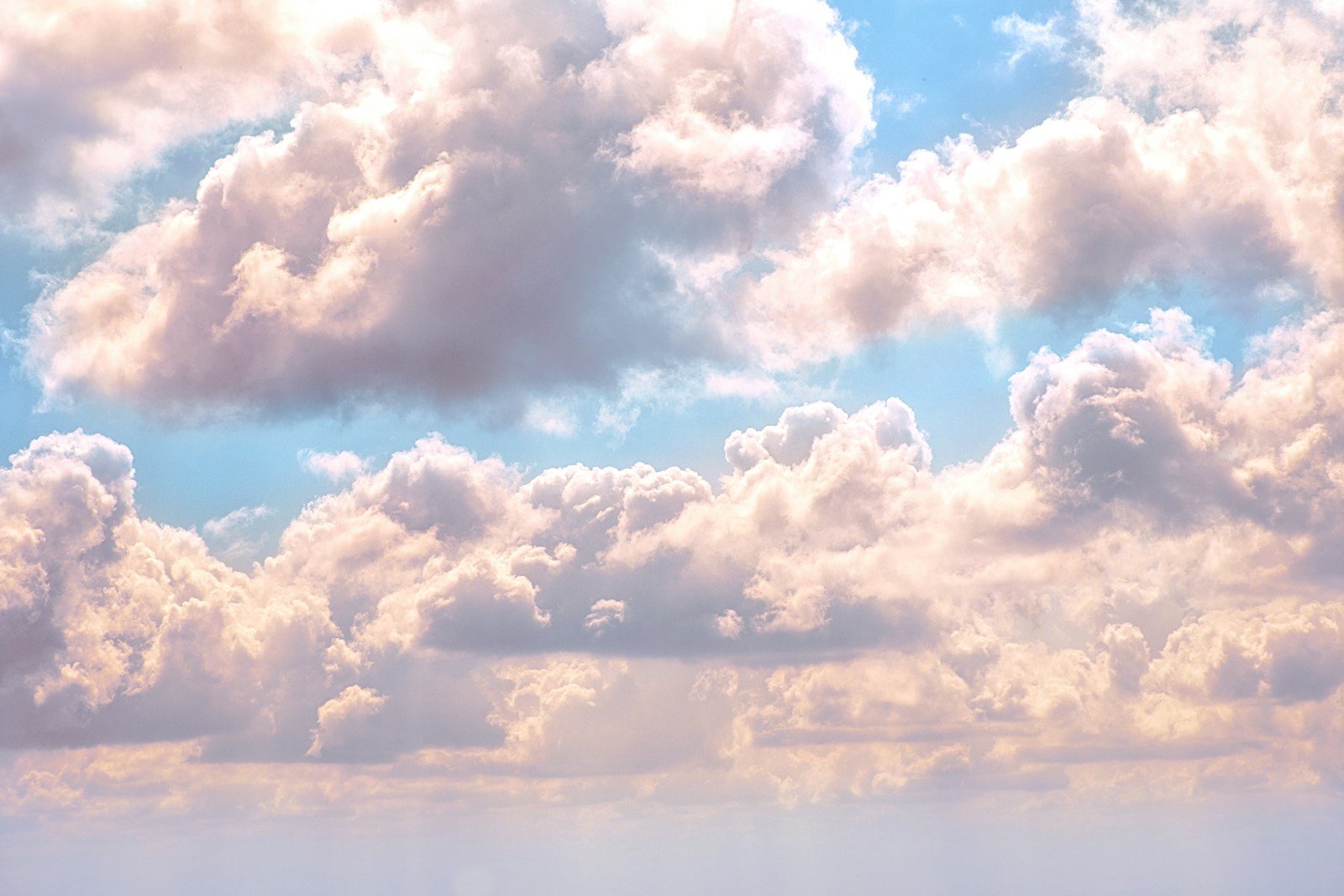
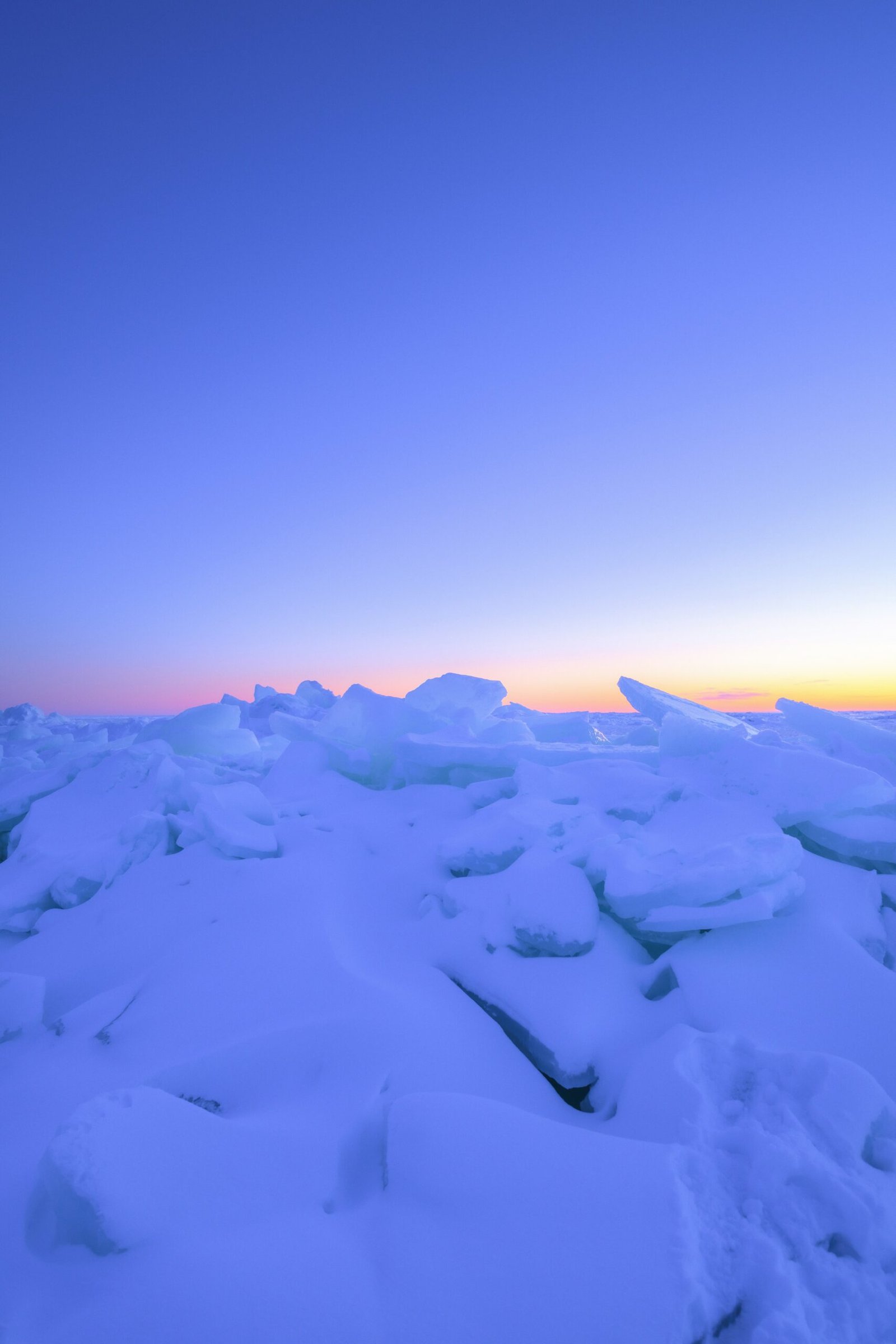
Sundogs are not rare in the way a total solar eclipse is rare. In cold climates, they can appear dozens of times per year. What makes them feel rare is that most of us spend our days looking at screens, not skies. The best time to catch them is in the hour after sunrise or the hour before sunset, when the sun sits low enough on the horizon for the 22-degree geometry to work. The sun also needs to be shining through a thin layer of cirrus or cirrostratus clouds, the kind that look like a white veil stretched across the blue.
Winter is the prime season. The ice crystals that make sundogs form more reliably in cold air, and the low sun angle of winter days means the geometry is right for hours instead of minutes. The Upper Midwest, Alaska, and northern Europe are hotspots. In the Southern Hemisphere, Antarctica produces some of the most vivid sundogs ever photographed, a function of both the relentless cold and the clean, particle-free air. But you do not need to travel to the poles. A January afternoon in Nebraska, a February sunrise in Scotland, or a December morning in Harbin, China, can all produce the same spectacle.
In February 2025, a pilot flying over the Himalayas reported seeing what he described as a “second sun” rising beside the real one over the peaks. The story spread quickly on social media before atmospheric scientists identified it: a classic sundog, rendered unusually bright by the thin, high-altitude air and the pristine ice crystals above the mountains. The event made news precisely because it fooled someone who spends his professional life looking at the sky, proof that even experts can be caught off guard by what ice and light can create together.
What Ancient Cultures Made of the Three Suns
Long before physicists explained refraction, sundogs were woven into the stories people told to make sense of the world. In Norse mythology, a pair of wolves named Skoll and Hati chased the sun and moon across the sky. When the wolves got close, the sky itself seemed to splinter, producing multiple bright spots. A sighting of sundogs was understood as a sign that the wolves were gaining ground, an omen of approaching chaos or change. The name “sundog” may carry an echo of that old story, the bright spots imagined as the hounds of the sun.
Native American traditions also took note. Several Plains tribes interpreted the three-sun illusion as a sign of good fortune, a blessing from the sky that meant the coming season would bring favorable weather and successful hunts. The emotional range of these interpretations is striking. The same phenomenon could mean wolves closing in or spirits smiling down, depending on who was looking. The sky did not change. The stories people told about it did.
Medieval European chronicles recorded sundog sightings as portents, often in the context of battles or royal successions. A particularly vivid display in 1535 over Stockholm was painted and written about for decades afterward. Today, we know exactly what causes the lights. We can even predict when they will appear based on cloud type and sun position. But the old sense that the sky is speaking has not entirely faded. When three suns hang over the horizon, the rational explanation sits alongside a quieter, older instinct that the moment matters.
A Reminder to Look Up
Sundogs do not change the weather. They do not forecast storms or signal anything beyond the simple presence of ice crystals in the upper troposphere. They are, in the most literal sense, a trick of the light. And yet the people who stop to photograph them, who call their kids outside to see, who stand in freezing parking lots with their necks craned, are not reacting to a physics demonstration. They are reacting to the feeling that the ordinary sky, the one we walk under without a second thought, just did something extraordinary.
The next time a cold, clear winter afternoon gives way to a thin veil of high cloud, glance toward the sun. If the angle is right and the crystals are there, you might see two bright sentinels standing on either side of it. You will know what they are. You will know the ice crystal geometry that placed them there, the Greek name that scientists use, the old Norse story about the wolves. You will know what are sundogs. And for a moment, you will stand still in the cold and look, because some things are worth the frozen fingers.
Understanding how clouds form is the first step to predicting when sundogs might appear. Once you know what are sundogs and the cloud types that produce them, you can start watching for the right conditions. Cirrus and cirrostratus clouds are the canvas on which these ice halos are painted. And if you have ever wondered why something as simple as fog can be so disorienting while an ice halo feels so beautiful, the answer lies in the same family of atmospheric water, just arranged differently. The sky has more stories than most of us take the time to read.