Wildfire Season Is Running Hot
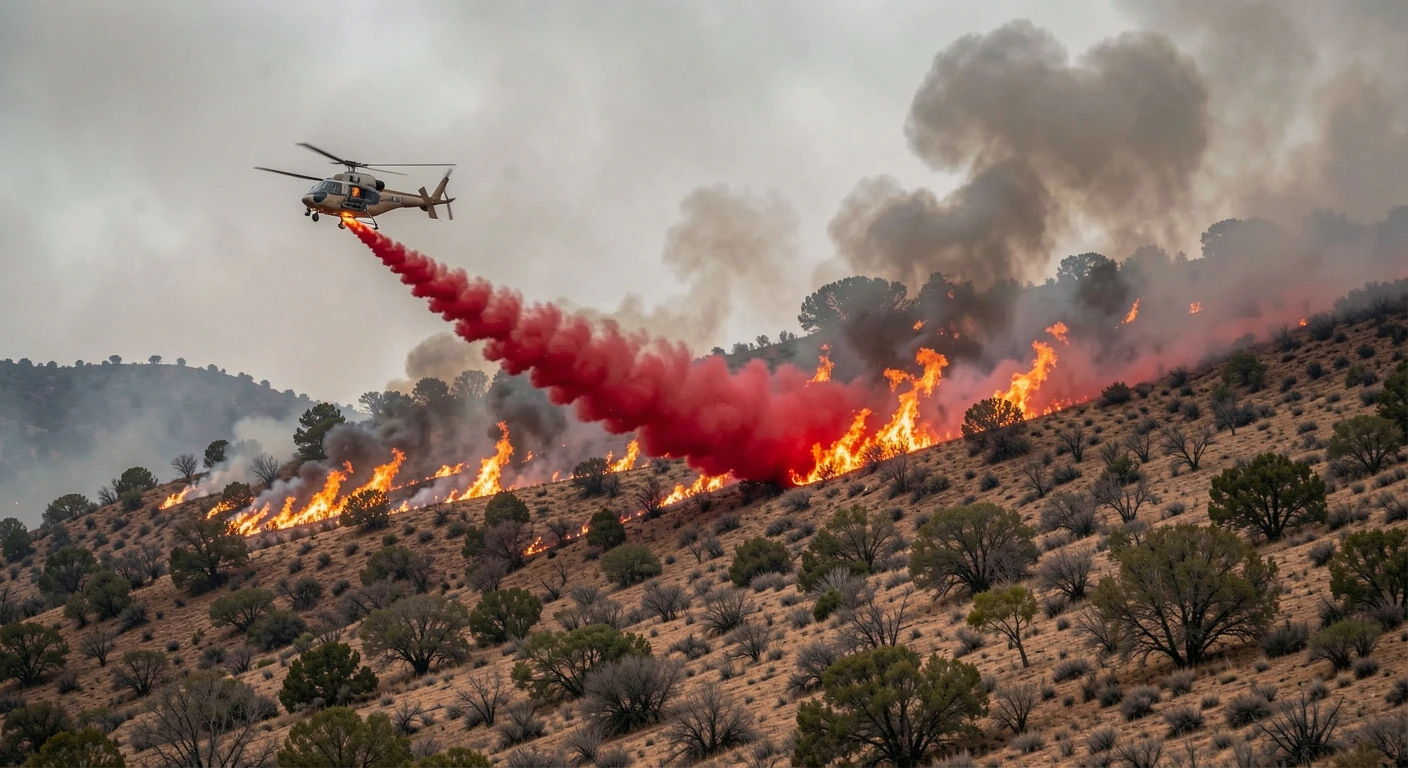
By the end of June 2026, more than 30,500 wildfires had already been reported across the United States. That’s 140% of the average for this point in the year, according to the National Interagency Fire Center (NIFC).
And the hottest, driest months are still ahead.
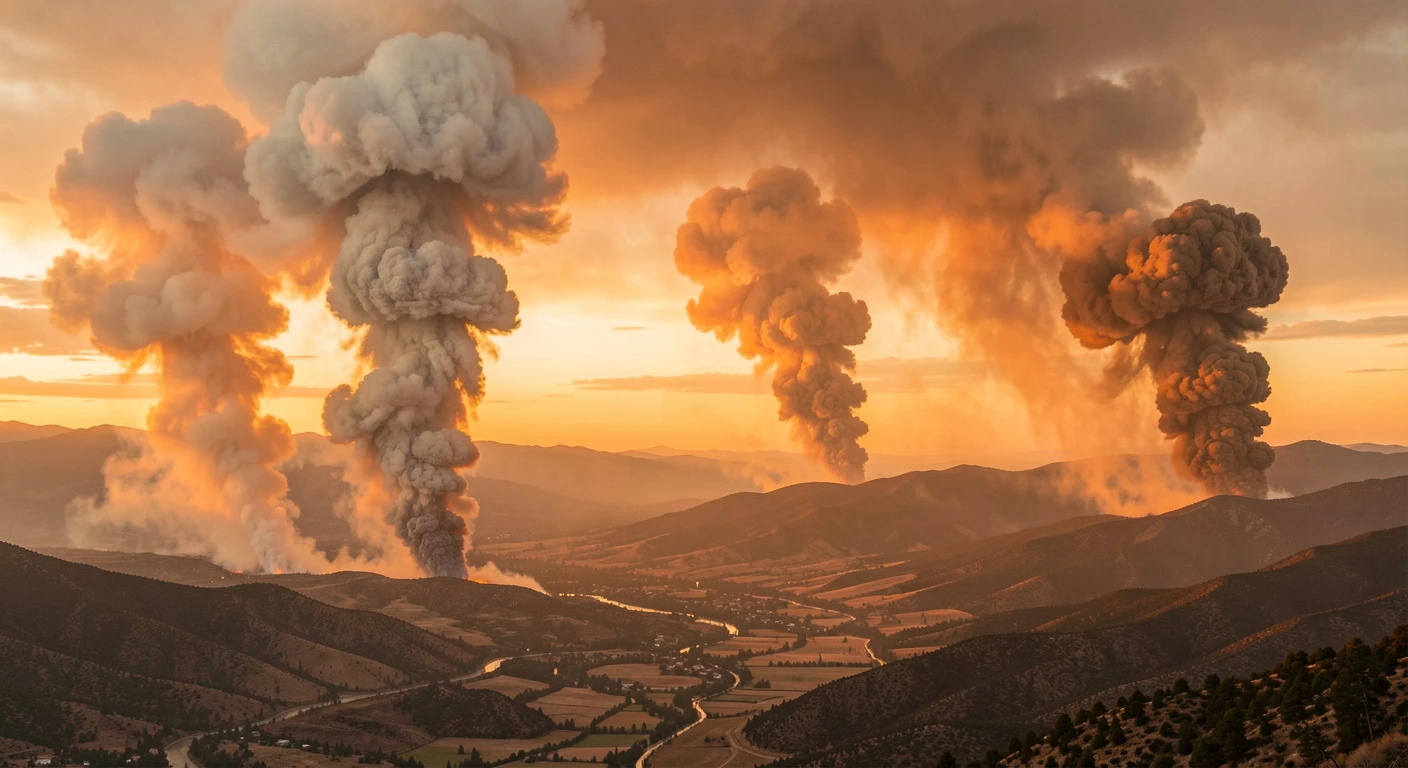
AccuWeather’s 2026 wildfire forecast projects 65,000 to 80,000 fires will burn between 5.5 and 8 million acres before the year is over. To put that in perspective, 8 million acres is roughly the size of Maryland.
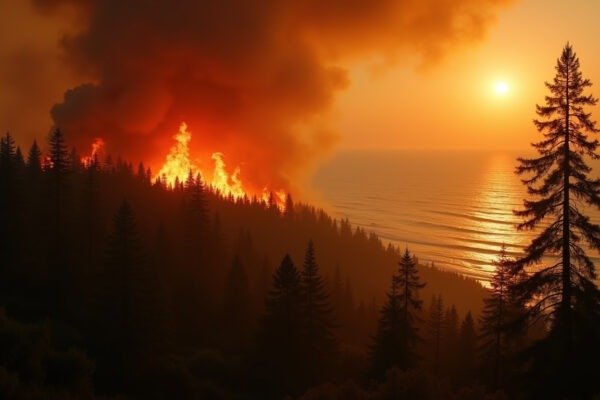
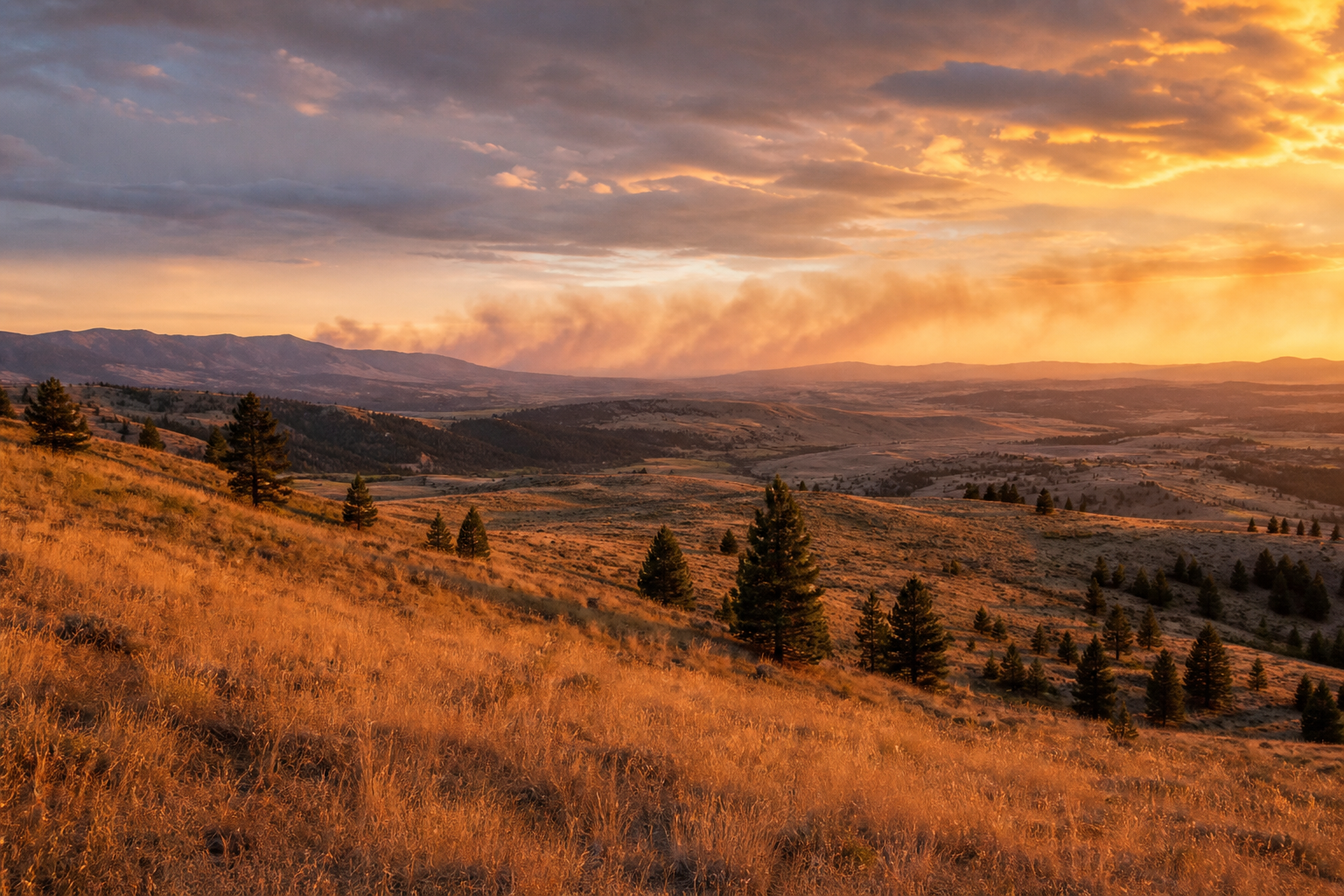
This isn’t just another fire season. It’s shaping up to be one of the most active in years , and there are clear scientific reasons why.
What’s Happening Right Now
As of mid-June, active fires are burning across the West. The NIFC’s June 18 situation report flagged fires in Nevada (Kane Springs, 17 miles southwest of Caliente, with running and torching behavior threatening railroad infrastructure), Arizona (Rock Canyon, 20 miles southeast of Fredonia), and New Mexico, where the Hausner Wildfire in the Zuni Mountains required an immediate multi-agency response.
Across the Southwest, temperatures are pushing past 100°F in the valleys, with isolated dry thunderstorms creating new ignition risks across Arizona and New Mexico. The combination of heat, dry vegetation, and lightning is a recipe for rapid fire growth.
And this is just the early season. The NIFC’s July–September outlook warns that above-normal fire potential will persist across the Great Basin, Southwest, and Rockies through September.
Why 2026 Is Different
Three big factors are stacking the deck this year.
First, drought. Over 40% of the United States is currently in drought conditions, according to the U.S. Drought Monitor. That means vegetation (grass, brush, timber) is primed to burn. In the West, May precipitation was well below normal across most regions, leaving fuels dangerously dry before summer even started.
Second, heat. The World Meteorological Organization reported that the first weeks of 2026 brought extreme heat, cold, precipitation, and fires, an unusual mix even by recent standards. The early-season heat waves baked moisture out of the soil and vegetation, extending the fire season by weeks on both ends.
Third, El Niño. NOAA confirmed El Niño’s arrival on June 11, 2026, with a 90%+ probability it persists through November. El Niño years tend to bring hotter, drier conditions to parts of the West, amplifying fire risk. German outlet DW warned in January that 2026 could be a “particularly severe year” of wildfires due to the combination of climate change and El Niño, and that prediction is now playing out.
The Science of Why Wildfires Turn Extreme
Not every wildfire becomes a disaster. So what makes some fires spin out of control? Researchers have identified a clear pattern.
A study published in June 2026 on Phys.org found that extreme wildfires happen when three specific conditions line up at the same time:
- Vegetation primed to burn: drought-stressed trees, dry grass, accumulated dead brush
- A brief, localized weather pattern that supports rapid spread: think sudden wind shifts, dry lightning, or a hot, low-humidity air mass moving in
- An ignition in a vulnerable location: a spark near steep terrain, dense housing, or continuous dry fuel beds
When all three converge, you get exactly the kind of fire behavior the NIFC described on June 18: “running, torching, and flanking” — fire that moves fast, climbs into tree canopies, and spreads in multiple directions at once.
What’s concerning is that climate change is making the first two conditions more common. NASA’s Earth science division explains that a warming climate is drying out landscapes earlier in the year and creating more frequent “fire weather” days — the hot, dry, windy conditions that fires love.
The Nature Conservancy puts it bluntly: “The evidence connecting the climate crisis and extreme wildfires is clear.” Fire seasons are now 78 days longer on average than they were in the 1970s.
Where the Risk Is Highest
The NIFC’s seasonal outlook highlights these hot spots:
- Southwest (Arizona, New Mexico): Above-normal risk through September. Drought and heat are the main drivers.
- Great Basin (Nevada, Utah, Idaho): Grass and brush fuels are at critical dryness levels. Expect rapid fire spread on windy days.
- Rockies (Colorado, Wyoming, Montana): Timber at mid-to-high elevations is drying fast. Lightning storms could trigger multiple starts.
- Southeast (Texas, Florida, Georgia, Carolinas): Persistent drought has created unusual fire risk for the region.
How to Stay Safe This Fire Season
If you live in or near any of these areas, here are practical steps you can take right now:
Create defensible space. Clear dry leaves, pine needles, and brush at least 30 feet from your home. Trim tree branches so they’re at least 10 feet from your roof and chimney. This is the single most effective thing you can do to protect your property.
Have a go-bag ready. Pack essentials — important documents, medications, a change of clothes, phone chargers, and pet supplies — in a bag you can grab in two minutes. Know your evacuation route and have a backup route planned.
Sign up for emergency alerts. Most counties offer free text or call alerts for evacuation orders. Sign up before you need them. Ready.gov has a directory of local alert systems.
Don’t be the spark. Most wildfires — about 85% according to the U.S. Department of the Interior — are caused by human activity. Avoid using power tools or parking on dry grass on hot, windy days. Properly extinguish campfires. Secure trailer chains so they don’t drag on pavement.
Check the fire weather forecast. The NIFC and National Weather Service issue fire weather watches and red flag warnings. If one is in effect for your area, be extra cautious and stay alert.
The Bottom Line
The 2026 wildfire season is not a surprise to scientists. The warning signs (drought, heat, El Niño) have been flashing for months. What matters now is how communities prepare.
Wildfires are a natural part of many ecosystems. Some landscapes actually need periodic fire to stay healthy. But the scale and intensity we’re seeing now is different. When fire seasons run 78 days longer than they did 50 years ago, and when drought covers nearly half the country, the old rules don’t fully apply anymore.
The best defense is awareness. Know your local risk. Have a plan. Stay informed. Because while you can’t control the weather or the climate, you can control how ready you are when conditions turn dangerous.
Written by NatureWeatherHub, your simple guide to weather, nature, and the planet.