Climate Change 101: The Evidence, Science, and 2026 Data
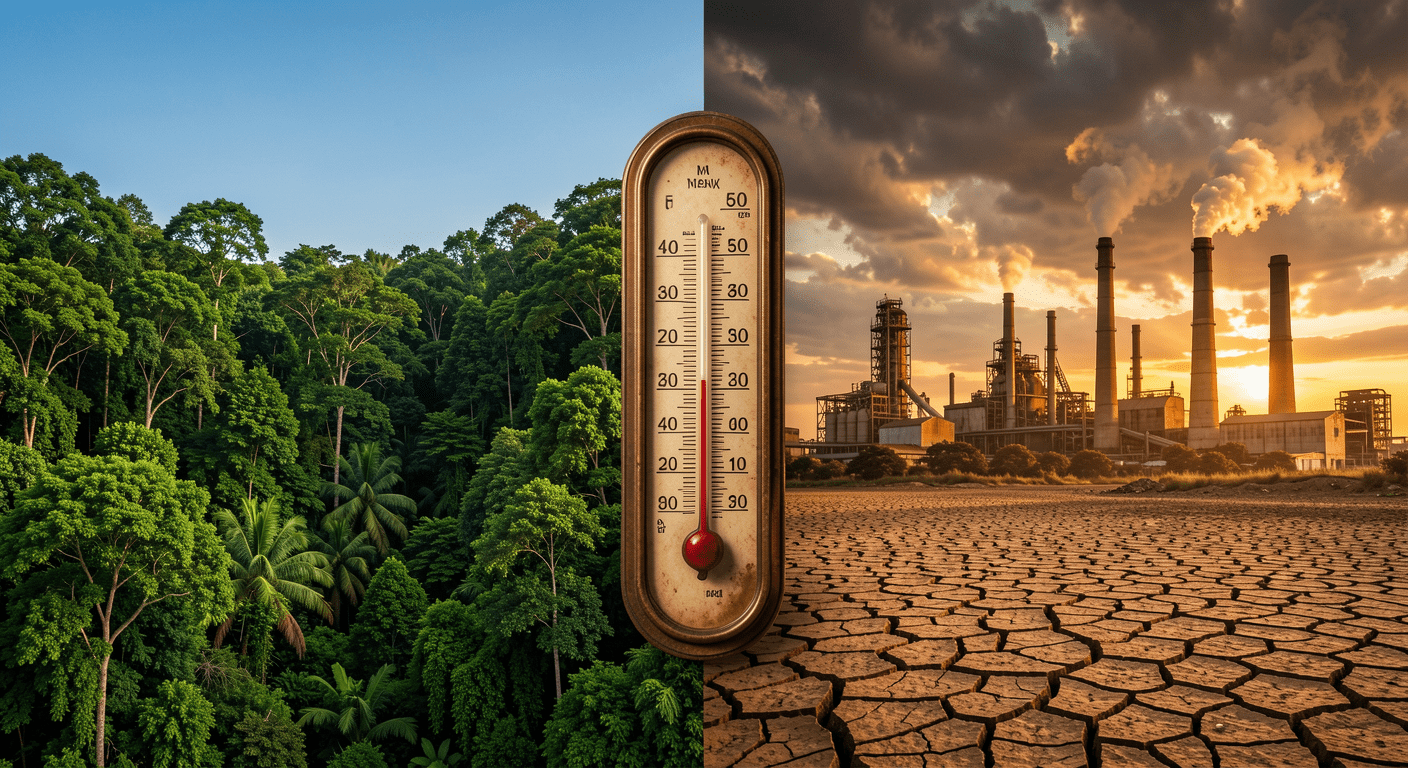
Understand climate change with the latest 2026 data. We explain the greenhouse effect, rising CO2 levels, record temperatures, and how warming affects your health, food, and home right now.
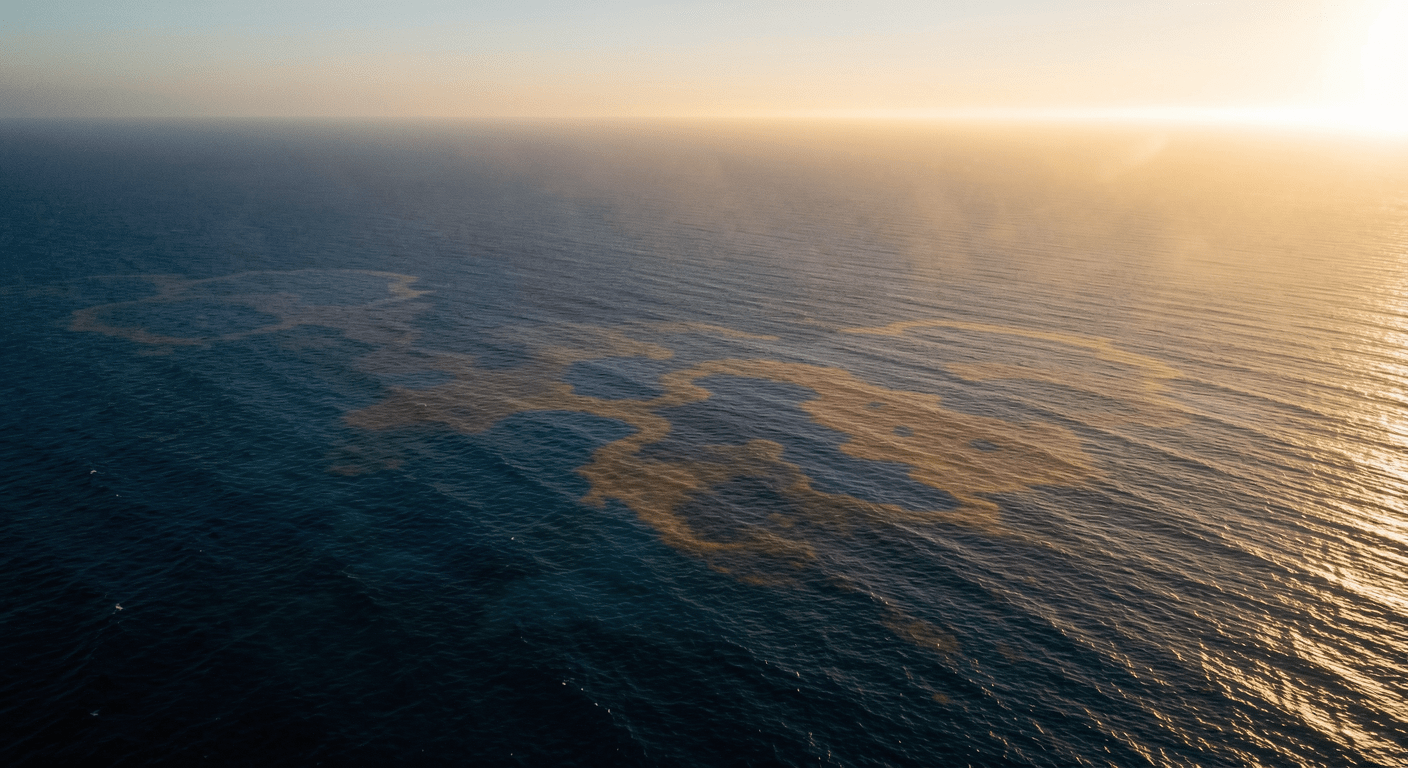

A vast marine heatwave off the US West Coast is strengthening instead of fading. Here is what it means for fisheries, wildfires, and the developing El Niño.
Discover what causes heat waves, how heat domes form, and why climate change is making extreme heat more frequent and deadly. A clear science explainer from NatureWeatherHub.
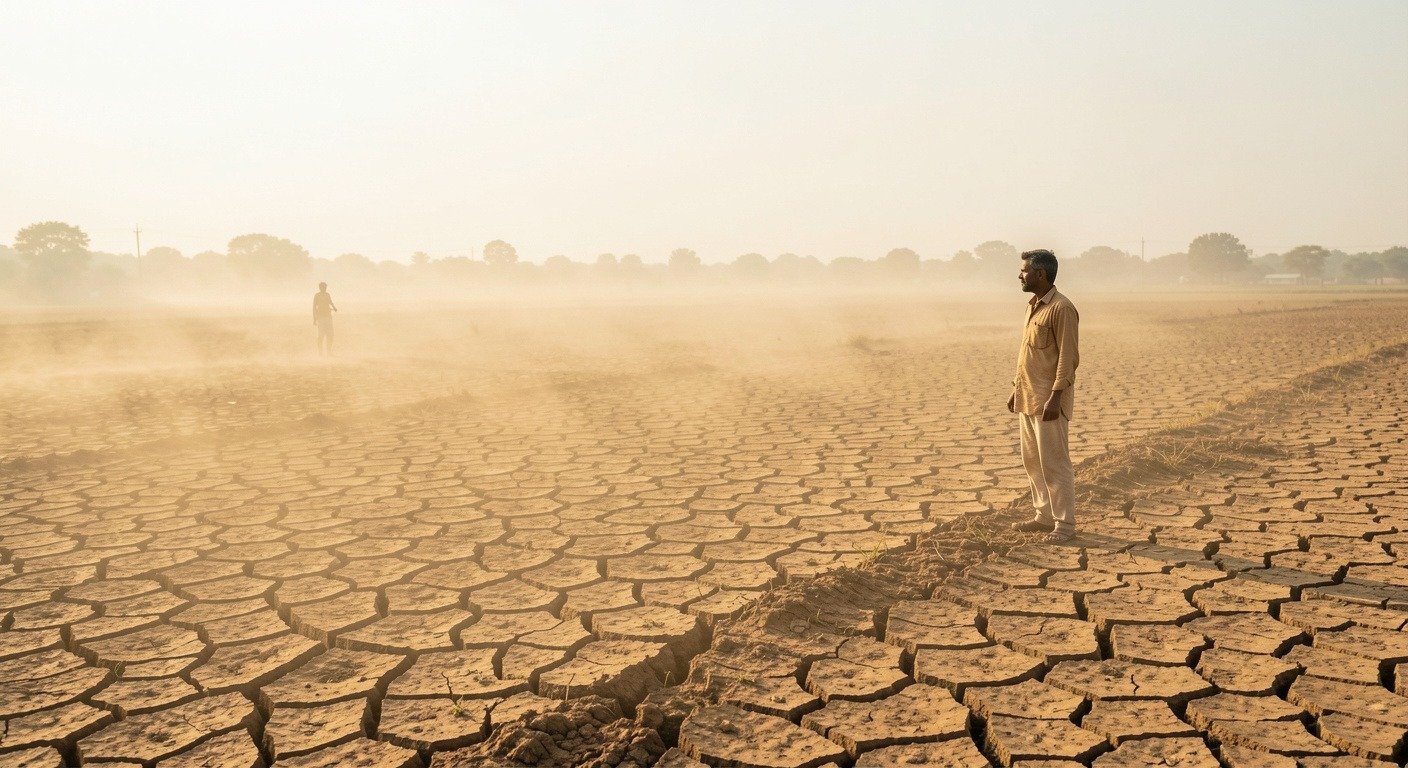
India’s monsoon rains are 43 percent below average, threatening food security for over 600 million people. Here is the science behind the weak 2026 season and the El Nino connection.
Record-breaking temperatures sweep Western Europe, triggering extreme heat warnings across Britain, France, Spain, and Germany as a heat dome intensifies.
A heat dome has brought record temperatures to Britain, Spain, and France. Here is the science behind these extreme weather events and why they are intensifying
A landmark study from Scotland’s Northwoods Rewilding Network found bird species jumped 261% and pollinator abundance increased tenfold on rewilded land compared to traditionally managed sites nearby.
A record-breaking June heat wave swept across Southern Europe with devastating consequences: shattered temperature records, strained power grids, and more than 2,300 excess deaths in just ten days. From Portugal’s 46.6°C to Italy’s 21 cities under red alert, communities faced conditions that climate scientists say were made significantly worse by human-caused warming. In simple terms: … Read more
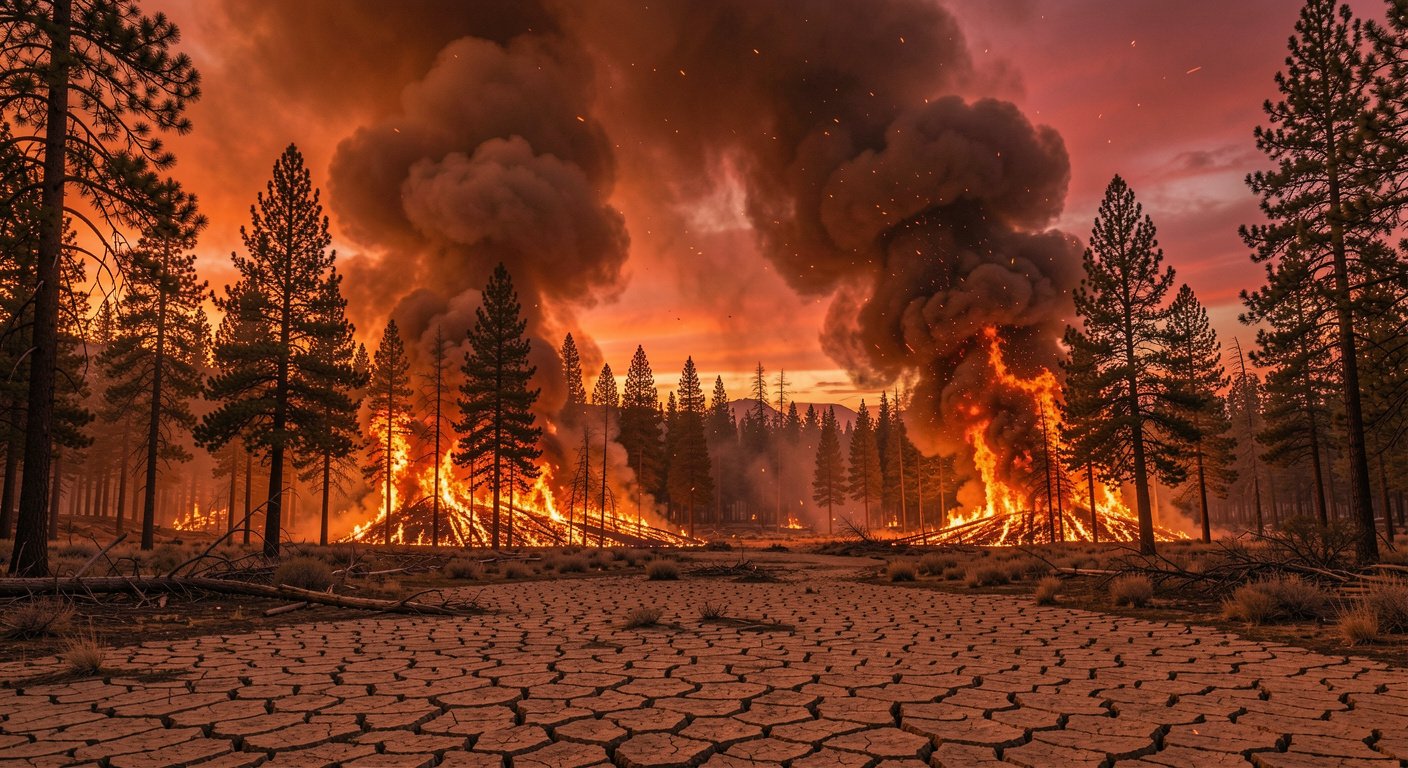
The old “fire season” is dead. In 2026, wildfire has become a year-round threat across the American West, with 30,000 fires burning 2.4 million acres before summer even started. The National Interagency Fire Center reports fire counts running 140% above the 10-year average, and agencies no longer use the phrase “fire season” they publish monthly … Read more