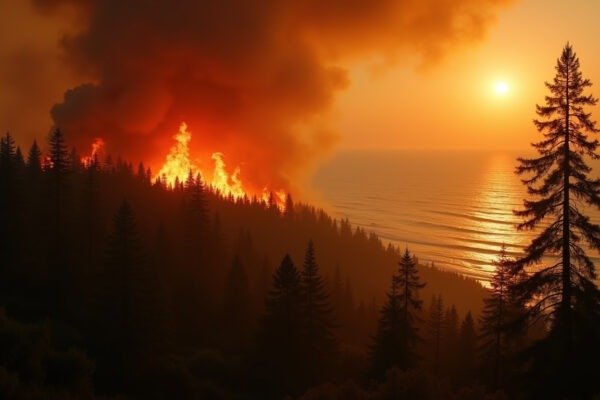
On Tuesday, July 21, 2026, the waters of Lake Taal rose without wind. The Taal Volcano eruption 2026 had just sent a violent phreatomagmatic blast through Batangas, Philippines, raising a 2,000-foot column of ash and steam. Then came something rarer: the blast pushed a wave across the crater lake, a freshwater tsunami born inside the mouth of a volcano.
For the 25 million people who live within 100 kilometers of Taal, it was another reminder that this volcano, one of the most active on Earth, does not give long warnings. The Philippine Institute of Volcanology and Seismology (PHIVOLCS) confirmed two separate phreatomagmatic eruptions that Tuesday, the second sending ash and plumes 2,800 meters high. Alert Level 1 remains in effect, which sounds low but carries a sobering subtext: steam-driven explosions, toxic gas releases, and ashfall can happen at any moment, without escalation.
What Happened at Taal Volcano on July 21
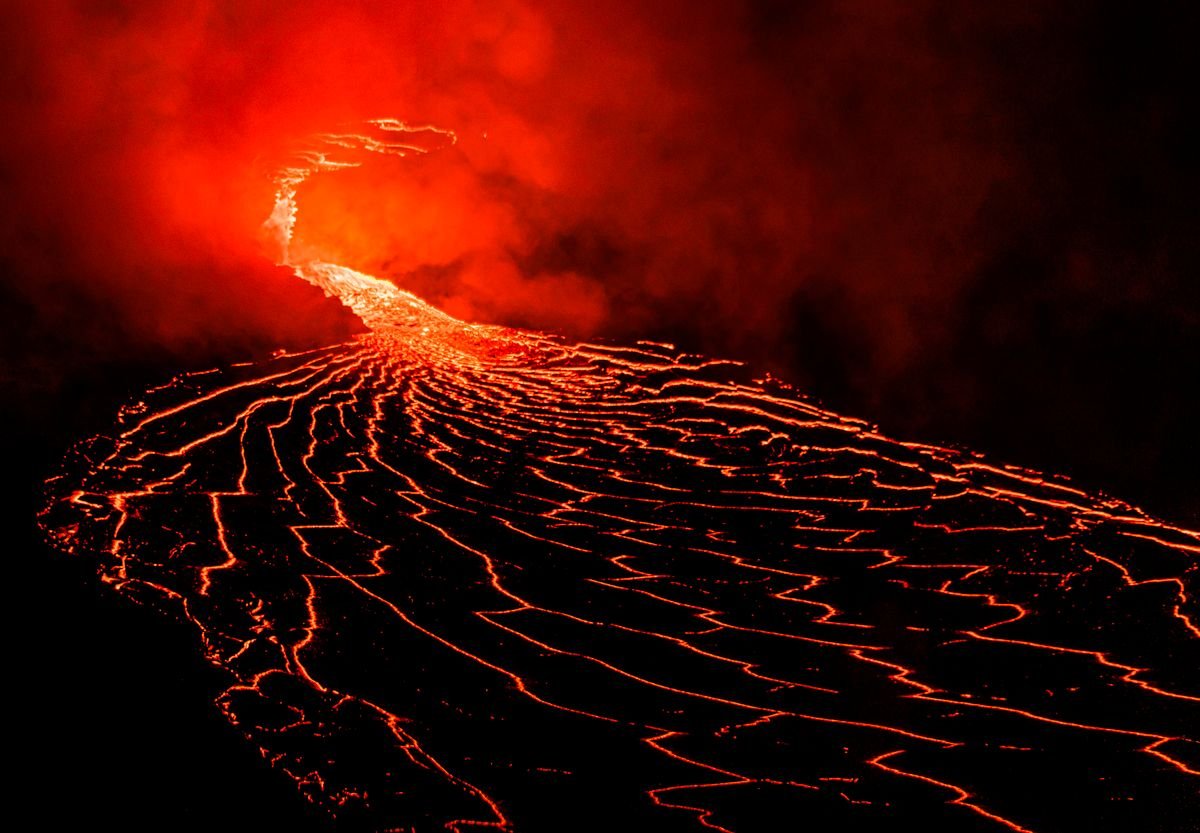
The first eruption struck in the afternoon. Within seconds, magma met the waters of Taal’s crater lake and the result was explosive. Superheated rock shattered into ash as steam expanded violently. According to Yahoo News, the blast generated sizable tsunami waves that careened across the lake, a rare phenomenon even for active volcanoes. These were not ocean-crossing tsunamis. They were contained within the crater, but they demonstrated the raw energy released when magma and water collide at high temperature. For the broader mechanics of tsunami formation, see how tsunamis form.
Later that evening, a second minor phreatomagmatic eruption followed. PHIVOLCS, in a PHIVOLCS Taal bulletin, recorded that ash and steam rose 2,800 meters. By the next morning, the volcano had settled, but the seismic network continued to register volcanic earthquakes, a sign that pressure beneath the island had not fully dissipated.
Why This Taal Volcano Eruption 2026 Event Matters
What makes this Taal Volcano eruption 2026 significant is not its size. It was small by Taal’s standards. The 2020 eruption reached Alert Level 4, with a Plinian column that blanketed Metro Manila in ash and forced 300,000 people to evacuate. The 1911 eruption killed 1,335 people. This July 21 event was different because of its character: a phreatomagmatic burst, the most unpredictable kind of volcanic explosion. For regional context, Indonesia’s 2026 volcanic activity shows how closely Pacific communities monitor unrest.
Phreatomagmatic eruptions happen when magma encounters water, either from a crater lake, groundwater, or wet sediment. The water flashes to steam instantly, expanding to 1,700 times its original volume. The rock around it shatters. This is why phreatomagmatic events are more violent than purely magmatic ones, and why they can happen with little to no warning. At Taal, the entire volcano sits inside Lake Taal, and the crater itself holds a lake. Water is everywhere. So is the risk.
Since January 2026, PHIVOLCS has recorded 18 isolated eruptive events at Taal. The volcano is, in the words of volcanologists, simmering. According to the PHIVOLCS eruption history, scientists are watching it closely because the pattern of small, repeated phreatomagmatic bursts can either remain contained or evolve into something larger. There is no way to know which path the volcano will take.
How This Affects People
You might think a volcano erupting inside a lake, with its wave contained by crater walls, affects nobody. You would be wrong. Ashfall from even minor eruptions damages crops, contaminates water supplies, and triggers respiratory emergencies. The communities around Lake Taal, especially in the towns of Talisay, Laurel, and Agoncillo, live with the volcano’s moods. Fishermen on the lake know that when the water turns acidic, the fish die. Farmers on the slopes know that ash on banana leaves means a season lost.
The health risk is immediate and measured. Volcanic ash is not soft like fireplace ash. It is pulverized rock and glass, sharp-edged particles that lodge in lungs. During the 2020 eruption, hospitals around Batangas reported a surge in asthma, bronchitis, and eye injuries. Every new eruption, even a small one, resets that danger. The Department of Health advises wearing N95 masks within the ashfall zone and staying indoors with windows sealed.
There is also the economic weight. The Calabarzon region, where Taal sits, is one of the Philippines’ most economically vital areas. Agriculture, tourism, and manufacturing all depend on predictable ground. A single eruption disrupts all three. The 2020 event caused an estimated $70 million in agricultural damage alone. Each time the volcano stirs, farmers, resort owners, and factory managers perform the same calculation: stay or go, protect or rebuild.
The Volcano Inside a Volcano
Taal is unlike almost any other volcano on Earth. It is an island in a lake, and on that island is a crater that holds its own lake, and inside that lake is a tiny island called Vulcan Point. Geologists describe it as a volcano inside a volcano, inside a volcano. This nested structure is beautiful. It is also lethal.
When magma rises through the rock beneath Taal, it encounters water at every level. The lake outside the island. The crater lake inside it. Groundwater saturated in the volcanic edifice itself. Each of these is a potential trigger for a phreatomagmatic explosion. This is why Taal has killed more people than any other Philippine volcano except Mayon. Its 1911 eruption sent a pyroclastic surge across the entire surface of Volcano Island, over the lake, and onto the mainland. Every person on the island died. So did many along the shores.
Today, Alert Level 1 means the volcano is restless but not imminently dangerous. The PHIVOLCS prohibition zone extends 1 kilometer from the crater. But as the July 21 tsunami demonstrated, the energy of even a moderate burst can ripple outward. The agency’s standing advice is unambiguous: no one should enter the permanent danger zone, and communities around the lake should remain prepared for rapid evacuation.
What We Can Learn From Taal
The Taal Volcano eruption 2026 teaches the same lesson that every active volcano teaches: preparedness is not a one-time drill. You cannot live beside a restless mountain and treat each quiet week as permanent. The 18 events this year are not a crisis. They are a message. The volcano is active. It will erupt again. The question is when and how big.
For the Philippines, which sits on the Pacific Ring of Fire alongside Indonesia, Japan, and the west coasts of the Americas, volcanic risk is a fact of geography. The country has 24 active volcanoes, including Mayon, which erupted earlier in 2026, and Pinatubo, whose 1991 blast was the second-largest of the 20th century. Investing in monitoring, early warning systems, and community evacuation plans is not optional. It is the cost of living on these islands.
For the rest of us, Taal is a window into the forces that shaped the planet. Few places on Earth let you watch magma, water, and rock collide in real time. The steam plume, the crater tsunami, the seismic rumble beneath the lake, all of it is the planet breathing. Respect the breath.
Key Facts: Taal Volcano Eruption, July 21, 2026
- Date: Tuesday, July 21, 2026
- Location: Taal Volcano, Batangas, Philippines (about 50 km south of Manila)
- Type: Phreatomagmatic eruption (magma-water interaction)
- First eruption: 2,000-foot ash column, generated tsunami waves across Lake Taal
- Second eruption: 2,800-meter ash and steam plume (evening)
- Alert Level: 1 (low-level unrest, with warning that sudden eruptions can occur)
- 2026 activity: 18 isolated eruptive events since January
- Evacuations: None ordered; 1-km exclusion zone remains in effect
- Casualties: None reported from the July 21 eruptions
- Historical context: 2020 major eruption (Alert Level 4, 300,000 evacuated), 1911 deadliest eruption (1,335 killed)
Sources: Yahoo News, Philippine Daily Inquirer / PHIVOLCS, University of Queensland, Smithsonian Global Volcanism Program
Related: Mayon Volcano’s Deadly Awakening | How Do Tsunamis Form? | Indonesia Volcanic Eruption 2026