What Happened: Torrential Rains Trigger Flooding Across Three Countries
The asia monsoon floods July 2026 struck without warning across East and Southeast Asia. On the morning of July 19, residents of Gapyeong, a resort town 60 kilometers northeast of Seoul, woke to the roar of a landslide. Heavy monsoon rains that began before dawn triggered a cascade of mud and debris that engulfed properties, cut power to thousands, and sent rescue teams scrambling through flooded streets. The same monsoon system had already claimed lives in Vietnam, forced evacuations across southern China, and would go on to batter the Korean Peninsula through the weekend.
The Asia monsoon floods July 2026 represent the latest chapter in a summer of extreme rainfall across East and Southeast Asia. From the mountains of northern Vietnam to the urban sprawl of Greater Seoul, torrential rains overwhelmed drainage systems, triggered landslides, and disrupted life for millions. The Guardian’s weather tracker described it as “devastating flooding and landslides” across large parts of Asia, with multiple deaths confirmed across three countries.
Why the Asia Monsoon Floods July 2026 Hit So Hard
The East Asian monsoon is not a single storm. It is a seasonal reversal of wind patterns that draws moisture from warm tropical oceans and dumps it over land. Every summer, this system delivers the water that fills rice paddies and reservoirs across Asia. But when the monsoon stalls or intensifies, the same rains become destructive.
In simple terms, the summer sun heats the Asian landmass faster than the surrounding ocean. Warm air rises over the continent, pulling in moisture-laden air from the South China Sea, the Bay of Bengal, and the Western Pacific. Meteorologists call this the Asian monsoon trough, and its position determines who gets rain and who gets disaster. In July 2026, the trough parked itself over the Korean Peninsula and northern Vietnam, feeding continuous bands of thunderstorms for days.
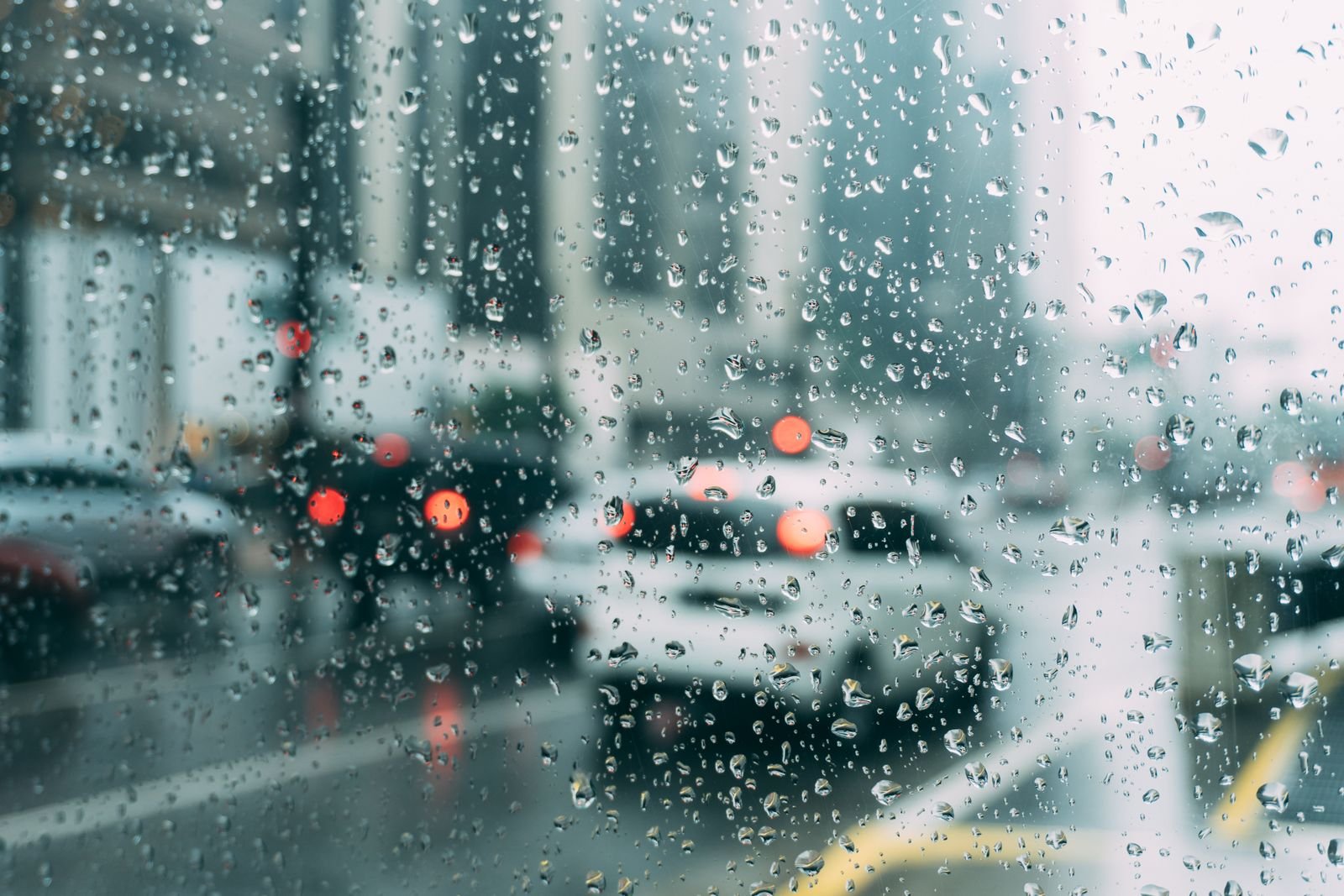
For a concrete example: the Korea Meteorological Administration reported that parts of Gyeonggi Province received over 300 millimeters of rain in 48 hours, roughly one-third of Seoul’s average annual precipitation. Rivers that normally flow at ankle depth rose by 4 meters overnight. The Seoul Economic Daily confirmed that authorities issued heavy rain plus flood and landslide alerts across the country, with rainfall rates reaching 50 millimeters per hour.
How the Floods Affected People in South Korea and Vietnam
The human cost of the South Korea flooding July 2026 spans multiple dimensions of daily life. In Gapyeong, a landslide buried homes and forced 285 residents to evacuate, according to the Gyeonggi Province Fire Department. The Korea Herald reported that heavy monsoon rains over the weekend caused flooding, landslides, power outages, and widespread evacuations across central and northern regions before the system gave way to scorching heat on Sunday.
Homes and infrastructure took the first hit. The Korea Forest Service issued landslide warnings for the entire Greater Seoul metropolitan area, a region home to 26 million people. Roads buckled. Train services on multiple lines were suspended. In Seoul’s Gangnam district, familiar images of submerged vehicles and waist-deep water in underground parking garages returned. More than 600 buildings sustained damage.
In Vietnam, the danger moved faster. The Vietnam flash floods that struck Lai Chau province, a mountainous region near the Chinese border, swept through Muong Than Commune on July 15. Four people died and four remained missing as of July 19, according to Channel News Asia. Hundreds of homes were damaged or destroyed. Highways collapsed. The ReliefWeb situation report documented severe infrastructure damage across Lai Chau, Dien Bien, Son La, and Lao Cai provinces, all hit by the same pulse of monsoon moisture.
Travel and daily life ground to a halt. Travel + Leisure Asia reported that Vietnam’s National Centre for Hydro-Meteorological Forecasting issued a travel advisory for continuous rain and thundershowers through July 20. Transport disruptions rippled across the north. In South Korea, flights were delayed and roads closed as the downpour intensified.
Why It Matters Now: A Pattern Across the Continent
These floods did not happen in isolation. They are part of a pattern that has defined the 2026 monsoon season. One week earlier, monsoon floods and landslides killed at least 25 people across northern India. Before that, Tropical Storm Maysak dumped record rainfall on southern China, killing 39 people in the city of Nanning. From the Himalayas to the Korean Peninsula, the same atmospheric engine is delivering rain faster than infrastructure can handle.
The monsoon season Asia experiences every summer is becoming more volatile. Research published by the IPCC confirms that a warmer atmosphere holds approximately 7 percent more moisture for every degree Celsius of warming. This means the heaviest rainfall events are getting heavier. The monsoon is not producing more rainy days. It is producing more extreme ones, and the infrastructure designed for the climate of 50 years ago is buckling under the load.
South Korea’s National Institute of Meteorological Sciences has documented a 12 percent increase in hourly rainfall intensity during the Changma (monsoon) season over the past three decades. What was once a 100-year flood event is now arriving every 30 to 40 years in many parts of the country.
What We Can Learn: Early Warnings and Community Preparedness
The gap between a dangerous storm and a deadly disaster is often measured in minutes of warning. South Korea’s landslide alert system, operated by the Korea Forest Service, issued warnings for Greater Seoul at 6 a.m. on July 19. That early notice gave emergency responders time to evacuate vulnerable neighborhoods. In Vietnam, where flash floods strike remote mountain communities with less warning infrastructure, the same storm system proved deadlier.
The practical lesson is clear: investment in early warning systems saves lives. The UN’s Early Warnings for All initiative aims to protect every person on Earth with an early warning system by 2027. The monsoon floods of July 2026 show why that goal matters. The rain will keep coming. Whether it kills depends on whether people know it is coming in time.
For residents of monsoon-affected regions, three steps make a difference: know your evacuation route before the rains start, keep emergency supplies in a waterproof container, and sign up for government emergency alerts on your phone. The difference between inconvenience and catastrophe often comes down to these preparations.
Continue Reading
- How Monsoons Work: The Seasonal Wind Shift That Shapes Life for Billions
- India Monsoon Floods 2026: Landslides and Flash Floods Kill 25 Across Northern States
- Pakistan Monsoon 2026: 86 Dead as Floods Devastate Communities
- Climate Change 101: What the Science Shows in 2026
- China Landslide Buries Homes in Chongqing: 8 Dead, 34 Missing