NOAA Just Confirmed El Niño 2026 Has Arrived — Here’s What to Expect
It’s Official — El Niño Is Here
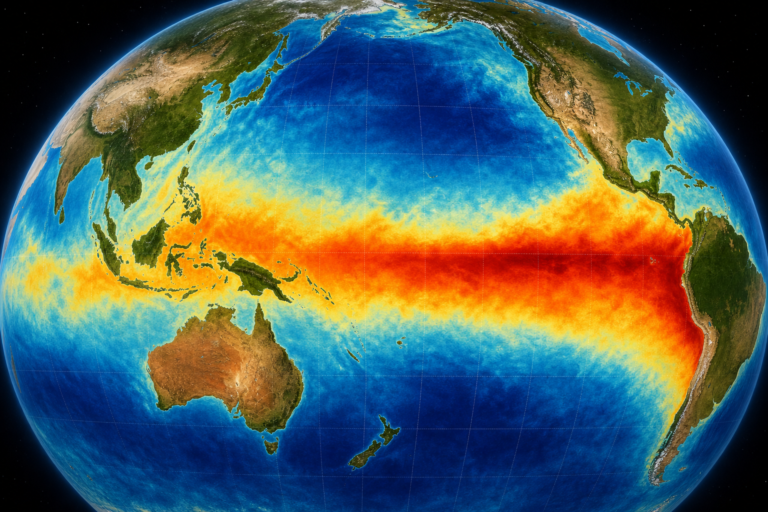
On June 11, 2026, NOAA made it official: El Niño conditions have arrived in the tropical Pacific. This isn’t a drill. Federal forecasters confirmed what climate scientists have been watching for months — ocean temperatures in the central and eastern equatorial Pacific have crossed the El Niño threshold and are expected to keep rising.
The World Meteorological Organization (WMO) backed this up in early June, warning countries to prepare for a cascade of extreme weather in the months ahead. El Niño probability from June through at least November sits above 90%. That means we’re locked in for the long haul.
For most people, “El Niño” sounds like distant climate jargon. But this time, it matters more than usual. Here’s why — and what it means for storms, heatwaves, and your summer.
What Exactly Is El Niño?
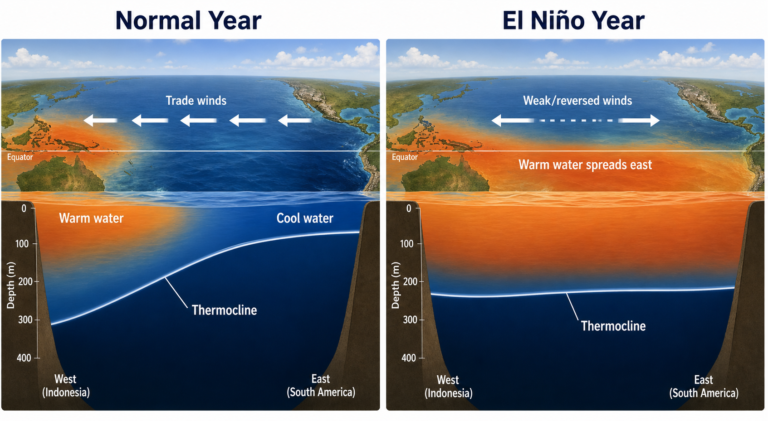
El Niño is a natural climate pattern. It starts when trade winds in the tropical Pacific weaken, letting warm water that’s been piling up near Indonesia slide east toward South America.
This warm pool of water heats the atmosphere above it, shifting jet streams, storm tracks, and rainfall patterns across the entire planet. The last strong El Niño was in 2015-2016, and that year went on to become one of the hottest ever recorded.
The Pacific Ocean right now is showing sea surface temperatures running well above average in the key monitoring region. And NOAA’s models suggest this El Niño could strengthen into a rare “super El Niño” — the kind that rewrites weather history books.
A Summer Already Breaking Records
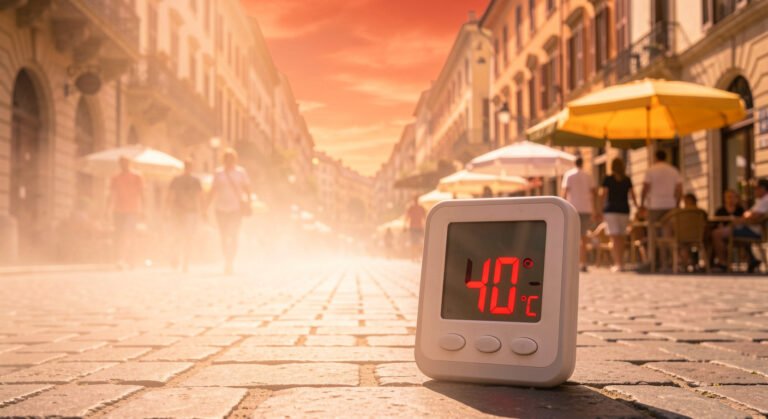
You don’t need NOAA’s announcement to know something is off with the weather. Europe kicked off summer 2026 with brutal heatwaves — temperatures crossed 30°C (86°F) for the first time this year on May 23, and they haven’t let up. The UK’s Met Office now says 2026 is almost certain to land among the four warmest years ever measured.
France, Spain, and Germany have all seen early-season heat that shattered records. In Paris, people sought relief along the Seine as temperatures pushed into the high 30s Celsius — in May. Power prices across Europe jumped 29% in late May as air conditioning demand spiked at the same time wind power generation dropped.
The UN’s climate chief, Simon Stiell, didn’t mince words: “The latest heatwave in Europe is a brutal reminder.” He pointed to a 75% chance that the five-year period from 2026 to 2030 will average more than 1.5°C above pre-industrial temperatures. That’s the line world leaders promised not to cross.
Storms, Floods, and Drought: The Full Picture
El Niño doesn’t just mean it gets hot. It reshuffles the deck globally.
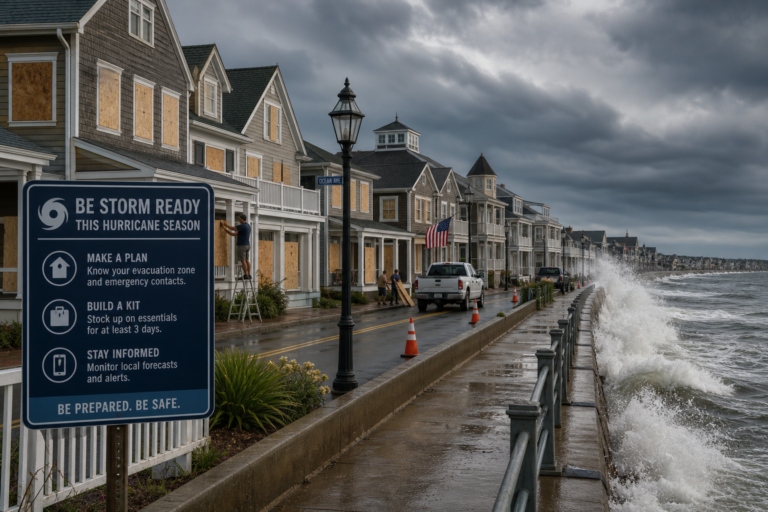
More active storm seasons: Warmer Pacific waters can fuel more super typhoons in the Pacific basin, while the Atlantic pattern depends on other factors like African dust and wind shear. But the overall storm energy across the planet tends to increase.
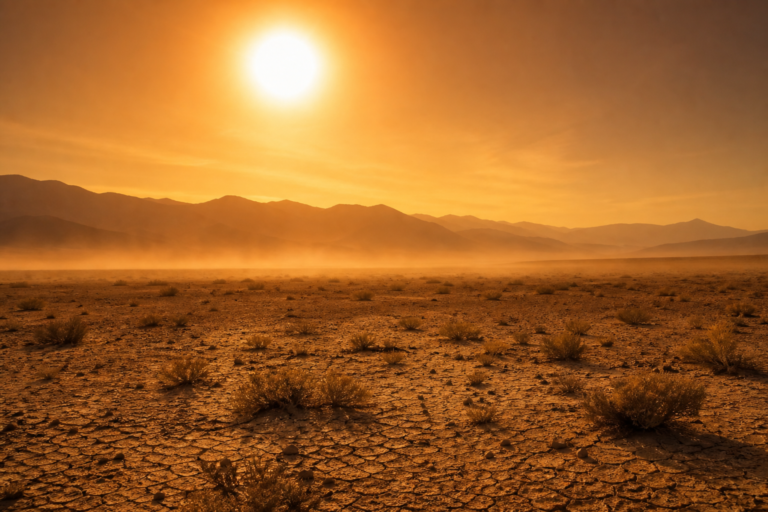
Drought in some places, floods in others: Australia and Indonesia typically face drier conditions during El Niño, raising wildfire risk. Meanwhile, the southern United States often gets wetter winters, and parts of East Africa can see flooding rain.
We’ve already seen extreme rainfall events this year. In early May, a stalled low-pressure system over South Africa dumped 301.2 mm (nearly 12 inches) of rain on Joubertina in just three days. The Kouga Dam went from 32% capacity to overflowing — 113% — in a single 24-hour period. That’s the kind of intensity climate scientists have been warning about.
What the Experts Say to Expect
AccuWeather’s long-range forecast team, led by Paul Pastelok, is projecting a hotter-than-average summer for much of the Northern Hemisphere. Their outlook warns of severe weather ramping up through June and July, with near-to-above-average tornado activity from the Plains to the East Coast.
The Climate Impact Company’s updated summer outlook paints a similar picture: anomalous heat in the U.S. Northwest and Gulf states, with dry conditions expanding through the Great Plains. Marine heatwaves in the North Atlantic are adding another layer of uncertainty to the forecast.
El Niño years are also expensive. The World Economic Forum’s Global Risks Report 2026 ranked extreme weather as the top long-term threat for the third consecutive year, with annual economic losses topping $300 billion globally.
Practical Takeaways: What You Can Actually Do
You can’t control El Niño. But you can be ready for what it brings.
1. Prepare for heatwaves early. If you live in an area that typically gets hot during El Niño summers (much of North America, Europe, and Asia), check your cooling setup now. Clean AC filters, stock up on water, and know where your nearest cooling center is. Heat kills more people annually than any other weather hazard.
2. Pay attention to local storm forecasts. El Niño can produce stronger single storm events even if overall storm counts shift. Don’t let a “below-average hurricane season” headline make you complacent — it only takes one storm hitting your town to make it a bad year.
3. Watch water. If you’re in a drought-prone region (Australia, Indonesia, parts of South America), start conserving water now. If you’re in a flood-prone zone (southern U.S., East Africa), check your insurance and know your evacuation routes.
4. Stay informed. Bookmark your national weather service. Follow updates from NOAA, the WMO, and your local meteorological office. El Niño forecasts improve every month — what looks likely in June may shift by August.
The Bottom Line
El Niño 2026 is here, and all signs point to it being a significant one. The ocean is warm, the atmosphere is responding, and the forecast models are unusually confident. Whether it becomes a “super El Niño” or just a strong one, the next 12 to 18 months will probably be warmer, stormier, and more erratic than what we’ve gotten used to.
That doesn’t mean panic. It means pay attention. The same climate patterns that make weather dangerous also make it predictable — and that predictability is your advantage. Use it.
Written by NatureWeatherHub — your simple guide to weather, nature, and the planet.