Some of the most dangerous things you believe about weather were taught to you by people who meant well. Your grandmother told you lightning never strikes the same place twice. Your uncle swore by opening windows during a tornado. These weather myths debunked by modern science persist because they contain just enough physics to feel true. The gap between weather facts vs myths is measured in lives.
The National Weather Service maintains an entire page dedicated to lightning myths debunked because people keep dying from bad information. These common weather misconceptions share a dangerous quality: they contain just enough physics to feel true while being completely wrong.
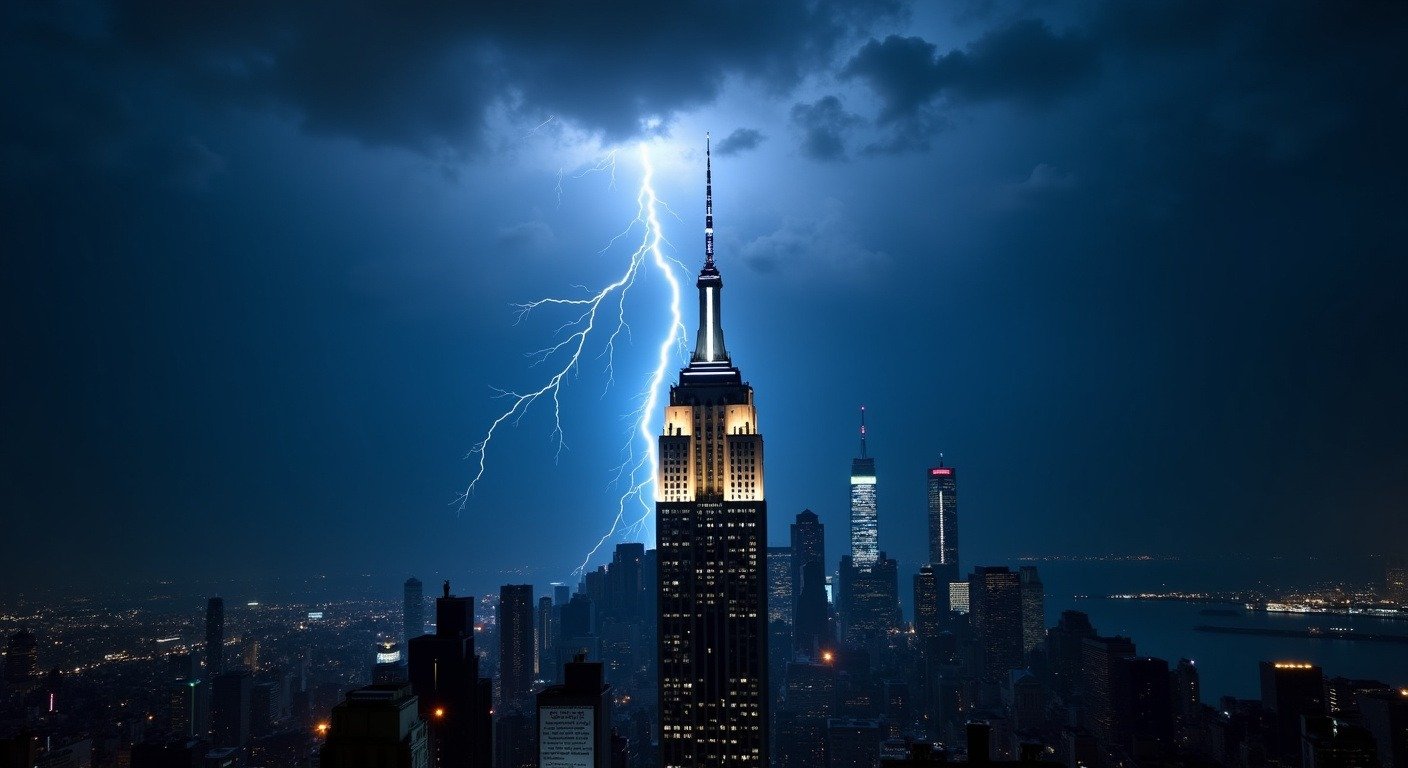
The National Oceanic and Atmospheric Administration reports that the Empire State Building alone averages about 25 lightning strikes per year. The same lightning channel connects to the same tall structure repeatedly during a single storm. Your home is not protected by a neighbor’s recent strike.
The Physics Behind Lightning Myths Debunked
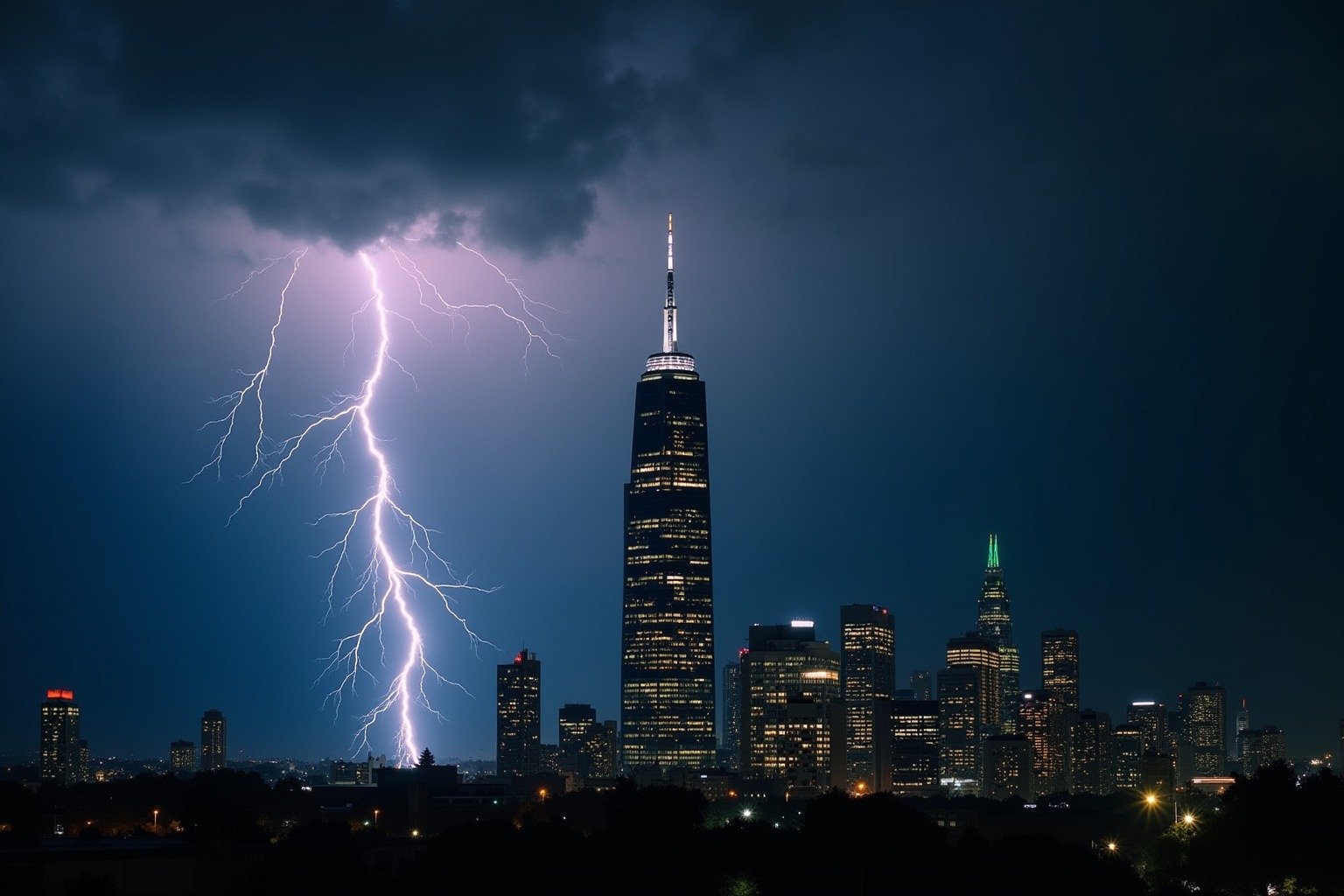
A lightning strike begins when a stepped leader of negatively charged air descends from a cloud searching for the path of least electrical resistance to the ground, and tall pointed structures like the Empire State Building and the Willis Tower provide exactly that route. The National Severe Storms Laboratory has documented single storms producing dozens of strikes to the same ridgeline within minutes. Lightning rods on your house work the same way. They do not repel lightning. They invite it and channel it safely to ground.
The Open Window Myth That Wastes Precious Seconds
The tornado advice about opening windows comes from a debunked pressure differential theory. The Storm Prediction Center states plainly that opening windows during a tornado warning is absolutely useless and can be very dangerous. The real threat is flying debris traveling at 200 miles per hour. You should be in a basement or interior room, not standing in front of glass. Every second spent opening windows is a second not spent getting your family to shelter. The National Weather Service emphasizes that there is no safe opening procedure during a tornado warning. Take cover immediately.
Heat Lightning and the Distance Deception
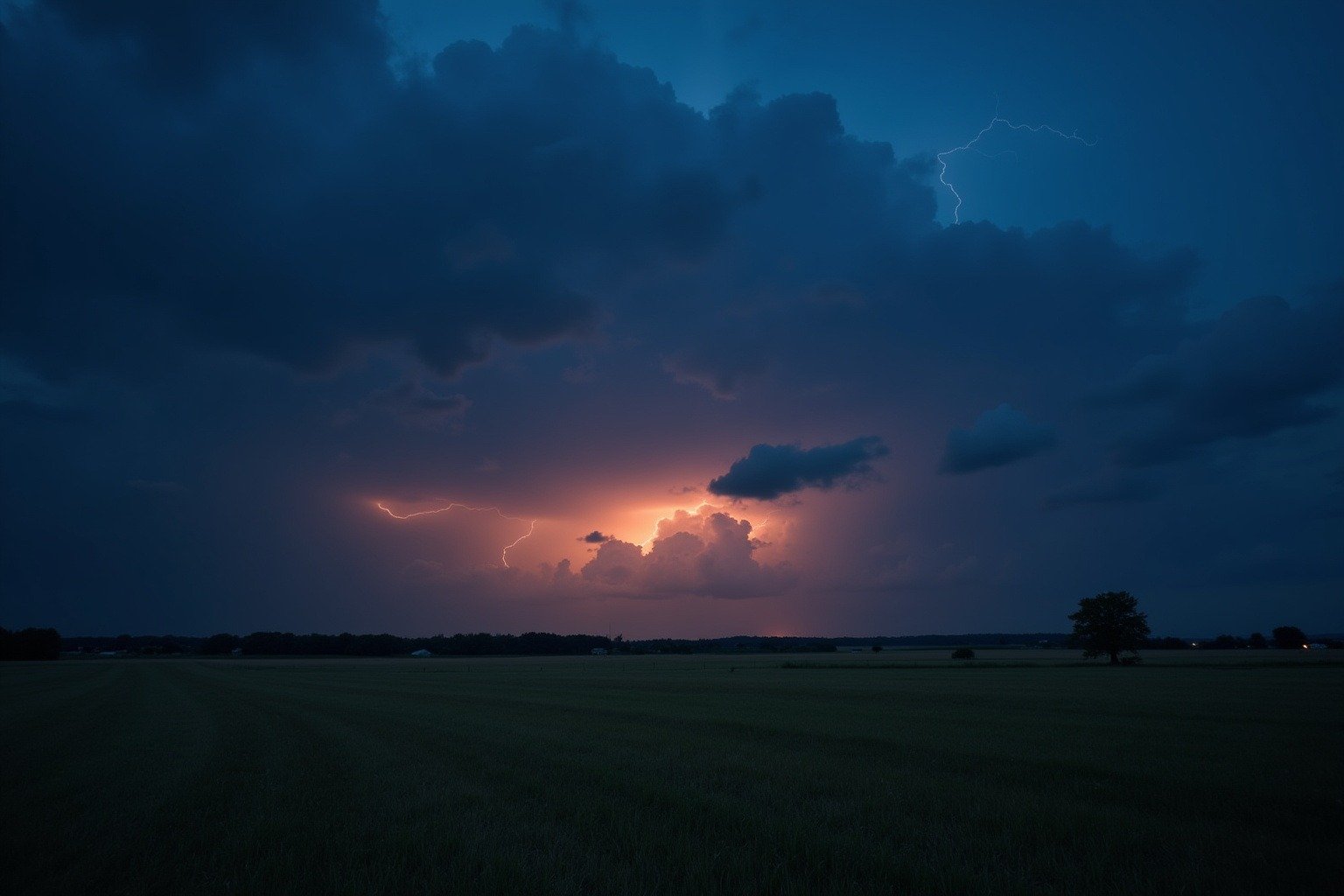
On a humid July evening, you see flashes on the horizon. No thunder follows. Someone on the porch says heat lightning, as if heat itself generated the flash. The National Weather Service clarifies this is regular lightning from a storm too distant for thunder to be heard. Light travels far enough to be visible from over 100 miles. Sound from thunder rarely carries more than 10 to 15 miles. Atmospheric refraction explains why the myth persists: warm air bends light downward, making distant flashes visible below the horizon. You are seeing a storm 50 to 100 miles away. For a complete explanation, see how lightning forms and the science behind every lightning type.
Why Water Does Not Stop Tornadoes
The Great Tri-State Tornado of March 18, 1925 crossed both the Mississippi River and the Wabash River on its 219-mile track through Missouri, Illinois, and Indiana, and it remains the deadliest tornado in American history after killing 695 people. The 2011 Joplin tornado crossed multiple waterways as it carved a mile-wide path through the city. The National Weather Service tornado safety guide is explicit: no place is safe from tornadoes. Tornadogenesis depends on wind shear, instability, and moisture thousands of feet above ground. Surface water has zero effect on a rotating mesocyclone that spans miles vertically. A river a few hundred feet wide is invisible to a storm column reaching 50,000 feet. The myth originates from a reporting gap: fewer people live on water, so fewer tornadoes get documented there. Understanding how thunderstorms form reveals why surface water cannot stop the rotating updraft inside a supercell.

The Lightning Crouch That NOAA Retired
For years, NOAA instructed people caught outside in a thunderstorm to crouch on the balls of their feet. In 2008, NOAA and the National Lightning Safety Council reviewed the data and concluded the crouch offered no meaningful protection. The recommendation was retired. The real danger is ground current. When lightning strikes the earth, the electrical charge radiates outward through the soil. If you are lying flat, that current passes through your heart. Crouching reduces the voltage difference between your feet but does not eliminate the risk. The National Weather Service now states that no outdoor position provides adequate protection from a lightning strike. Get indoors immediately. A hard-topped metal vehicle offers reasonable protection because the metal shell conducts current around you. For the atmospheric conditions behind these storms, read about why heat lightning happens and the storm physics involved.
What You Can Actually Do
The science refutes five generations of weather folklore. Check the radar before heading out when thunderstorms are forecast. Know where the nearest substantial building is if you are hiking or boating. At a sports field, scan for the nearest shelter before the first pitch. During a tornado warning, get to the lowest interior room without windows immediately. During a lightning storm, get inside. Do not lie flat. Do not stand under a tree. The difference between weather myths debunked by science and the beliefs you still hold could determine whether your family stays safe.