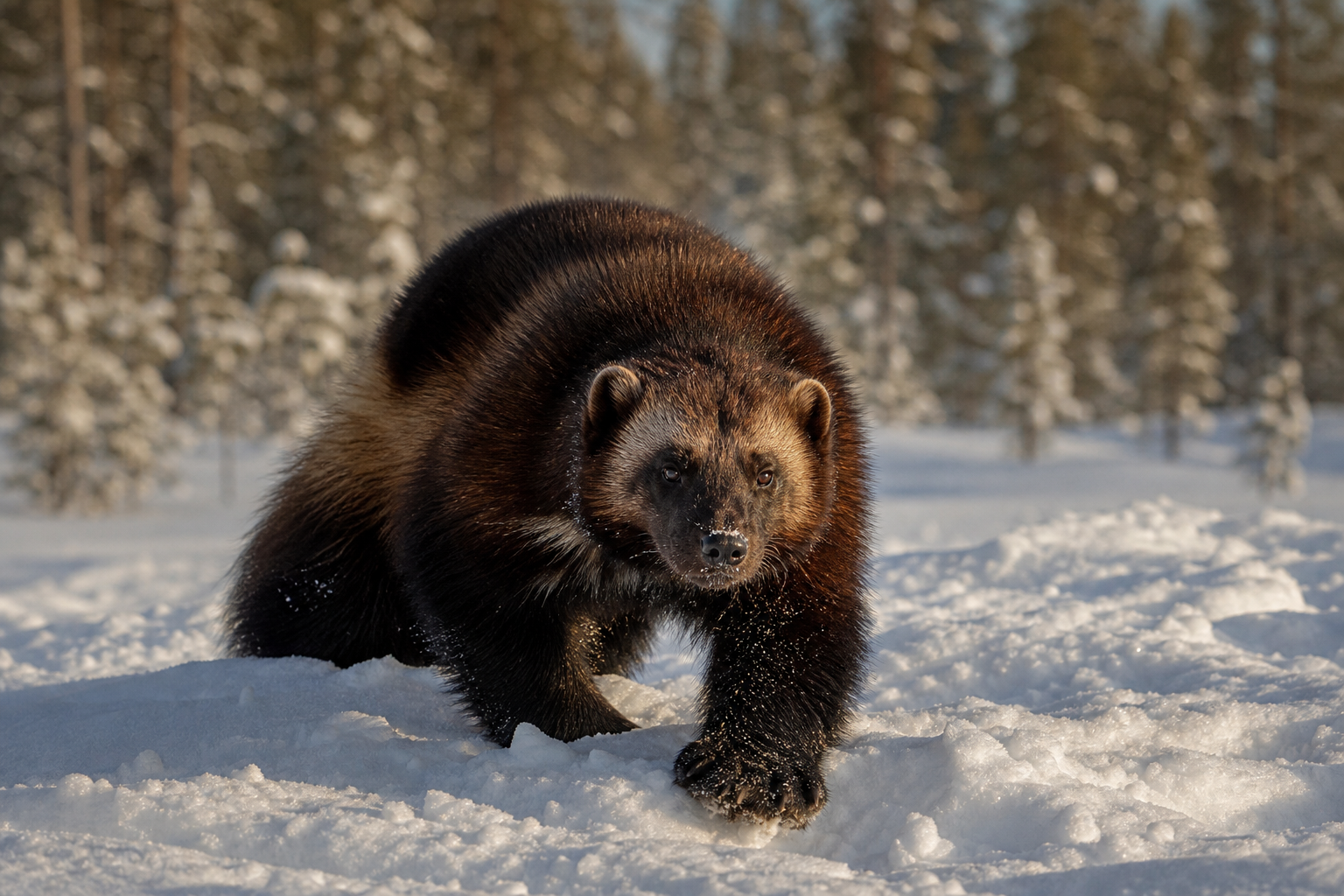
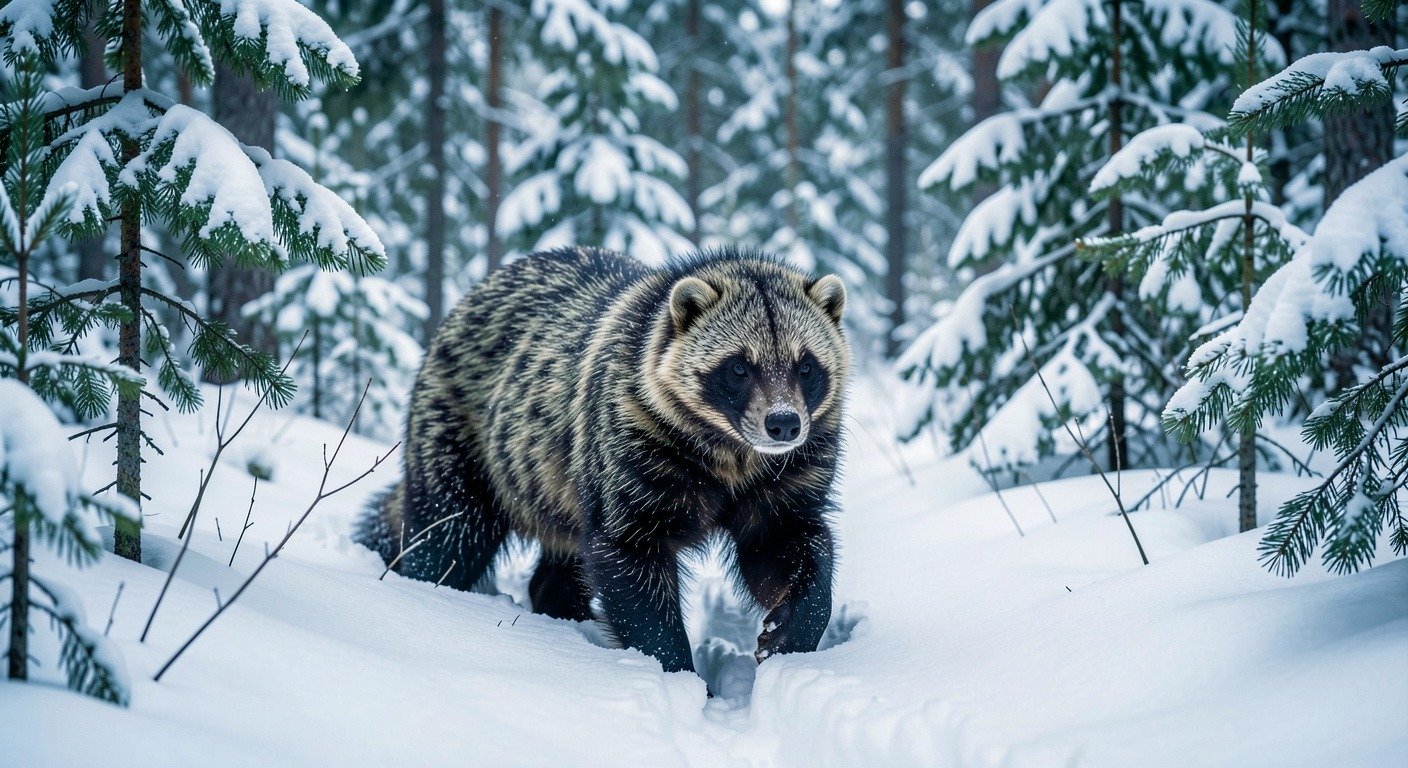
In Norrbotten, a reindeer herder may wake to find an animal missing, while a wolverine has survived another night in the same landscape. That quiet conflict sits at the center of Sweden’s wolverine conservation story, where a recovery once celebrated across Europe is beginning to unravel.
Sweden Wolverine Conservation: The Comeback
Sweden’s wolverine recovery started with strong legal protections. The species was classified as endangered. Hunting was banned. Reindeer herders, whose livestock are the main target of wolverine predation, received compensation for losses through a program that became a model for predator conservation worldwide.
For years, this system worked. The wolverine population grew from perhaps a few dozen individuals to several hundred, according to researchers at the Swedish University of Agricultural Sciences. It was a genuine conservation achievement in a continent where large predators have been systematically eradicated for centuries.
The Problem Now
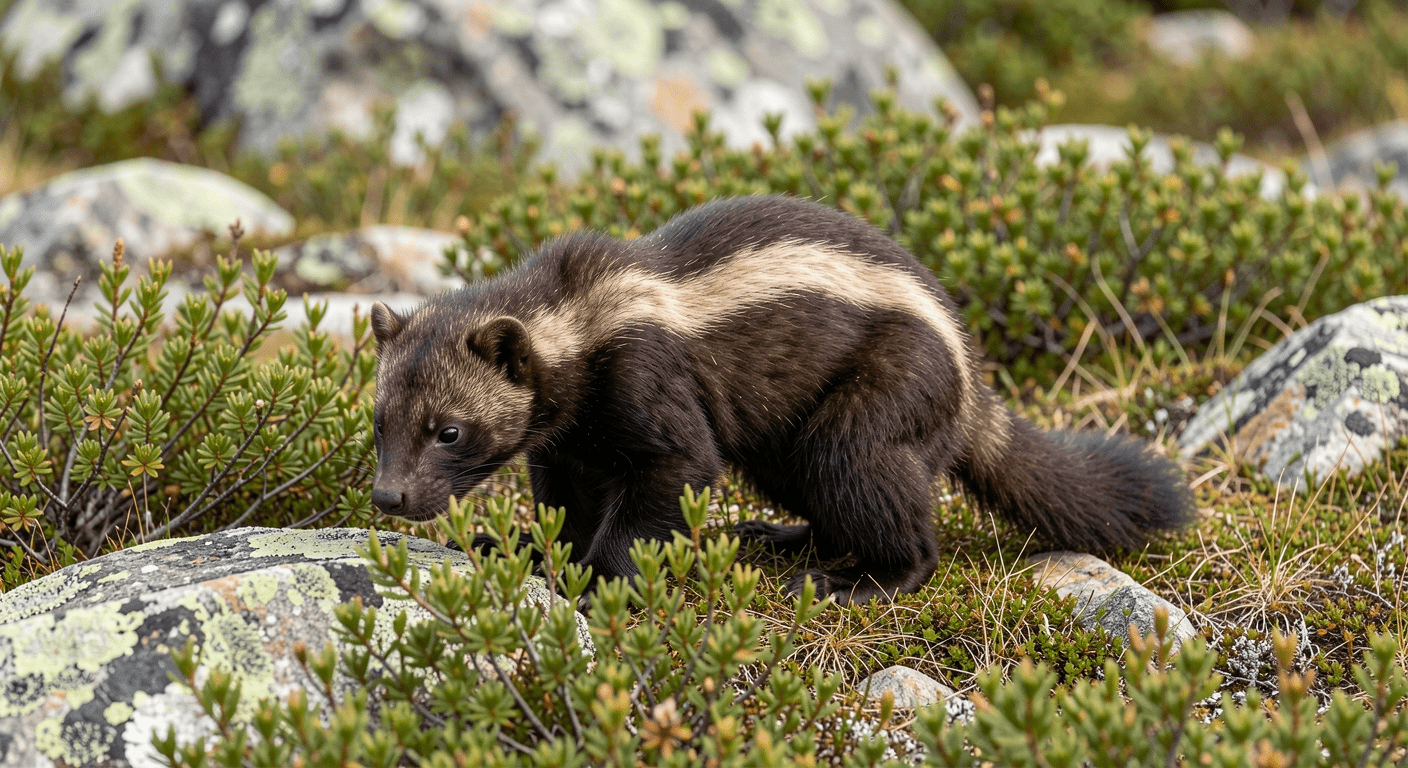
The next morning’s missing animal is where policy becomes personal. A 2026 study from the Swedish University of Agricultural Sciences identifies two threats, and neither of them has claws:
1. Funding has stagnated. The compensation programs that made wolverine recovery politically possible are not keeping up. When herders lose livestock and payment does not arrive, or does not cover the full cost, tolerance for predators drops fast. In Norrbotten, where 63 percent of Sweden’s wolverine reproductions were once documented, that share has fallen to just 29 percent in the past decade.
2. Local trust is eroding. Conservation that works on paper but feels imposed from above rarely lasts. Researchers found that herding communities increasingly see wolverines as a burden, not a success story. Without their cooperation, poaching and illegal killing creep back in.
Sweden Wolverine Conservation: Key Numbers
| Metric | Value |
|---|---|
| Population (1970s) | Few dozen individuals |
| Population (after recovery) | Several hundred |
| Norrbotten reproduction share (2015) | 63% of Sweden’s total |
| Norrbotten reproduction share (2025) | ~29% of Sweden’s total |
| Key solution | Faster compensation, community monitoring |
Why It Matters Beyond Sweden
This is not just a Swedish problem. It is a pattern that conservation biologists have documented worldwide:
- Wolves in the American West were reintroduced, recovered, then faced renewed hunting pressure when protections were removed.
- Lions in East Africa are protected on paper but killed in reality when they threaten livestock and compensation is slow.
- Tigers in India have rebounded in some reserves, but human-wildlife conflict at reserve edges remains the number one threat.
The lesson is the same everywhere: conservation that does not include local people does not last. Scotland’s own rewilding experiment proved that nature can bounce back when given the chance, but only with sustained commitment. The wolverine’s story echoes what researchers have seen from ocean ecosystems to forest canopies, healthy systems need long-term investment. For the rare win in the other direction, the giant panda’s move from endangered to vulnerable shows how a species climbs off the endangered list.
“There is potential for coexistence between reindeer herders and a stable wolverine population. The question is whether the political and financial commitment will last.”
Swedish University of Agricultural Sciences, June 2026
What Actually Works
The researchers studying Sweden’s wolverines identified several practical fixes, according to a 2026 ScienceDaily report on the findings:
- Faster, fairer compensation. When a herder loses an animal to a predator, payment should arrive within weeks, not months.
- Community involvement in monitoring. When local people help track and count predators, they develop a sense of ownership over the results.
- Predator-proof fencing and deterrents. Practical tools reduce conflict more effectively than laws alone.
- Long-term funding commitments. Conservation is not a one-time project. Species like the wolverine need sustained support for decades, not years.
A Reminder
Wildlife conservation is not really about animals. It is about people. The wolverines did their part, they bred, they survived, they came back. The question now is whether the humans around them will choose to keep them.
Sources: Swedish University of Agricultural Sciences (June 2026), ScienceDaily, Earth.com. Read more about nature’s resilience in our Scotland rewilding article.
Written by NatureWeatherHub, your simple guide to weather, nature, and the planet.