The summer solstice 2026 has arrived, and it comes with a dangerous twist: a scorching heat dome is simultaneously baking Europe, pushing temperatures past 38 degrees Celsius from Spain to Germany. On Sunday, June 21, the Northern Hemisphere received its maximum hours of daylight. At the same time, millions of Europeans faced extreme heat warnings as a massive high-pressure system refused to budge.
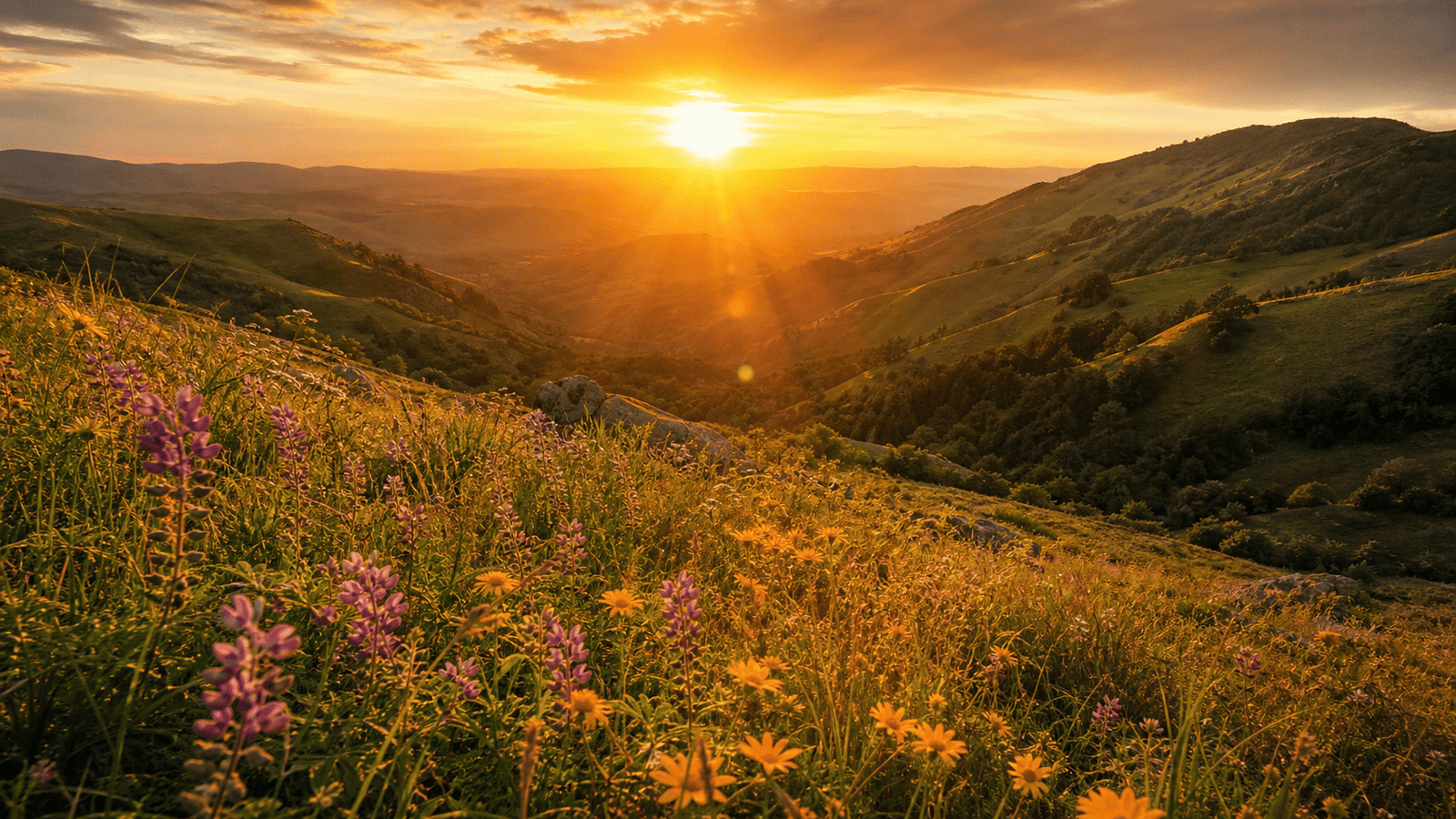
At 4:24 AM Eastern Time, the Sun reached its highest point in the sky for the entire year. If you live in the northern United States, you will see roughly 15 hours of daylight. Head to northern Canada and that stretches past 19 hours. In Fairbanks, Alaska, the sun barely dips below the horizon at all.
Europe Swelters Under a Heat Dome
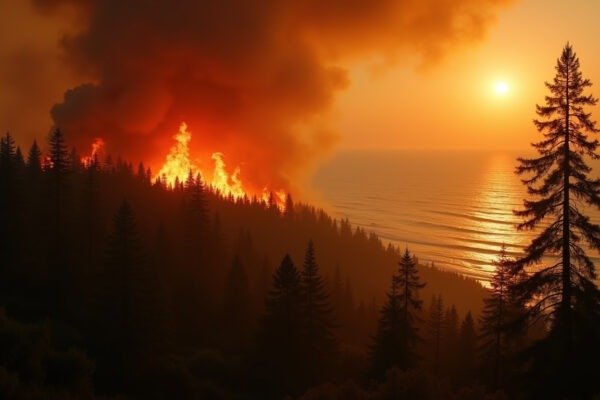
Right as the solstice arrives, a massive high-pressure system has settled over western and central Europe. Meteorologists call this a heat dome. It traps a stagnant layer of scorching Saharan air underneath, like a lid on a pot. The high pressure pushes warm air downward, compresses it, and heats it further. Cooler air and storm systems cannot move in. The heat just sits there, sometimes for days.
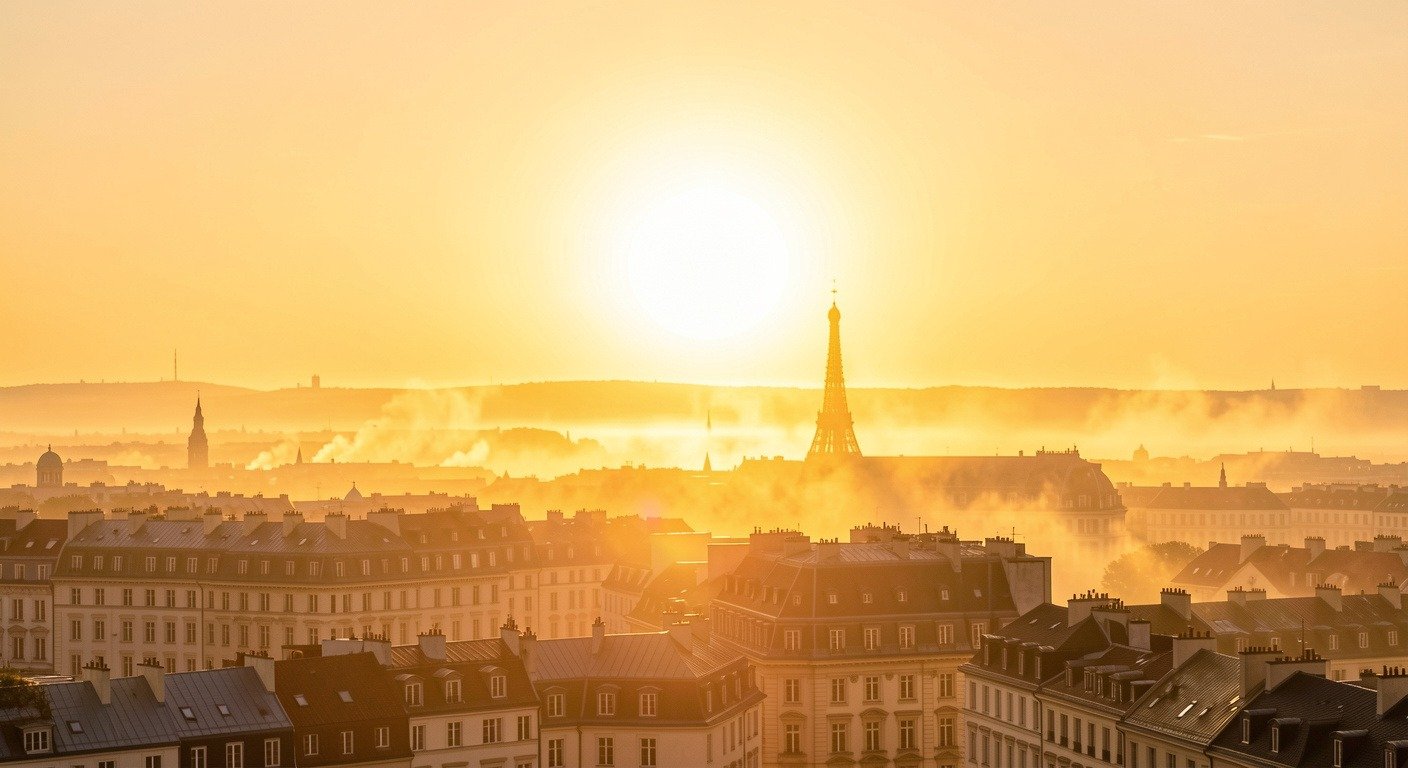
Paris is forecast to hit 36 to 37 degrees Celsius (97 to 99 Fahrenheit) by Thursday and Friday. Madrid and Lisbon have already seen temperatures climb past 38 degrees Celsius (100 Fahrenheit). The heatwave stretches from the Iberian Peninsula to the capitals of Western Europe. It is an early-season event of above-normal intensity.
Why the Solstice Matters
The Earth orbits the Sun at a tilt of 23.44 degrees. For half the year, the Northern Hemisphere leans toward the Sun. The solstice is the exact moment that tilt reaches its maximum. The North Pole angles as close to the Sun as it gets all year. That is why June 21 packs the most total daylight minutes of any date on the 2026 calendar.
Contrary to what many people think, the solstice is not the day with the earliest sunrise or latest sunset. The earliest sunrise happened around June 14, a full week before the solstice. The latest sunset will not arrive until late June or early July. Earth’s elliptical orbit means the Sun’s apparent motion speeds up and slows down while our clocks tick a steady 24 hours.
What This Means for the U.S. This Summer
While Europe bakes, NOAA’s Climate Prediction Center released its three-month summer outlook on June 18. The message is clear: expect widespread above-normal temperatures across most of the country. The Pacific Northwest, Oregon and Washington, sit in the zone of highest predicted heat. That pattern is typical for an El Nino summer, and 2026’s developing El Nino is already showing early signs of influence on North American weather.
There is some good news. The Southwest monsoon season officially started June 15, and early forecasts lean toward above-average precipitation. Arizona, New Mexico, and parts of California could see a wetter-than-normal monsoon. El Nino can sometimes fuel stronger monsoon activity in the Southwest by pulling moisture north from the tropics.
How to Stay Safe in the Heat
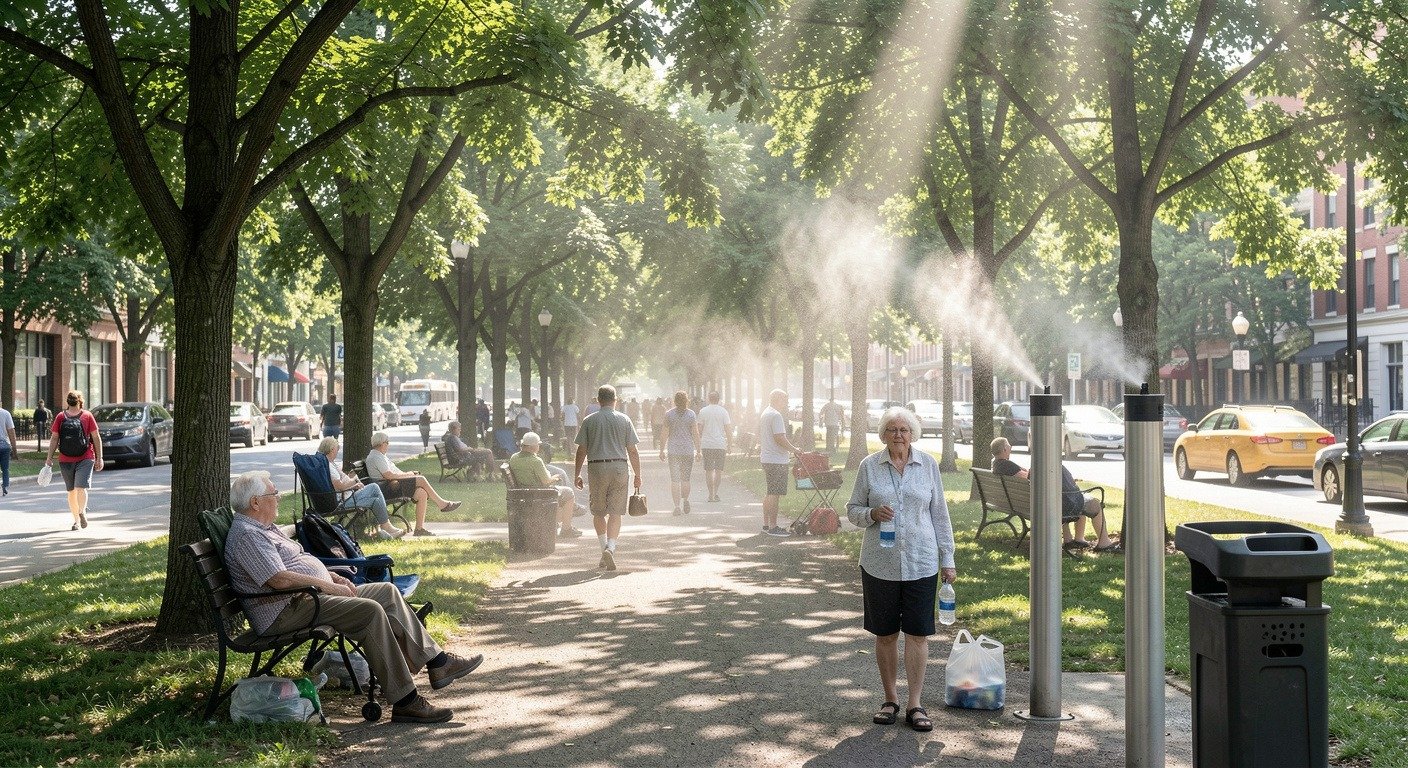
- Hydrate before you feel thirsty. On days above 32 degrees Celsius (90 Fahrenheit), your body can lose a liter of water per hour through sweat alone.
- Know the signs of heat exhaustion. Heavy sweating, cool clammy skin, headache, nausea, and dizziness are all warning signs. If symptoms worsen or you stop sweating entirely, that signals heat stroke. Call emergency services immediately.
- Check your cooling setup now. Clean your AC filters. Make sure fans are working. Know where your nearest cooling center is if you do not have air conditioning at home.
- Check on vulnerable neighbors. The elderly, young children, and those with chronic conditions face the highest risk during heat events.
The Big Picture
The summer solstice has been celebrated for thousands of years, from Stonehenge to Scandinavian midsummer festivals. It marks the peak of light, warmth, and growth in the natural world. But in 2026, it arrives alongside a reminder that summer weather can turn extreme fast. A heat dome over Europe. An El Nino-driven hot season unfolding across the United States. A monsoon season that could bring relief to some and flooding to others.
Enjoy the longest day. Soak up that extra hour of evening light. But take the heat seriously. July and August are shaping up hot, and this summer looks like it means business.