Reading Time: 5 minutes
On Monday, July 20, 2026, the mountain valleys of eastern Afghanistan turned into death traps. Residents of Parun, the capital of Nuristan province, watched walls of water, mud, and debris crash through their streets. By the time the water receded, the city’s mayor was among the missing, 23 people were confirmed dead, and more than 100 others had vanished into the floodwaters.
The Afghanistan flash floods 2026 hit without warning. Torrential monsoon rains, funneled by the steep mountain terrain of the Hindu Kush, transformed quiet streams into raging rivers in minutes. “People were swept away in front of their families,” one resident told rescue workers. “There was no time to run.”
What Happened in Nuristan
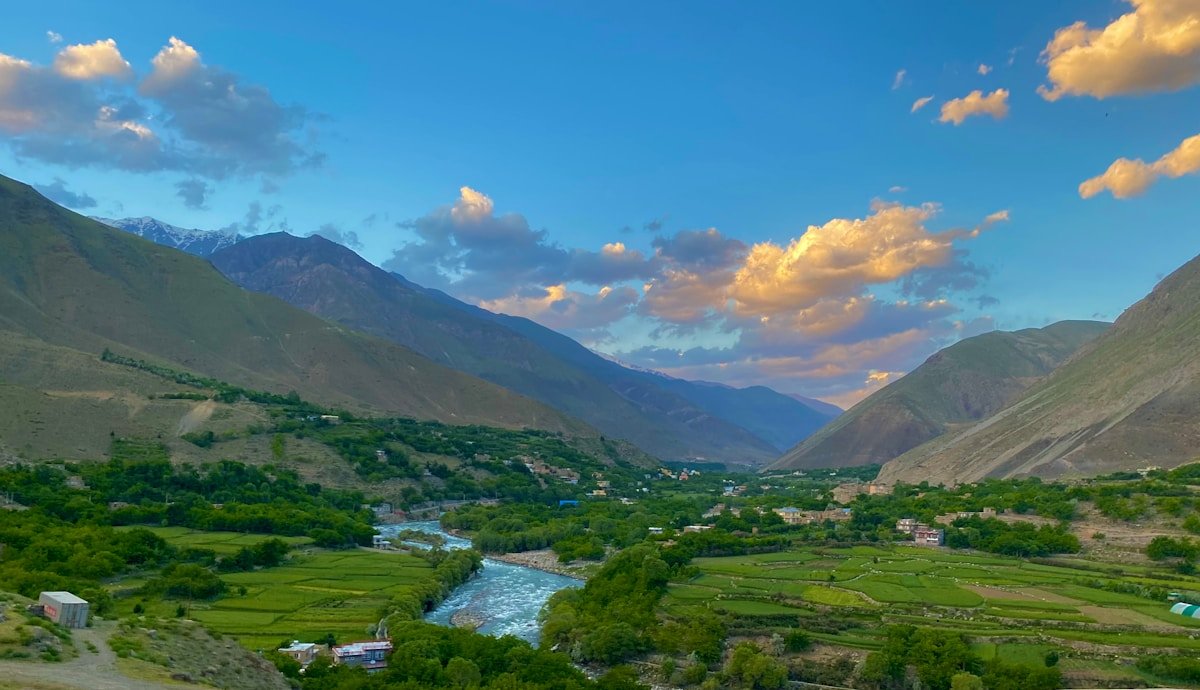
Nuristan province, Afghanistan’s least populous region with roughly 167,000 residents, sits in the remote eastern highlands along the Pakistan border. Its deep valleys and steep slopes make it one of the most beautiful and most dangerous places in the country when heavy rain arrives.
The Afghanistan flood disaster unfolded in Parun, the provincial capital, where the city’s infrastructure collapsed under the force of the water. According to the Taliban government’s National Disaster Management Authority (NDMA), at least 23 people were killed and 80 others injured. More than 100 remain missing, and search teams are still digging through mud and debris with limited equipment, according to Pakistan Today.
Among the missing is the mayor of Parun, whose office confirmed he disappeared while trying to coordinate evacuation efforts. Government employees in the city were caught in the floodwaters alongside ordinary residents. “The flood damaged six homes, an electricity network, a watermill, sections of the main road, as well as farmland and orchards,” authorities reported, according to Ariana News.
Why Nuristan Is So Vulnerable to Flash Floods
The science behind the Nuristan flash flood is brutally simple. Afghanistan’s eastern mountains create a perfect storm for sudden flooding: steep slopes channel rainfall into narrow valleys, leaving almost no time between the rain starting and the water arriving. It is a geographical trap, and one that scientists call “orographic enhancement”: when mountains force moisture-laden air upward, wringing out rain at intensities far higher than over flat terrain.
This is the same mechanism that produces heavy precipitation worldwide, but in Nuristan’s steep-walled valleys, the water has nowhere to spread out. It concentrates. It accelerates. It arrives as a wall. The July 2026 floods are not an isolated event. In April 2026, heavy rains and flooding in northern Afghanistan killed at least 150 people. In 2025, according to UN-Habitat, more than 31,000 people were affected by flash floods across 28 of Afghanistan’s 34 provinces.
The International Organization for Migration (IOM) found that nearly 9 million people in Afghanistan were impacted by climate hazards in the past year alone, with over 500,000 displaced by floods, drought conditions, and other disasters. Afghanistan ranks among the countries most vulnerable to climate change globally, yet has some of the fewest resources to prepare for or recover from disasters.
The Human Toll: Searching With Bare Hands
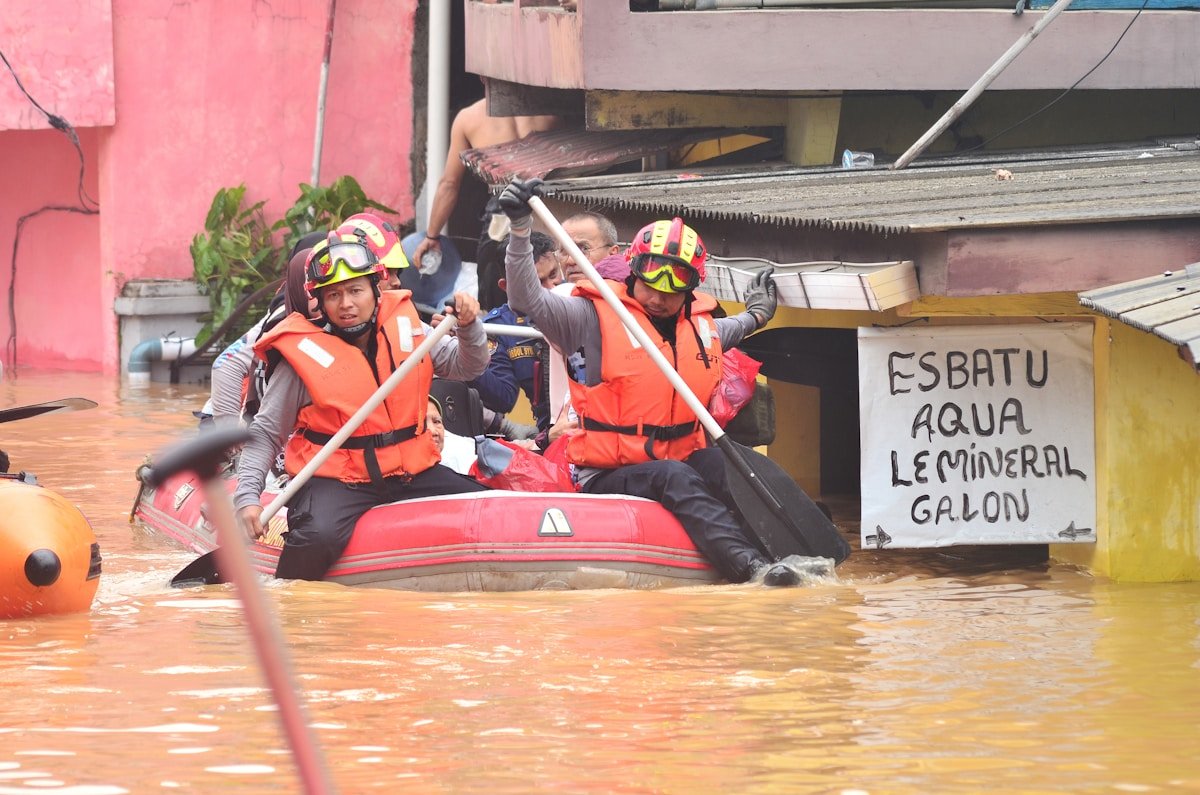
In the aftermath, the scenes from Parun are devastating. Photographs published by The Guardian show residents and rescue workers clearing debris by hand. Heavy machinery cannot reach many of the affected areas because the floods washed out the main road connecting Parun to the rest of the province. Search teams are digging through mud with shovels. Some families are searching with their bare hands.
The human impact stretches across every dimension of life in Nuristan. Homes were obliterated, leaving families shelterless. Food and water systems are contaminated with mud and debris. Farms and orchards that sustained communities for generations were stripped to bare rock. Infrastructure: electricity, roads, watermills. It was destroyed. The province is effectively cut off, and with more rain forecast, the window for rescue is closing fast.
India responded within days, delivering relief materials including food items and family tents to Afghanistan’s National Disaster Management Authority, according to the Times of Oman. The acting head of Afghanistan’s UN mission issued an urgent call for international humanitarian assistance, warning that the affected communities face a secondary crisis of disease and exposure without immediate aid.
A Pattern of Climate-Driven Flooding Across Asia
The Nuristan floods are part of a larger and increasingly deadly pattern. Across South Asia, the 2026 monsoon season has been devastating, with floods killing hundreds and displacing millions from Bangladesh to India to Nepal. What makes Afghanistan’s case particularly dire is the near-total absence of early warning systems. In a country where decades of conflict have destroyed weather monitoring stations and communication infrastructure, rain that would trigger an alert in other countries arrives as a complete surprise.
The Taliban government’s NDMA has limited capacity to respond. Search and rescue operations rely on local volunteers. International aid organizations face restricted access due to political complications. And yet the climate does not wait for politics. Every additional day of monsoon season brings the risk of another flash flood in another unprepared valley.
What We Can Learn
The Afghanistan flash floods of July 2026 reinforce an uncomfortable truth: the communities least responsible for climate change are suffering its worst consequences. Nuristan’s 167,000 residents did not cause the warming that intensifies monsoon rainfall. They live in mud-brick homes in mountain valleys that have sheltered their families for centuries, and those homes are now full of mud.
There is a practical takeaway. Early warning systems save lives. Every dollar invested in rain gauges, river monitoring, and community alert networks in vulnerable mountain regions prevents deaths. The technology exists. The question is whether the international community will deploy it before the next flood, or wait to count the missing afterward.
Key Facts: Afghanistan Flash Floods 2026
- Date: Monday, July 20, 2026
- Location: Parun, capital of Nuristan province, eastern Afghanistan
- Confirmed dead: 23 (NDMA)
- Missing: 100+ (including Parun’s mayor)
- Injured: 80
- Damage: 6 homes destroyed, electricity network, watermill, main road sections, farmland, orchards
- Cause: Torrential monsoon rains triggering flash floods in mountain valleys
- Response: India delivered food and family tents, UN calling for urgent aid, NDMA coordinating local rescue
- Context: 9 million Afghans affected by climate hazards in past year; 500,000+ displaced (IOM)
Sources
- BBC News: Floods in Afghanistan kill at least 20, with more than 100 missing
- Pakistan Today: Nuristan floods kill 23, 100 missing
- The Guardian: Rescuers search for missing and dead after flash floods in Nuristan
- Times of Oman: India sends relief material to Afghanistan
- Ariana News: Deadly floods devastate Afghanistan’s Nuristan