Reading time: 5 minutes | Islamabad, Pakistan, July 25, 2026
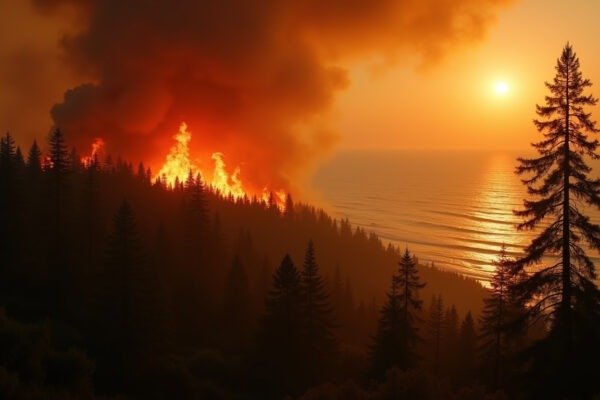
The Pakistan monsoon 2026 death toll climbed to 86 on Friday after five more rain-related fatalities, four of them children, were reported across the country in the past 24 hours. As authorities brace for another wave of heavy rainfall through Monday, millions of Pakistanis face a familiar threat: water rising faster than communities can respond.
What Happened: The Pakistan Monsoon 2026 Unfolds
Since the monsoon season began on June 26, relentless rains have battered Pakistan’s northern and central regions. The National Disaster Management Authority (NDMA) reports that Khyber Pakhtunkhwa (KP) and Punjab provinces have absorbed the worst of it, with Balochistan, Gilgit-Baltistan, and Azad Jammu and Kashmir also recording casualties and damage.
The Pakistan floods 2026 have unfolded through a series of compounding disasters: flash floods sweeping through mountain valleys, landslides cutting off villages from the outside world, urban flooding paralyzing city streets, and rivers swelling past danger levels. On July 25, the Pakistan Meteorological Department (PMD) issued a fresh advisory warning of another active monsoon system set to bring heavy rain to southern and central Pakistan through Monday, July 28.
The Pakistan monsoon 2026 toll has climbed steadily: 72 dead by July 22, 81 by July 24, and now 86 by July 25. Each day brings new reports of collapsed roofs, drowned livestock, and families trapped in rising water.
\n\n\n\n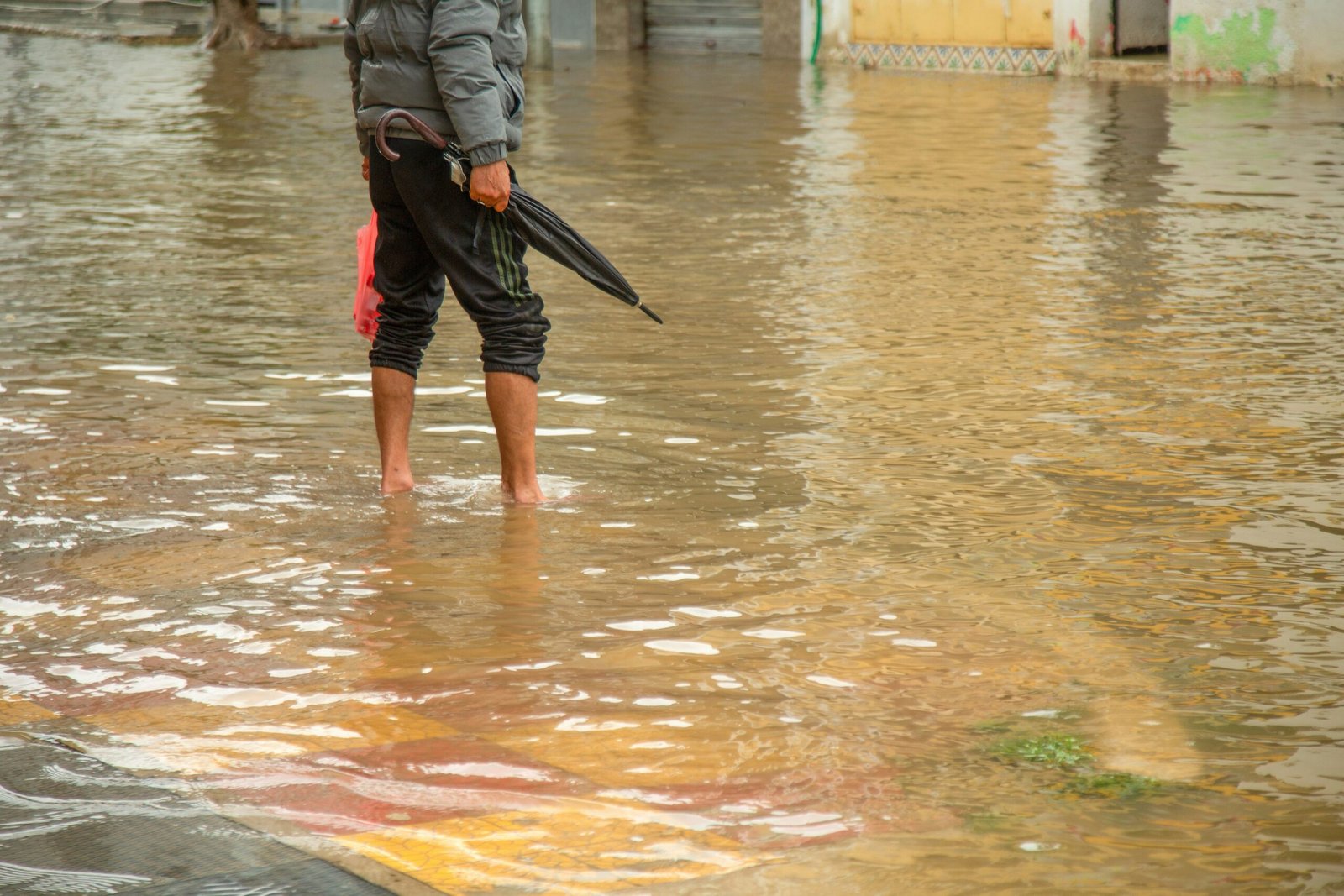
Why It Happened: The Monsoon Machine
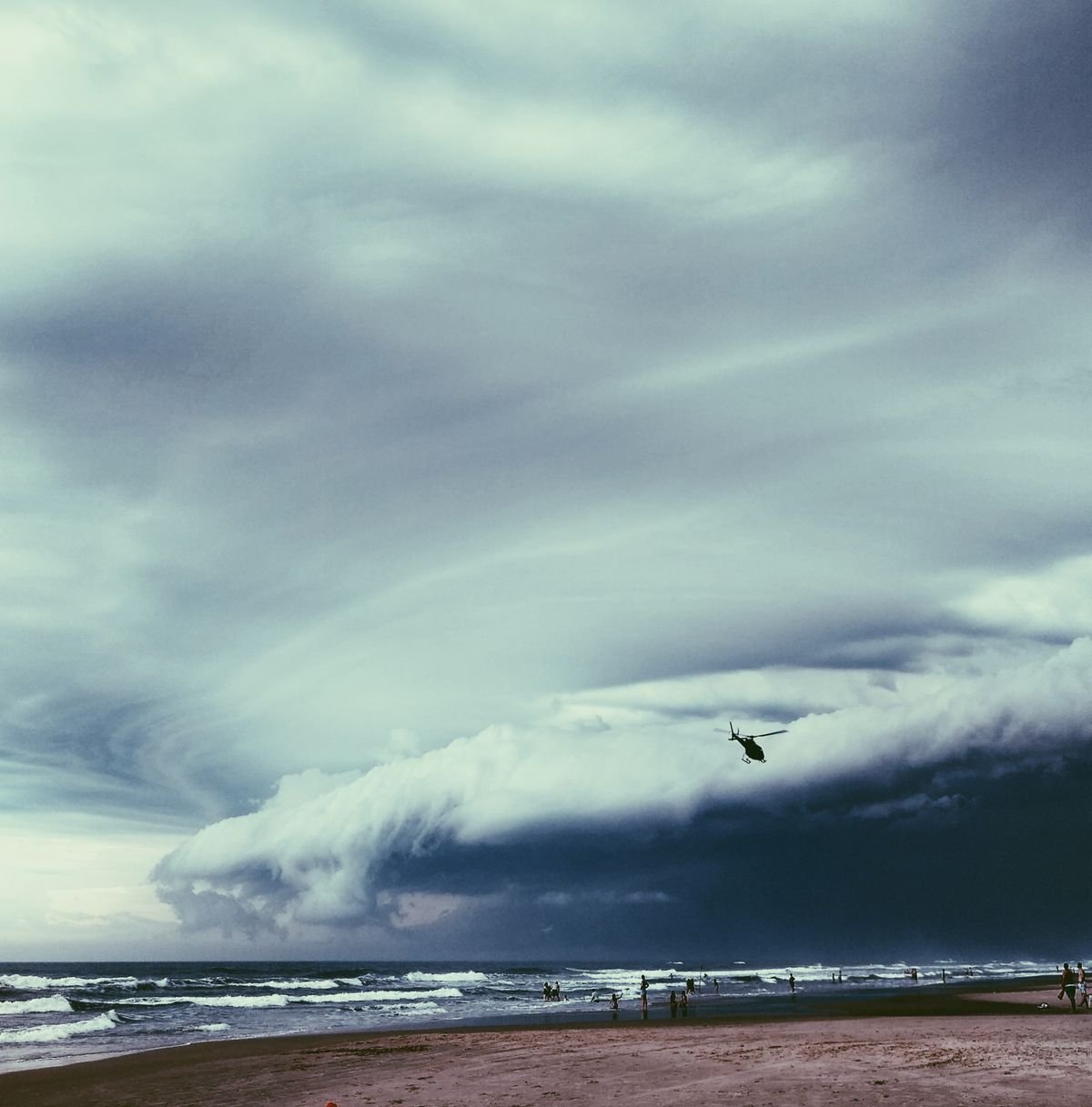
The monsoon is not random chaos. It is a planetary-scale wind system that, every summer, draws moisture-laden air from the Indian Ocean across the subcontinent. You can think of it as an atmospheric conveyor belt: hot air rises over the heated landmass of South Asia, creating a low-pressure vacuum that pulls in cooler, wetter ocean air. When that moisture hits the Himalayan foothills and the mountain ranges of northern Pakistan, it is forced upward. It cools. It condenses. Then it falls as torrential rain.
The Pakistan monsoon season typically runs from July through September. But the intensity is changing. Warmer air holds more water vapor, roughly 7% more for every 1°C of warming, and the Arabian Sea has been running hot. When an active monsoon system stalls over a region, it can unload a month of rain in a matter of hours. That is exactly what has happened across KP and Punjab over the past three weeks.
This is not Pakistan’s first devastating monsoon, and it will not be its last. The 2025 season claimed 1,006 lives, including 275 children. The country is still recovering.
\n\n\n\n
How It Affects People: The Human Toll
Behind the statistics are families who have lost everything. In KP’s mountainous districts, entire roads have been erased by landslides, cutting communities off from food, medicine, rescue teams, and the outside world. In Punjab’s floodplains, standing water has contaminated drinking supplies, raising the risk of waterborne disease. Farmers watch their crops drown just weeks before harvest, the sugarcane and rice fields that feed millions now a sheet of brown water.
The human impact spreads across multiple dimensions. Health workers warn of a coming wave of diarrheal disease and skin infections from contaminated floodwater. Schools in affected districts have closed, some converted into relief camps. The economic damage is mounting: damaged bridges, submerged roads, and ruined crops will ripple through the economy for months. For families already living at the edge, one monsoon can erase years of progress.
Children are bearing the heaviest burden. Four of the five deaths reported on Friday were children. They drown in flash floods, are crushed by collapsing walls, and in the aftermath, face malnutrition and disease.
\n\n\n\n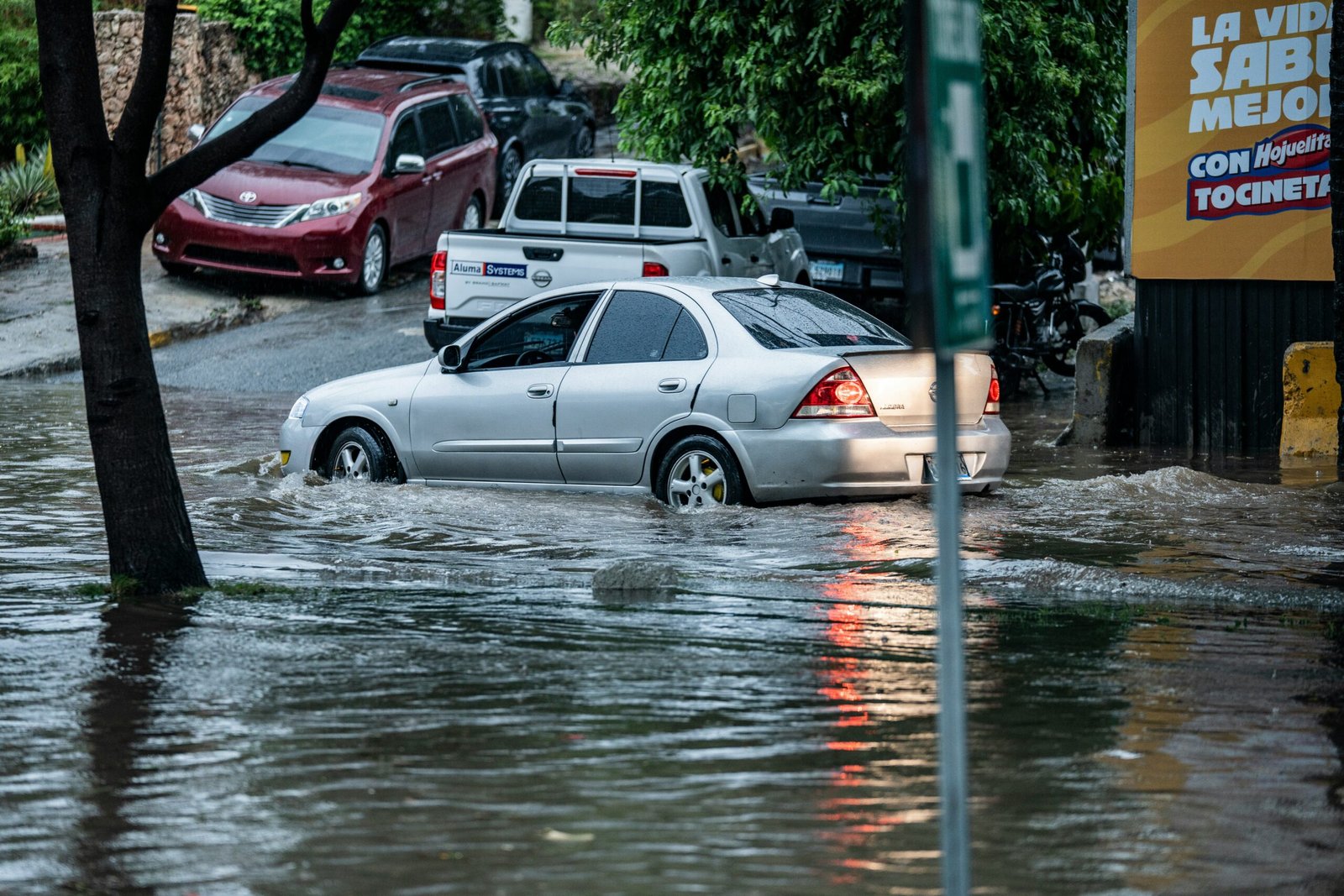
Why It Matters Now
The Pakistan monsoon 2026 death toll is no longer just a seasonal headline. It has become an annual measure of how well a nation can protect its people from a threat that is growing more intense each year. The PMD’s forecast of above-normal rainfall for 2026 was issued months ago. The NDMA has improved its early-warning systems since the catastrophic 2022 floods that submerged one-third of the country. But warning systems only work when people have somewhere safe to go.
Across the region, the same monsoon system is rewriting lives. Afghanistan’s Nuristan province lost 23 people to flash floods last week. India’s Assam state is reeling from 700,000 displaced. This is one weather system, thousands of miles wide, touching tens of millions of people.
What Comes Next
The immediate forecast is grim. PMD warns that the next rain spell, expected from Saturday through Monday, could trigger urban flooding in major cities including Lahore, Islamabad, and Peshawar. River levels on the Chenab, Ravi, and Sutlej are being closely monitored. The NDMA has directed provincial authorities to preposition rescue equipment and evacuate vulnerable communities.
For the millions of Pakistanis watching the skies, the question is not whether it will rain. It is whether the systems built to protect them will hold.
Key Facts
- Death toll: 86 as of July 25, 2026, per NDMA
- Hardest-hit provinces: Khyber Pakhtunkhwa and Punjab; also impacting Balochistan, Gilgit-Baltistan, and Azad Jammu and Kashmir
- Monsoon start: June 26, 2026
- Next threat: PMD warns of heavy rain July 26-28, risk of urban and flash flooding
- 2025 comparison: 1,006 deaths, including 275 children, during last year’s monsoon season
Frequently Asked Questions
Why does Pakistan flood every monsoon season?
Pakistan sits at the collision point of the South Asian monsoon and the Himalayan foothills. Moisture from the Arabian Sea and Bay of Bengal is forced upward by the mountains, producing intense rainfall. Add warming ocean temperatures, which increase atmospheric moisture, and the result is heavier, more destructive monsoon rains than in previous decades.
What is the NDMA doing about the floods?
The National Disaster Management Authority has directed provincial authorities to preposition rescue equipment, evacuate vulnerable areas, and monitor river levels on the Chenab, Ravi, and Sutlej. Relief camps have been established in affected districts.
How does this monsoon compare to previous years?
The 2026 monsoon season, while severe at 86 deaths so far, has not yet reached the catastrophic levels of 2025 (1,006 deaths) or the historic 2022 floods that submerged one-third of Pakistan and displaced 33 million people. But with months of monsoon still ahead, the toll is expected to rise.
Sources: National Disaster Management Authority (NDMA) Pakistan, Pakistan Meteorological Department (PMD), Pakistan Today, ReliefWeb/IFRC, Arab News Pakistan
More from NWH: How Monsoons Work | Afghanistan Flash Floods 2026 | Asia’s Deadly Monsoon Floods