On July 4, 2023, a father from Alabama watched his teenage son play in waist-deep water at Panama City Beach. The sky was clear. The waves were modest.
Between two sections of breaking surf, a stretch of water looked strangely calm. His son drifted toward it.
Three minutes later the boy was 150 yards offshore. He had stepped into a rip current. He did not know what it was.
Nobody on the beach knew either. Rip current safety is not something most people think about before a beach trip.
You check the weather. You pack sunscreen. You do not check whether the water itself might pull you out to sea.
That oversight costs roughly 100 lives every year in the United States.
The Silent Killer at Your Favorite Beach
Rip currents kill more Americans annually than hurricanes, tornadoes, and lightning combined. Hurricanes claim about 45 lives. Tornadoes take roughly 70.
Lightning accounts for another 70. Rip currents alone cause approximately 100 deaths each year, according to the National Weather Service.
They are the single deadliest weather-related hazard in the country that most people have never heard of.
Ask someone at the beach what a rip current is and they will likely say “undertow.” That is wrong in ways that kill people.
Rip currents do not pull you under the water. They do not suck you down into some dark abyss. They pull you out.
Away from shore. Into open water where exhaustion finishes what the current started.
The physics is simple. The experience is not. A rip current can move at up to eight feet per second.
Michael Phelps, at his absolute peak, could swim about six feet per second. You cannot outswim a rip current. Nobody can.
What a Rip Current Looks Like
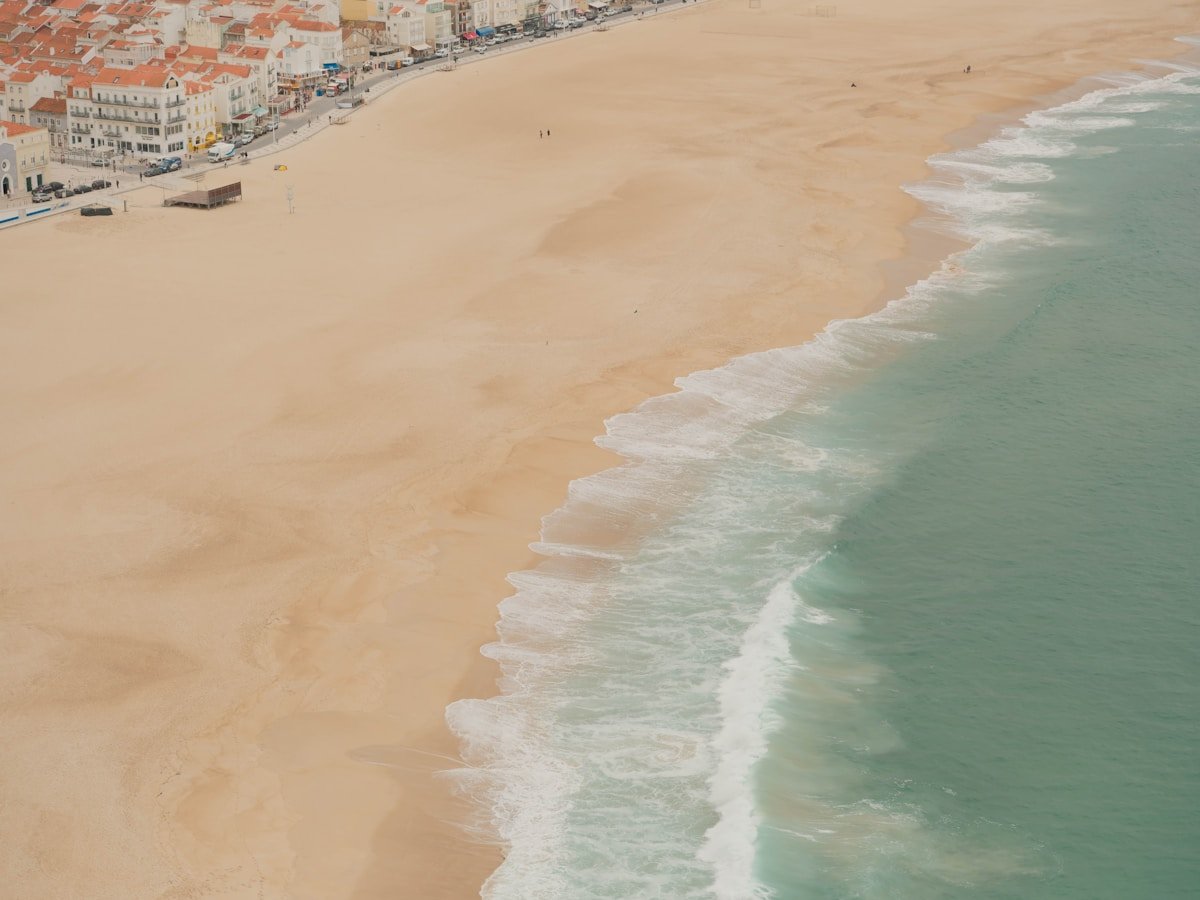
Rip current safety starts with knowing what to look for. The most reliable sign is a gap in the breaking waves.
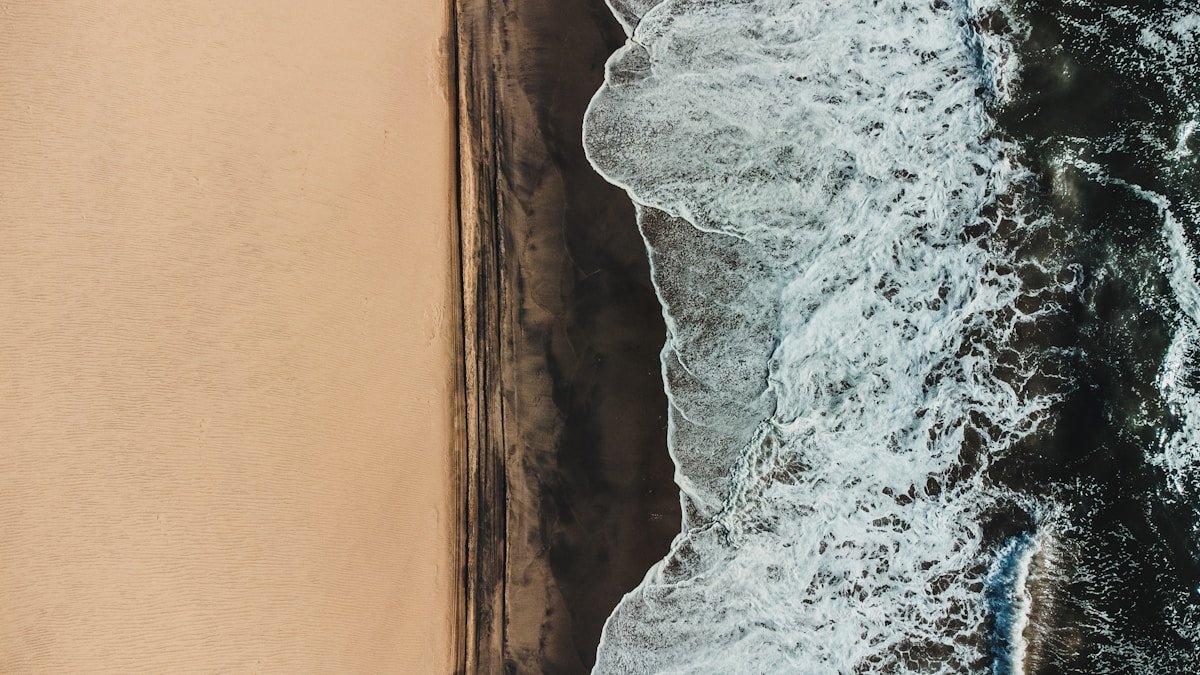
Where the rest of the beach shows lines of whitewater rolling in, a rip current looks like a calm channel cutting through the surf. It appears to be the safest place to swim. It is the deadliest.
Other signs are visible once you learn them. Water inside a rip current often looks darker or deeper than the surrounding area. You might see foam, seaweed, or debris moving steadily away from the beach instead of washing back and forth with the waves.
Sometimes the water looks murky or churned up, extending past the surf zone into deeper water. None of these signs are subtle. The problem is that nobody ever taught you to look for them.
The NOAA Ocean Service describes how these currents form. Waves push enormous volumes of water toward the shore. That water piles up until it finds the path of least resistance back to the sea.
Often that path is a break in an underwater sandbar. The water funnels through that gap in a narrow channel, typically 30 to 100 feet wide.
Once it passes the breaking waves, the current dissipates. The water spreads out and the pull stops.
Who Dies and Why
The NWS surf zone fatality database tracks every death. The pattern is sharp and consistent.
Most victims are male. Most are between 10 and 29 years old. The peak months are June and July, when the water is warmest and the beaches are fullest.
The deadliest region is the NWS Southern Region. Florida. The Gulf Coast.
In 2024, rip currents killed 71 people in the United States.
The mechanism of death follows a predictable sequence. You feel the pull. You panic.
You try to swim directly toward the beach. The current moves faster than you can swim. You exhaust yourself fighting a force you cannot beat.
Your arms give out. You go under. The current never pulled you down.
Exhaustion did.
A second tragedy unfolds far too often. Someone on the beach sees a person struggling.
A parent. A spouse. A friend.
They go in after them. Now two people are fighting the same current, neither knowing how to escape.
These double drownings are common enough that the NOAA National Hurricane Center warns against rescue attempts explicitly. Do not go in after someone caught in a rip current. You will become the second victim.
Rip Current Safety: How to Survive
Rip current safety comes down to knowing four things. They are simple to learn and they work. The hard part is remembering them while your body is screaming at you to do the wrong thing.
First, do not fight the current. Your instinct will scream at you to swim toward shore. Ignore it.
Swimming against a rip current is like running on a treadmill set faster than your sprint speed. You lose every time.
Second, swim parallel to the beach. Rip currents are narrow. Most are 30 to 100 feet wide.
If you swim sideways along the shoreline for even 30 seconds, you will likely exit the current. Once you are out of its pull, swim back to the beach at an angle.
Third, if you cannot swim out, float. The current will not pull you under. It only pulls you out.
Tread water. Conserve your energy. Most rip currents weaken once they pass the breaking waves.
When the pull eases, swim back.
Fourth, swim near a lifeguard. Your chance of drowning at a guarded beach is roughly one in 18 million, according to the United States Lifesaving Association.
Before you go, check the NWS beach forecast for rip current risk levels. Look for warning flags at the beach.
Green means low hazard. Yellow means moderate. Red means high risk.
Double red means the water is closed.
If you see someone else caught in a rip current, throw them anything that floats.
A cooler lid. A boogie board. A beach ball.
Yell instructions: “Swim parallel to the beach.” Call 911. Keep watching.
Your voice might be the thing that brings them home.
Related: Tropical Storm Watch: July 2026 Atlantic Update
What the Ocean Teaches
Rip currents are not a mystery. They are a predictable feature of how water moves near a shoreline.
The hurricane season creates stronger rip currents along entire coastlines, even when storms are hundreds of miles offshore. A hurricane safety plan should account for beach hazards that arrive days before the storm itself.
You can stand on a beach and see the ocean as a flat, beautiful surface. It is not a flat surface. It is a system in motion, with channels and currents that operate beneath what you can see from the sand.
Learning to read the water changes what the beach means. It does not make the ocean less beautiful. It makes you less likely to die in it.
The next time you stand at the shore, scan the water before you step in.
Look for the gap in the waves. The darker channel. The foam moving steadily offshore.
That is not the safe spot. That is the thing that kills 100 people a year. Now you know what it looks like.