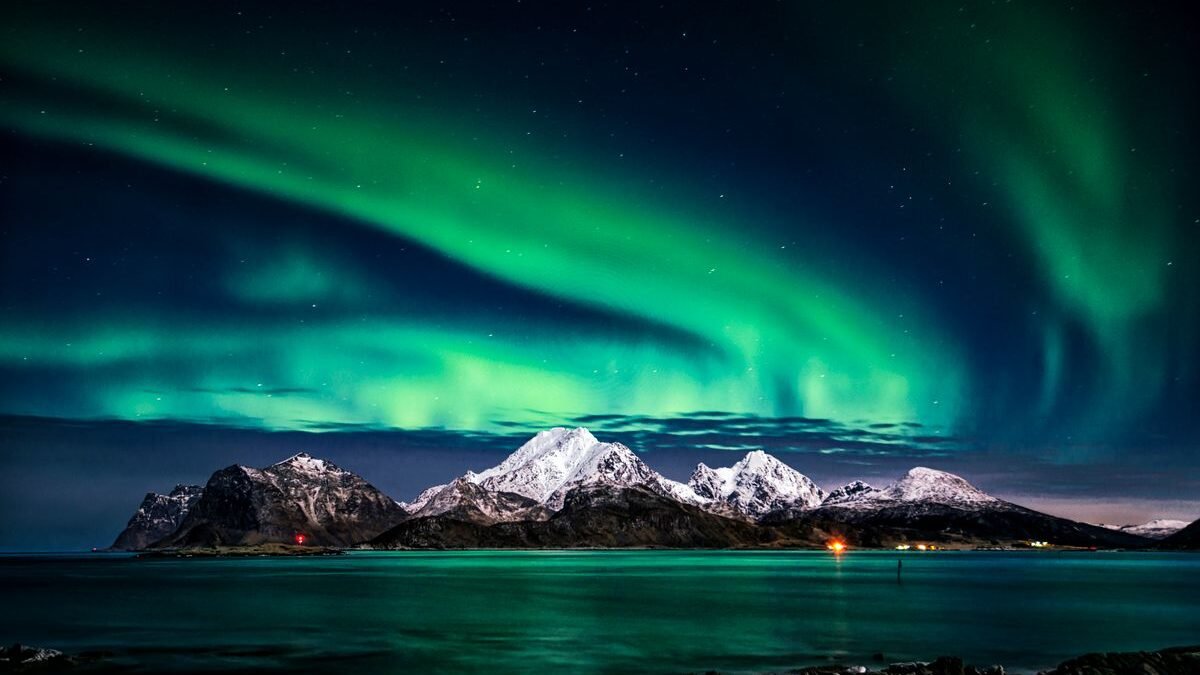
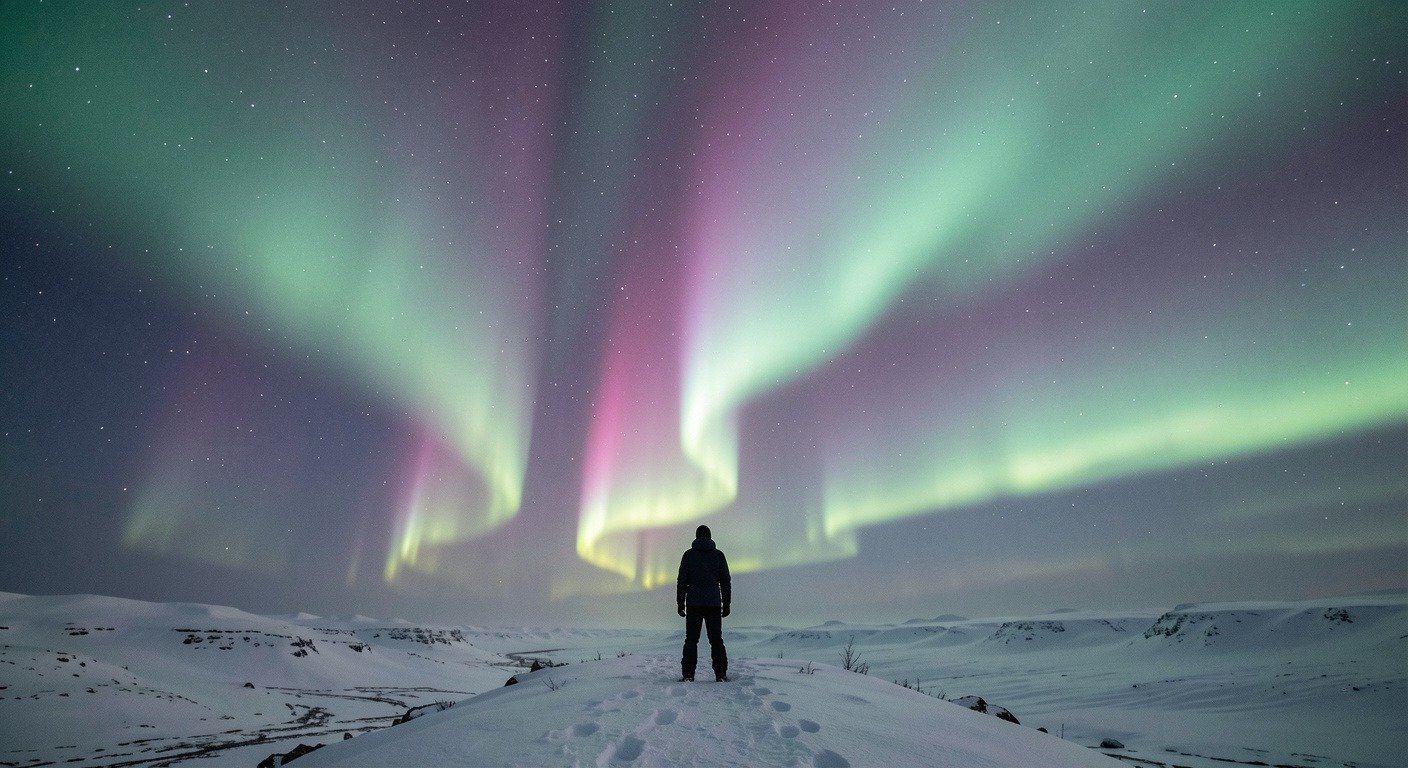
Sara Lindström stood on a frozen lake outside Abisko, Sweden, at 11 p.m. on a February night when the sky broke open. A pale green ribbon unspooled across the horizon. Within minutes, curtains of emerald light were rippling overhead, folding and twisting as if the atmosphere had grown a pulse. She had spent three winters chasing this moment. What she learned during those years became a northern lights viewing guide best months strategy she now shares with everyone who asks: timing is not luck. It is weather science, solar physics, and a willingness to stand outside in the cold while the universe performs.
The aurora borealis has drawn travelers north for centuries. Indigenous Sámi people in Scandinavia called it guovssahas, the light you can hear. Medieval Europeans saw it as a portent of war. Today, roughly two million people book trips to the Arctic Circle each winter hoping to see the lights. About 70 percent of visitors who stay at least four nights in peak season catch a display. The other 30 percent learn a hard lesson about clouds. They also learn about moonlight interference and the quiet demands of high-latitude weather.
What Makes the Sky Glow
Understanding what causes the aurora transforms a chase into an informed pursuit. According to NASA research, charged particles from the sun, known collectively as the solar wind, collide with gases in Earth’s upper atmosphere. Oxygen emits familiar green and red hues. Nitrogen produces blue and purple. The sun sends these particles toward us constantly. Earth’s magnetic field funnels them toward the poles, where they ignite at altitudes between 60 and 250 miles above the ground. You never see the same aurora twice because the solar wind shifts continuously. The upper atmosphere behaves like a chaotic canvas.
The color you see depends on altitude and which gas is being struck. Green oxygen glows most brightly at roughly 60 to 150 miles up. Red oxygen appears higher, above 150 miles, and is rarer. Blue and purple nitrogen shows up at the lower edge of the aurora curtain. When the display is strong, all three colors appear at once in overlapping layers. A Kp-index reading of 5 or above signals a geomagnetic storm capable of pushing the aurora farther south than usual. The NOAA Space Weather Prediction Center tracks these readings in real time. During the May 2024 G5-level storm, the northern lights were photographed from Florida and Mexico.
Northern Lights Viewing Guide Best Months: Plan Your Aurora Trip
September through March defines the aurora season across the northern hemisphere. Within that window, the months with highest success rates are late September, October, February, plus March. These months sit near the equinoxes, when Earth’s magnetic field is angled to receive more solar particles. The Geophysical Institute at the University of Alaska Fairbanks has tracked this seasonal bump in geomagnetic activity for decades. Statistics from aurora tourism hubs like Tromsø, Norway, show March and September produce roughly 20 percent more nights with visible aurora than December and January.
December and January bring the deepest darkness, 20 hours of night above the Arctic Circle. They also bring the heaviest cloud cover and temperatures that routinely drop below minus 20 degrees Fahrenheit. February offers slightly warmer nights while keeping the long dark hours. March is the sweet spot for many experienced guides. The weather moderates. The snowpack reflects ambient light beautifully. Geomagnetic activity stays elevated. You can stand outside for hours without the deep-winter bite cutting the night short.
Ground-level weather matters as much as solar activity. Clear skies are non-negotiable. Coastal aurora destinations like Tromsø and Reykjavík sit in maritime climate zones where cloud cover changes hour by hour. Inland locations such as Abisko and Yellowknife have drier air and a higher percentage of clear nights. Abisko’s microclimate, a phenomenon locals call the “blue hole” created by surrounding mountains, delivers a roughly 80 percent clear-sky rate during winter months. Many experienced aurora chasers split a trip between a coastal and an inland location to maximize the odds.
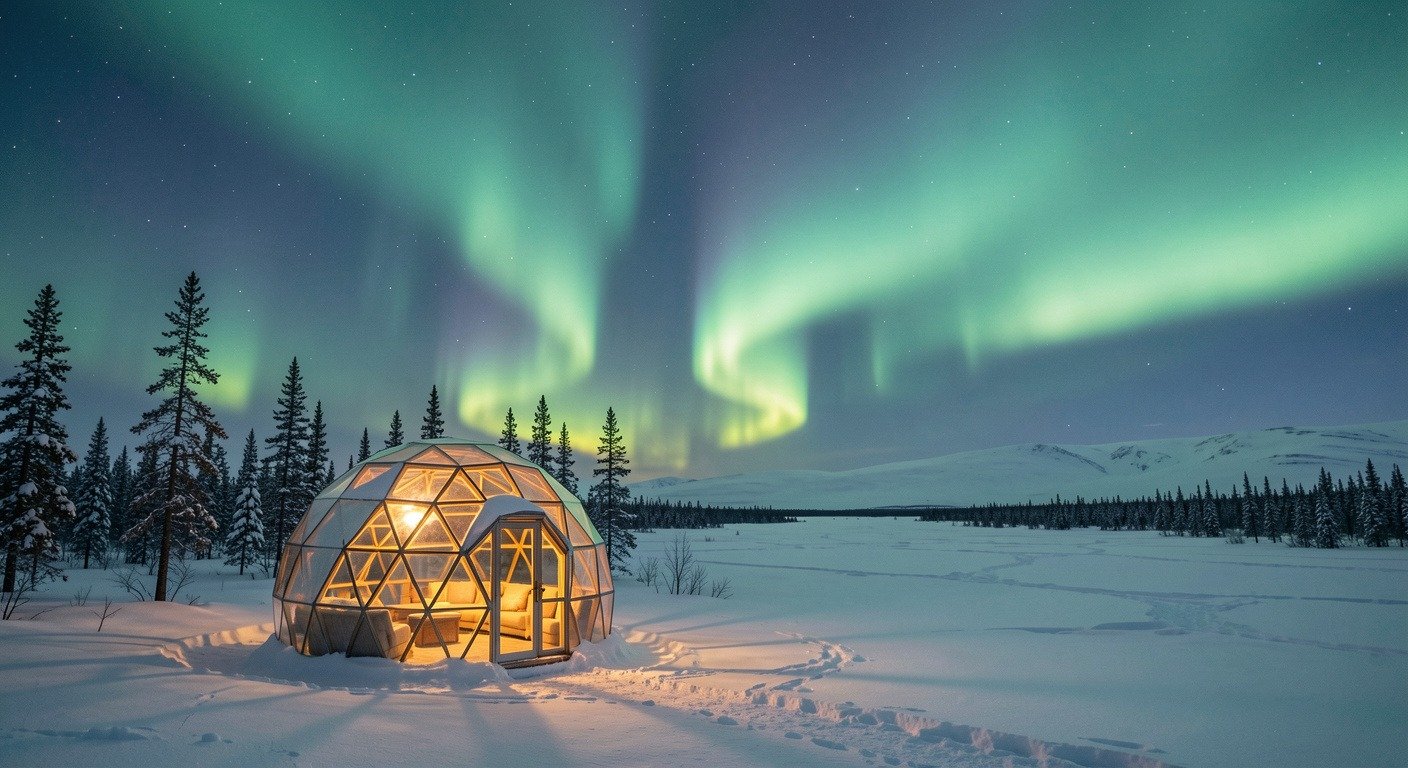
The moon plays an overlooked role. A full moon washes out fainter aurora displays, turning a subtle green glow into something barely visible. A new moon leaves the sky dark enough to reveal even weak activity. Checking the lunar calendar before booking flights costs nothing. It can mean the difference between seeing ribbons of light and seeing a faint smudge. The Capture the Atlas aurora planning guide recommends timing trips to new-moon windows whenever possible. If you must travel during a bright moon phase, target dates when the moon sets before midnight.
Why 2026 Matters
Solar Cycle 25 reached its maximum between late 2024 and early 2025. The sun posted sunspot numbers above 150 during the peak, making it the strongest cycle in over 20 years. For 2026, the news is not that the lights are finished. It is that the sun is still stormy. Solar activity declines gradually after maximum, and 2026 sits on the high plateau immediately following the peak. Geomagnetic storms capable of producing vivid aurora displays are expected to continue with above-average frequency through at least 2027.
The Norwegian Space Agency reported that sunspot numbers remained in the 150 range as recently as late 2025. Elevated solar activity at this level translates directly to aurora quality. Stronger solar wind means brighter displays, more color variety, and visibility at lower latitudes. For someone planning a trip in 2026, the data says the odds are still tilted in your favor. This northern lights viewing guide best months framework applies just as powerfully now as it did at solar maximum.
Practical preparation separates a memorable night from a cold disappointment. Dress for temperatures 20 degrees below the forecast. Layering is essential: a moisture-wicking base layer, an insulating mid-layer, plus a windproof outer shell. Hand warmers, insulated boots rated to minus 30 degrees, and a balaclava are not optional above the Arctic Circle. Most aurora tours last three to five hours. You will be standing still in the dark. Cold feet end the night before the lights do.
A camera tripod is mandatory. Exposures longer than five seconds cannot be handheld. Set your lens to manual focus at infinity, open the aperture to its widest setting, and start with ISO 1600 at a 10-second shutter speed. Adjust from those baselines. Modern smartphones with night-mode sensors can now capture the aurora. The iPhone 15 Pro and Google Pixel 8 both include astrophotography modes that produce usable images. Bring a portable battery pack. Cold drains batteries fast.
Selecting a destination shapes the entire trip. Iceland offers volcanic landscapes beneath the lights and a Ring Road circling the island’s aurora-accessible regions. The Best Place to See Northern Lights: 6 Top Destinations article compares Tromsø against Fairbanks. It also covers Yellowknife and several other top sites. Norway’s coast provides fjord backdrops that photographs cannot fully capture. Finnish Lapland adds glass igloos and sauna culture. Canada’s Northwest Territories produce some of the most reliable displays on Earth, with Yellowknife reporting visible aurora on roughly 240 nights per year.
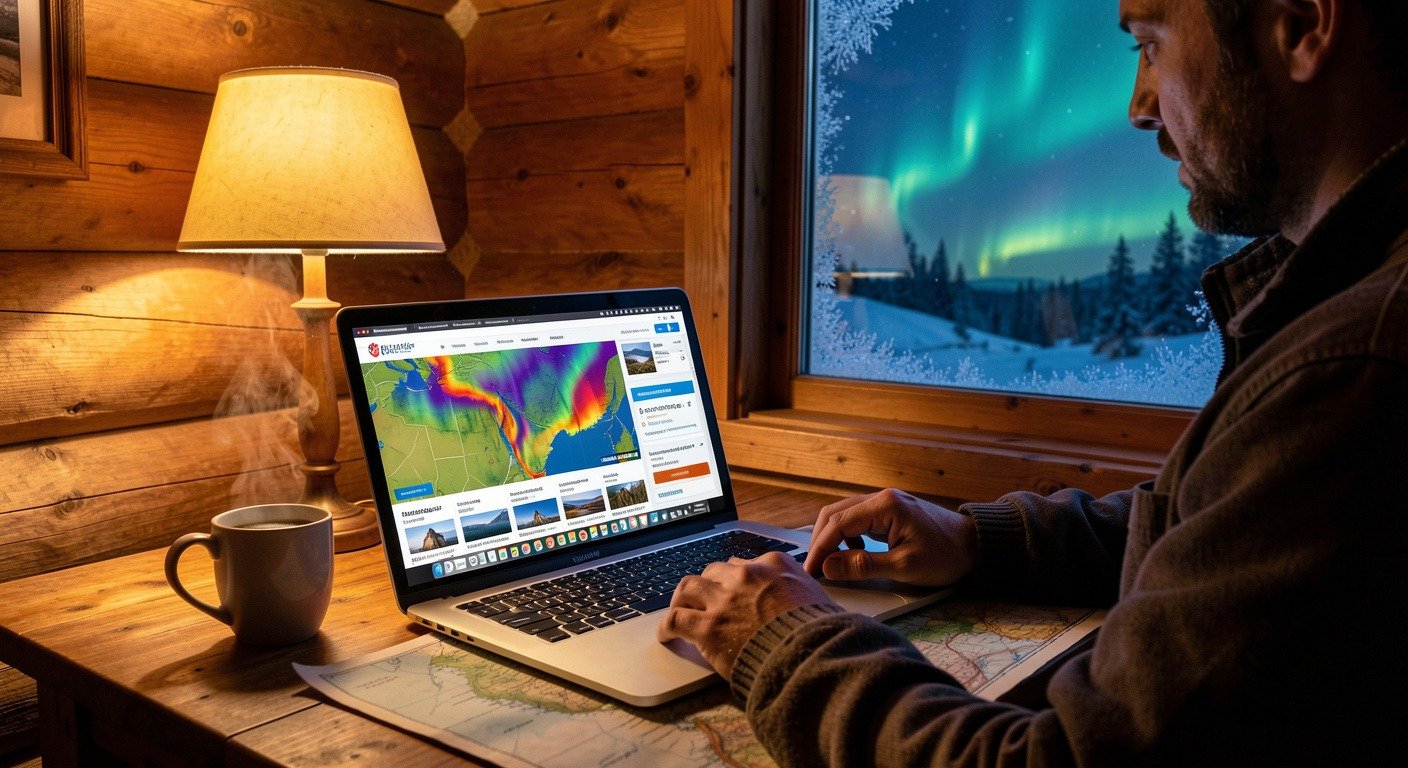
The physics that creates the aurora is the same physics driving weather systems across the planet. The sun heats the Earth unevenly. That differential creates wind, ocean currents, and the storms shaping daily life at every latitude. Understanding one piece of the system deepens your sense of how the other pieces connect. The article Why 2026 Is the Best Year to See the Northern Lights in Iceland explains how the solar cycle and local weather patterns combine for Iceland’s exceptional viewing conditions.
The aurora does not announce itself. It arrives without sound, without warning, often when you are about to give up and walk inside. That is part of what makes it worth chasing. No ticket guarantees a display. No forecast promises a show. The months of planning collapse into a single moment when the sky finally lights up. The cold fades from awareness. The camera shutter clicks. And somewhere above the Arctic Circle, Sara Lindström is standing on a frozen lake, watching the universe paint the sky green.