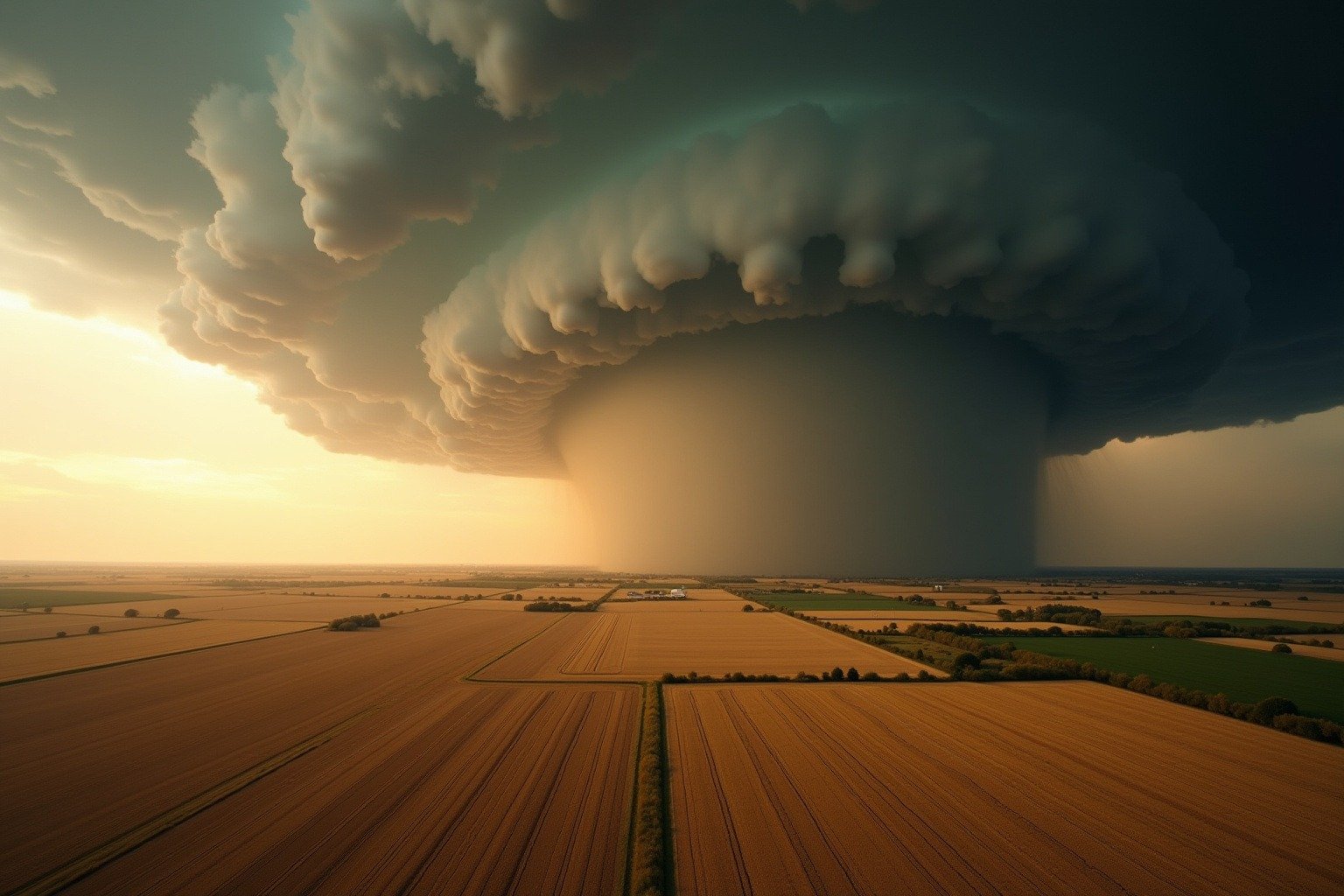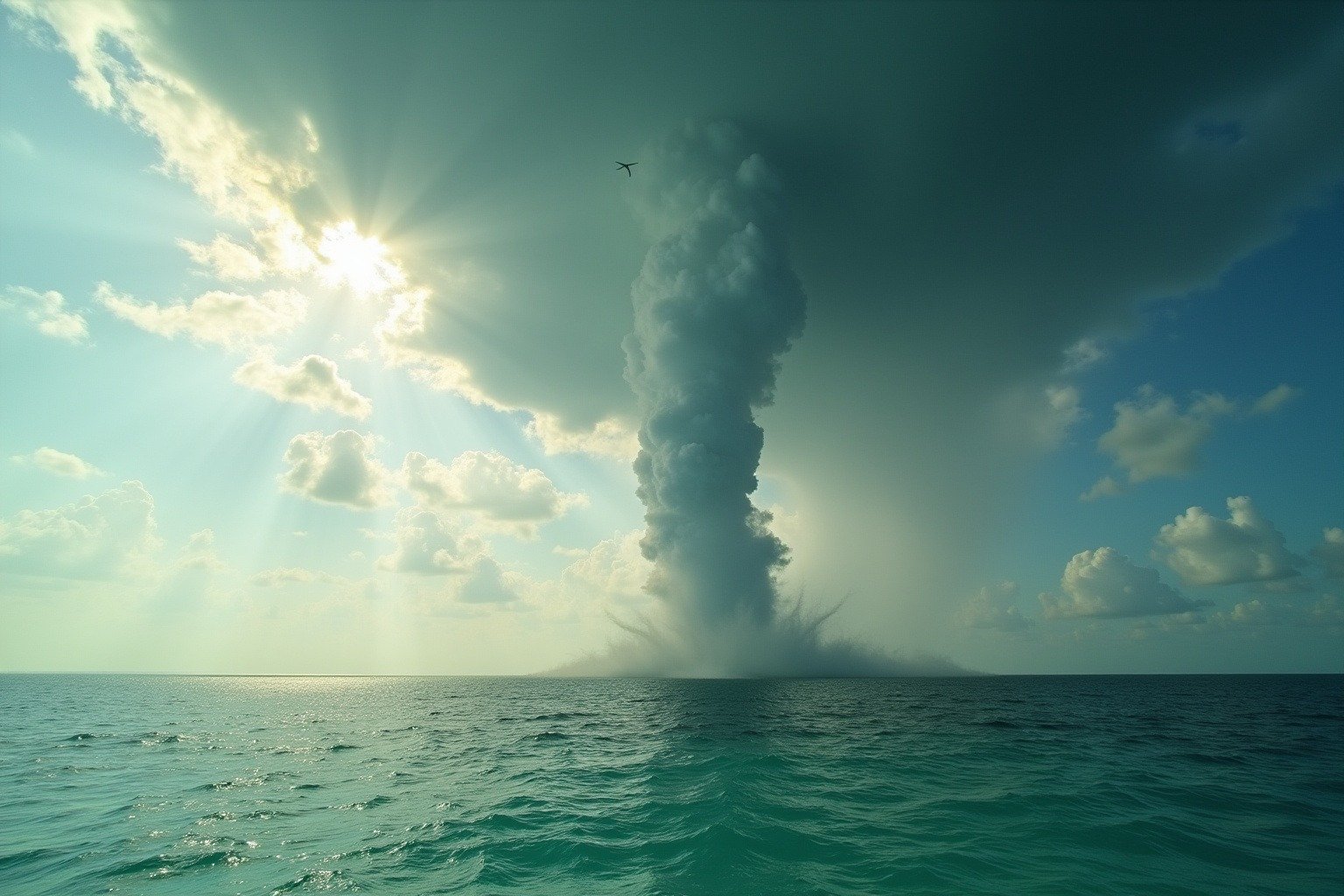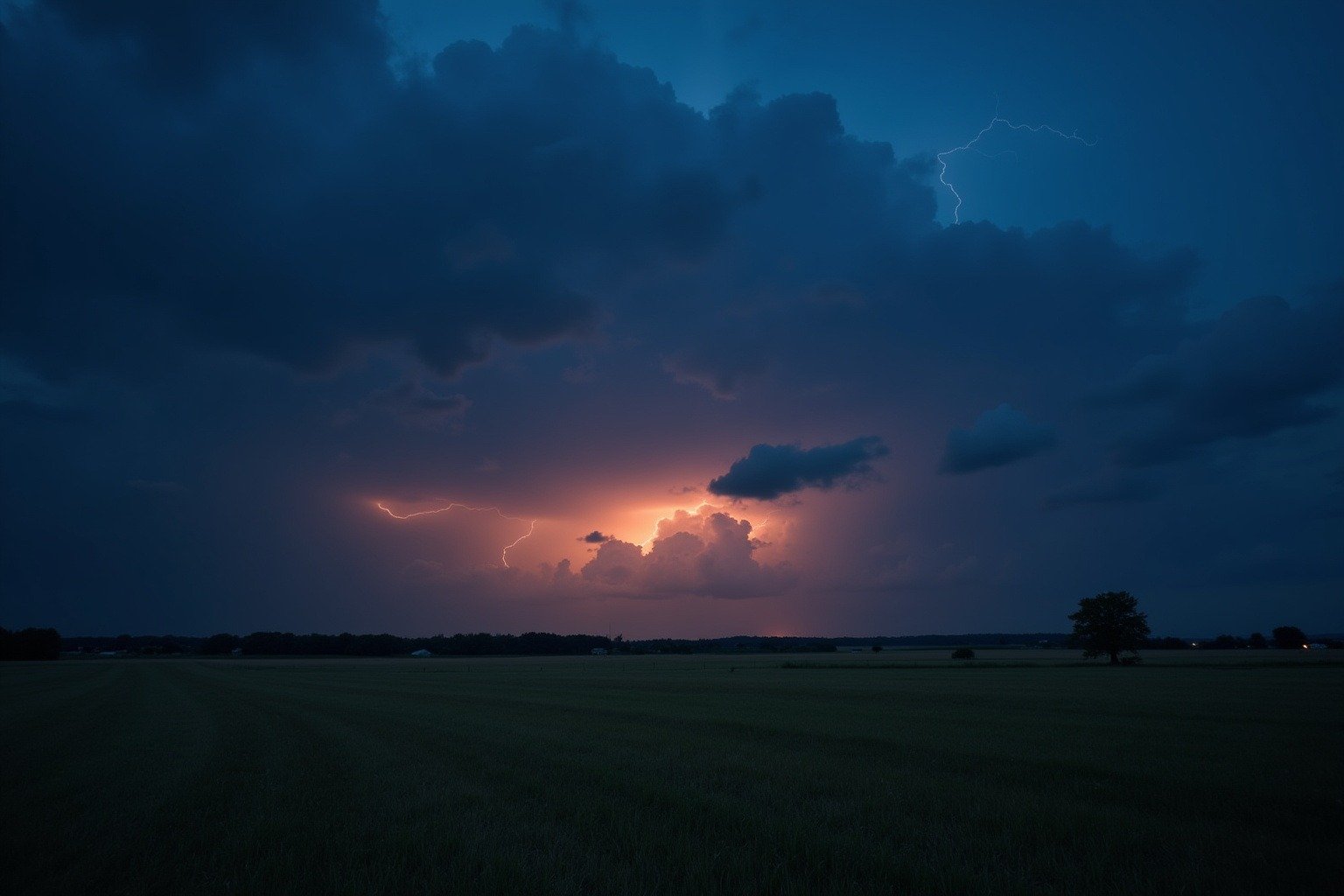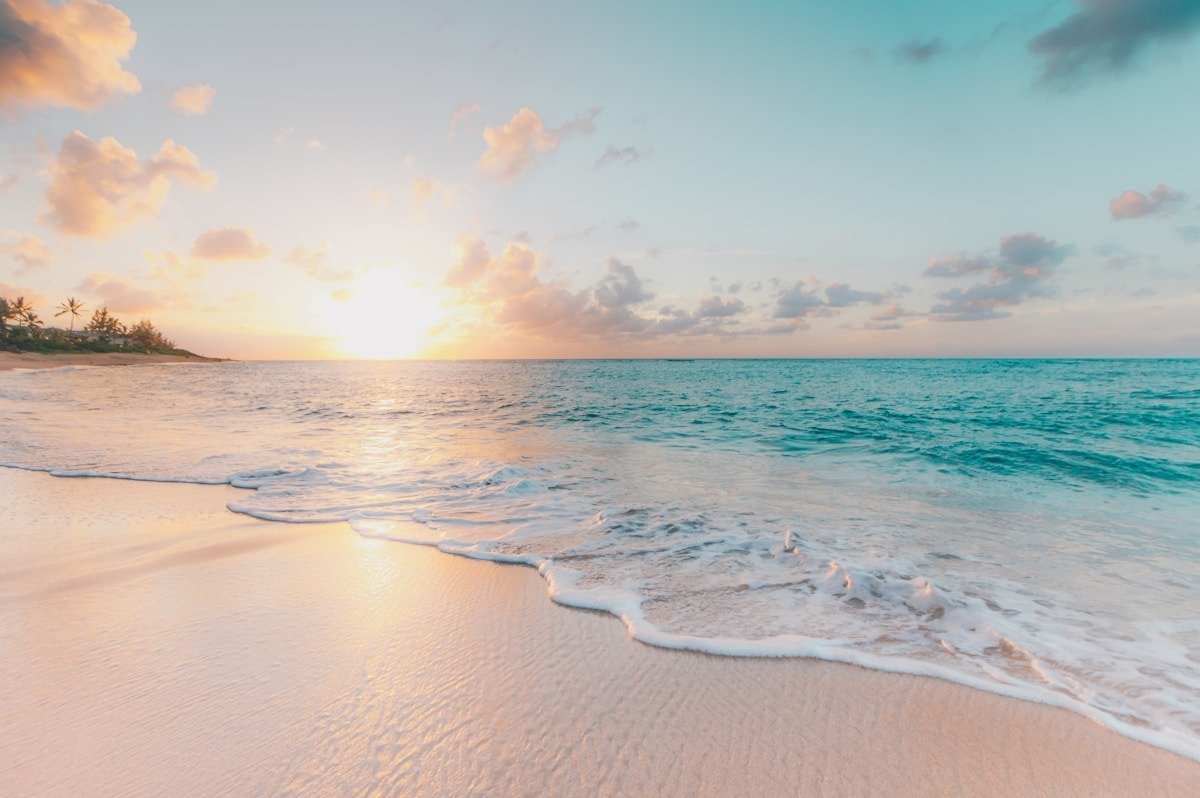
A single molecule of water that fell as rain on ancient Rome has circled through oceans, then clouds, then into rivers and soil thousands of times since then. It may be falling on your roof this afternoon. The water cycle makes this possible, and it has been running without pause for billions of years.
No new water arrives on Earth from outer space, and none escapes into it. The same supply has been recycled since the planet cooled enough to hold liquid on its surface.
What Is the Water Cycle?
This vast system is the continuous movement of water through the atmosphere, across the land, and beneath the ground. A drop of ocean water rises into the sky, condenses into a cloud, falls as rain on a mountain slope, flows down a stream, and eventually returns to the ocean where the whole loop begins again.
The engine behind it all is the sun. Solar energy heats surface water, pulling vapor into the air. Gravity then takes over, drawing that water back down through precipitation and runoff. These two forces have been running this global loop for roughly four billion years.
How Does the Water Cycle Work?
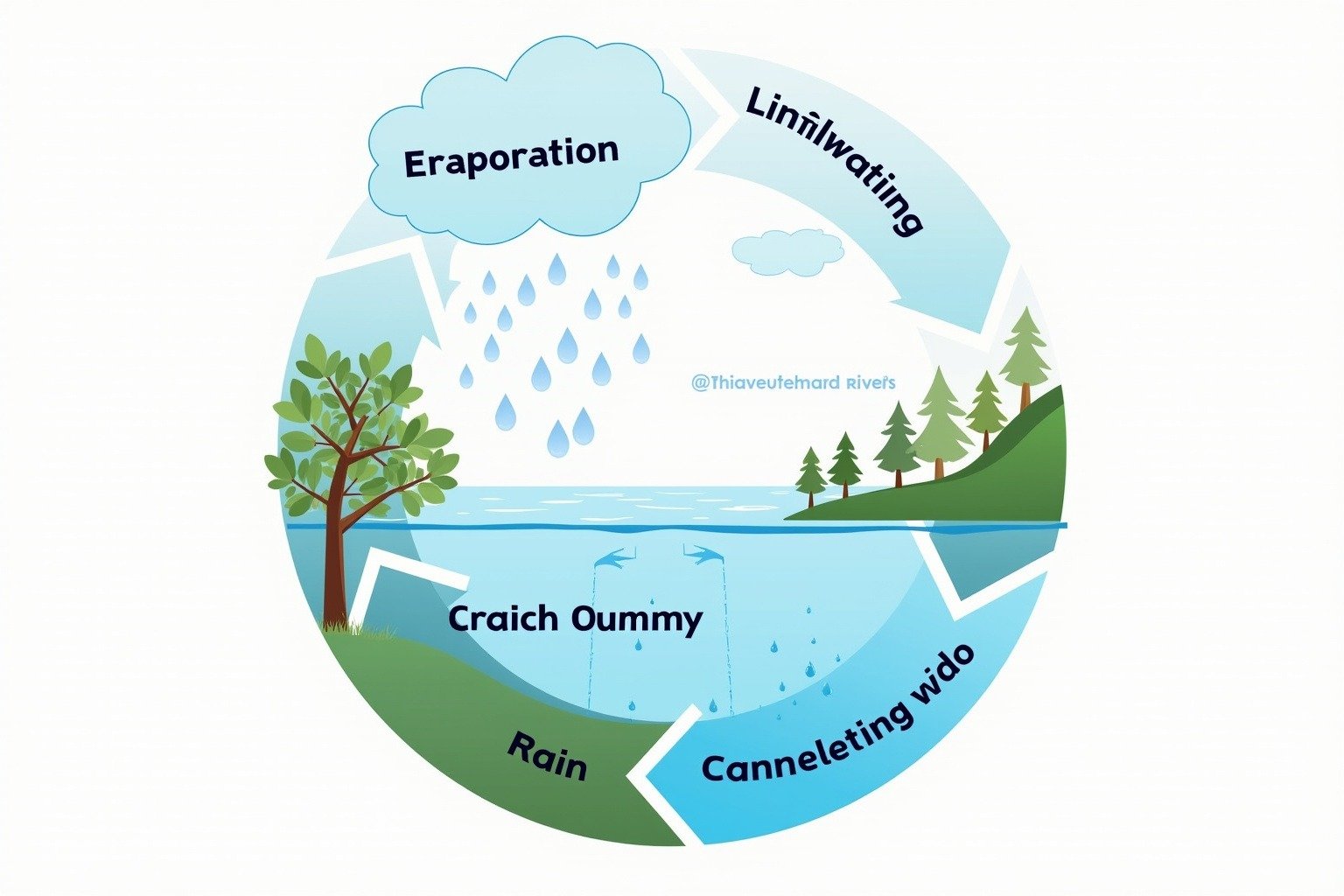
Every weather textbook starts with the same three words: evaporation condensation precipitation. These three processes form the heart of the cycle. A fourth stage, collection, completes the journey. Together these stages of the water cycle transfer moisture from oceans to atmosphere to land and back again.
Step 1: Evaporation. The sun heats water in oceans, lakes and rivers, turning it from liquid into invisible vapor that rises into the air. Plants contribute through transpiration, releasing water from leaves into the atmosphere. On a hot summer day, a single large tree can release hundreds of liters this way.
Step 2: Condensation. As water vapor rises, it cools. The vapor turns back into tiny liquid droplets that cluster around microscopic particles of dust, salt, or smoke. These clusters become clouds. The same physics is at work when water beads appear on a cold glass on a humid afternoon.
Step 3: Precipitation. When cloud droplets grow heavy enough, gravity pulls them down as rain or snow. The form depends on temperature. Warm air near the ground produces rain. Freezing conditions crystallize the droplets into snowflakes.
Step 4: Collection. Once water reaches the ground, it follows several paths. Some soaks into soil and trickles downward to recharge underground aquifers. Some flows across the surface into streams and rivers. Some gets taken up by plant roots and released again through transpiration. All of it eventually rejoins the oceans.
How It Affects People
This cycle shapes daily life in ways most people never stop to notice. It determines whether crops grow, whether taps run, and whether communities stay dry.
Farming and food. Nearly all agriculture depends on rain falling at the right time and in the right amount. When the cycle delivers too little, crops fail and food prices climb. Droughts that stretch across entire growing seasons can push communities into crisis.
Drinking water and cities. The collection stage fills the reservoirs and underground aquifers that supply tap water to billions of people. Cities from Los Angeles to Cape Town have learned what happens when the cycle shifts and those sources run low. Water rationing and public health warnings follow quickly.
Floods and extreme weather. When the atmosphere warms, it holds more water vapor. That means heavier downpours when storms break. Communities near rivers or on coastal plains face growing flood risk as precipitation patterns intensify. Insurance losses have been climbing for two decades.
Health and disease. Standing water after heavy rain breeds mosquitoes that carry malaria and dengue, along with other waterborne illnesses. Shrinking supplies also concentrate contaminants, forcing people toward unsafe sources.
Why It Matters Now
A warmer planet accelerates every stage of the cycle. Higher temperatures pull more moisture into the air. That moisture fuels heavier storms and longer dry spells between them. Climate change has already rewritten long-standing weather patterns that communities relied on for generations.
The connection between forests and rainfall is particularly urgent. Large forests pump enormous volumes of water into the atmosphere through transpiration, seeding clouds that travel hundreds of miles. When forests are cleared, rainfall patterns downwind can collapse, turning farmland into dust.
Scientists now track these shifts with satellite data, ocean buoys, and climate models that were unthinkable a generation ago. The picture is clear: the cycle is speeding up, and the consequences touch every corner of the planet.
What We Can Learn
This process is humbling in its scale and its patience. It has absorbed volcanic eruptions and ice ages. It has weathered mass extinctions. Then it kept right on turning. That resilience has limits, though. Push the cycle too far, too fast, and the systems people depend on begin to break.
What changes is not the amount of water on Earth. What changes is where it goes, when it arrives, and whether it stays long enough to be useful. Understanding the stages of the water cycle is not just a science lesson. It is the starting point for every serious conversation about water security, food production, and climate adaptation.
The next time rain taps against a window or a creek runs high after a storm, the whole cycle is on display. It has been working since before there were eyes to see it. The only question is what kind of planet we leave for it to work on.
“The water you drank this morning once fell as rain on a dinosaur, drifted as fog through a redwood forest, and sat frozen in a glacier for ten thousand years. The water cycle is the closest thing Earth has to a time machine.”