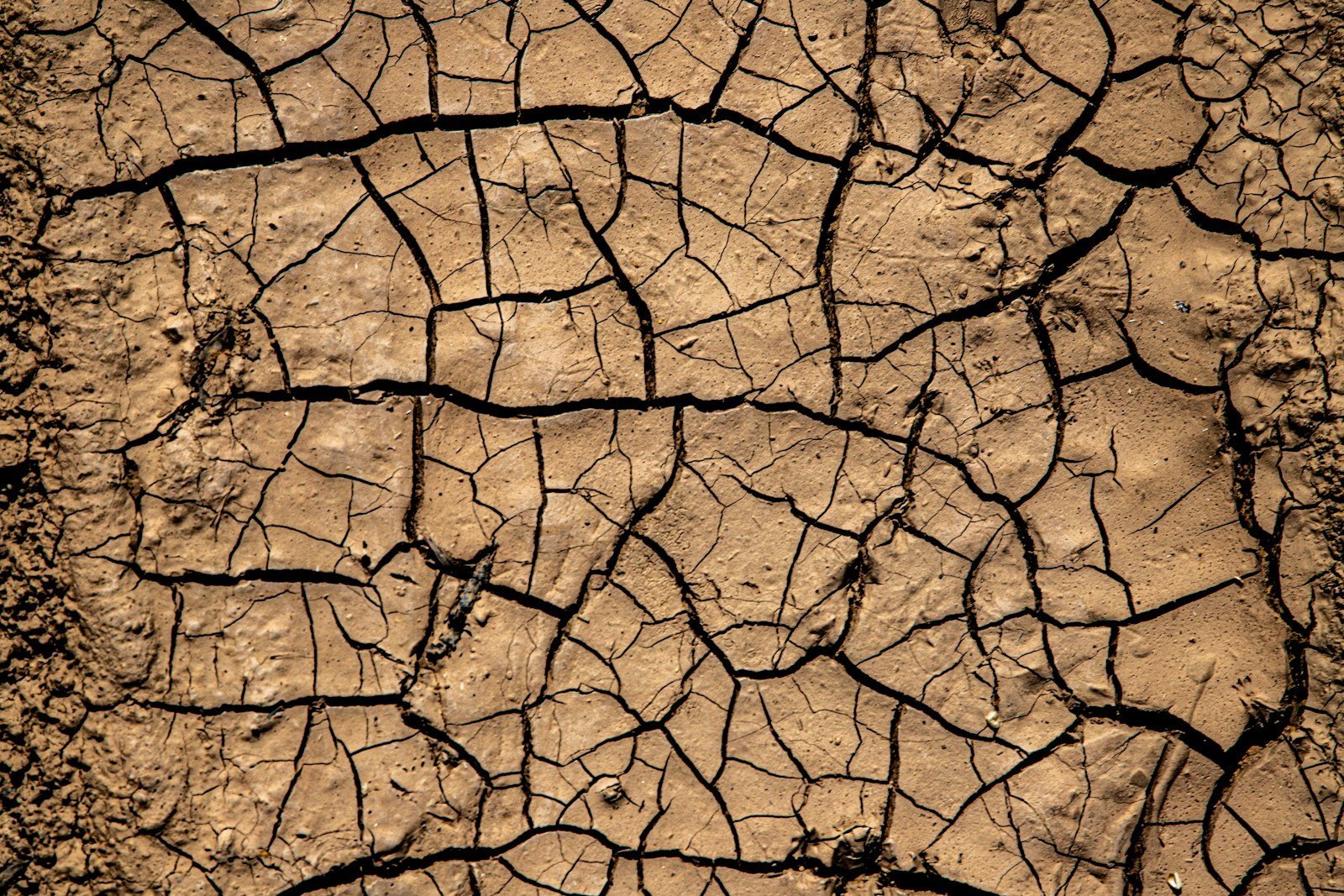
A farmer in Kansas watches the soil crack beneath his boots. A reservoir in Spain reveals the ghost of a village submerged for decades. A wildfire in California finds kindling where a forest used to be.
Drought is not just the absence of rain. It is a slow-motion disaster whose effects ripple through food systems, water supplies, economies, and ecosystems for years after the clouds return.
Drought is a long stretch of unusually dry weather that causes water shortages. It builds slowly, driven by stuck weather patterns and made worse by climate change, and it affects everything from food prices to wildfire risk.
How Droughts Happen: What a Drought Actually Is
A drought is a period of abnormally dry weather that lasts long enough to cause a serious water shortage. Unlike a hurricane or a tornado, a drought does not arrive with a bang. It accumulates. Understanding how droughts happen means recognizing that they build over time, and by the time anyone sounds the alarm, the ground is already cracking.
Meteorologists define drought not by a single number but by how far conditions have drifted from normal. If a region typically gets 4 inches of rain in July and receives half an inch, that is a drought in progress. The same half-inch in a desert might be a wet month. Drought is always relative to what a place expects.
The US Drought Monitor, a joint project of NOAA, the USDA, and the National Drought Mitigation Center at the University of Nebraska-Lincoln, releases a weekly map that classifies conditions into five levels: D0 (abnormally dry) through D4 (exceptional drought). The map is not just a weather report. It triggers federal aid, insurance payouts, and water restrictions across the country.
The Main Drought Causes: Why the Rain Stops
Droughts are driven by the same engine that runs all weather: the movement of heat and moisture through the atmosphere. When that engine stalls in a particular pattern, drought sets in.
The most common drought cause is a persistent high-pressure system. High pressure suppresses cloud formation by pushing air downward. As the air sinks, it warms and dries. Any moisture that would have become rain evaporates before it can condense. If that high-pressure ridge stays parked over a region for weeks or months, the ground bakes and the rain stays away.
Ocean temperature patterns play a major role too. La Nina conditions, characterized by cooler-than-average surface waters in the equatorial Pacific, tend to shift storm tracks northward, leaving the southern and central United States drier than normal. The opposite pattern, El Nino, can bring drought to Australia, Indonesia, and parts of South America while flooding elsewhere. How droughts happen often traces back to an ocean anomaly thousands of miles away. El Nino events are one of the strongest predictors of global drought patterns.
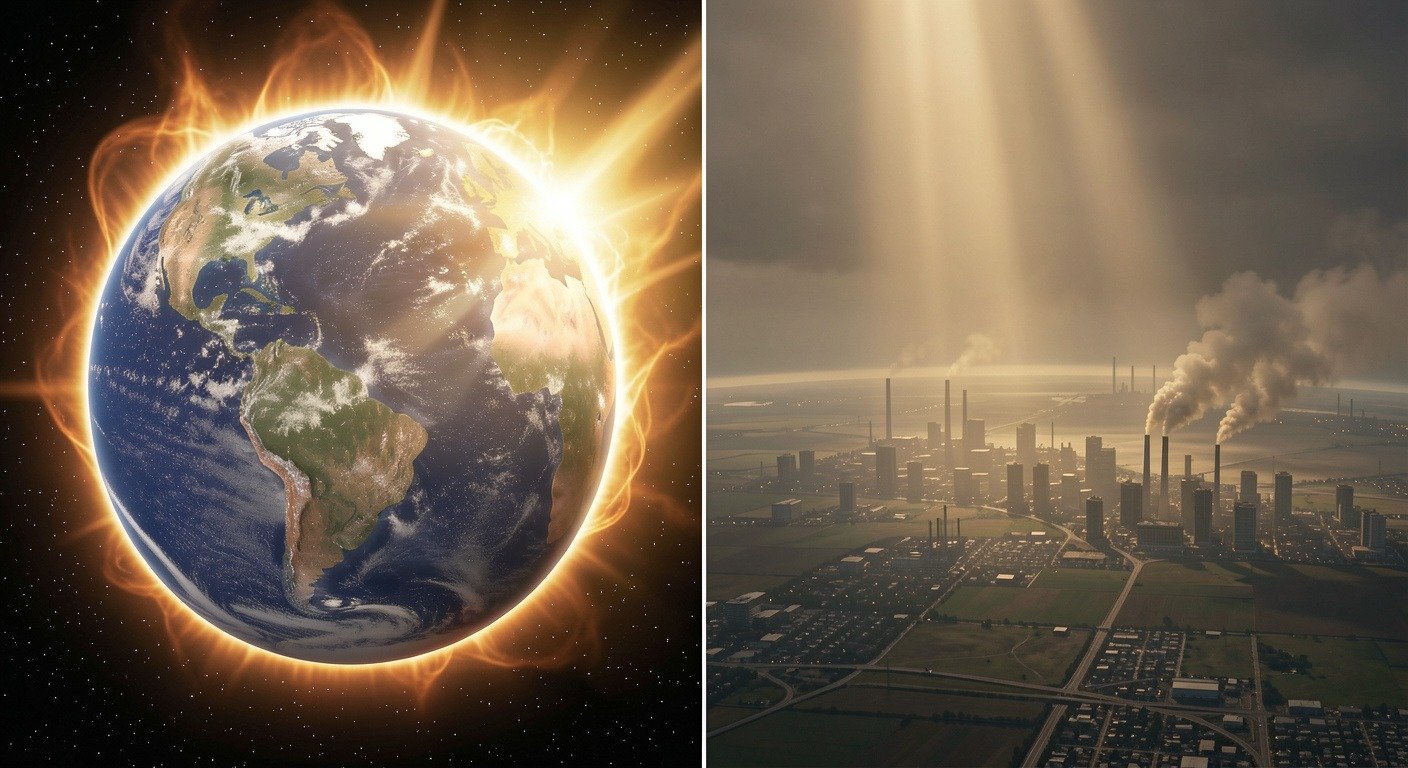
Climate change amplifies both ends of the water cycle. Warmer air holds more moisture, so wet places get wetter and dry places get drier. But the drying effect is stronger because higher temperatures increase evaporation from soil, lakes, and reservoirs. A region that once received enough rain to stay balanced can tip into deficit simply because heat pulls water out faster than the sky puts it back. This is the core of drought and climate change as a connected threat.
The Drought Effects: How It Affects People
Drought touches nearly every part of human life. This drought science explained in human terms shows why a dry spell is never just about the weather. The UNDRR estimates that drought affected at least 1.5 billion people and cost 125 billion dollars globally in the decade leading up to 2017. That number has risen as warming has intensified.
Food and Agriculture. This is where drought effects hit first and hardest. The USDA tracks what percentage of US cropland is under drought conditions each week. When water runs short, crops fail. In 2025, a Nature study projected that drought-driven crop losses could threaten food security for dozens of countries by 2050. Livestock ranchers are forced to sell herds early because grass stops growing. Prices rise at the grocery store, and the effects are felt globally because grain markets are connected across continents.
Water Supply. Reservoirs drop. Groundwater wells run dry. Cities impose water restrictions. In extreme cases, taps stop flowing entirely. The water that remains is often of lower quality because pollutants become more concentrated as volume shrinks.
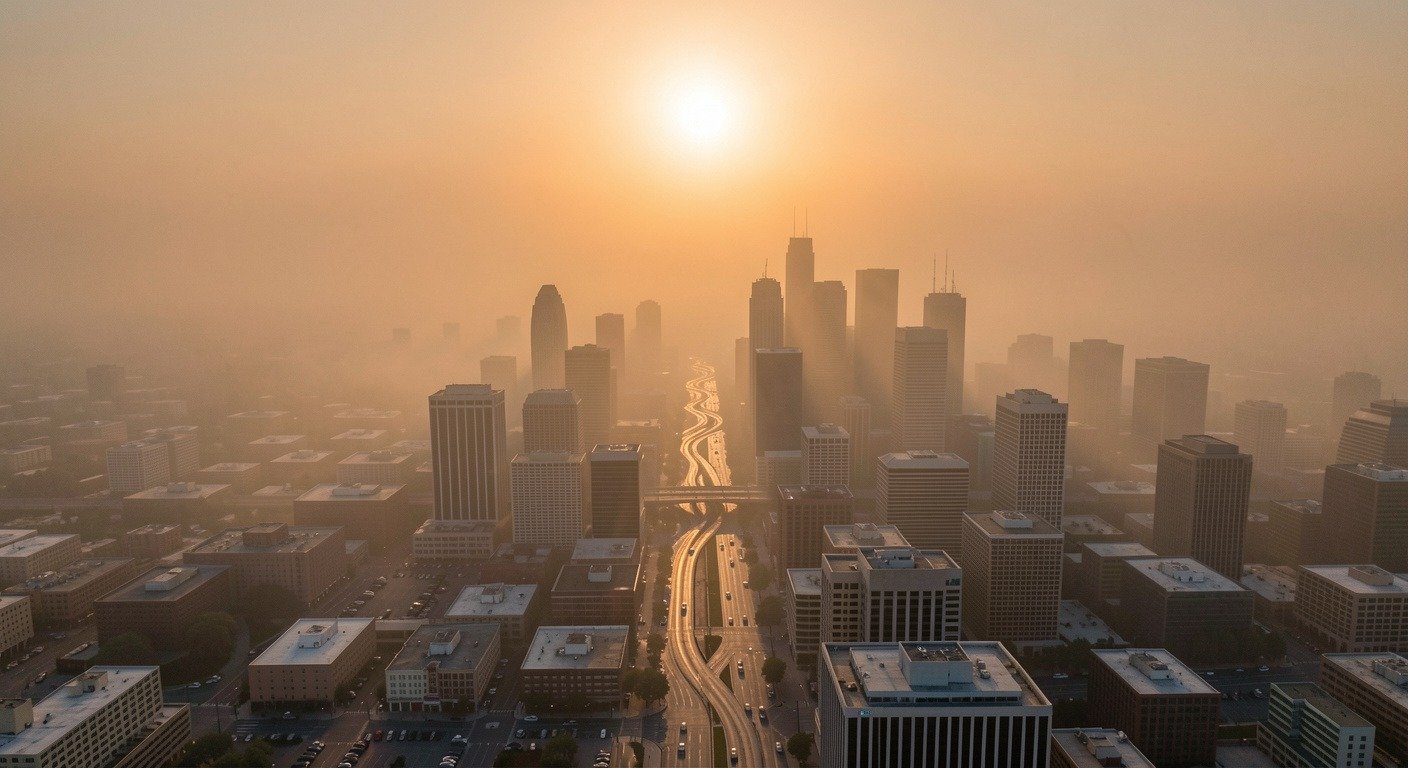
Wildfire. Drought turns forests and grasslands into kindling. Dead and dry vegetation becomes fuel. The Western United States has seen The Western United States has seen fire seasons start earlier and burn longer as drought conditions have deepened, a pattern heat domes make worse by pulling even more moisture from the landscape. The connection is direct: beaver wetlands keep water in the landscape, but less water in the ground means more fire in the trees. beaver firebreaks=”https://natureweatherhub.com/beavers-fighting-wildfires-drought/”>beaver firebreaks are a natural solution.
Economy and Infrastructure. Drought damages go beyond farms. River levels drop, slowing or stopping barge traffic on major shipping routes. Hydropower generation falls when reservoir levels decline. Tourism suffers when lakes shrink and landscapes brown. Insurance claims rise. Government disaster declarations trigger emergency spending.
Health. Dust storms from dry soil worsen respiratory conditions. Heat waves compound drought stress, particularly for outdoor workers, the elderly, and communities without air conditioning. Mental health strain builds in farming communities watching their livelihoods wither.
The Main Types of Drought: Why Scientists Use Four Categories
Scientists recognize four types of drought, and they unfold like dominoes. Meteorological drought is the first: a stretch of below-normal precipitation. If it persists, agricultural drought follows, when soil moisture drops enough to stress crops. Hydrological drought comes next, appearing as low streamflow, dropping reservoir levels, and shrinking groundwater. Finally, socioeconomic drought occurs when the water shortage begins to affect people directly: higher food prices, water rationing, lost jobs. Each type is a stage of the same unfolding crisis.
Why It Matters Now
Drought is not becoming less common. It is becoming more frequent, more intense, and more expensive. The US Drought Monitor currently shows persistent dry conditions across multiple regions as of July 2026. A warmer atmosphere means the droughts that do arrive last longer and bite harder.
What makes drought different from other natural disasters is its quiet accumulation. A flood is over in days. An earthquake lasts seconds. But drought can settle in for months or years, and its worst effects often arrive long after the first dry spell. When rain finally returns, recovery is not immediate. Soil structure takes seasons to rebuild. Aquifers take years, sometimes decades, to recharge. The economic damage can outlast the weather that caused it.
What We Can Learn
The most important lesson about drought is that it rewards preparation. Communities that invest in water storage, drought-resistant crops, efficient irrigation, and early warning systems fare far better than those that react after the reservoirs are already low.
On an individual level, water conservation during wet years creates a buffer for dry ones. Understanding your local water source, whether a reservoir, an aquifer, or a river, connects daily choices like running the tap to the larger systems they depend on.
Drought is not something that happens somewhere else. In a warming world, it is something every region needs to understand.