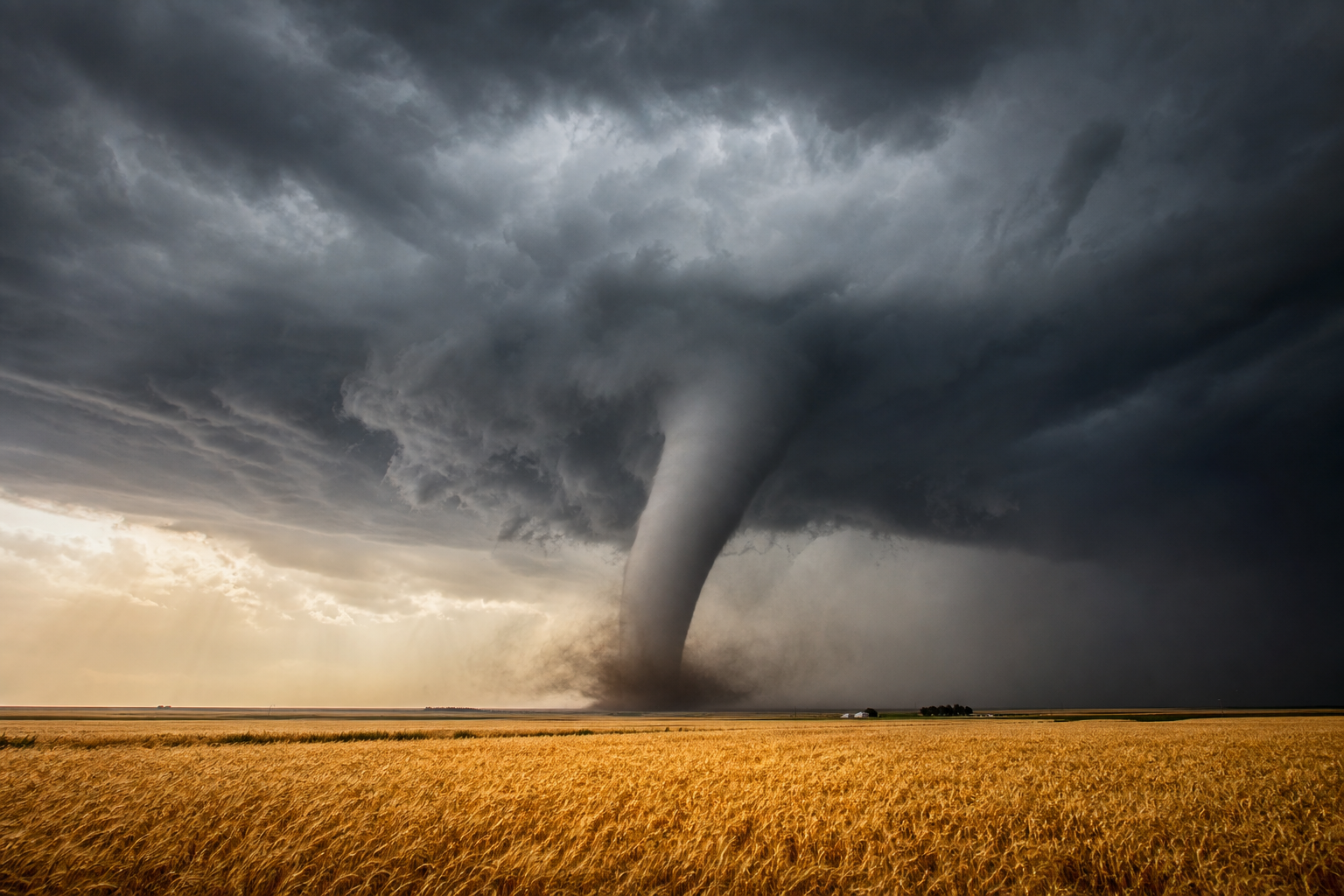
A phone vibrates on a kitchen counter. Outside, the sky has turned the color of bruised steel. When a tornado warning arrives, knowing how tornadoes work can turn a few minutes of confusion into a clear safety decision. Tornadoes are rotating columns of air that can level buildings, toss vehicles, and reshape landscapes in minutes, but the science behind them is easier to follow than the damage they leave behind.
How Tornadoes Work: From Warm Air to a Funnel
Four ingredients are needed:
- Warm, moist air near the ground. This is the fuel. Think Gulf of Mexico air streaming north into the American plains.
- Cold, dry air above. This creates instability: warm air wants to rise, cold air wants to sink.
- Wind shear. Wind that changes speed and direction with height creates horizontal spinning tubes of air.
- A lifting mechanism. Usually a cold front or thunderstorm that forces warm air upward.
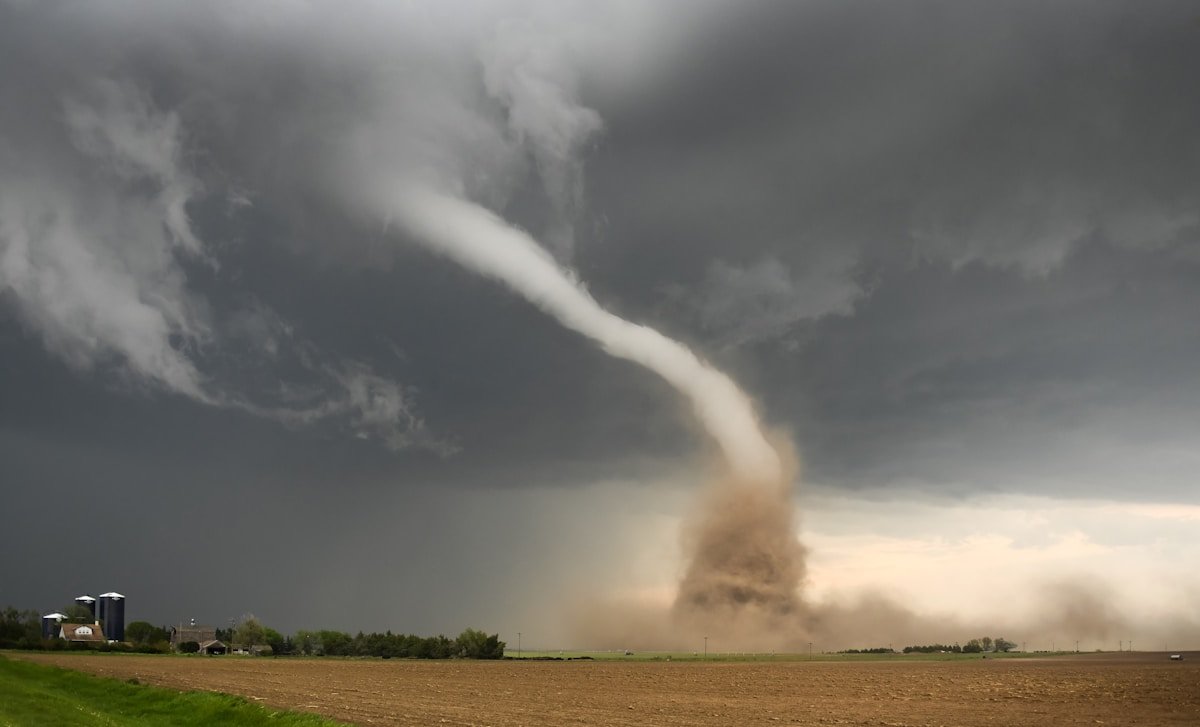
When these four come together: warm air rises rapidly forming a thunderstorm, horizontal spinning air gets tilted vertical by the storm’s updraft, the spinning column (called a mesocyclone) tightens and accelerates like a figure skater pulling in their arms, and a funnel cloud extends downward. When it touches the ground, it is officially a tornado. For a deeper breakdown, see our step-by-step guide on how tornadoes form.
Where and When Tornadoes Happen
Tornado Alley (Texas, Oklahoma, Kansas, Nebraska) is the most active region, but the Southeast has seen increasing tornado activity in recent years, a shift known as Tornado Alley migration. Tornado season peaks from April to June, but they can happen any month. Outside the US, tornadoes occur in Canada, Argentina, Bangladesh, and parts of Europe. When a tornado forms over water, it is called a waterspout — a dark column that stunned one Key West captain in July 2026.
“Tornado warnings often give only 10-15 minutes of lead time. That is not much, but it is enough if you have a plan and act immediately.”
NOAA National Weather Service
Tornado Safety: Watch vs. Warning
| Alert | Meaning | Action |
|---|---|---|
| Tornado Watch | Conditions are favorable | Stay alert, review your plan |
| Tornado Warning | Tornado spotted or on radar | Take cover NOW |
What to Do When a Tornado Warning Hits
If you are in a building:
- Go to the lowest floor. A basement is best.
- Get to an interior room with no windows: a closet, bathroom, or hallway.
- Put as many walls between you and the outside as possible.
- Crouch low, cover your head and neck with a mattress, heavy blanket, or helmet.
- Do NOT open windows. It is a myth that this equalizes pressure, it wastes time and lets debris in.
If you are in a car:
- Do NOT try to outrun a tornado. They can change direction and speed unpredictably.
- If you can safely drive to a sturdy shelter, do so.
- If not, abandon the vehicle and lie flat in a low ditch or depression, covering your head. Vehicles are death traps in tornadoes.
If you are outside:
- Get inside a sturdy building if possible.
- If no shelter is available, lie flat in a low area, cover your head, and watch for flying debris.
- Stay away from bridges and overpasses, they offer no protection and can act as wind tunnels.
Know Before You Go
- Have multiple ways to receive warnings. A NOAA weather radio with battery backup, phone alerts with emergency notifications enabled, and a trusted weather app.
- Know your safe place ahead of time. Identify it before a watch is issued. Practice getting there with your family.
- Do not rely on outdoor sirens. They are designed to warn people outside, not to wake you indoors.
For more on the shifting tornado patterns, read our coverage of Illinois’ record 140 tornadoes in 2026 and the June 2026 storm outbreak.
Written by NatureWeatherHub, your simple guide to weather, nature, and the planet.
Sources: NWS Tornado Safety; NOAA Storm Prediction Center; Ready.gov Tornado Preparedness.