
The 2026 Atlantic hurricane season forecast from NOAA calls for below-normal activity, with 8 to 13 named storms expected across the Atlantic basin. But as history has shown repeatedly, a quiet forecast does not mean zero risk. One storm hitting the wrong place is all it takes.
On May 21, 2026, NOAA released its official Atlantic hurricane season outlook from the agency’s Aircraft Operations Center in Lakeland, Florida. NOAA is forecasting 8 to 13 named storms, of which 4 to 7 could become hurricanes, and 1 to 3 could reach major hurricane status, Category 3 or higher with winds exceeding 111 mph. For comparison, an average Atlantic season produces 14 named storms, 7 hurricanes, and 3 major hurricanes.
2026 Hurricane Season: Forecast vs Average
| Category | NOAA 2026 | Average |
|---|---|---|
| Named Storms | 8–13 | 14 |
| Hurricanes | 4–7 | 7 |
| Major Hurricanes | 1–3 | 3 |
Why the 2026 Atlantic Hurricane Season Forecast Is Below Normal
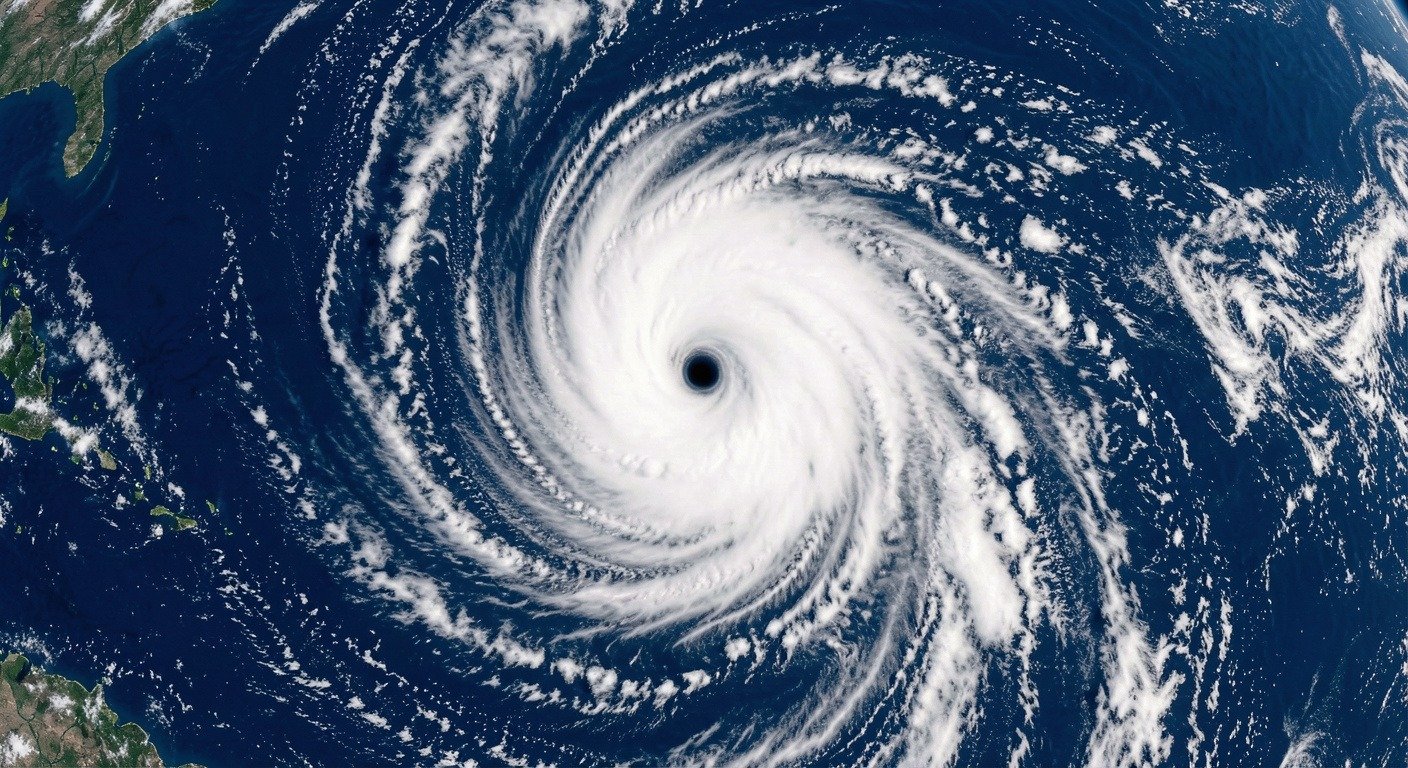
The forecast hinges on two competing forces. First, El Nino has officially arrived in the tropical Pacific. El Nino tends to increase wind shear over the Atlantic basin: stronger upper-level winds that can tear apart developing storms before they organize. Historically, El Nino seasons average fewer Atlantic hurricanes.
Second, sea surface temperatures in the tropical Atlantic are running slightly cooler than the hyperactive years of the early 2020s. Hurricanes feed on warm ocean water. Cooler water means less fuel. Together, El Nino shear and a cooler Atlantic create an environment that suppresses storm formation.
“It only takes one storm to make for a very bad season.”
Ken Graham, NOAA National Weather Service Director
What This Means for Coastal Communities
A below-normal forecast sounds like good news, and in many ways it is. Fewer storms mean lower odds of a devastating landfall. But in 1992, the Atlantic season was below-average until Hurricane Andrew, a compact Category 5, slammed into South Florida and became the costliest hurricane in U.S. history at the time. More recently, Hurricane Ian caused over $113 billion in damage across Florida during the near-average 2022 season.
The message from NOAA and emergency managers is consistent: prepare the same way you would for any season. Review your evacuation route and stock supplies for at least three days. Check your insurance coverage too. The seasonal outlook tells you about broad patterns. It does not tell you whether a storm will find your street.
The Bottom Line
The 2026 Atlantic hurricane season is forecast to be quieter than recent years. El Nino wind shear and cooler ocean temperatures are working in our favor. But remember Hurricane Andrew in an otherwise-quiet 1992: preparedness remains the difference between a close call and a crisis. The season runs from June 1 through November 30, and our hurricane tracking guide explains how to follow storms as they develop. Stay informed and keep a plan ready. Do not let a below-normal forecast lower your guard.
Sources: NOAA 2026 Atlantic hurricane season outlook, NOAA National Hurricane Center.