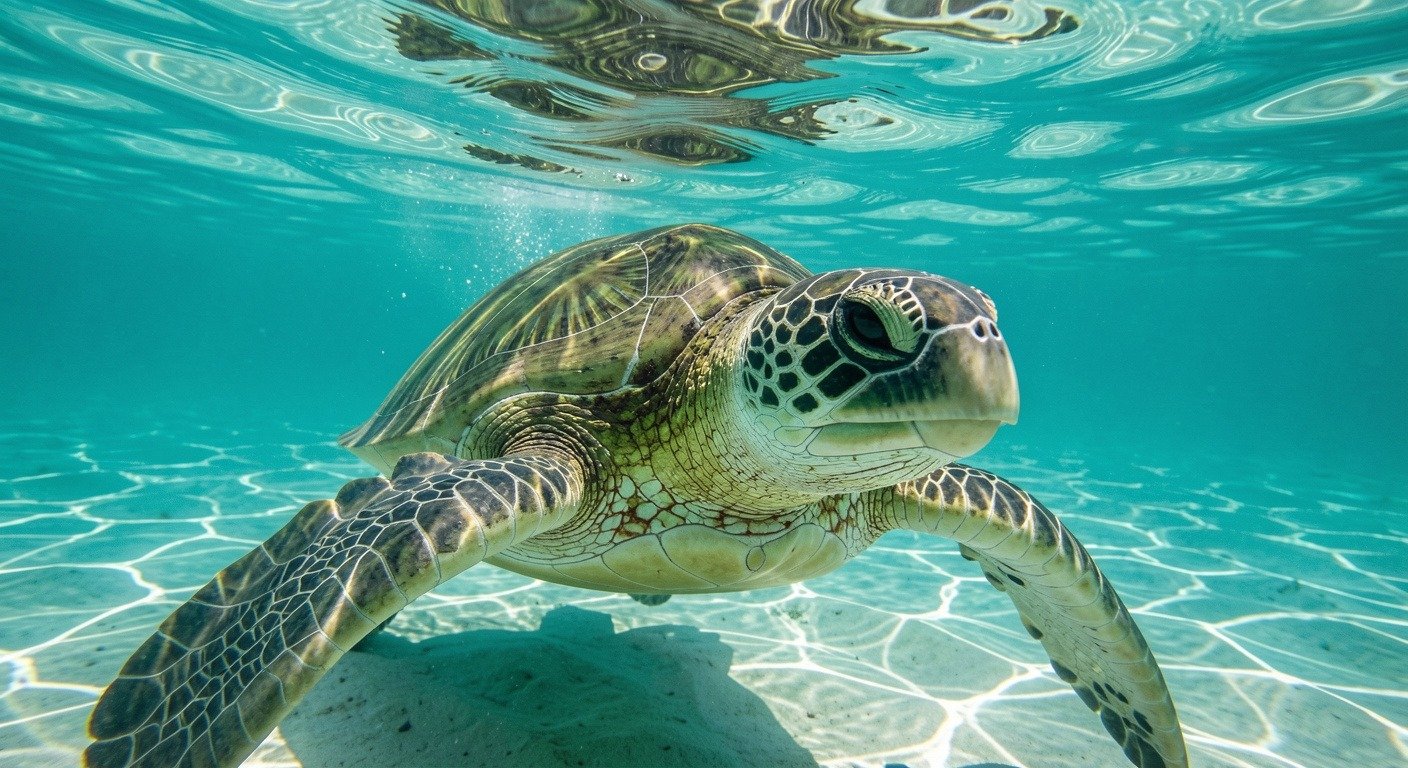
The last time sea turtles were thriving in the Caribbean, their numbers were so vast that sailors complained the animals kept them awake at night, knocking against wooden hulls. Then came centuries of hunting that wiped out 95 percent of them. Now, in a rare bright spot for global sea turtle conservation, these ancient ocean travelers are making a comeback that scientists are calling one of the greatest success stories in marine history.
In Simple Terms
A major global review of sea turtle populations published in Nature Reviews Biodiversity found that most of the world’s seven sea turtle species are now stable or increasing. Nesting protections, fishing regulations, and community-led conservation efforts have reversed decades of decline. Loggerhead nests in Cape Verde surged from 500 to 35,000 in just 12 years. Four of five green sea turtle populations are growing. The recovery proves that direct conservation action produces measurable results, and it arrives at a critical moment as climate change presents new challenges for these resilient animals.
What Is Happening: The Numbers Behind the Comeback
The global assessment, led by Distinguished Professor Graeme Hays of Deakin University in Australia alongside NOAA Fisheries researcher Jeffrey Seminoff, examined nearly 300 long-term records of sea turtle populations. The pattern was clear: where protections exist, turtles are returning.
The most dramatic example comes from Cape Verde in the North Atlantic, where annual loggerhead turtle nests surged from roughly 500 in 2008 to 35,000 by 2020. That is an increase of nearly 7,000 percent in just 12 years. Four of five regional populations of green sea turtles are now increasing worldwide. Olive ridley, hawksbill, Kemp’s ridley, and flatback turtles are also showing gains in most monitored populations.
Sea turtles are a shining light of marine conservation with recoveries of many nesting populations.
Graeme Hays, Distinguished Professor of Marine Science, Deakin University
Not every species is recovering. Pacific leatherback turtles, which make a grueling round-trip migration from Indonesia to feed along the North American Pacific Coast, continue to decline. Caribbean leatherbacks are also struggling. These giants, which can grow to the size of a small vehicle, face particular threats from fishing gear entanglement and the sheer distance of their migrations.
Why It Is Happening: The Simple Science of Recovery
Simple Explanation
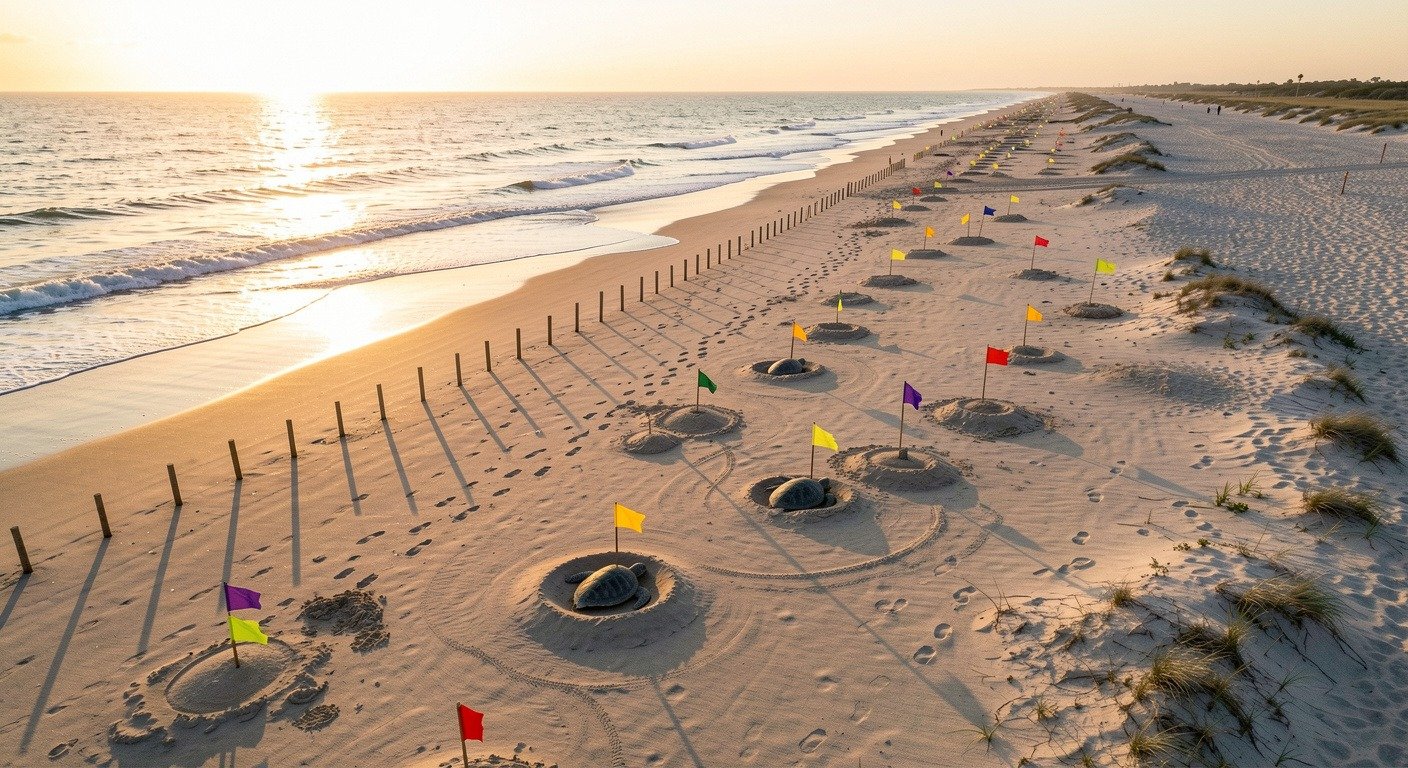
When humans stopped killing sea turtles and started protecting the beaches where they lay eggs, the turtles began to recover. It sounds almost too straightforward, but that is the core finding of the global review. The main threats, hunting, artificial lighting that disorients hatchlings, and accidental catch in fishing nets, were systematically reduced in many parts of the world.
Professional Term: Conservation-Driven Population Recovery
Marine biologists use this term to describe what happens when anthropogenic pressures, meaning human-caused threats, are removed from a species. Unlike many conservation challenges that require solving complex problems like climate change first, sea turtle recovery responds relatively quickly to direct protection measures. Protect the beach, and more hatchlings reach the ocean. Require turtle-excluder devices on fishing nets, and fewer adults drown. The mechanism is direct and measurable.
Real-World Example
On the beaches of Ostional, Costa Rica, thousands of olive ridley sea turtles now arrive simultaneously to nest in spectacular mass events called “arribadas.” Former poachers who once collected turtle eggs now work as guides, leading visitors to witness the nesting. The turtles became more valuable alive than dead. This economic shift, repeated in coastal communities from Cape Verde to the Galapagos, has been one of the quiet engines of the recovery.
Sea Turtle Comeback by the Numbers
| Species | Trend | Key Data Point |
|---|---|---|
| Green Turtle | Increasing | 4 of 5 regional populations growing |
| Loggerhead | Strongly Increasing | Cape Verde nests: 500 to 35,000 (2008-2020) |
| Olive Ridley | Increasing | Multiple arribada sites stable or growing |
| Hawksbill | Mostly Increasing | Limited data but positive in monitored sites |
| Kemp’s Ridley | Increasing | Recovery from near-extinction in 1980s |
| Flatback | Stable | Limited data, only found in Australia |
| Leatherback (Pacific) | Declining | Continuing long-term downward trend |
How It Affects People
Turtle recovery touches human communities in concrete ways that go well beyond wildlife enthusiasts.
Coastal Livelihoods
In regions like Costa Rica, the Galapagos, and parts of Southeast Asia, sea turtle ecotourism now supports thousands of families. When turtles thrive, tourism dollars flow. Economic assessments have found that sea turtle tourism generates more revenue per animal than consumption ever did.
Fisheries
Healthy sea turtle populations help maintain seagrass meadows and coral reefs, which are nursery grounds for commercially important fish species. Green turtles graze on seagrass, keeping it productive, much like bison maintain grasslands on land. A thriving ocean ecosystem supports the fishing communities that depend on it.
Cultural Identity
For many coastal and island communities, sea turtles are woven into cultural heritage. Their return reinforces a sense of place and stewardship. In Hawaii, the Hawaiian green sea turtle, or honu, is considered a symbol of wisdom and good luck. Its increasing presence on beaches is a point of community pride.
Why It Matters Now
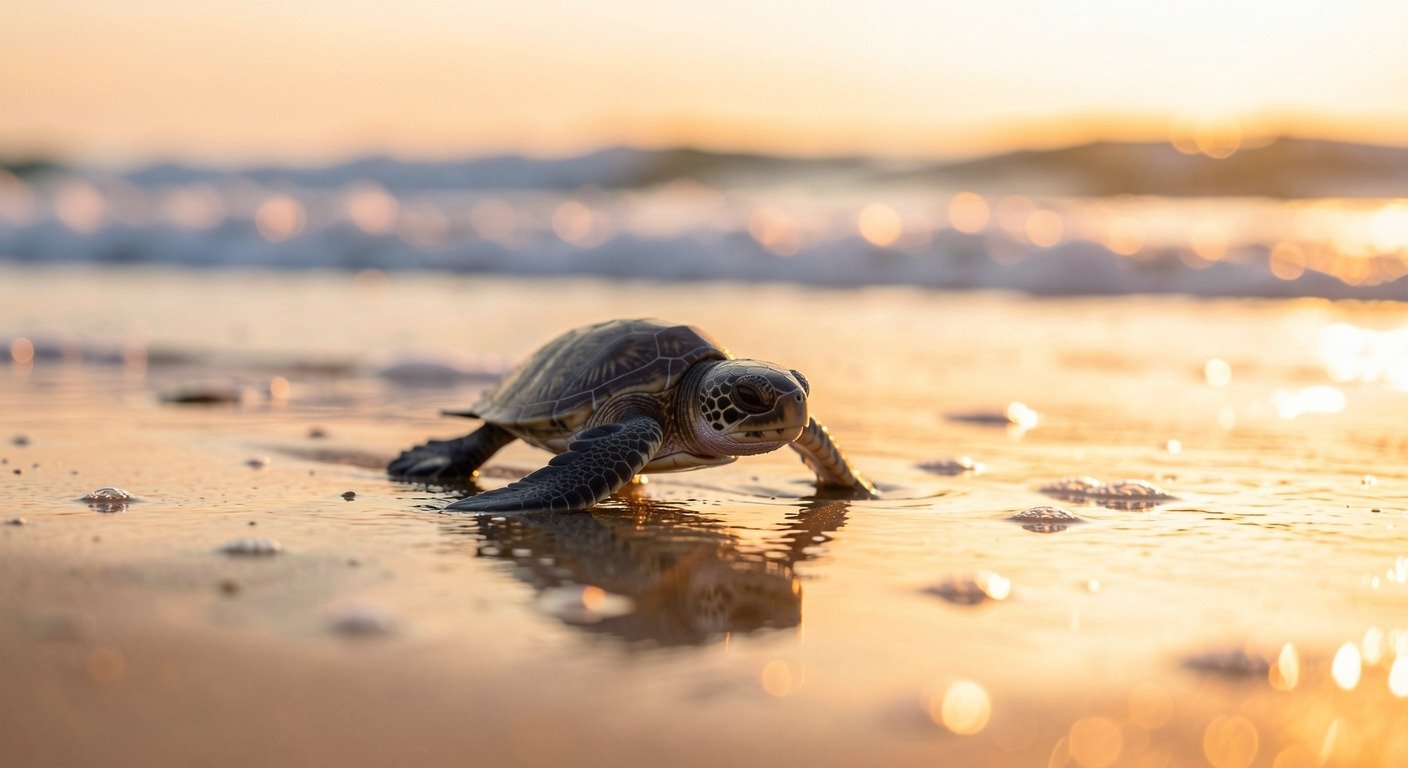
The turtle recovery arrives at a critical moment. The same review that documented the comeback also flagged the unpredictable effects of climate change on turtle populations. Warming beaches produce more female hatchlings, which could eventually skew reproduction. Rising seas threaten to swallow nesting habitat. Ocean acidification affects the shellfish and invertebrates that some turtle species eat.
Yet the researchers found reasons for cautious optimism. In the Mediterranean, loggerhead turtles are beginning to nest in cooler locations, which could help balance offspring sex ratios as temperatures rise. Turtles may also begin nesting earlier in the season before peak heat arrives. The lesson is not that climate change will spare sea turtles. It is that giving a species a strong population base, through direct protection, increases its odds of adapting to whatever comes next.
What We Can Learn
The sea turtle comeback is not magic. It is a replicable formula: reduce direct killing, protect critical habitat, involve local communities in the economic benefits, and sustain the effort over decades.
The same approach has worked for other species, from bald eagles in North America to green sea turtles in the Caribbean. What makes the turtle story distinctive is the scale. Seven species across every ocean basin, most trending upward at the same time.
Scientists outlined four priorities for the future: promote climate change resilience, reduce bycatch and hunting, better understand and reduce the impacts of plastics and pollution, and protect and restore foraging habitat such as seagrass meadows.
The bottom line is: when you stop hunting and otherwise harming species and they regain their ecological foothold, they can again become a thriving part of the marine ecosystem.
Jeffrey Seminoff, NOAA Fisheries Research Scientist
Professor Hays put it more simply: “Humankind can reverse declines in biodiversity. We know how.”