A sprawling June 2026 storm outbreak is putting more than 90 million Americans under severe weather alerts. From deadly tornadoes in the Midwest to flash floods in the Gulf Coast and a punishing heat wave on the West Coast, the nation is battling extreme weather on three fronts simultaneously. Here is what is happening, region by region, and how to stay safe as the system continues to move.
Illinois: A Deadly Tornado Outbreak
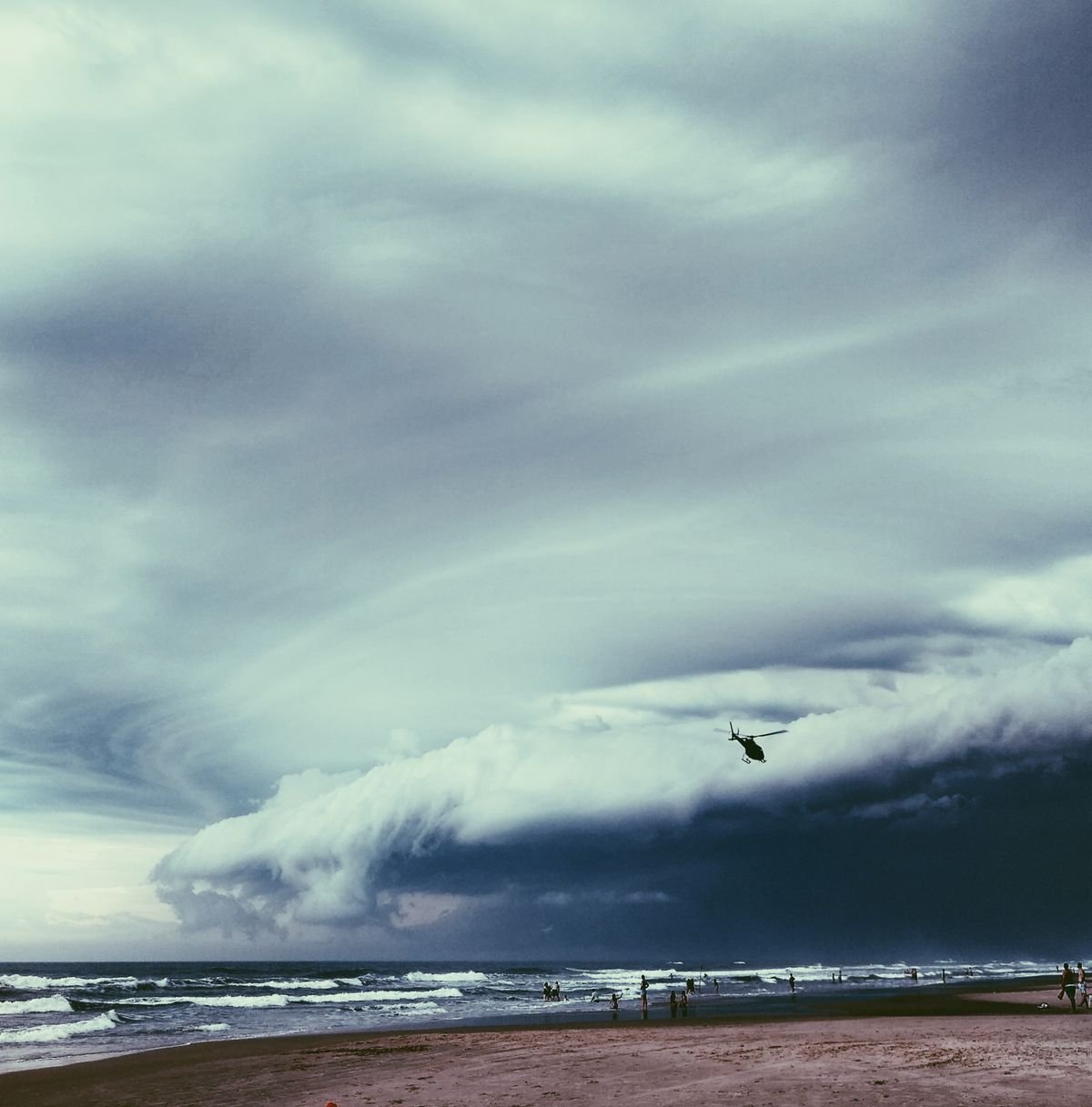
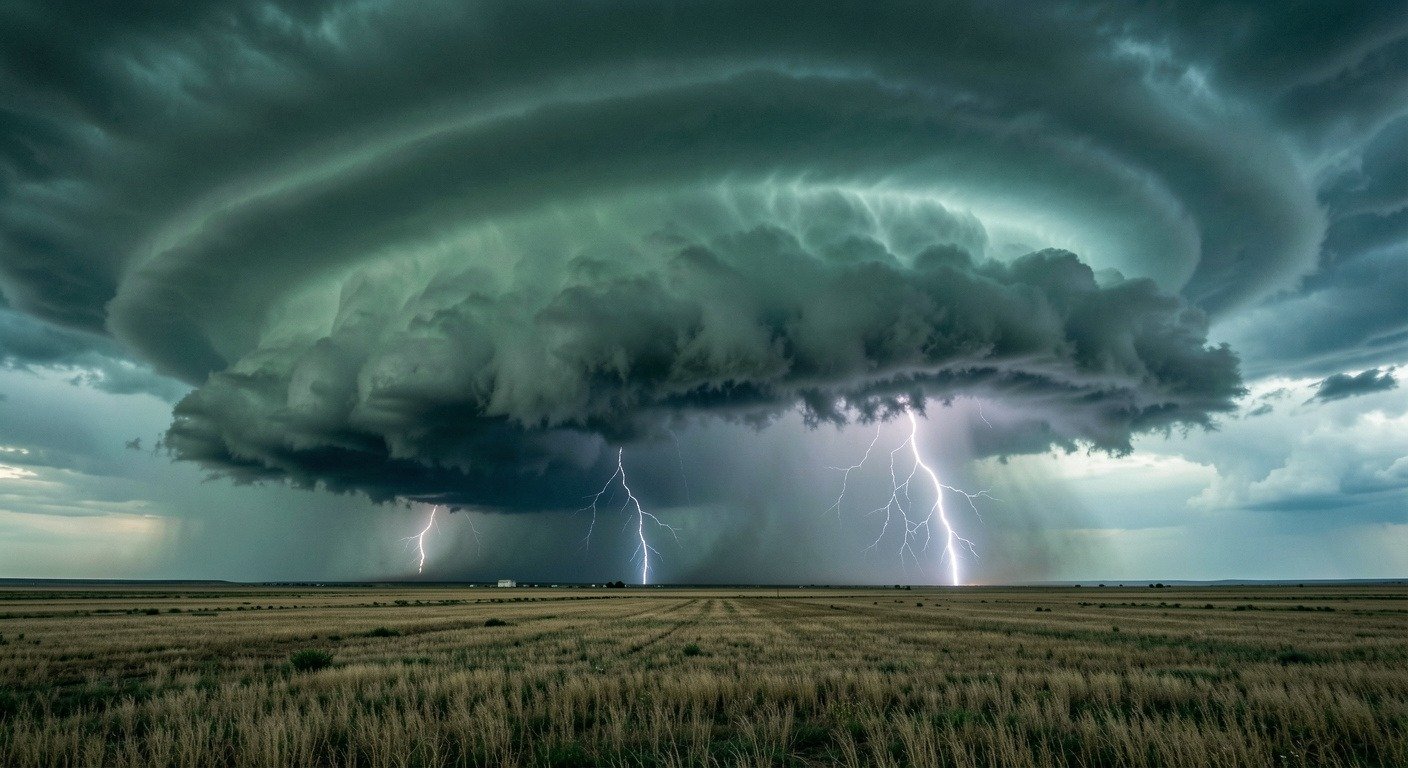
The storm system announced itself on June 11 with a violent tornado outbreak across northern and central Illinois. The National Weather Service in Chicago confirmed multiple strong to intense tornadoes, including one that struck the city of Streator, roughly 90 miles southwest of Chicago. Emergency crews spent hours assessing damage and conducting search operations. CNN reported multiple fatalities.
Illinois is no stranger to tornadoes. The state recorded 140 tornadoes in a single recent year, more than any other state. As we covered in our analysis of why Illinois leads in tornado counts, a combination of geography and atmospheric patterns makes the state a frequent target. This outbreak was a brutal reminder of that pattern.
“Multiple strong to intense tornadoes touched down across northern and central Illinois, producing significant structural damage and unfortunately, loss of life.”
National Weather Service Chicago
Texas and the Gulf Coast: Flash Floods Overwhelm Cities
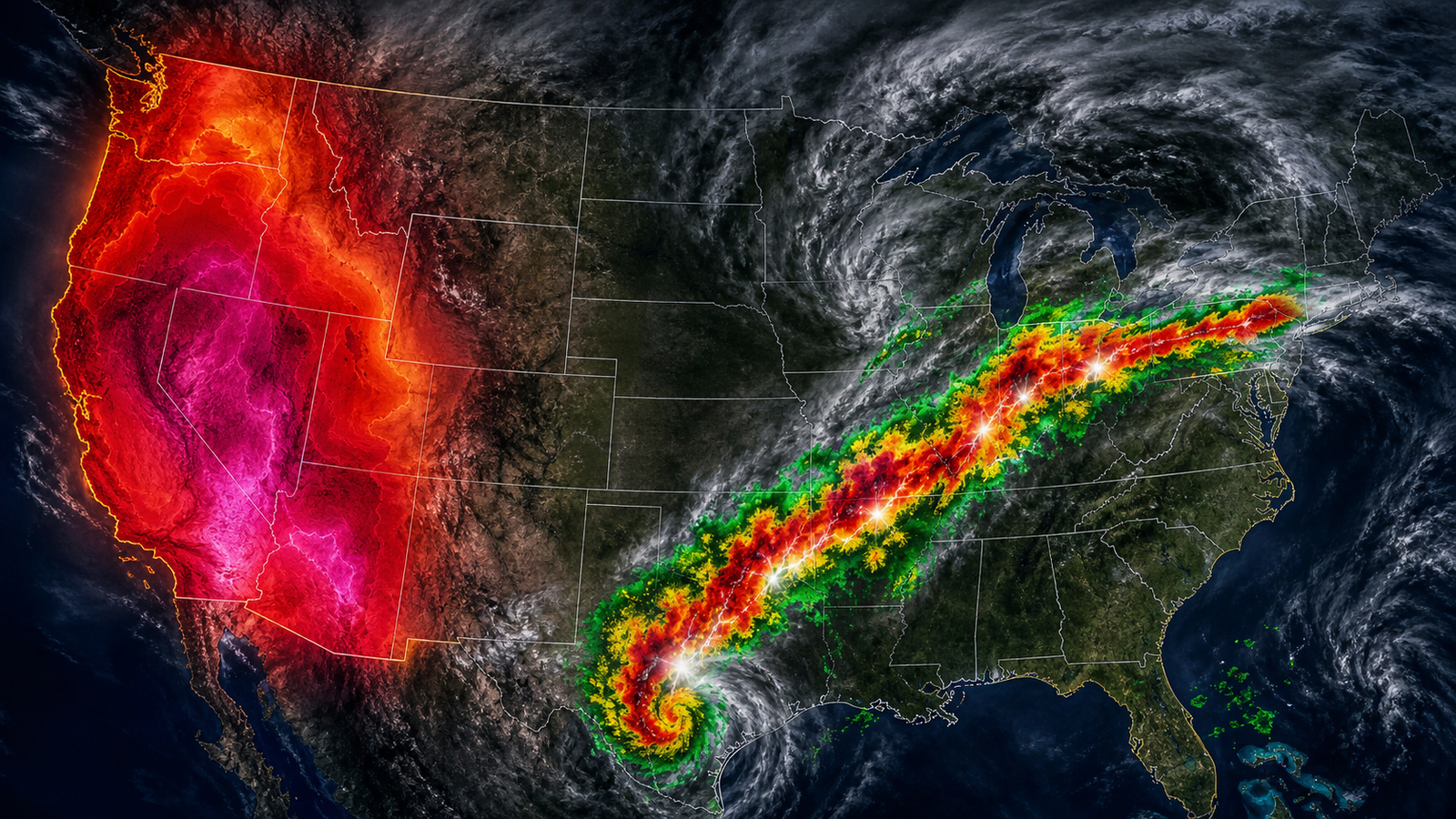
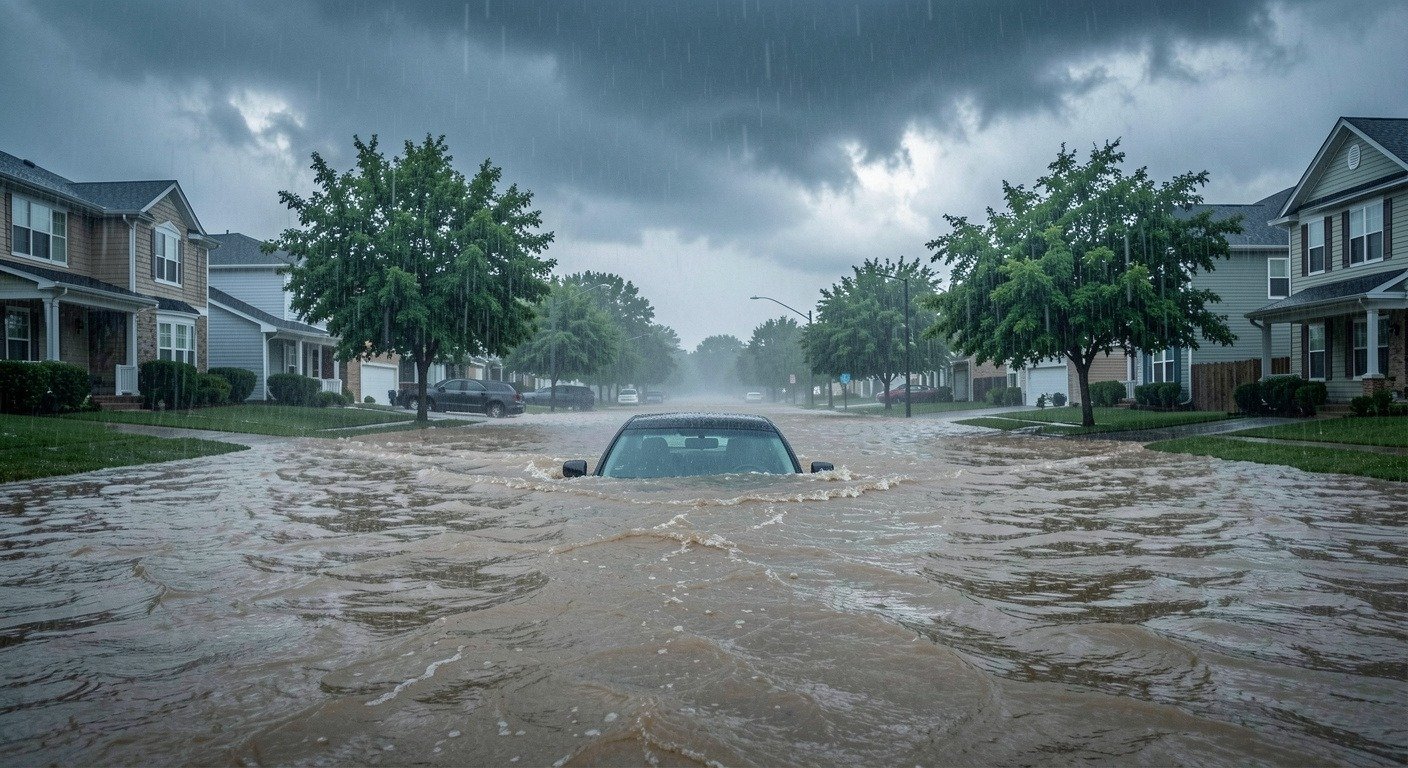
By June 15, the system had shifted south. Flood watches went into effect for about 20 million people stretching from central and southern Texas through Louisiana and into central Mississippi.
The rainfall rates were staggering. The National Weather Service reported rainfall intensities of 2 to 5 inches per hour in some areas. Total accumulations of 3 to 6 inches were expected across the region, with isolated pockets receiving more than 8 inches. Houston, already one of the most flood-vulnerable major cities in the country, faced particularly dangerous conditions.
The heavy rain was fueled by a tropical disturbance, essentially an early-stage, loosely organized cluster of thunderstorms drawing moisture from the Gulf of Mexico. Even an unorganized system can dump enormous amounts of water when it stalls over a region with warm, humid air to feed on.
Cities under flood watches on Monday included San Antonio, Austin, Corpus Christi, Houston, Galveston, and Beaumont in Texas; Lake Charles and Monroe in Louisiana; and Jackson, Mississippi. Forecasters warned that flood watches would likely be extended into Tuesday.
What is Coming Next: Midwest and Mid-Atlantic in the Crosshairs
The system is not finished. Forecast models show the severe threat shifting east through the middle of the week.
On Wednesday, June 17, an estimated 39 million people from eastern Kansas to central Ohio will be in the risk zone. The hazards include damaging straight-line winds, large hail, and the potential for additional tornadoes. Major cities in the path include Kansas City, St. Louis, Chicago, Indianapolis, and Columbus.
By Thursday, the threat moves to the Mid-Atlantic, with roughly 48 million people from eastern Kentucky to Long Island under risk, including Charleston, Richmond, Washington D.C., Baltimore, Philadelphia, and New York City.
Read our hurricane explainer to understand how tropical disturbances can evolve into more organized severe weather systems.
June 2026 Storm Outbreak by the Numbers
| Metric | Value |
|---|---|
| People under alerts | 90+ million |
| Flood watch population | ~20 million (TX-LA-MS) |
| Rainfall intensity | 2-5 inches per hour |
| Total accumulations | 3-8+ inches |
| Wed risk zone | 39 million (KS to OH) |
| Thu risk zone | 48 million (KY to NY) |
| West Coast temps | Mid-80s to 100+ degrees F |
Meanwhile, the West Coast Bakes
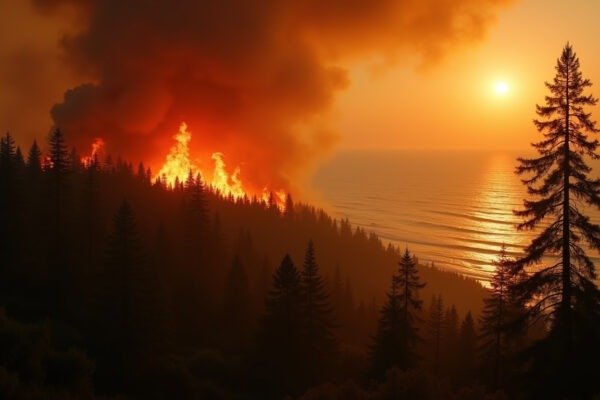
While the eastern half of the country deals with storms, the West Coast is facing the opposite problem. A heat dome is building from northern Washington down through California’s Central Valley, with temperatures ranging from the mid-80s to above 100 degrees F. A dozen daily temperature records could be challenged or broken, including in the Portland and Seattle metro areas, cities where air conditioning is far from universal.
Extreme heat is the deadliest weather phenomenon in the United States. It kills more people annually than hurricanes, tornadoes, and floods combined. Read our heat dome explainer to understand the science behind these events.
How to Stay Safe
If you are in the path of this storm system, here are the most important things to know.
Tornado Safety
- Get multiple warning sources. A NOAA weather radio, phone alerts, and local news. Do not rely on outdoor sirens alone, they are not designed to wake you indoors.
- Know your shelter before the warning. A basement or interior room on the lowest floor, away from windows. If you live in a mobile home, identify a nearby sturdy building or storm shelter now.
- Protect your head. Wear a bike or sports helmet. Cover yourself with a mattress or heavy blankets if possible.
Flash Flood Safety
- Never drive through flooded roads. Just 12 inches of moving water can sweep away a car. Most flood deaths occur in vehicles.
- Turn around, do not drown. Water depth is deceptive. The road may be washed out beneath.
- Move to higher ground early. Do not wait until water is rising around your home. Flash floods can develop in minutes.
Extreme Heat Safety
- Stay hydrated and cool. Drink water regularly, limit outdoor activity during peak afternoon hours, and seek air-conditioned spaces.
- Check on vulnerable neighbors. Elderly people are at the highest risk during heat waves.
- Know the warning signs. Heat exhaustion: heavy sweating, weakness, dizziness, nausea. Heat stroke: hot dry skin, confusion, loss of consciousness. Call 911 immediately for heat stroke.
For official updates, monitor the National Weather Service at weather.gov and your local emergency management office. The NOAA Storm Prediction Center at spc.noaa.gov provides severe weather outlooks updated multiple times per day. Check our drought coverage for context on how the heat wave fits into broader climate patterns affecting the continental US this summer.