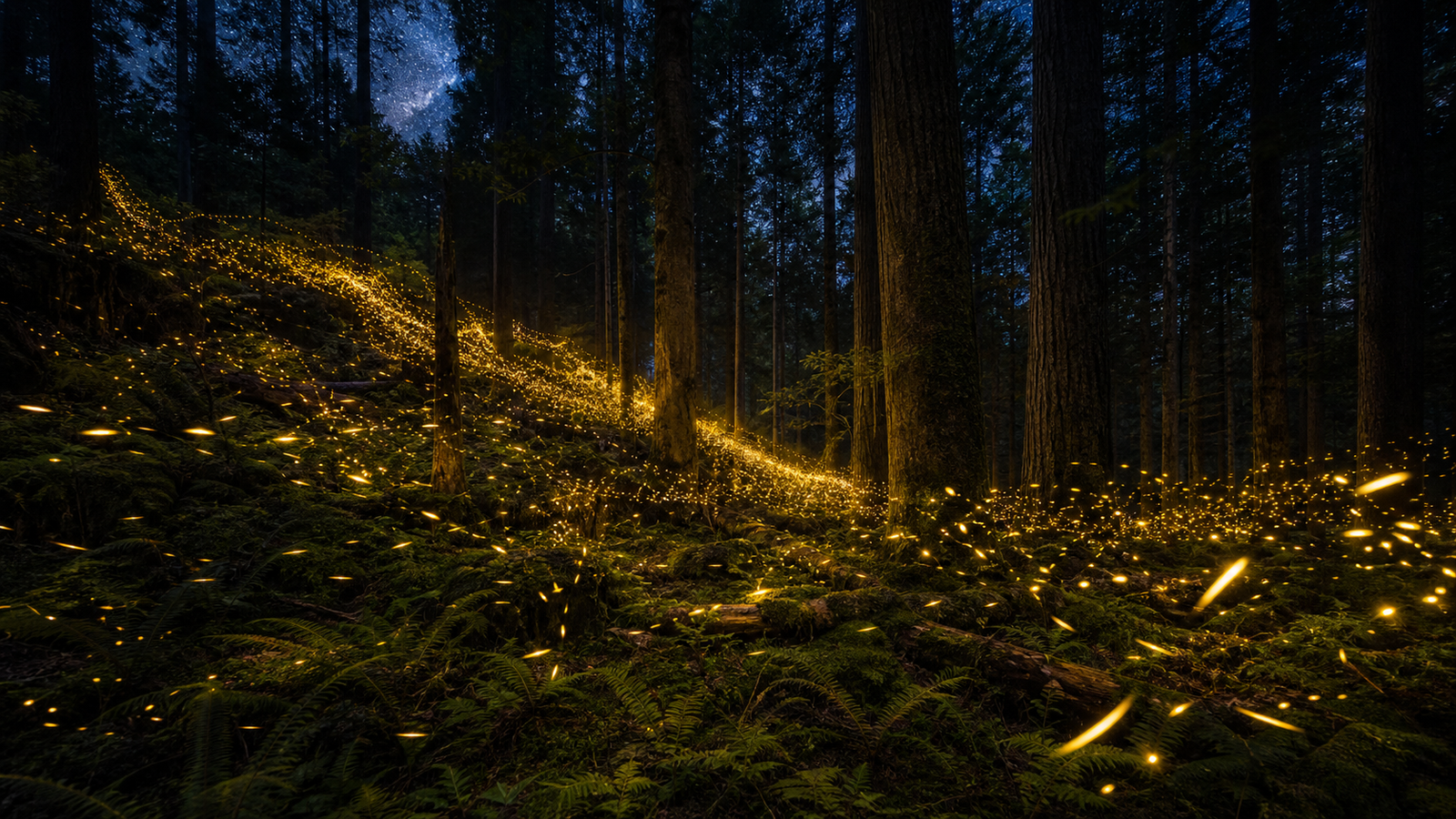
Every June, the forests of the Great Smoky Mountains come alive with one of nature’s most extraordinary light shows: thousands of fireflies flashing in perfect unison. Unlike most firefly species that blink randomly, Photinus carolinus synchronizes its flashes, creating waves of light that ripple through the darkness. Here is the science behind this remarkable phenomenon, and how to see it for yourself.
Why Do They Synchronize?
Scientists believe the synchronized flashing helps females compare males more effectively. When all males flash together, a female can better assess which male is brightest. Biologists at the University of Colorado found that each male firefly adjusts its internal rhythm based on neighboring fireflies, a process called phase-locking.
“Each male firefly adjusts its internal rhythm based on the flashes of its neighbors. Over time, the group locks into a shared tempo, creating waves of light that sweep through the forest.”
University of Colorado Boulder, Firefly Research Lab
Where and When to See Them
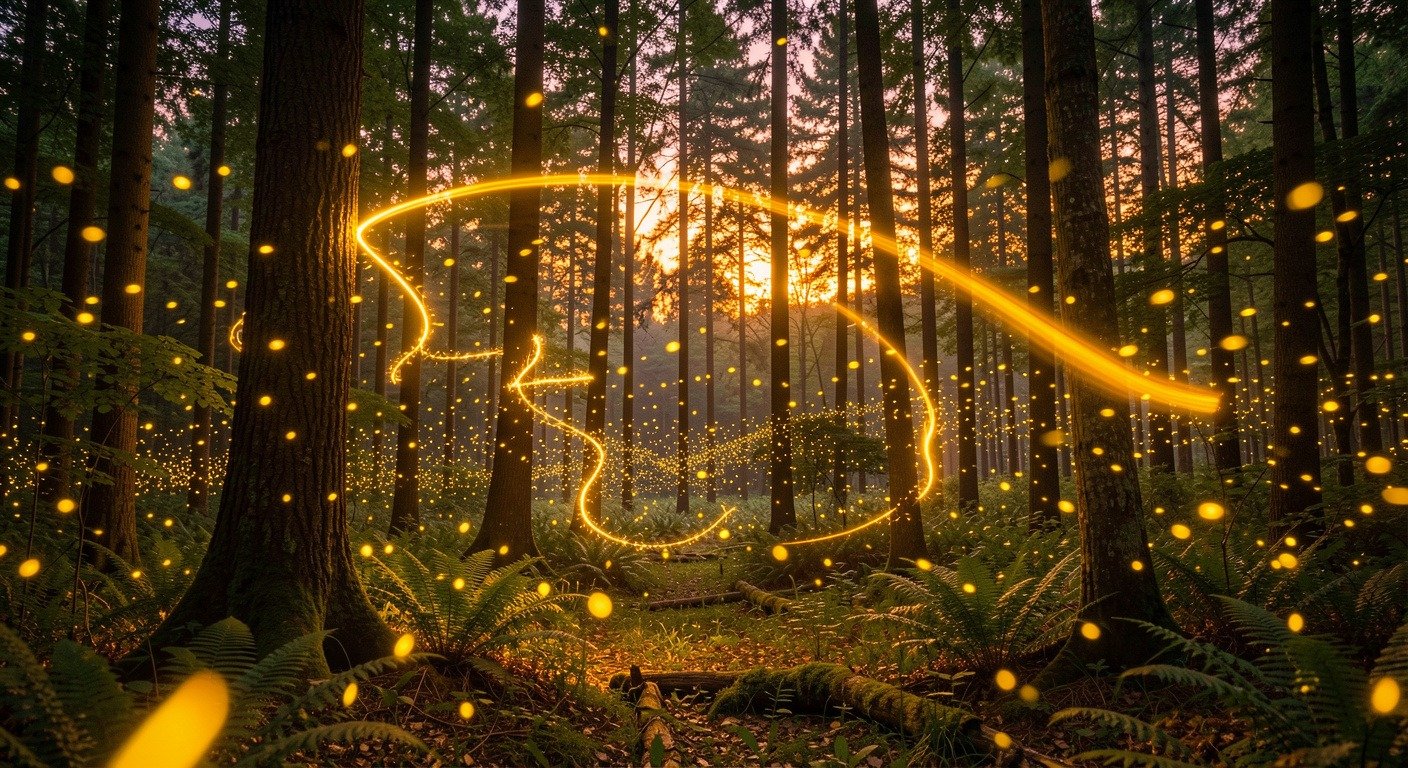
The best viewing happens in Elkmont, Tennessee, inside Great Smoky Mountains National Park. The peak display falls between late May and mid-June. The park service runs a lottery for parking passes due to the event’s popularity. Other synchronized firefly species have been documented in Congaree National Park in South Carolina and in parts of Southeast Asia.
Synchronous Fireflies: Quick Facts
| Fact | Detail |
|---|---|
| Species | Photinus carolinus |
| Peak season | Late May to mid-June |
| Best location | Elkmont, GSMNP, Tennessee |
| Mechanism | Phase-locking (rhythm adjustment) |
| Parking | Lottery system required |
How to Watch Responsibly
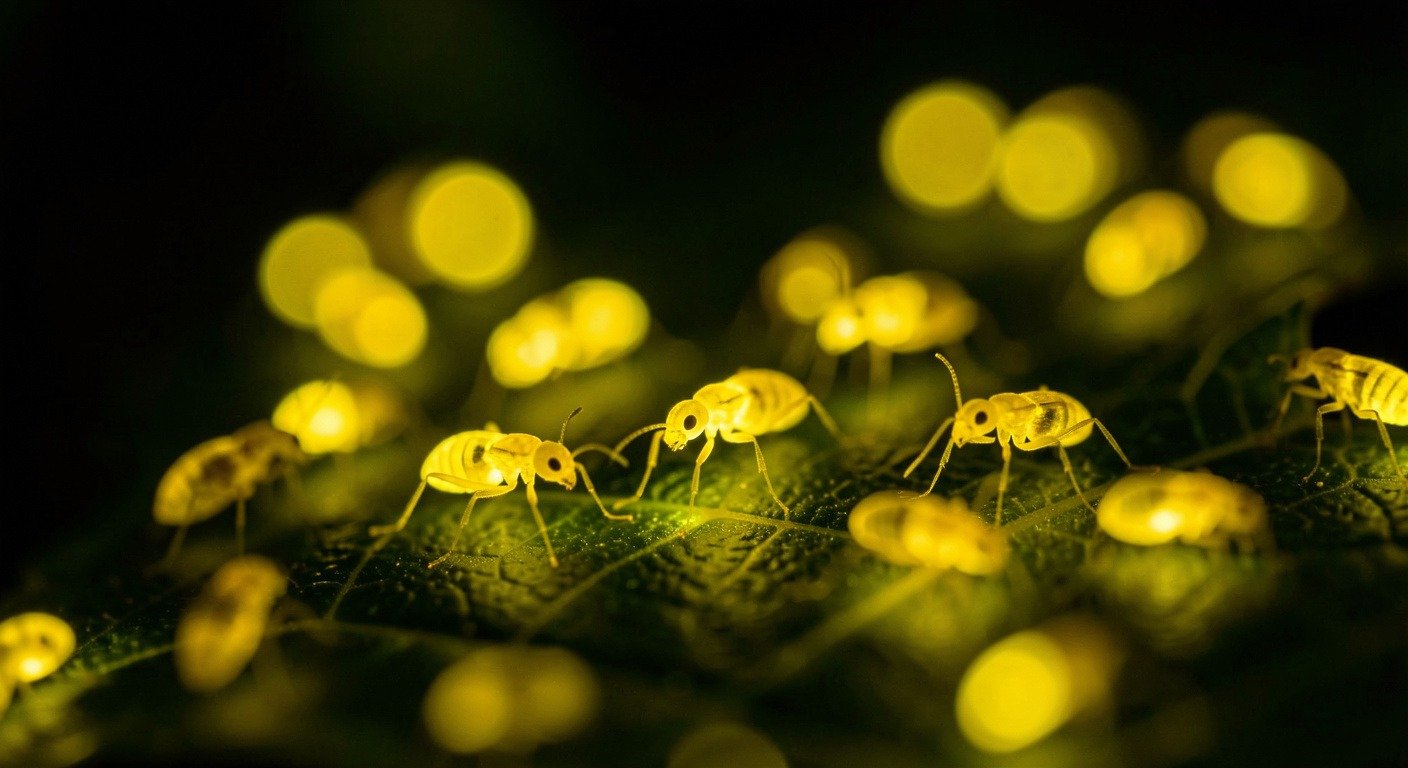
Fireflies rely on bioluminescent signals to find mates. Artificial light from flashlights, phones, or camera screens can disrupt their communication. Park rangers recommend these guidelines:
- Use red-filtered flashlights. Red light is less disruptive to firefly communication. Cover your flashlight with red cellophane or use a dedicated red-light headlamp.
- Keep screens dimmed. Phone and camera screens emit light that interferes with mating signals. Turn brightness to minimum and use only when necessary.
- Stick to marked trails. The fireflies’ forest floor habitat is fragile. Off-trail walking damages larvae and disrupts breeding grounds.
- Never capture fireflies. These beetles have short adult lifespans. Removing even a few reduces the breeding population for the following year.
For more nature stories like this, read about Scotland’s rewilding experiment and how sea turtles made one of the greatest comebacks in conservation history.
Sources: Great Smoky Mountains National Park Firefly Program; University of Colorado Boulder Firefly Research Lab; Congaree National Park.