The 2026 Atlantic hurricane season forecast is here, and the headline is unexpected: NOAA predicts a 55 percent chance of below-normal activity. But as history has shown repeatedly, a quiet forecast does not mean a safe summer. One storm hitting the wrong place is all it takes.
NOAA’s May 21 outlook calls for 8 to 14 named storms, 3 to 6 hurricanes, and 1 to 3 major hurricanes. A typical season produces 14 named storms, 7 hurricanes, and 3 majors. The odds of an above-normal season stand at just 10 percent. But inside the same press release, National Weather Service Director Ken Graham offered a careful warning.
“Although El Nino’s impact in the Atlantic Basin can often suppress hurricane development, there is still uncertainty in how each season will unfold. It only takes one storm to make for a very bad season.”
— Ken Graham, NOAA National Weather Service Director
2026 Hurricane Season: Key Numbers
| Metric | NOAA 2026 | Average |
|---|---|---|
| Named Storms | 8–14 | 14 |
| Hurricanes | 3–6 | 7 |
| Major Hurricanes | 1–3 | 3 |
| Below-Normal Probability | 55% | — |
Why It Happens
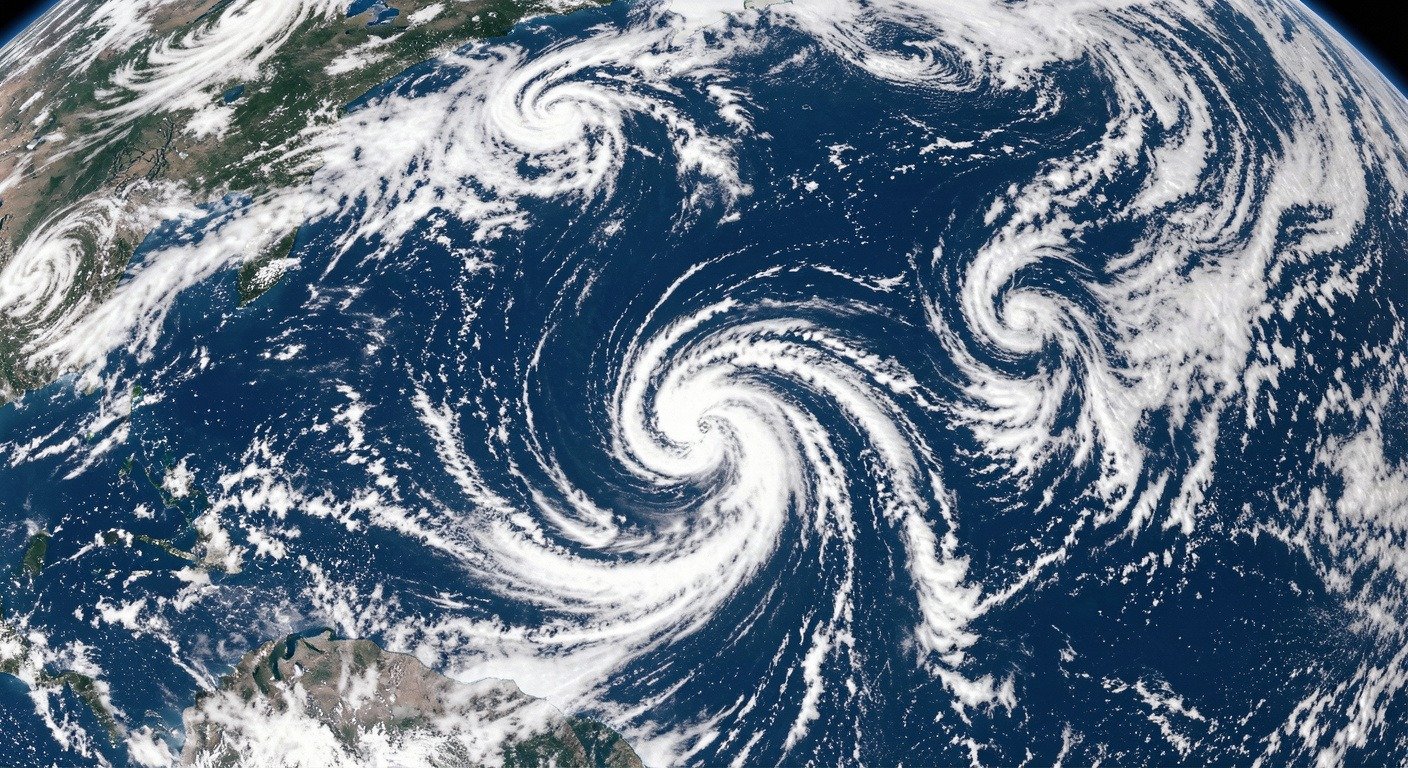
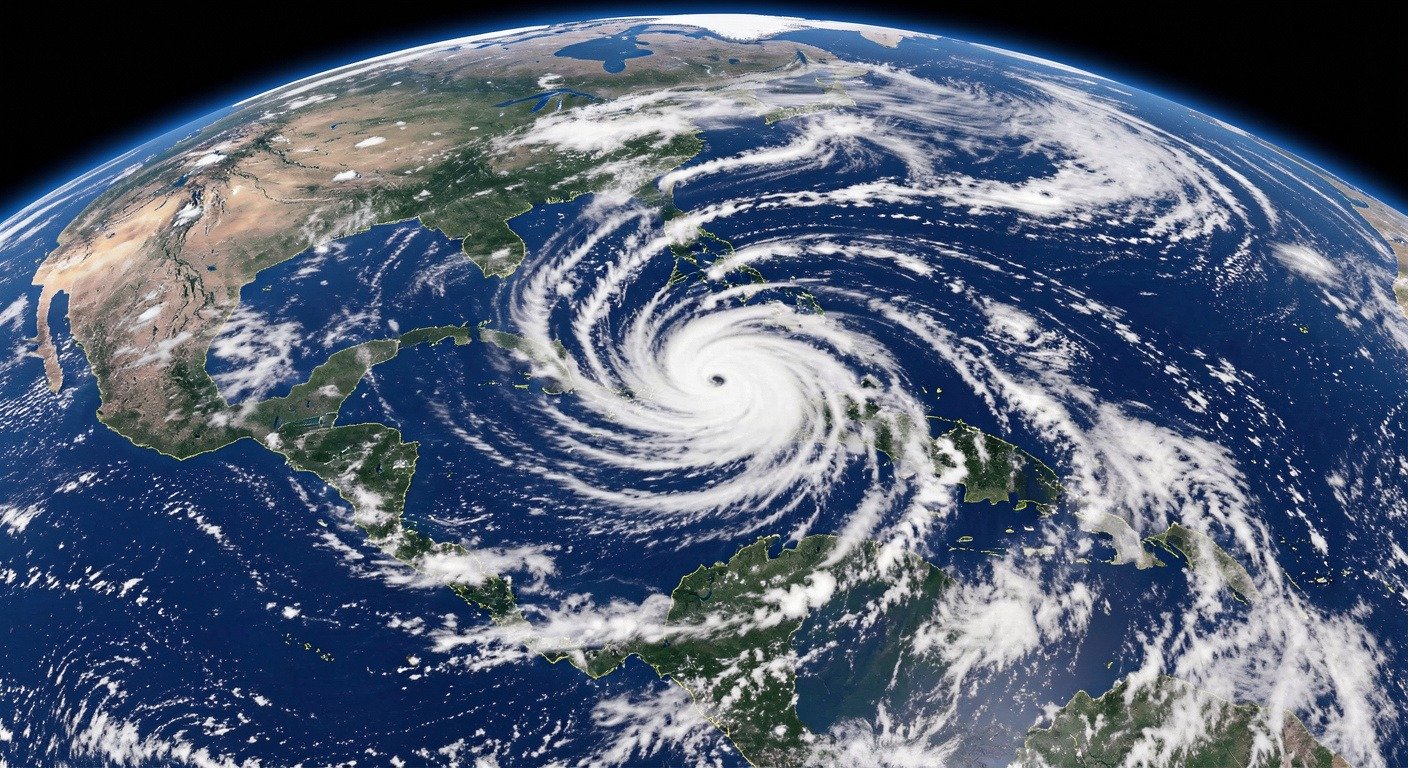
Two powerful forces are pulling the 2026 hurricane season in opposite directions. The first is El Nino, which increases vertical wind shear across the tropical Atlantic. Wind shear tears apart developing storms before they can organize. The second is the Atlantic Ocean itself, which remains warmer than normal. Warm water is hurricane fuel. These two forces are in tension. El Nino presses down on storm formation while the warm Atlantic pushes up from below.
Colorado State University has also reduced its seasonal forecast, citing warm neutral ENSO conditions. The Hurricane Analysis and Forecast System now integrates data from small drones flying into hurricane eyewalls, improving intensity forecasts by roughly 10 percent.
How It Affects People
For the millions who live along the Atlantic and Gulf coasts, a below-normal forecast carries a specific risk: complacency. When headlines emphasize fewer storms, the instinct is to relax. That instinct has real consequences. In 1992, the Atlantic produced just seven named storms — a below-normal season. One of them was Hurricane Andrew, a Category 5 that devastated South Florida.
“It only takes one storm to make for a very bad season.”
Insurance markets reflect the same tension. After two above-normal seasons, premiums have climbed sharply and some private insurers have pulled back from coastal markets entirely. Coastal communities from Texas to the Carolinas depend on summer tourism — a hurricane threat, even one that does not materialize, can empty beach hotels for days.
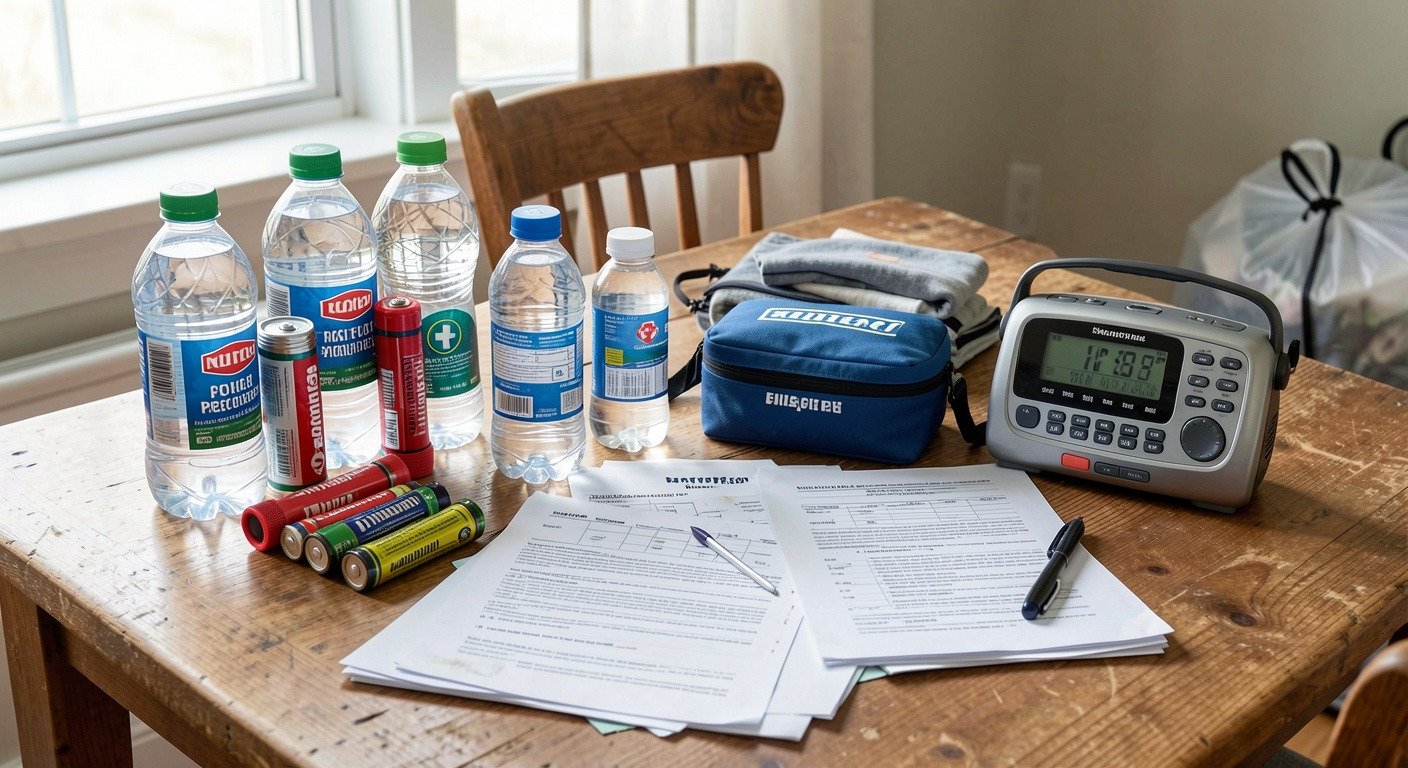 Hurricane preparedness kit for Atlantic hurricane season 2026″/>
Why It Matters Now
NOAA announced several upgrades for 2026. The Tropical Cyclone Forecast Cone now includes inland tropical storm and hurricane watches and warnings. Flood Inundation Mapping now covers roughly 60 percent of the U.S. population, expanding to nearly 100 percent by late September. Climate change adds urgency: hurricanes are becoming wetter and stronger on average, even if total numbers do not increase.
What We Can Learn
Preparation should not track the seasonal forecast. It should track the reality that every coastal resident from Texas to Maine lives in a zone where a hurricane is possible.
- Know your evacuation zone. Have at least two routes out of your neighborhood.
- Build a go-bag. Three days of food, one gallon of water per person per day, medications, phone charger.
- Get flood insurance now. NFIP policies take 30 days to activate. Do not wait for a named storm.
- Stay informed. Wireless Emergency Alerts, NOAA Weather Radio, and a trusted weather app.
“A below-normal hurricane season is not a season without hurricanes. It is a season with a narrower margin for bad luck.”