The sky is clear. The air feels still. But above you, a column of atmosphere stretching from the ground to the edge of space presses down with a weight of about 14.7 pounds on every square inch of your body. You never feel it because you have lived under it your entire life. This invisible weight is barometric pressure, and understanding barometric pressure is the key to reading the weather.
Barometric pressure, also called atmospheric pressure, is the force exerted by the weight of the air above a given point on Earth. At sea level, standard atmospheric pressure is 1,013.25 millibars, or 29.92 inches of mercury. As you climb higher, there is less air above you, so the pressure drops. This is why airplane cabins must be pressurized and why hikers feel breathless at altitude: less pressure means fewer oxygen molecules in each breath. That is barometric pressure in its simplest terms.
How Does Barometric Pressure Work to Move the Weather
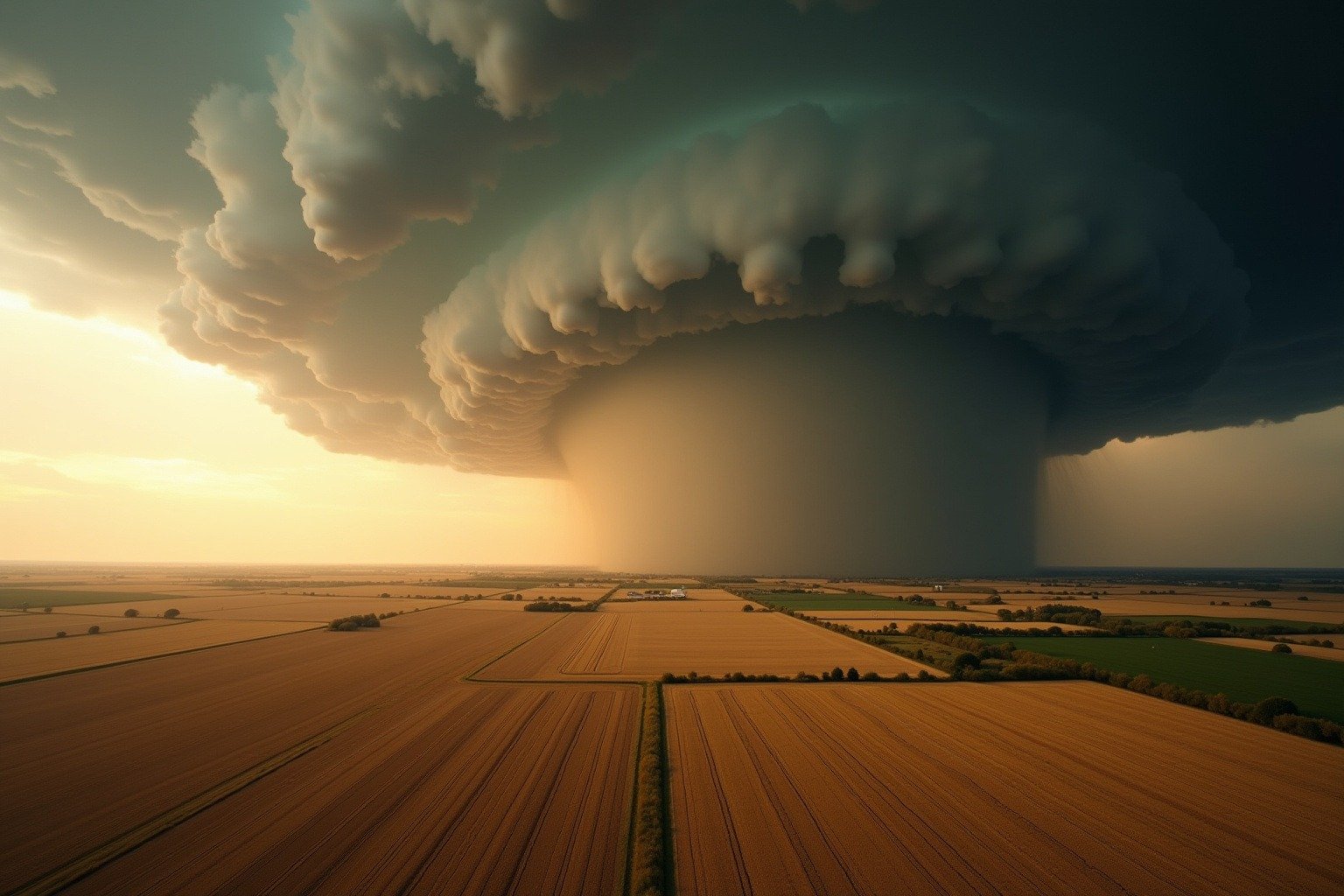
Air moves from areas of high pressure to areas of low pressure, always seeking balance. When the sun heats the ground unevenly, some patches of air warm up and expand, then rise upward. This creates a low-pressure zone below. Surrounding air rushes in to fill the gap, bringing wind with it. As the rising air cools at higher altitudes, water vapor condenses into clouds. Low pressure produces rising air and often brings rain or snow with strong winds. Understanding this simple mechanism explains why meteorologists watch pressure readings so closely.
High pressure works the opposite way. Air sinks toward the ground, then compresses and warms. This warming discourages cloud formation. High-pressure systems bring clear skies, calm winds, and stable weather. When a meteorologist says a high-pressure ridge is building in, expect fair weather. When you hear a low-pressure system is moving in, grab your umbrella. Recognizing these patterns yourself is what reading the weather really means.
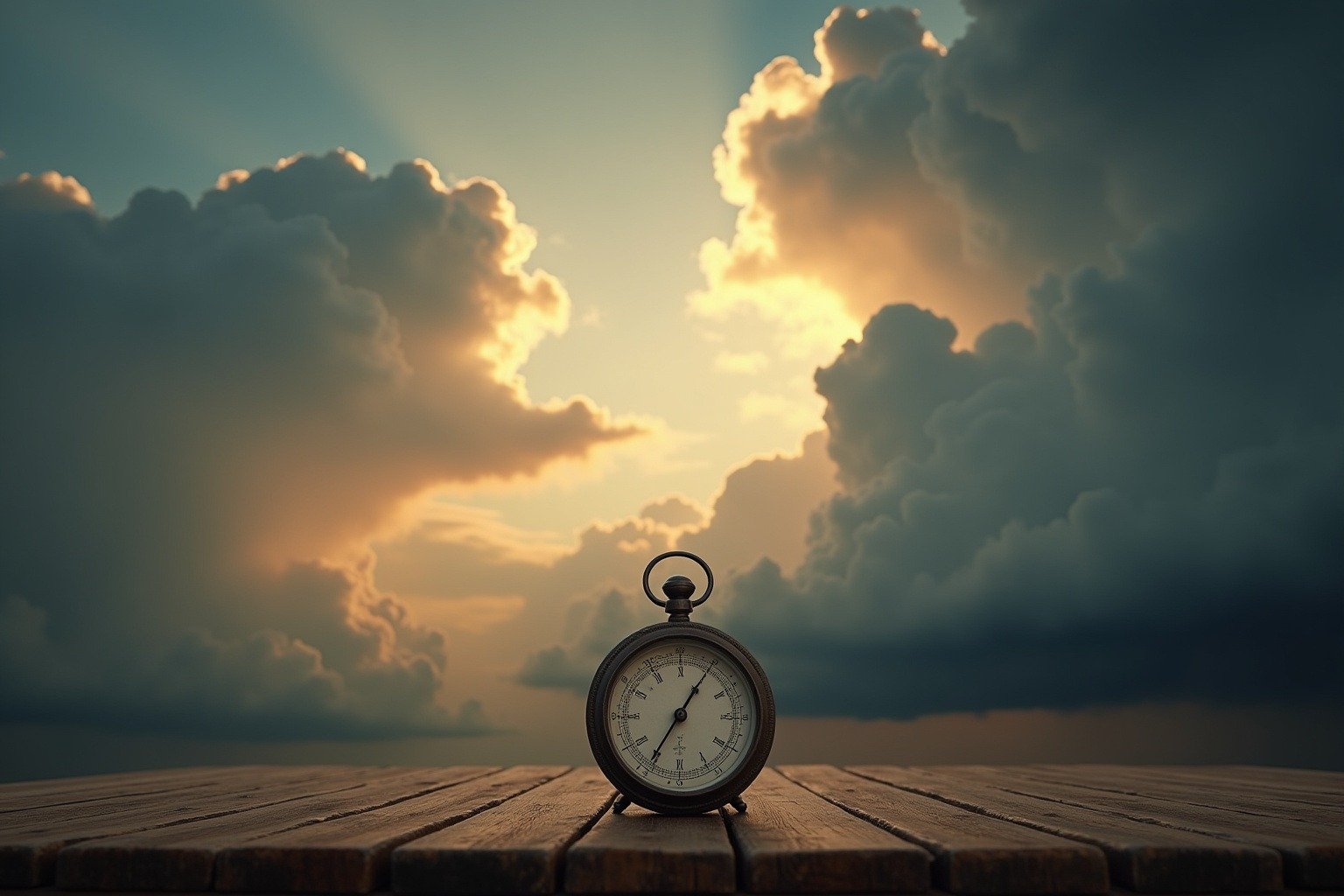
The instrument that measures all of this is the barometer, invented in 1643 by the Italian scientist Evangelista Torricelli. He filled a glass tube with mercury, inverted it into a dish, and watched the mercury level rise and fall with changing weather. Modern barometers use electronic sensors, but the principle is the same. When the reading falls, a storm may be approaching. When it rises, fair weather is likely on the way. Knowing how to read a barometer is simpler than most people think: down means storms, up means clearing, and the speed of the change matters as much as the direction.
How Pressure Affects People and Communities
For people, barometric pressure changes are more than a weather indicator. A rapid drop in pressure often triggers migraine headaches in susceptible individuals. According to research published in the journal Neurology, a drop of just 5 to 6 millibars can be enough to set off a headache. Joint pain, particularly for those with arthritis, also tracks with falling pressure as expanding tissues press against sensitive nerve endings. These are the direct effects of atmospheric pressure on the human body.
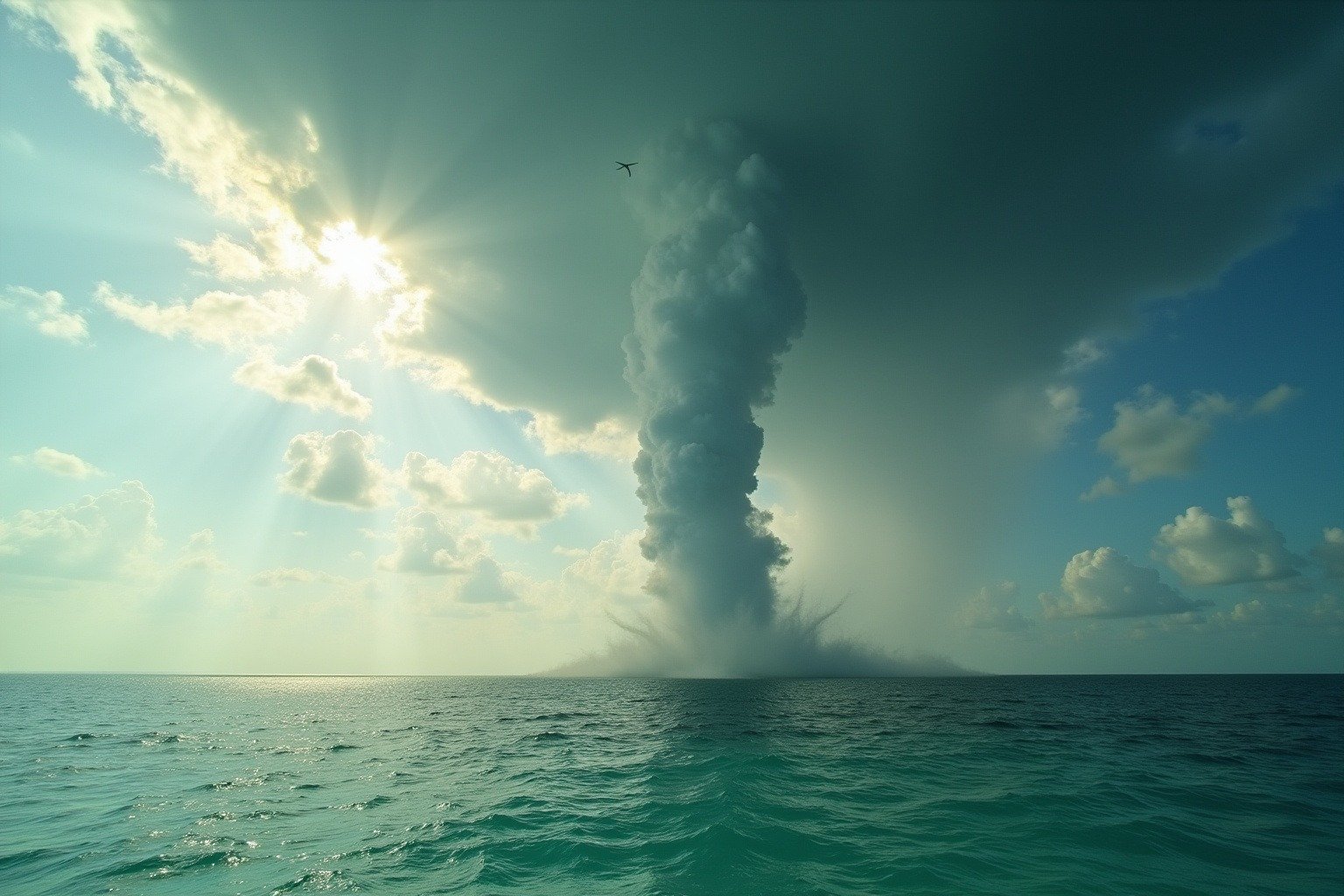
For communities, pressure systems drive the most dangerous weather on Earth. A hurricane is essentially an extremely deep low-pressure system. The lowest pressure ever recorded at sea level, 870 millibars, came from Typhoon Tip in 1979, the most intense tropical cyclone ever measured. The lower the pressure, the stronger the storm. Hurricane hunters fly aircraft directly into storms to measure the central pressure, because that single number tells forecasters more about storm intensity than any other metric.
For farmers, pressure trends are daily intelligence. A falling barometer signals approaching rain that could delay planting or harvesting. A rapid pressure drop means a storm that might damage crops. Generations of farmers learned how to read a barometer before they ever checked a weather app. The skill has been passed down for centuries and remains as useful as ever.
Why Barometric Pressure Matters Right Now
Extreme pressure swings are becoming more common as climate change destabilizes jet stream patterns. Research has found that rapid pressure changes, the kind associated with bomb cyclones and powerful nor’easters, have increased in frequency over the North Atlantic in recent decades. When pressure drops 24 millibars or more in 24 hours, meteorologists call it bombogenesis: the creation of a meteorological bomb. These storms can bring hurricane-force winds, coastal flooding, and heavy snow, all within a single day.
Understanding the mechanics of atmospheric pressure gives you a head start on weather awareness. You do not need a meteorology degree. You just need to know that falling pressure means trouble approaching, and rising pressure means clearing ahead. That simple rule, backed by centuries of observation, has kept sailors alive at sea and farmers ahead of storms long before satellites existed.
What We Can Learn
You can track barometric pressure on most smartphones through the built-in barometer sensor that helps GPS determine altitude faster. Weather apps display the current pressure reading and its trend over the past few hours. A steady drop of 2 to 3 millibars per hour is a reliable sign that rain or snow is likely within six to twelve hours.
Barometric pressure is the quiet engine of every weather forecast. It drives the wind, builds the clouds, and spins the storms. The next time you check the weather, look at the pressure number. That one figure tells you more about what is coming than any computer-generated icon ever could.
Read more: How Barometric Pressure Affects Your Body | Weather Fronts Explained | Why Hurricanes Spin