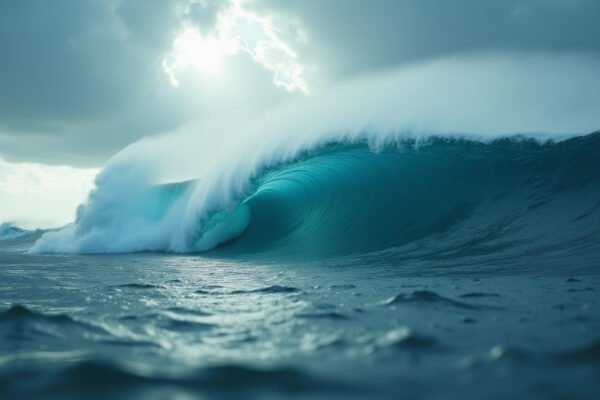
The Pacific Ocean is running a fever, and it is refusing to break. A vast stretch of abnormally warm water has been sitting off the West Coast since last summer, and instead of fading like it was supposed to, it has come roaring back. Scientists are tracking what may become the most significant marine heatwave in modern records, and it is already reshaping ocean life from Mexico to Alaska.
Last September, the northeast Pacific Ocean hit its highest surface temperature ever recorded: 20.6 degrees Celsius, about 69 degrees Fahrenheit. That number may sound unremarkable on land, but in the cold, productive waters of the California Current, it was close to half a degree warmer than anything measured before. It was also just one data point in a sprawling patch of warm water that now stretches thousands of miles, from Hawaii to British Columbia and south toward Mexico.
In Simple Terms: A marine heatwave is a period when ocean surface temperatures are much warmer than normal for at least five days in a row. The current event off the US West Coast has been running since summer 2025, covers an area larger than the infamous “Blob” of 2013 to 2016, and is happening during a La Niña year, when the ocean should be cooler, not warmer. The heatwave is already killing marine life, disrupting fisheries, and contributing to drought and wildfire risk on land. And with El Niño now developing, the worst may still be ahead.
What Happened: A Heatwave That Refused to Fade
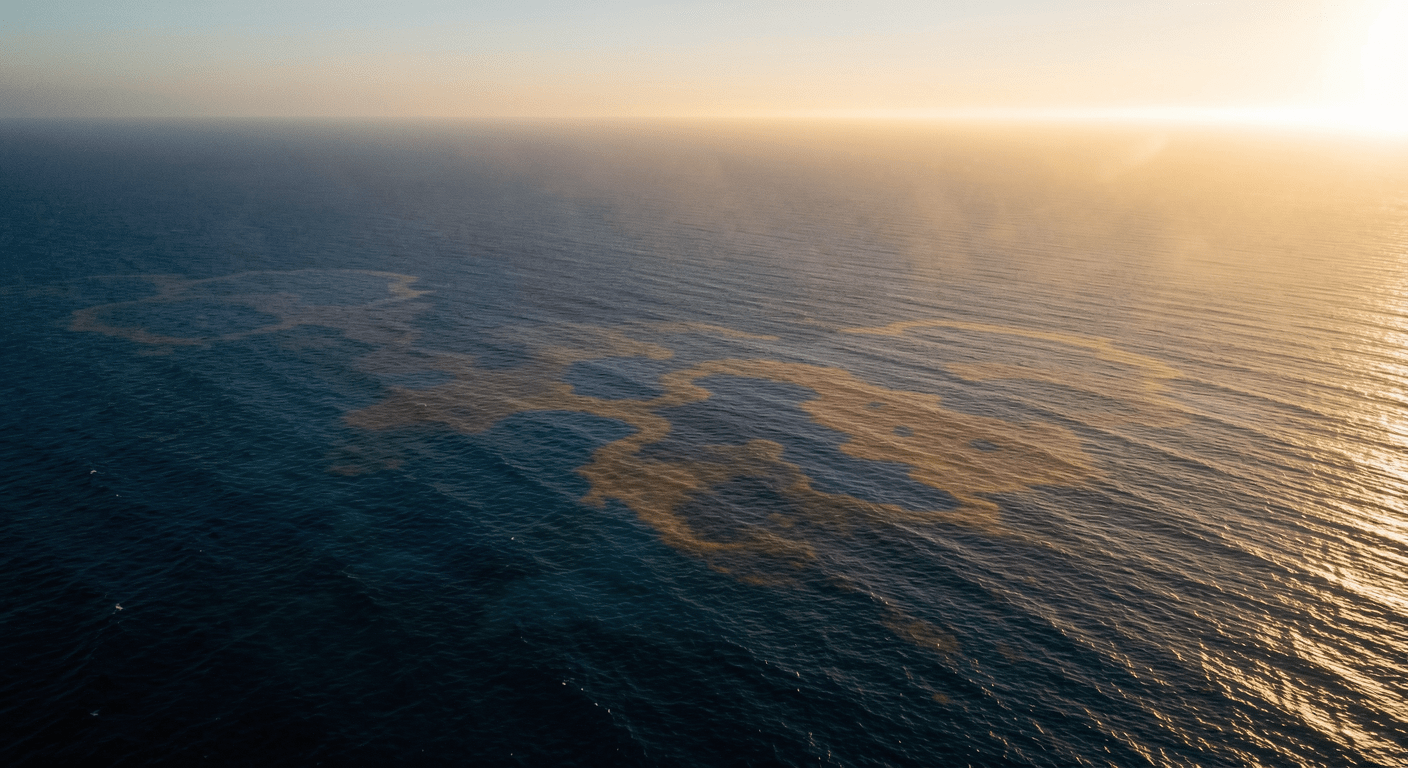
Marine heatwaves are not new. The most famous recent example, “The Blob” of 2013 to 2016, disrupted ecosystems across the northeast Pacific, caused mass die-offs of seabirds and marine mammals, and contributed to severe drought on land. What makes the current event different is its behavior.
Most marine heatwaves weaken as winter approaches. Cooler air temperatures and wind-driven mixing break down the warm surface layer, returning conditions toward normal. The Blob 1.0 followed this pattern. So did the heatwaves that came after it. This one did not.
“We’re in La Niña, but water temperatures along our coast look much different,” said Andrew Leising, a research oceanographer at NOAA Fisheries’ Southwest Fisheries Science Center who runs the California Current Marine Heatwave Tracker. “The conditions are hard to reconcile. This is not a situation that we have seen before.”
The heatwave did weaken in October and November 2025, retreating from the coast. That is normal. But then, instead of dissipating, it strengthened again and pushed back toward shore, a sequence of events without precedent in the satellite record.
Why It Happens: The Science of Ocean Fever
The simplest explanation is that the ocean has absorbed about 90 percent of the excess heat trapped by greenhouse gases since the 1970s. That background warming means any additional heat from weather patterns, a persistent high-pressure ridge, weaker-than-normal winds that reduce evaporative cooling, or reduced cloud cover that allows more sunlight to reach the surface, can push already-warm water into heatwave territory more easily than in decades past.
The scientific term is a marine heatwave, defined as a period when sea surface temperatures exceed a statistical threshold, typically the 90th percentile of a 30-year historical baseline, for at least five consecutive days. The current event has been running, with some ebbs, since summer 2025, putting it among the longest-lasting marine heatwaves in the satellite era.
Think of the ocean as a savings account for heat. Every year, the planet adds more heat to the account through greenhouse warming. When weather conditions are favorable for a marine heatwave, say, a persistent high-pressure system that blocks cooling winds, the ocean is already starting from a higher balance than it would have been in the 1980s. The same weather pattern that might have produced a minor warm anomaly 40 years ago now produces a record-breaking event.
The ocean is telling us something we have not seen before, a massive marine heatwave persisting during La Niña. If it combines with the developing El Niño, this summer could rewrite the rules of what we thought was possible in the Pacific.
Marine Heatwave by the Numbers
| Size | Spans from Hawaii to British Columbia, covering an area larger than The Blob of 2013-2016 |
| Peak temperature | 20.6°C (69°F) on September 9, 2025, highest ever recorded in the northeast Pacific |
| Temperature anomaly | 3-4°F above normal along the West Coast |
| Duration | Since summer 2025, making it one of the longest-lasting in the satellite record |
| Global marine heatwave coverage | 27% of world’s oceans; projected to reach 40-45% by late 2026 |
| Notable species impacts | Tuna caught in Alaska, first great white shark documented in British Columbia, brown pelicans abandoning nests months early |
How It Affects People: Food, Fire, and Water
The marine heatwave’s impacts reach far beyond the ocean.
Fisheries and Food. Warmer water is typically less productive, it holds less oxygen and supports fewer nutrients that feed the base of the marine food web. Salmon, which spend years in the ocean before returning to rivers to spawn, are especially vulnerable. During the Blob years of 2014 to 2016, salmon survival rates dropped sharply, and fisheries closures followed. Larry O’Neill, a climatologist at Oregon State University, warns that this heatwave could deliver a similar blow. “This is going to be a big hit on our fisheries for a couple of years,” he said.
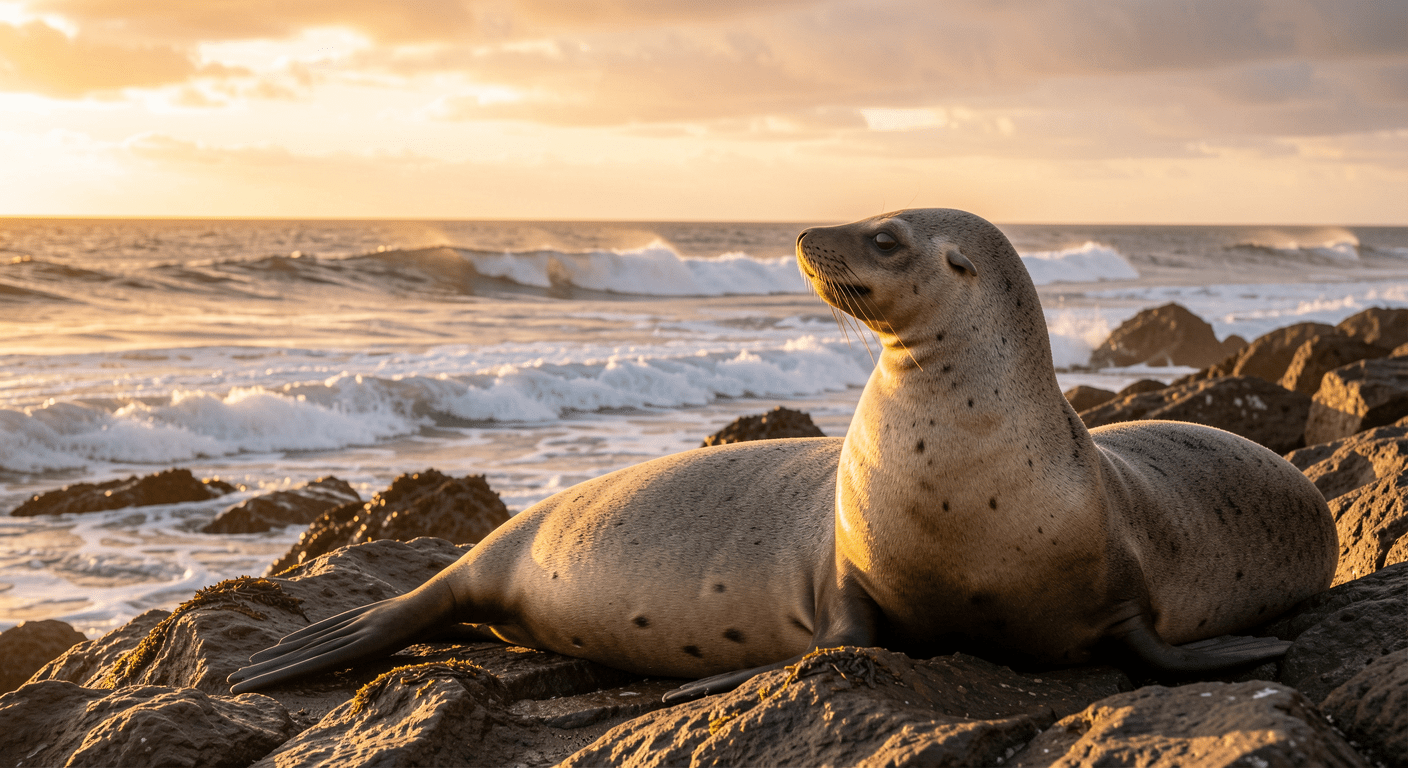
Harmful Algal Blooms. In 2025, an unusually early and severe bloom of toxic algae off Southern California killed hundreds of California sea lions, dolphins, and seabirds. The same warmth that stresses marine life also creates ideal conditions for certain toxic algae species. When shellfish filter-feed on these algae, they concentrate the toxins in their tissue, becoming dangerous to eat. Fisheries closures follow, and with them, economic losses for coastal communities.
Water Supply and Wildfire Risk. The marine heatwave does not stay in the ocean. Warm water releases heat into the atmosphere, altering weather patterns downstream. The record-breaking March 2026 heatwave that sent temperatures past 88 degrees Fahrenheit in Minnesota and Colorado was amplified by the warm Pacific. As of mid-May, NOAA data showed that what little snow fell over the winter had completely melted even at higher elevations across much of Oregon, California, and Colorado. Rivers that depend on gradual snowmelt will run low and warm, exactly the conditions that caused massive pre-spawn salmon die-offs in 2015. With drought intensifying, O’Neill warns of dry thunderstorms that could spark wildfires across California and the Pacific Northwest.
Marine Ecosystems. Subtropical species, plankton, pelicans, market squid, even great white sharks, are shifting their ranges northward and closer to shore in search of cooler water. California brown pelicans abandoned their nesting grounds in Mexico more than two months early this year, likely because the small fish they eat moved north. During the Blob years, scientists estimated more than a million seabirds died across the West Coast. Starving seabirds washing ashore are often the first visible sign that the ocean food web is breaking.
Why It Matters Now: Enter El Niño
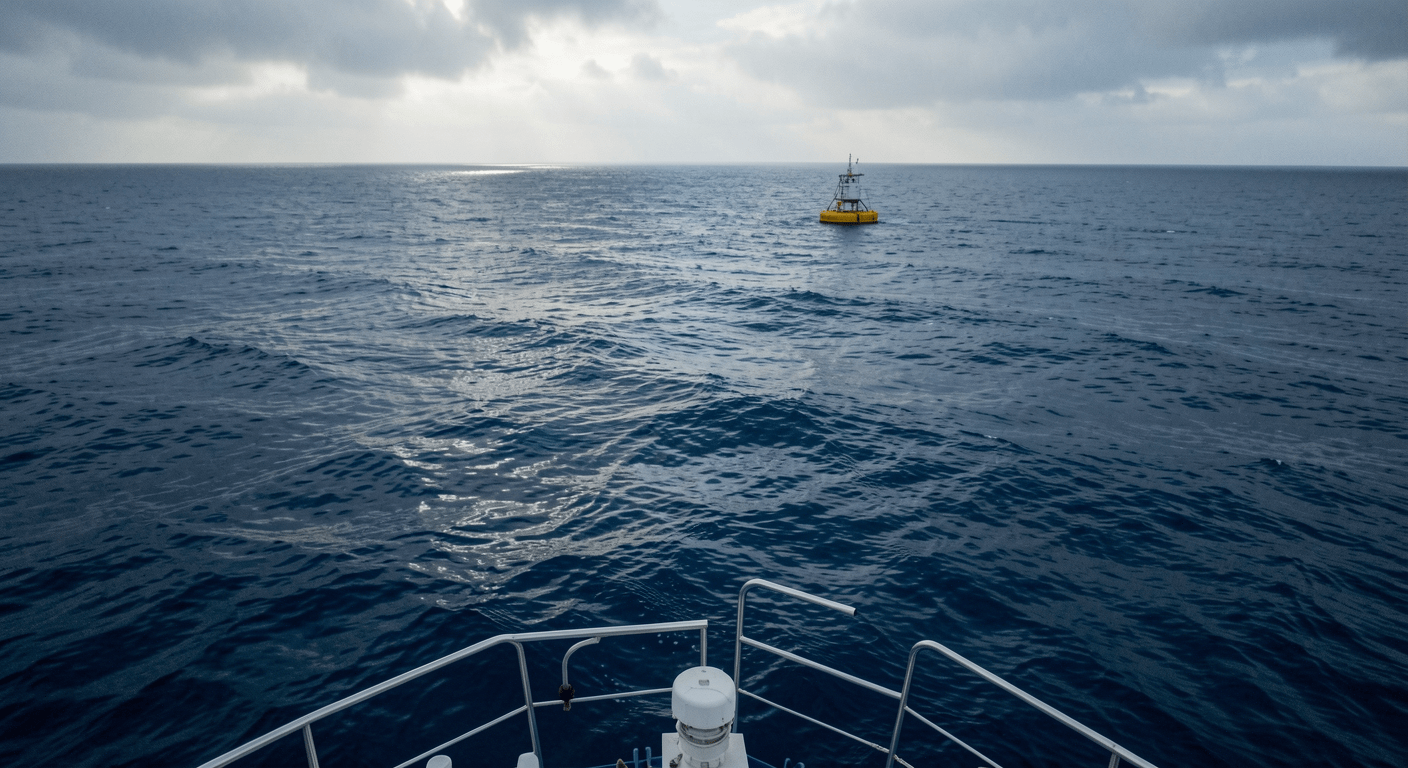
The marine heatwave alone would be cause for serious concern. But it is about to get company. El Niño conditions have officially developed in the tropical Pacific, and the two warm-water events are expected to interact in ways that amplify each other.
The global marine heatwave now covers an estimated 27 percent of the world’s oceans, and climate models project it could reach 40 to 45 percent by late 2026. The combination of the northeast Pacific heatwave and El Niño creates a coupled ocean-atmosphere feedback: warm water heats the air, which alters wind patterns, which can reduce the winds that would normally mix and cool the surface, which keeps the water warm. The cycle feeds itself.
In practical terms, this means a higher likelihood of extreme weather, intense heat on land, altered storm tracks, and continued stress on marine life, through the rest of 2026 and possibly into 2027. As a recent analysis from the Bulletin of the Atomic Scientists put it: “What makes 2026 unusual is that the current marine heatwave already covers an even larger area than the Blob 1.0, while El Niño conditions are developing simultaneously. We are in uncharted conditions.”
What We Can Learn: Reading the Ocean’s Signals
The marine heatwave is not a problem that can be solved by any single action. But it is a signal, one of the clearest yet, that the background warming of the ocean is reshaping what “normal” looks like.
For coastal communities, the practical takeaway is preparedness. Fisheries managers are already adjusting catch limits based on real-time ocean data. Public health agencies are monitoring for harmful algal blooms. Water managers across the West are planning for a dry, hot summer with reduced snowmelt.
For the rest of us, the marine heatwave is a reminder that the ocean and the atmosphere are one system. What happens thousands of miles offshore, in water too warm for the season, during a year that was supposed to be cool, eventually shows up on land, in the price of salmon, in the smoke from a wildfire, in a March afternoon that feels like July.
The story of the 2026 marine heatwave is still being written. What is clear is that the rules are changing faster than the models anticipated. The best thing any of us can do is pay attention, and support the scientists, fisheries managers, and coastal communities who are on the front lines, reading the ocean’s signals in real time.
Sources
- NOAA Fisheries: West Coast Waters Experiencing Another Large Marine Heatwave
- The Guardian: Why an immense marine heatwave off the US west coast has alarmed scientists
- Bulletin of the Atomic Scientists: How a monster ocean heatwave could fuel a super El Niño
- Maven’s Notebook / NOAA Fisheries: 7 Ways El Niño and Large Marine Heatwave Could Affect West Coast Marine Species