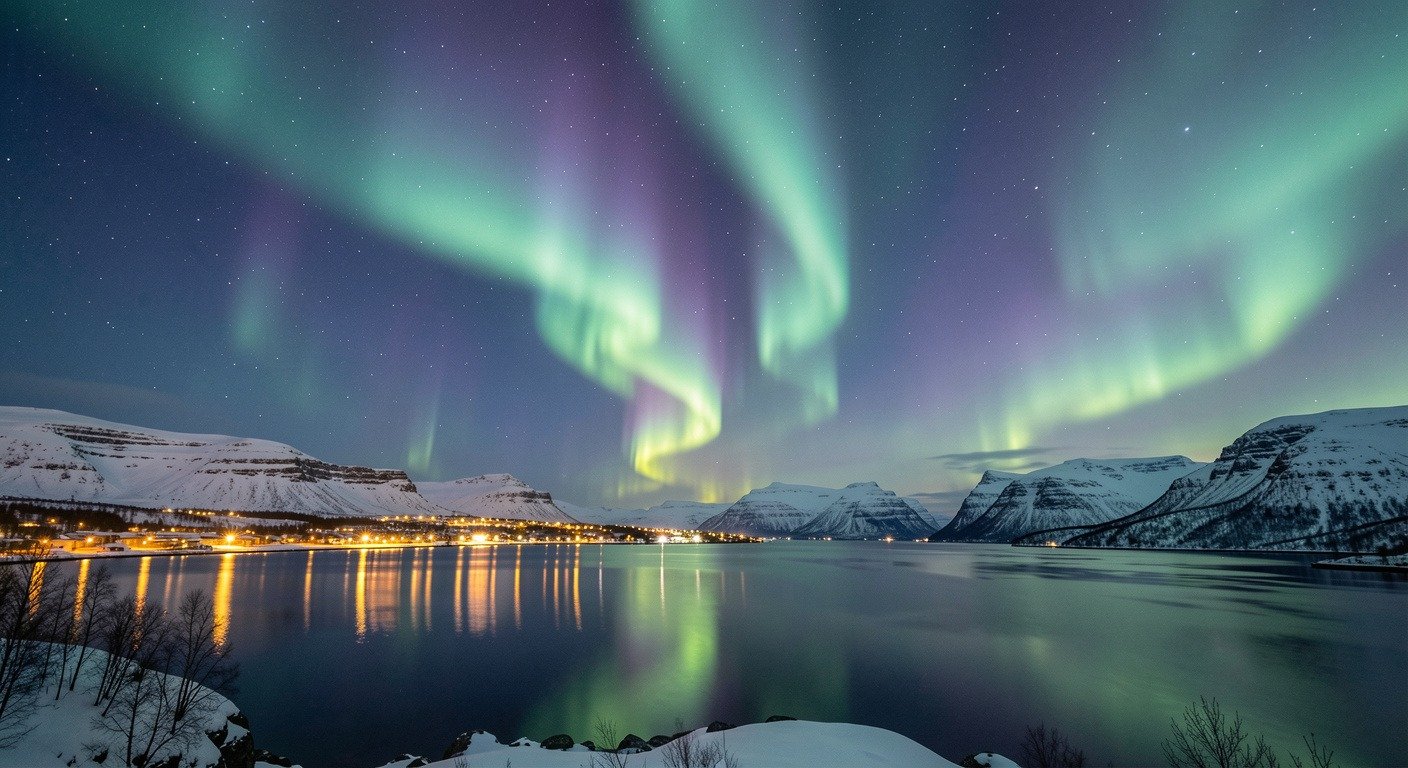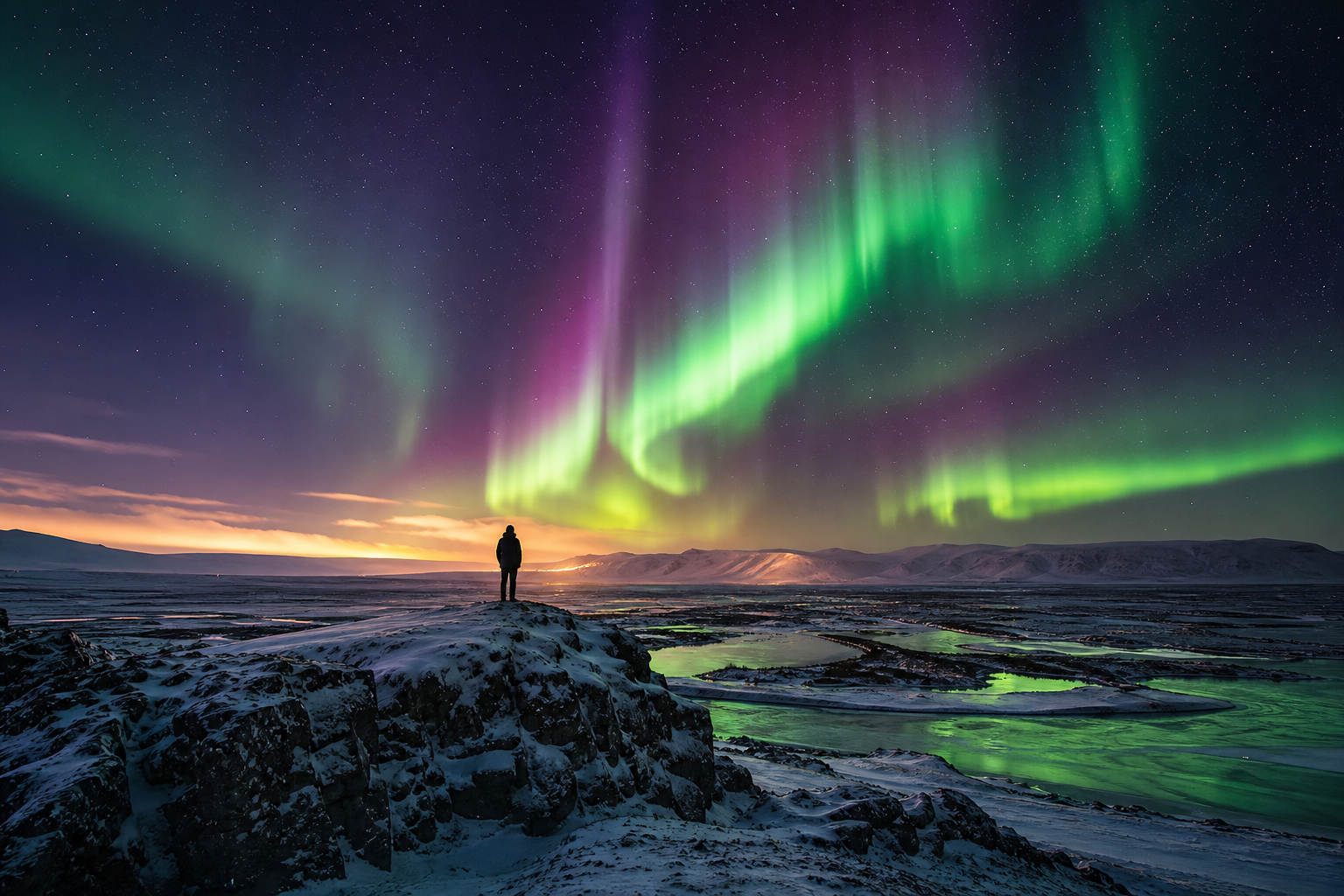
2026 marks the peak of the solar maximum, an 11-year cycle where the Sun produces more solar flares and coronal mass ejections than at any other time, making this the best Northern Lights viewing window in over a decade. More solar activity means more frequent, more vibrant, and more widespread aurora displays. This window will not last: the current solar maximum winds down within the next year, and the next peak won’t arrive until around 2036. Here is how to see the Northern Lights in Iceland before they fade.
Why Iceland?
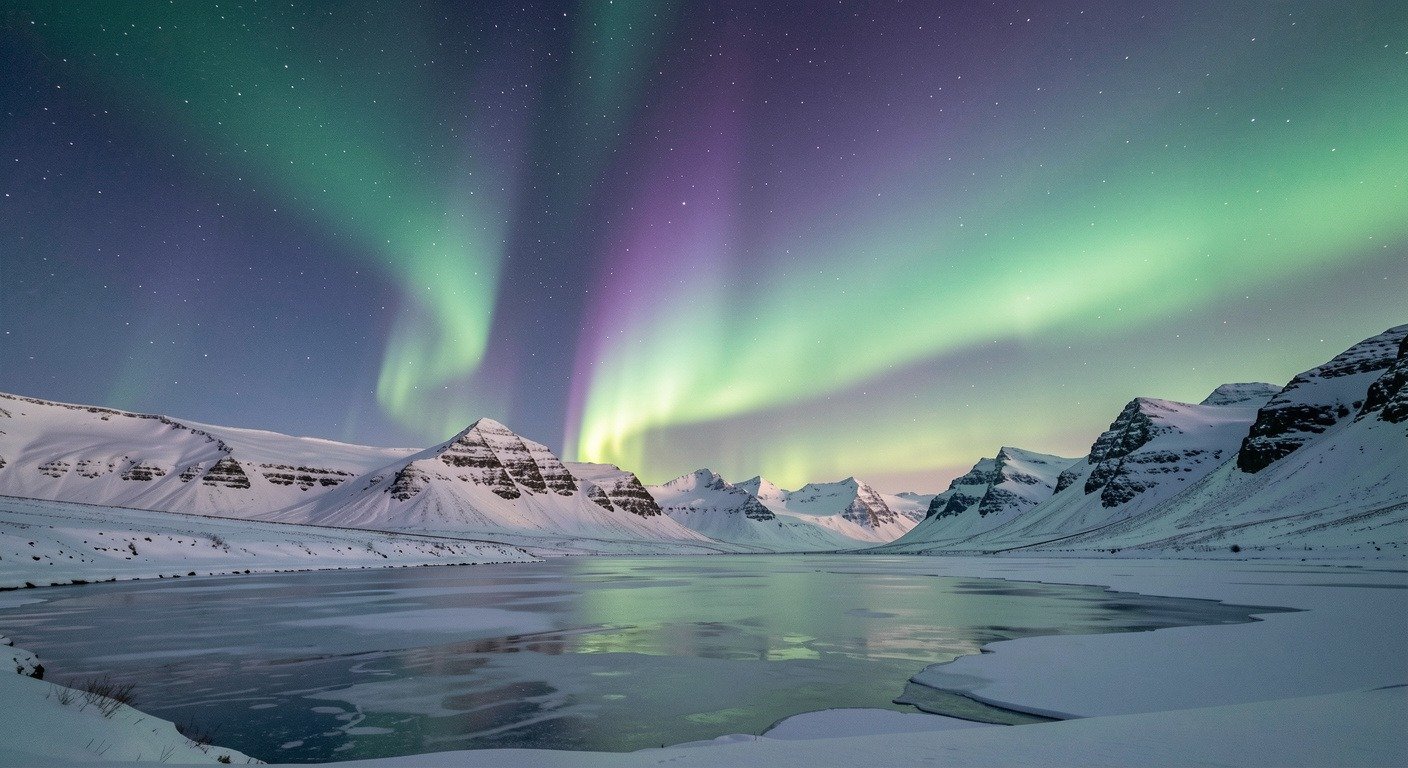
Iceland sits at roughly 64-66 degrees North latitude, squarely in the high-latitude zone where aurora activity is strongest during solar maximum. On active nights, the lights can appear directly overhead rather than just on the horizon.
- Dark skies are easy to find. Reykjavik is small. Drive 30 minutes in any direction and you are in near-total darkness.
- Tour operators know what they are doing. Guided tours report sighting rates as high as 93% during peak season because they chase clear skies, not just dark skies.
- You do not need to be in the wilderness. Thingvellir National Park, the Reykjanes Peninsula, and the South Coast all offer excellent dark-sky conditions accessible by car.
Best Months to Go
Aurora activity happens year-round, but you cannot see the lights without darkness. Iceland gets nearly 24 hours of daylight from May through August. The sweet spot runs from September to March:
- October: Long enough nights, weather not too harsh yet. Roads generally passable.
- February: Peak darkness. Snow-covered landscapes reflect the aurora, doubling the visual impact.
- March: Spring equinox often brings geomagnetic storms. Dark skies plus slightly longer daylight for exploring.
If you can only choose one, March 2026 is the move, catching the tail end of winter darkness during solar maximum with milder weather.
How to Actually See Them
- Give yourself enough nights. A 3-day trip gives roughly a 50-60% chance. Stay at least 5-7 nights and your odds jump above 90%.
- Use the right forecast tools. Check Vedur.is, the Icelandic Met Office site, for cloud cover and aurora activity on one map. Download the My Aurora Forecast app for alerts.
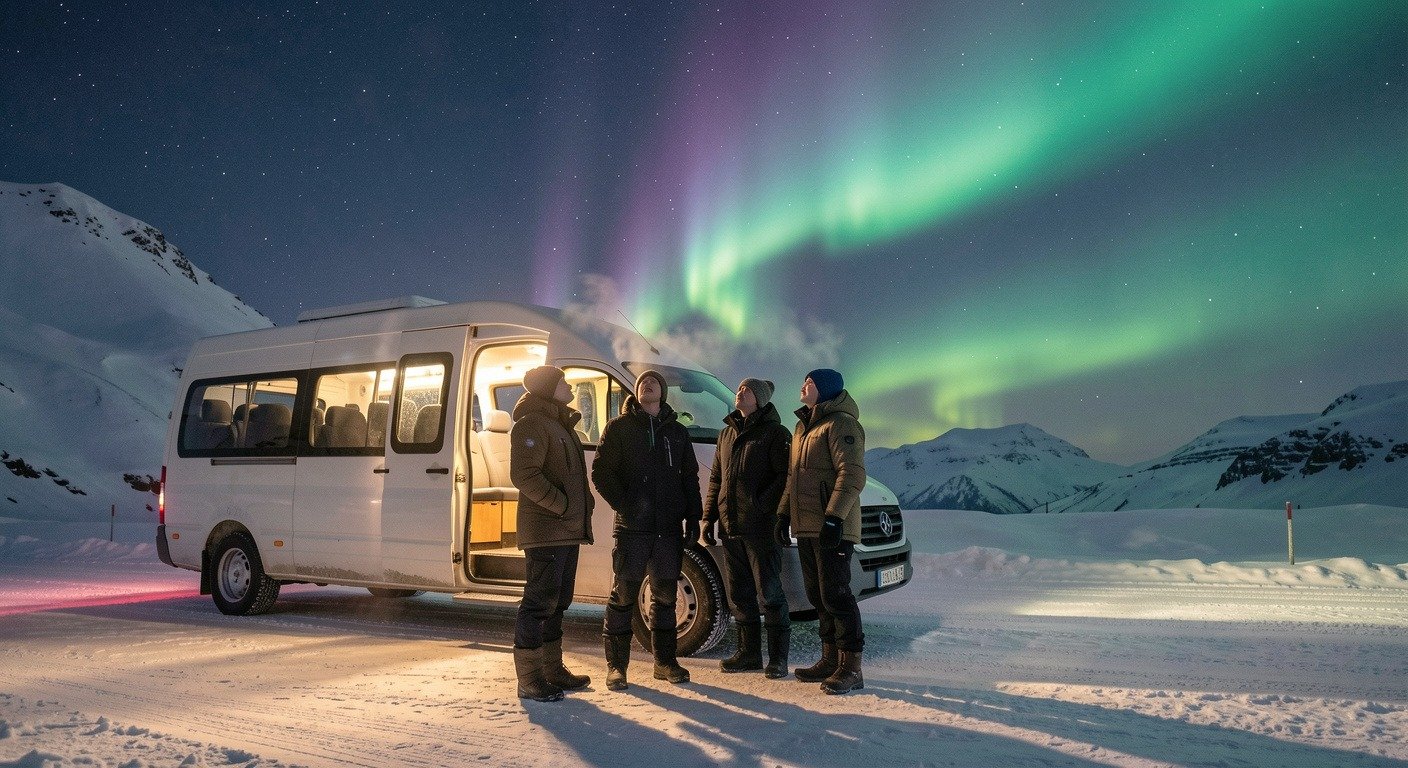
- Book a tour for the first night. Guides share real-time cloud conditions and know which roads are safe. You will learn how to read forecasts and spot the first hints of aurora.
- Aim for 11 PM to 1 AM. Activity peaks around midnight. Be in position by 10:30 PM, stay until 1:30 AM.
- Dress warmer than you think. Windproof outer layers are non-negotiable. Wind chill can drop -5C to -20C on exposed spots. Hand warmers extend your time outside.
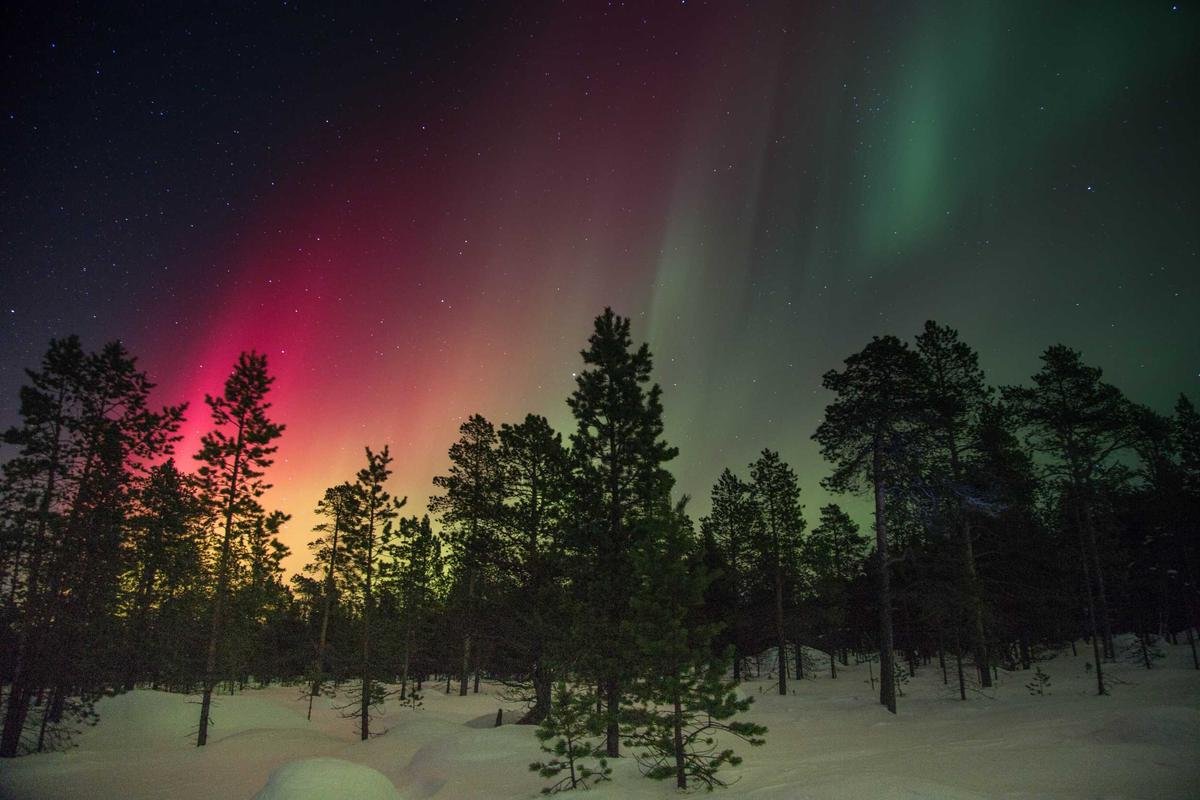
“The Northern Lights in photos look like neon-green curtains blazing across the sky. In reality, they often start as a faint white arc. Your camera sees more than your eyes. But during solar maximum, those strong green displays happen more often.”
NatureWeatherHub
Northern Lights Trip: Iceland 2026
| Item | Estimate |
|---|---|
| Best months | September-March (peak: March) |
| Recommended stay | 5-7 nights (90%+ sighting chance) |
| Guided tour | $50-120 per person |
| Round-trip flights (US East Coast) | $400-600 |
| Budget accommodation | ~$100/night |
| Total (5 nights, per person) | $1,200-$1,800 |
The Bottom Line
The solar maximum makes 2026 the best Northern Lights viewing window in over a decade and the last one until the mid-2030s. Iceland gives you the right latitude, accessible dark skies, and an infrastructure built around aurora tourism. Go between September and March, stay at least five nights, and check Vedur.is every evening. For more travel weather guides, see our Japan spring travel guide and midnight sun guide.
Written by NatureWeatherHub, your simple guide to weather, nature, and the planet.
Sources: Icelandic Met Office (Vedur.is); NOAA Space Weather Prediction Center; Visit Iceland.