
Table of Contents
Quiet Crisis and the Undiscovered Hero : seaweed superfood
Picture a world battling dual crises: a climate spiraling out of control, marked by rising CO2 levels and acidifying oceans, and a global population racing toward ten billion, demanding sustainable food sources that traditional agriculture can no longer reliably provide. The urgent need for a solution has driven scientists and entrepreneurs to look beyond our shrinking arable lands and toward the vast, blue frontier—the ocean.
Here, thriving beneath the surface in underwater forests, is a resource that has sustained Asian coastal communities for millennia but remains largely overlooked by the West: seaweed, or marine macroalgae.
Far from being mere “sea vegetables,” these fast-growing organisms are emerging as one of the most promising, multi-faceted solutions to our planetary challenges. Seaweed is a low-input marvel, demanding zero arable land, minimal or no freshwater, and negligible synthetic fertilizers or pesticides to grow. More than just a sustainable crop, data confirms seaweed’s capacity to actively heal the planet, fight ocean acidification, dismantle the massive challenge of livestock methane, and provide a protein-rich “climate superfood” capable of meeting the nutritional needs of a growing world. This is the story of seaweed, the ocean’s environmental engineer and nutritional powerhouse, and its pivotal role in engineering a sustainable future.
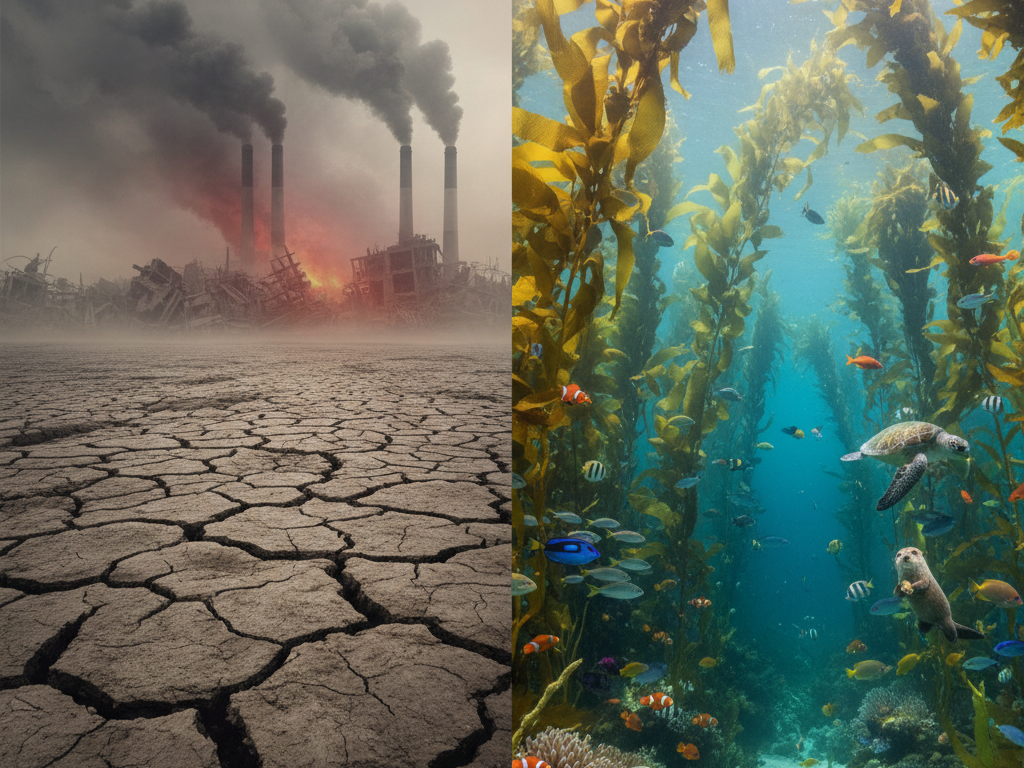
Chapter 1: The Environmental Engineer—How Seaweed Fights Climate Change and Repairs the Ocean
The conversation around climate mitigation often focuses on planting terrestrial trees. However, fast-growing marine macroalgae, particularly species like kelp (brown seaweeds), offer a potent, scalable complement to land-based solutions, providing profound benefits for oceanic and atmospheric health.
The Blue Carbon Powerhouse
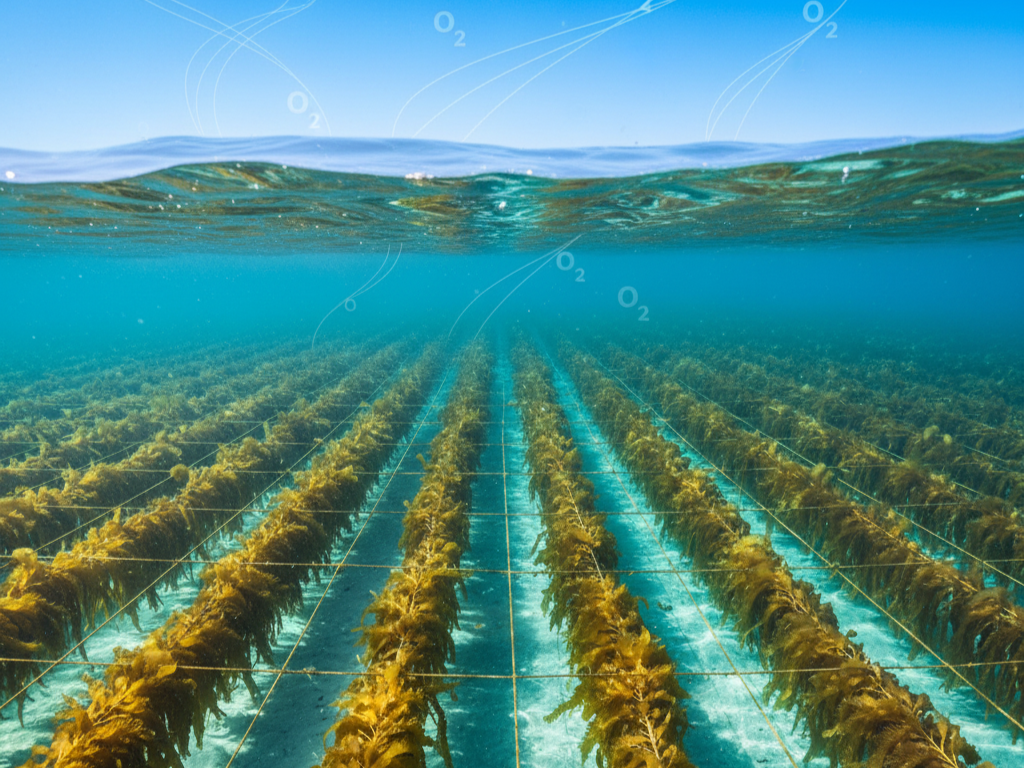
Seaweed is a powerful biological CO2 absorber. The overall carbon fixation capacity of farmed and wild seaweed is immense, estimated to take up approximately 1521 Teragrams of Carbon per year over an area of 3.5 million km2.
This biological process positions seaweed as a vital player in the world of “Blue Carbon,” a term referring to the carbon captured and stored by ocean and coastal ecosystems. Recent groundbreaking research offers empirical evidence of seaweed farming’s role as a Blue Carbon solution:
1. Sedimentary Carbon Storage: A comprehensive assessment spanning 20 seaweed farms globally confirmed that seaweed farming sequesters carbon by burying it in the sediments below at rates comparable to established Blue Carbon habitats like mangroves and seagrasses.
2. Long-Term Impact: Older and larger seaweed farms demonstrated increased rates of carbon storage, suggesting that sustainable cultivation practices can have lasting impacts.
3. Global Potential: If seaweed farming were expanded worldwide, studies project it could remove up to 140 million tons of \text{CO}_2 from the atmosphere every year by 2050.
However, the field of large-scale “ocean afforestation” (growing seaweed solely for permanent deep-sea sequestration or carbon offsetting) remains highly complex and controversial. Scientists emphasize the crucial difference between carbon fixation (uptake in biomass during growth) and true carbon sequestration (permanent removal of CO2 for over 100 years). Since the majority of farmed seaweed (over 90%) is harvested and consumed, the climate benefit often relies more on avoided emissions (by replacing carbon-intensive products) than on sinking the biomass, making the carbon permanence potential elusive outside of confirmed sedimentary burial.
Healing the Ocean: Acidification and Eutrophication
Seaweed provides localized ecosystem services crucial for marine health, acting as nature’s bioremediation tool.
Mitigating Ocean Acidification (OA)
Ocean acidification occurs when the ocean absorbs excess atmospheric CO2, lowering the water’s pH and making it harder for calcifying organisms (like mussels, clams, and corals) to build and maintain their shells and skeletons.
Seaweed actively combats this threat:
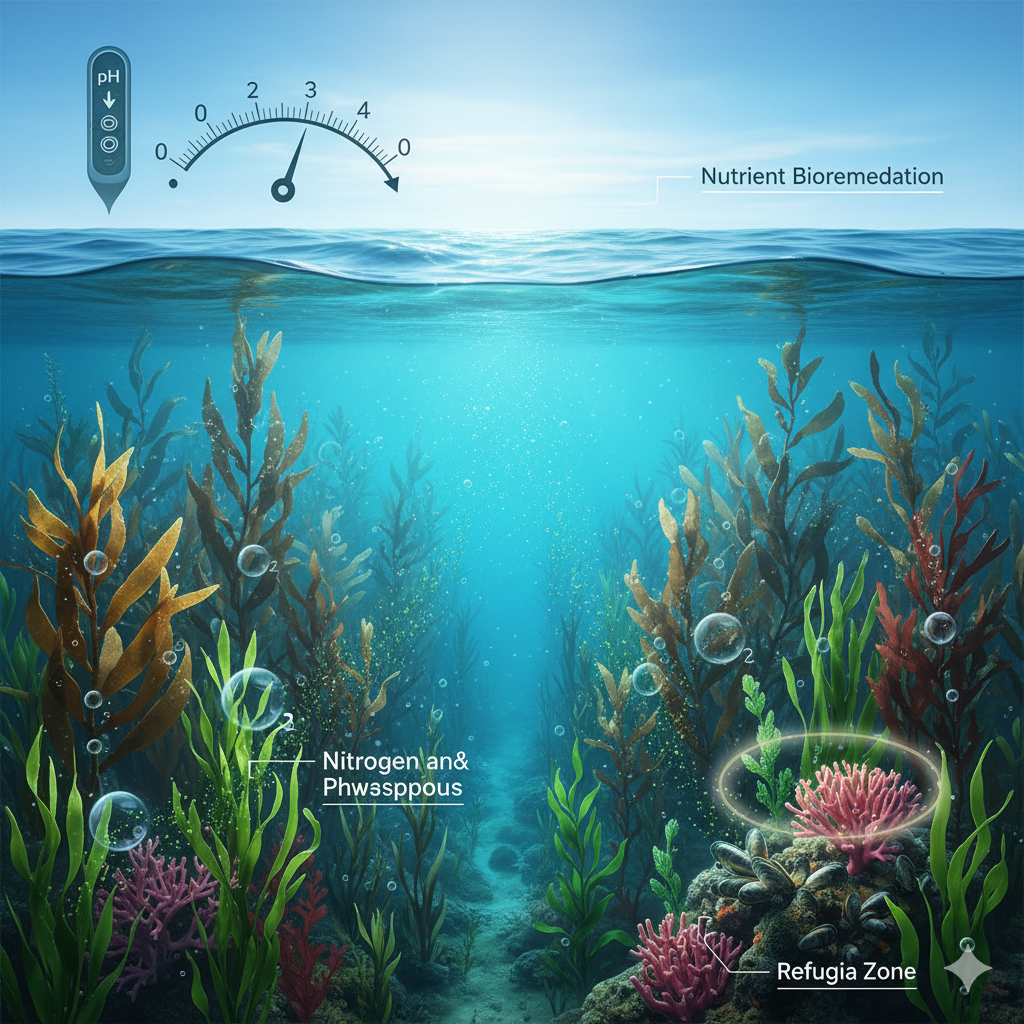
• Local Buffering (Refugia): Through rapid photosynthesis, seaweeds absorb dissolved CO2 from the surrounding seawater. This process raises the local pH and increases dissolved oxygen levels, thereby buffering acidification and creating protective “refugia” or safe havens for vulnerable marine life.
• Measured \text{pH} Increase: Monitoring studies have demonstrated that seaweed cultivation effectively raises pH and dissolved oxygen levels. For instance, farming the brown seaweed Saccharina japonica showed the capability to increase the local pH by up to 0.10 units within the aquaculture area.
• Benefits to Shellfish: This local buffering effect creates a “halo effect,” which has been observed to help organisms like mussels grown within seaweed farms develop thicker, healthier shells.
Alleviating Dead Zones (Nutrient Bioremediation)
Seaweed also serves as an effective bioremediation agent by absorbing excess nutrients, specifically dissolved inorganic nitrogen (N) and phosphorus (P). These excess nutrients, often from agricultural or urban runoff, lead to eutrophication and subsequent oxygen depletion (hypoxia), resulting in coastal “dead zones”.
Large-scale seaweed aquaculture provides tangible results in cleaning coastal waters:
• In China, aquaculture efforts annually remove approximately 75,000 t nitrogen and 9,500 t phosphorus.
• Co-cultivation in Integrated Multi-Trophic Aquaculture (IMTA) systems utilizes seaweed as an “extractive species” to recycle waste from fed aquaculture (like fish or shrimp). The co-cultivation of brown seaweed (Saccharina latissima) with salmon showed the absorption of approximately 11.8% of dissolved nitrogen species from the fish effluent.
The Methane Mitigation Story: Cattle Feed Innovation
One of the greatest environmental victories promised by seaweed is its application in reducing agricultural greenhouse gas emissions.
• The Problem: Enteric methane (CH4) emissions from ruminant livestock (cows, sheep) are the single largest source of direct greenhouse gas emissions in beef and dairy value chains.
• The Solution: The red seaweed Asparagopsis taxiformis (and A. armata) contains high concentrations of bromoform, a compound that effectively inhibits methanogenesis (methane production) in the animal’s rumen.
• The Data: Studies have demonstrated that supplementing cattle feed with Asparagopsis taxiformis can drastically reduce enteric methane emissions, with reductions of over 80 percent reported in beef steers. Overall methane reductions ranging from 22% to 67% have been observed in other contexts.
• Challenges: Widespread adoption requires overcoming hurdles such as maintaining bromoform stability (since concentration can decrease during storage) and mitigating the seaweed’s strong taste and high mineral content, which can lead to feed aversion. Innovative delivery methods, like homogenizing fresh Asparagopsis in edible oils (Asp-Oil), are being researched to stabilize bromoform and enhance palatability.
The Environmental Footprint: Seaweed vs. Land Agriculture
When comparing protein sources, seaweed offers stark environmental advantages:
| Environmental Metric | Traditional Plant Protein (Soy/Beans) | Beef (Traditional Animal Protein) | Farmed Seaweed (Macroalgae) |
| Land Use | Requires arable land. | High dependence on terrestrial land and grazing for feed. | Requires zero arable land. |
| Water Use | Requires freshwater resources (irrigation). | High use of freshwater in production chains. | Requires minimal or no freshwater. |
| GHG Emissions | Contributes to agricultural emissions. | High source of global GHGs, primarily methane. | Negligible GHG emissions in growing stages; provides carbon fixation benefits. |
| Chemical Input | Requires synthetic fertilizers, pesticides, and hormones. | Requires nutrient inputs and antibiotics. | Requires minimal or no synthetic chemicals. |
Seaweed cultivation is fundamentally a highly sustainable form of food production compared to terrestrial agriculture, making it essential for a future where land and freshwater resources are increasingly scarce.
——————————————————————————–
Chapter 2: The Nutritional Powerhouse—A Plant-Based Superfood
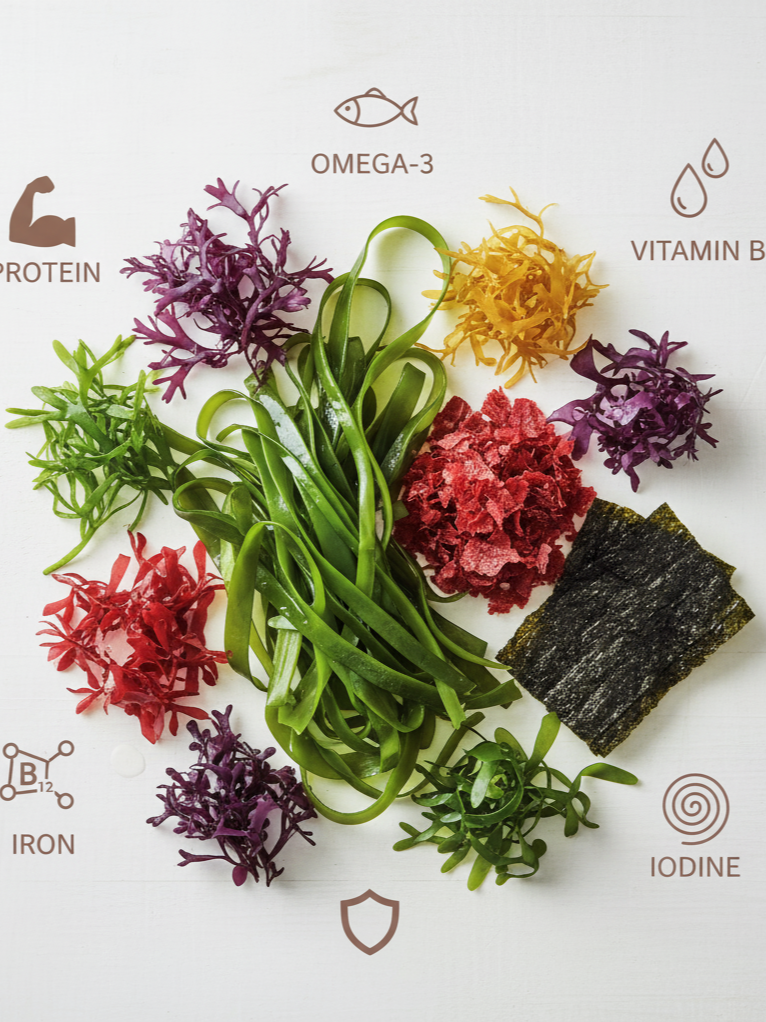
Seaweed is a highly nutritious marine vegetable, often surpassing terrestrial foods in mineral and nutrient density. Its composition of protein, vitamins, minerals, and unique fibers establishes it as a true superfood, ready to be integrated into global diets.
Protein and Essential Amino Acids
As the world seeks alternative proteins to reduce reliance on resource-intensive animal farming, seaweed emerges as a highly viable candidate.
• High Protein Content: The protein content of dried seaweed generally ranges from 11% to 32% of dry weight. Some red seaweeds exhibit protein levels reaching up to 47% of dry weight.
• Comparison to Terrestrial Sources: Several popular species boast protein levels comparable to or exceeding those found in traditional plant-based protein sources (pulses/beans).
◦ The red seaweed Nori (Porphyra purpurea or Pyropia spp.), commonly used in sushi, can contain as much as 33.2% protein per dry weight.
◦ The green seaweed Caulerpa sertularioides contains 23.7% protein, and Caulerpa racemosa contains 15.4% protein, percentages that surpass cereals and approach those of pulses.
◦ Brown seaweeds, such as Wakame (Undaria pinnatifida), contain approximately 16.8% protein per dry weight.
• Complete Profile: Importantly, seaweed proteins contain all the essential amino acids necessary for human nutrition, making them valuable for vegetarian and vegan diets.
Vitamins, Minerals, and Healthy Fats
Seaweeds are a nutritional treasure trove, often concentrating essential micronutrients from the seawater.
Iodine: Thyroid Health and the Risk of Overconsumption
Seaweed is famously rich in iodine, a mineral critical for proper thyroid function and hormone regulation. However, this abundance necessitates careful consumption:
• Risk: Due to the high concentrations in certain species, excessive iodine intake from seaweed can negatively affect thyroid health.
• Caution: Regular consumption of very high-iodine species, such as kombu (a type of kelp), is strongly discouraged for children and should be monitored for adults, as it can significantly exceed safe weekly iodine limits.
B12 (The Plant-Based Rarity)
A key benefit for plant-based diets is the presence of biologically active Vitamin \text{B}_{12} in some seaweeds. Dried green and purple lavers, particularly Nori (used in sushi), contain substantial amounts of this vitamin, which is rare in non-animal food sources.
Omega-3 Fatty Acids
Seaweeds, particularly brown and green species, contain healthy lipids (1–5% of dry weight) rich in polyunsaturated fatty acids (PUFAs). These include beneficial omega-3 fatty acids like Eicosapentaenoic acid (EPA) and Docosahexaenoic acid (DHA), as well as arachidonic acid (ARA) and stearidonic acid (SDA), which are typically absent in traditional land vegetables. Incorporating red algae (Eucheuma denticulatum) into fishmeal has even been shown to improve the meat quality of Japanese flounders by increasing omega-3 fatty acids in the muscles.
Other Key Minerals
Seaweeds are excellent sources of minerals such as sodium , potassium , calcium), magnesium , and phosphorus . Calcium concentrations often range from 470 to 1400 mg⋅100 g−1 dry weight, surpassing common vegetables like carrots and potatoes. Many seaweeds also maintain a low \text{Na}/\text{K} ratio, which is advantageous for managing hypertension.
Unique Structure and Health Benefits
Seaweed superfood distinctive structure provides unique functional ingredients and promotes internal health.
• Dietary Fiber and Gut Health: Seaweeds are a great source of dietary fiber (carbohydrates account for 7–38% of dry weight). This fiber supports healthy digestion by promoting regular bowel movements and nurturing beneficial gut bacteria.
• Phycocolloids (Gelling Agents): Seaweeds are the source of essential structural polysaccharides (phycocolloids), including agar, carrageenan, and alginates. These are widely used in food processing as gelling agents, emulsifiers, thickeners, and stabilizers, found in products from ice cream to yogurt. Alginate and carrageenan are also utilized in biomedical applications, such as producing polysaccharide hydrogels for tissue regeneration and wound healing.
——————————————————————————–
Chapter 3: The Future Farm—From Traditional Cuisine to the Bioeconomy
The commercial production of seaweed has undergone drastic changes to meet increasing industrial demand. While it has been a staple in Asia for millennia, new farming technologies and innovations are now driving global expansion, creating a pathway toward a sustainable future known as the “phyconomy”.
Culinary Roots and Modern Gastronomy
Seaweed has been historically valued across the globe, especially in coastal communities.
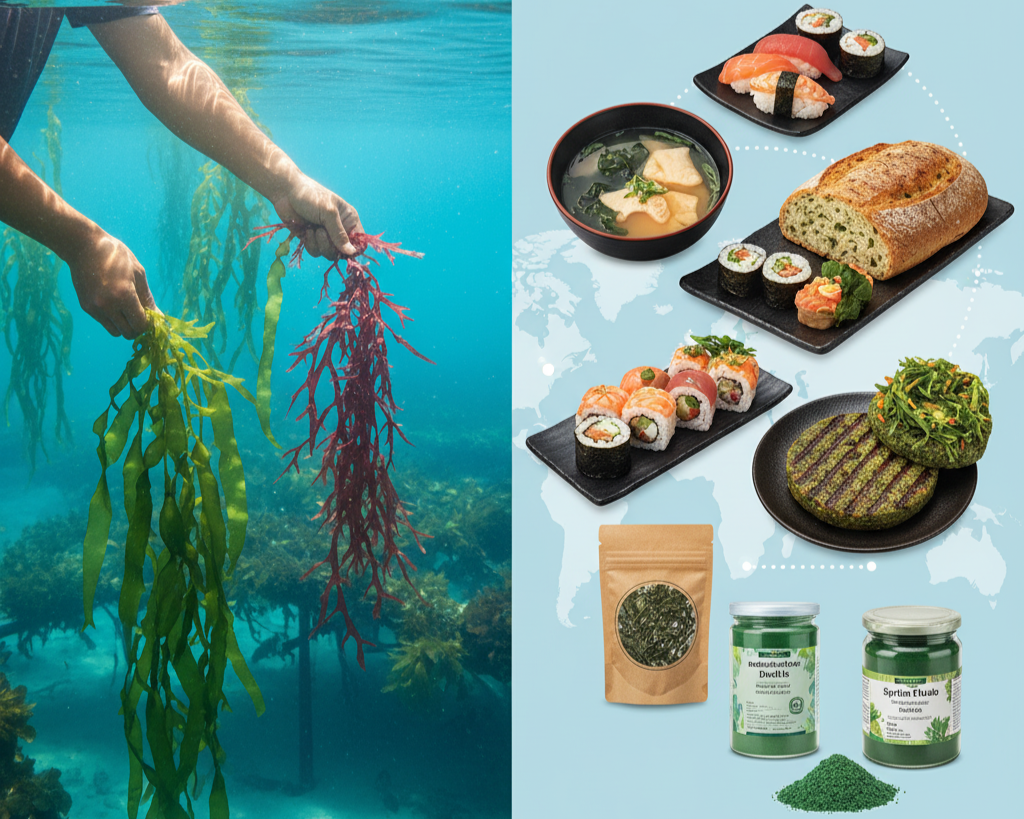
• Traditional Uses: Seaweed cultivation started in Japan, China, and Korea over 1,700 years ago. Common Asian species include Nori (Porphyra spp.) (red), Wakame (Undaria pinnatifida) (brown), and Kombu (Saccharina japonica) (brown). In Europe, countries like Norway and Ireland have long histories of consumption, traditionally utilizing species like dulse (Palmaria palmata).
• Flavor Profile: Seaweed’s unique sensory quality makes it essential in many dishes, characterized by a potent “umami” sensation derived from amino acids like glutamate. The taste profile often includes savory, smoky, or mineral notes.
• Modern Innovation: Contemporary applications are integrating seaweed protein concentrates and dried flakes into a variety of Western foods.
◦ Meat Alternatives: Seaweed extracts and powders are used in formulations for plant-based meats, dairy alternatives (yogurt), baked goods, and supplements.
◦ Salt Replacement: Dried seaweed, such as sea spaghetti (Himanthalia elongata), has been successfully incorporated into low-salt beef patties (1% inclusion) to substitute sodium chloride. This provided a desired salty and savory flavor perception while offering hedonic benefits to consumers.
Scaling Up: Sustainable Farming Methods
The global seaweed aquaculture industry is a significant employer, primarily in Asia, with 50 countries actively engaged in farming as of 2018. Sustainable practices are essential for managing this growth.
1. Integrated Multi-Trophic Aquaculture (IMTA)
IMTA systems are a cornerstone of sustainable aquaculture, minimizing the environmental impact of farming.
• Closed-Loop System: IMTA involves co-cultivating species from different trophic levels, where seaweed acts as an extractive species alongside fed fish or shrimp. The seaweed recycles waste nutrients that would otherwise pollute the water.
• Ecological and Economic Benefits: IMTA provides a biological mitigation solution, promotes aquaculture diversification, increases overall yield, and provides additional income for farmers. It minimizes the risk of monoculture farming and enhances social and ecological security.
2. Open-Water Farming
Commercial seaweed cultivation requires careful site selection, ensuring clear water with constant motion, appropriate salinity (28–34 ppt), and optimal temperature (27∘C to 30∘C).
• Long-Line Systems: These systems, utilizing cultivation ropes, tying materials, and floaters (like Styrofoam or empty plastic bottles), are a common method for cultivating species such as Kappaphycus alvarezii.
• Ecosystem Services: Seaweed farms serve as artificial reefs, enhancing marine biodiversity and providing refuge and nursery habitat for various marine species, including commercially important fish. Biodiversity within cultivated seaweed has been observed to be high, similar to natural kelp beds.
Barriers and the Path to Global Adoption
Despite its immense potential, expanding the seaweed industry globally faces significant challenges.
1. Geographic Concentration and Scale
Approximately 98% of the world’s farmed seaweed comes from Asia (primarily China and Indonesia). While Western nations are exploring aquaculture opportunities—such as recruiting lobster fishermen in Maine (US) to farm kelp as a climate adaptation strategy—scaling up production requires overcoming substantial barriers outside of traditional growing regions.
2. Regulatory, Economic, and Social Hurdles
• Policy and Finance: The realization of the “phyconomic” potential (large-scale, sustainable seaweed farming for economic benefit) is hindered by a lack of clear seaweed-related policy, insufficient technological innovation, and difficult access to financial means.
• Biosecurity and Disease: The booming culture industry faces challenges from diseases and pests, such as ice-ice disease and epiphytic algae outbreaks, which cause economic loss and threaten biomass. Sustainable development requires addressing these biosecurity risks and focusing on genetically superior varieties that are more resilient to stress and disease.
• Consumer Acceptance: High levels of food neophobia (fear of new foods) and unfamiliarity with the unique taste profile of seaweed limit its mass adoption in many Western diets.
• Carbon Credit Frameworks: For seaweed farming to fully attract the necessary investment as a climate solution, robust frameworks are needed to develop verified carbon credits. This process is crucial to monetize the ecological services and ensure that investment flows toward climate change mitigation efforts.
In conclusion, seaweed represents a vital, sustainable solution that combines economic momentum, nutritional superiority, and powerful environmental restoration capabilities. By addressing challenges through innovation in cultivation techniques, genetic research, and supportive policy frameworks, seaweed can fulfill its potential as the ocean’s climate seaweed superfood , contributing significantly to global goals for food security, economic growth, and climate stability.
Related articles – The Wild Edibles Revolution


