The summer solstice brings one of nature’s most extraordinary phenomena: the midnight sun. For travelers seeking the best midnight sun destinations, four countries offer unforgettable experiences under 24-hour daylight.
The first time you stand outside at midnight and the sun is still up, something in your brain refuses to believe it. Your watch says 12:15 a.m. The sky says late afternoon. Your body, trained by a lifetime of sunsets, does not know what to do with the light.
The summer solstice arrived on June 20 and 21, 2026, marking the longest day of the year in the Northern Hemisphere. For most of the world, that means an early sunrise and a late sunset. But above the Arctic Circle, at 66.5 degrees north, the solstice brings something stranger and more beautiful: the midnight sun, a stretch of weeks or months when the sun never sets at all.
What It Is: A Sun That Refuses to Set
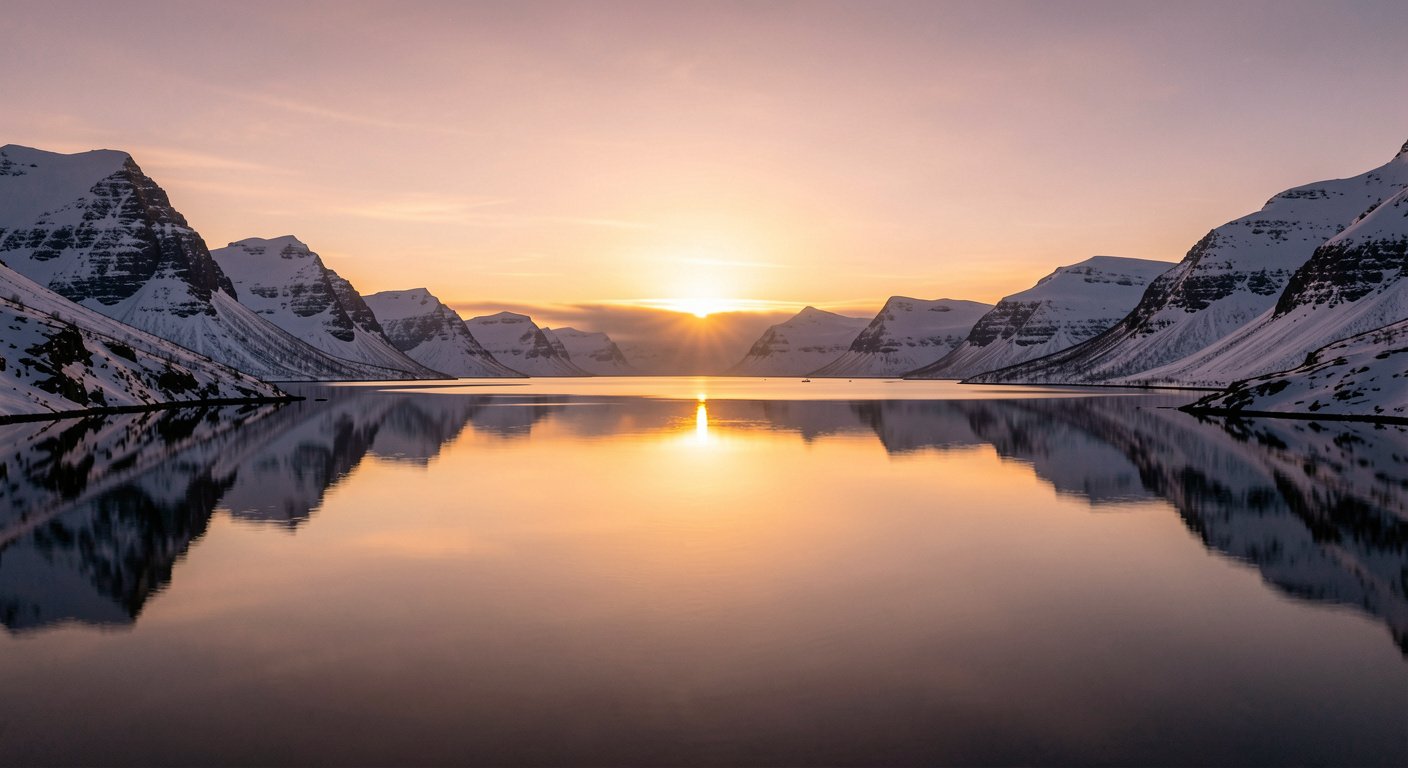
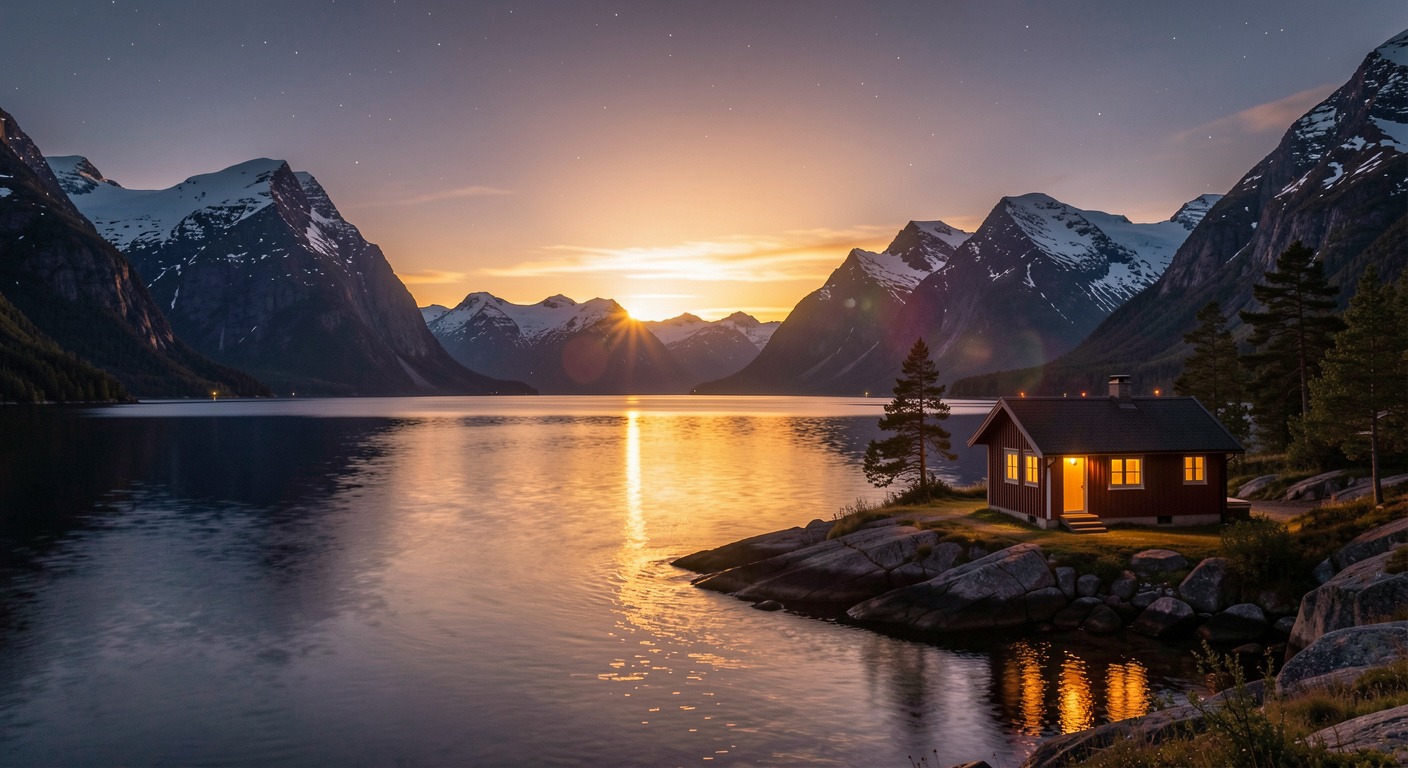
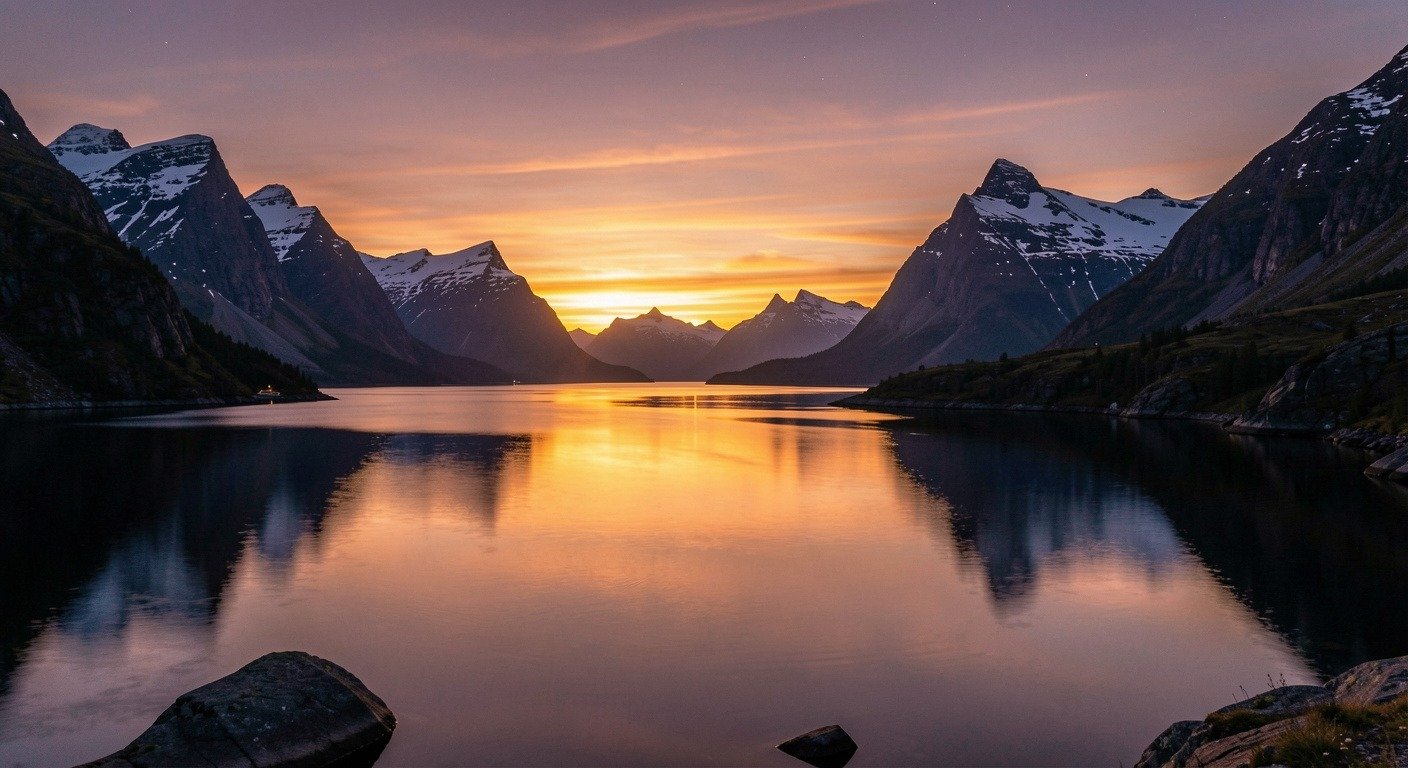
The midnight sun is exactly what it sounds like. In the high northern latitudes during summer, the sun remains visible at midnight and circles the sky in a continuous loop. There is no sunrise and no sunset. The light shifts through shades of gold, rose, and pale amber, but darkness never arrives.
The phenomenon peaks around the summer solstice. On June 21, the North Pole tilts closest toward the sun, and the Arctic Circle receives 24 hours of direct sunlight. The farther north you travel, the longer the period of continuous daylight extends. At the Arctic Circle itself, the midnight sun lasts about one day. In Tromso, Norway, it lasts from roughly May 20 to July 24. On Svalbard, the sun does not set from late April through late August, nearly four full months.
Why It Happens: The Tilt That Shapes Our Seasons
The midnight sun is a direct result of Earth’s axial tilt. Our planet spins on an axis tilted at approximately 23.5 degrees relative to its orbital plane around the sun. Scientists call this obliquity, and NASA explains it is the reason we have seasons at all.
During the Northern Hemisphere’s summer, the North Pole leans toward the sun. Above the Arctic Circle, the tilt is steep enough that the sun never drops below the horizon, even as Earth rotates. Think of it like a spotlight aimed at the top of a slowly spinning globe: the light stays on the northern cap through the entire rotation. The opposite happens in winter, plunging the Arctic into polar night. The same tilt powers seasonal rhythms worldwide, from cherry blossom season in Japan to the northern lights in Iceland, as explored in our guide to Japan’s seasonal calendar.
Midnight Sun Duration by Location
| Location | Midnight Sun Period | Summer Temps |
|---|---|---|
| Tromso, Norway | May 20 – Jul 24 | 10–15°C (50–60°F) |
| Svalbard, Norway | Apr 20 – Aug 22 | 3–7°C (37–45°F) |
| Reykjavik, Iceland | Jun 16 – Jun 29 | 10–13°C (50–55°F) |
| Fairbanks, Alaska | May 17 – Jul 27 | 15–21°C (60–70°F) |
| Rovaniemi, Finland | Jun 6 – Jul 7 | 10–18°C (50–65°F) |
How It Affects People: Travel, Culture, and the Body Clock
For travelers, the midnight sun unlocks a category of experiences that are impossible anywhere else. In Tromso, runners compete in the Midnight Sun Marathon, starting in the evening and finishing under a sky that never darkens. In Fairbanks, Alaska, golfers tee off at the Midnight Sun Golf Tournament after 10 p.m. In Iceland, whale-watching boats depart Husavik at 8 p.m. and return under full daylight, humpbacks breaching in gold-tinged water.
“At 11 p.m. in Reykjavik, the sky holds the color of 7 p.m. everywhere else, and nobody seems in a hurry to go home.”
Local cultures have built traditions around the endless day. In Finland, Midsummer celebrations draw families to lakeside cottages for bonfires and saunas. Norway’s coastal communities host festivals that blur the line between one day and the next. The health effects are real: constant daylight suppresses melatonin. Locals use blackout curtains and sleep masks. Travelers should do the same.
Why It Matters Now: Peak Season Is Here
The summer of 2026 is underway, and the weeks around the solstice are the busiest window for midnight sun travel. June and July offer the longest days and the most reliable weather. Accommodations in popular destinations book months in advance, Tromso, the Lofoten Islands, and Iceland’s Ring Road fill up fast for June and July. The same applies to US national parks like Yellowstone, where June lodging fills up quickly. If you are planning for 2027, reservations begin opening this autumn.
Climate patterns add another layer. The Arctic is warming roughly three times faster than the global average. The landscapes that make these destinations extraordinary, glaciers, sea ice, permafrost, are changing. Visiting now means seeing them in a form that may not last.
What We Can Learn: Four Destinations Worth the Journey
Norway
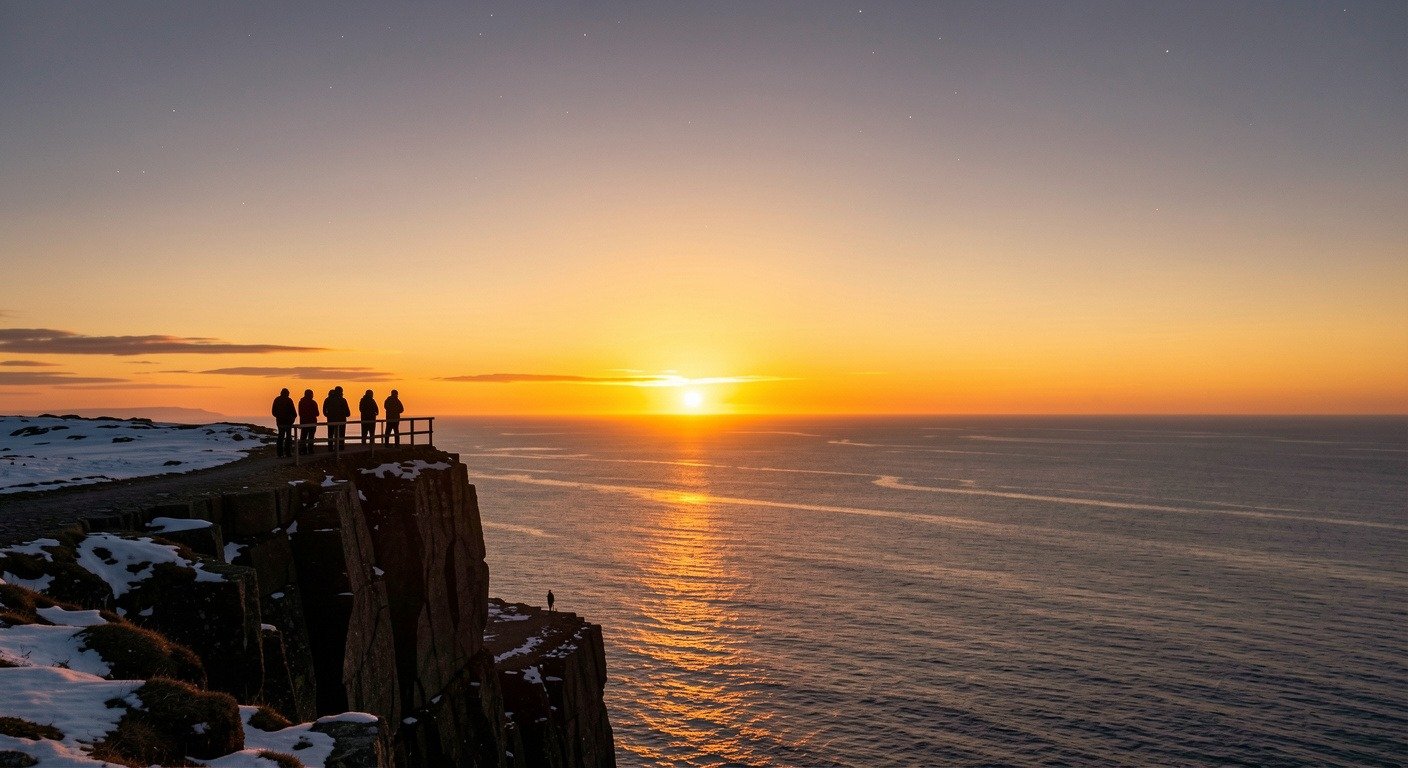
The North Cape, a 307-meter cliff rising from the Barents Sea, is the northernmost point in continental Europe reachable by car. Between mid-May and late July, visitors gather on the plateau at midnight to watch the sun skim the horizon before climbing again. Tromso offers two full months of midnight sun and a vibrant summer culture of outdoor cafes and harbor-front concerts. The Lofoten Islands deliver dramatic scenery: jagged peaks, red fishing huts, and light that turns the water to hammered gold.
Iceland
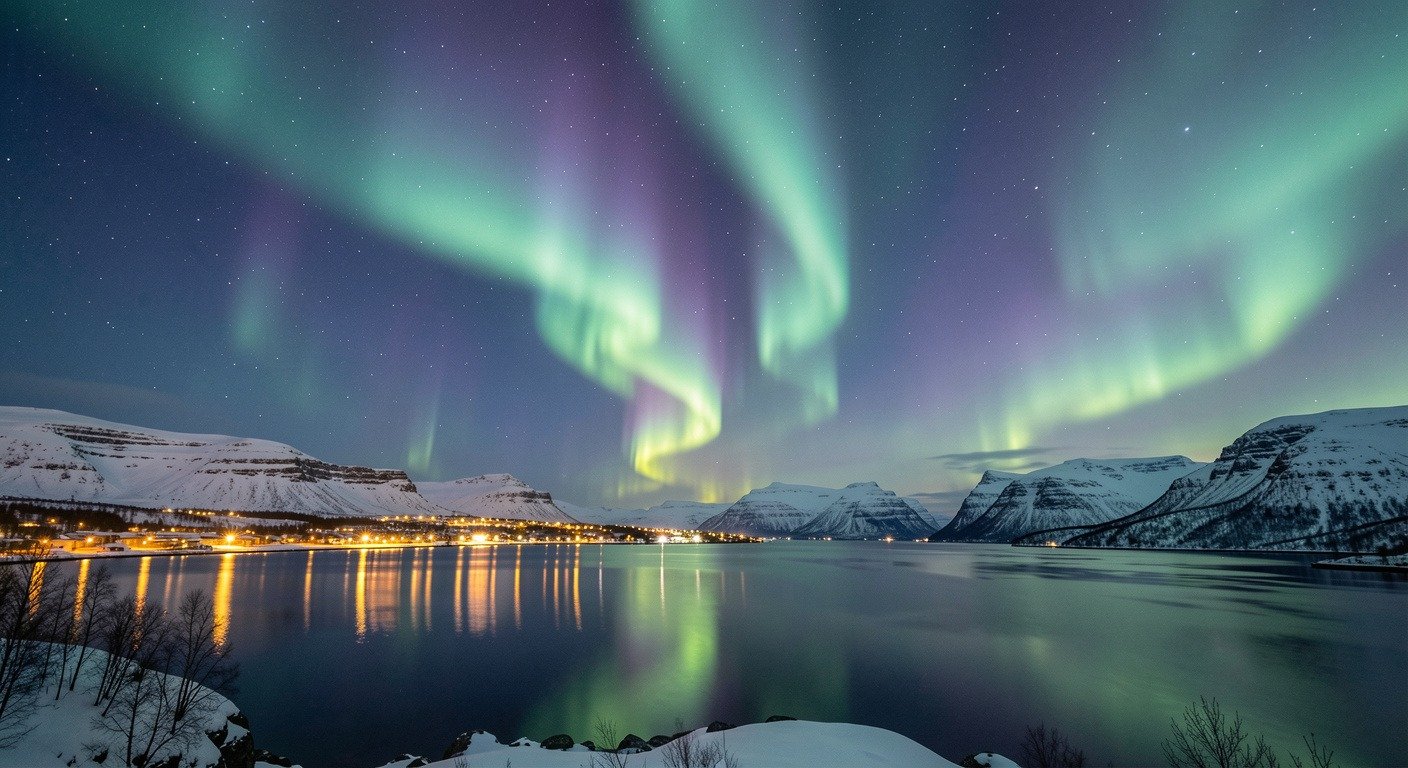
Reykjavik sits just below the Arctic Circle, but at nearly 65 degrees north, the sun around the solstice dips below the horizon for less than an hour. The sky never fully darkens, producing a golden twilight that photographers call the everlasting golden hour. For true midnight sun, head north to Grimsey Island on the Arctic Circle. Iceland rewards travelers in winter too, when the northern lights replace the midnight sun, see our guide to seeing the aurora in Iceland. When you are ready to book, our Northern Lights tours guide compares the best aurora trips for 2026.
Alaska
Fairbanks celebrates the solstice with the Midnight Sun Festival, a 12-hour downtown street fair. Further north, Utqiagvik enters a stretch of continuous daylight from mid-May through early August, 82 days without sunset. Denali National Park offers midnight hikes under a sun that barely dips, with the Alaska Range glowing rose and amber at 1 a.m.
Finland
Finnish Lapland is the quietest of the midnight sun destinations. In Rovaniemi, the sun does not set for a full month around the solstice. The vast forests and lakes fill with light that lasts all night. Midsummer here is a national holiday, celebrated with bonfires, saunas, and an unhurried stillness that feels like the antidote to modern life.
- Book early. The solstice period (June 15–25) is peak season. Hotels and rental cars fill up 6+ months ahead.
- Pack a sleep mask. Blackout curtains help, but light finds every gap. A consistent bedtime routine signals your body to rest.
- Dress in layers. Temperatures still drop to 4–10°C (40–50°F) even in June. Bring waterproof outer layers.
- Stay safe. In Svalbard and Denali, carry bear protection. The Arctic Ocean is dangerously cold year-round.
The midnight sun is not an easy trip. It requires a flight to the top of the world, a willingness to sleep when your body resists, and an openness to experiences that do not fit inside a normal day. The reward is a landscape lit like a dream and the strange gift of time that refuses to end.